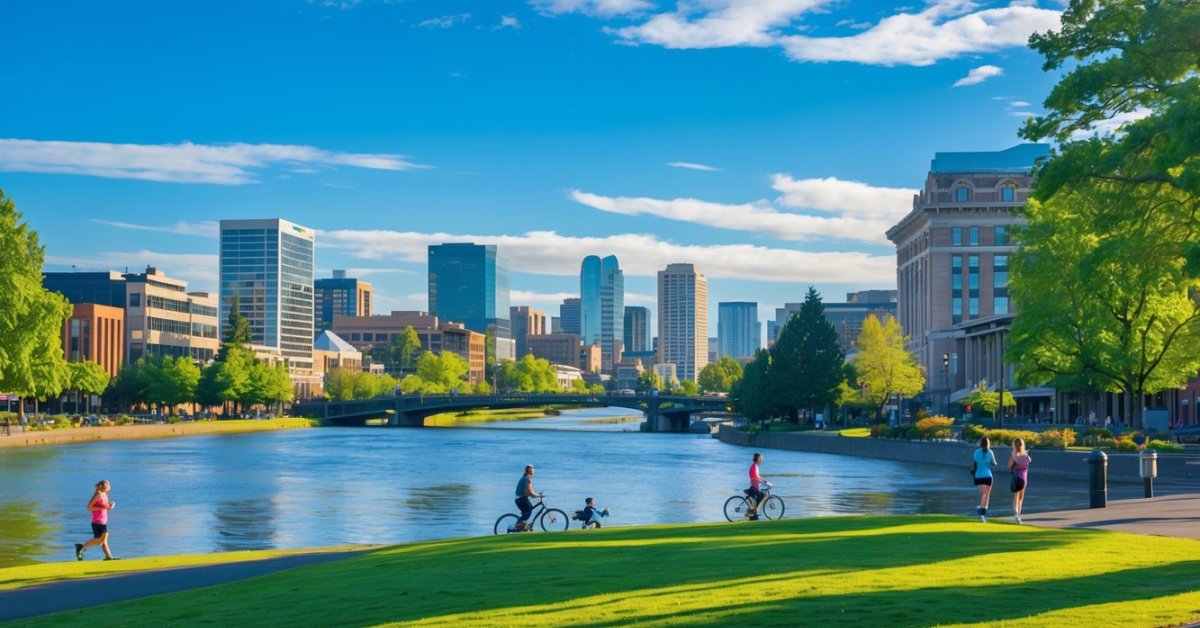
I’ve always believed that sports and recreation have a special way of bringing people together. Whether it’s the thrill of a close game or the joy of a simple walk in the park these activities add excitement and balance to everyday life. There’s something about moving your body and sharing moments with others that makes everything feel a little brighter.
When I think about my favorite memories many of them involve playing a sport or trying out a new hobby with friends. It’s not just about competition—it’s about laughter teamwork and discovering what I’m capable of. Exploring the world of sports and recreation opens up endless possibilities for fun growth and connection.
Understanding Sports and Recreation (Articles)
Sports and recreation articles tell stories unique to Oregon, informed by my years exploring its communities, landscapes, and traditions. Writers like me focus on real experiences rooted in Oregon, sharing favorite local activities, hidden parks, and regional competitions. Skiing at Mount Hood, fishing the Deschutes River, and joining Portland’s city leagues are just a few examples I’ve covered that highlight how Oregonians integrate outdoor play into daily life.
Articles in this space often spotlight community values—teamwork, environmental stewardship, and inclusion—reflected in Oregon’s robust network of youth leagues, trail organizations, and adaptive sports programs. Every region, from Bend’s mountain biking trails to the Eugene Saturday Market’s pick-up soccer games, supports distinct forms of recreation, and I always prioritize those details to help readers find authentic opportunities statewide.
I aim for accuracy and practical insights by drawing from interviews with local coaches, guides, and park rangers, anchoring each story to firsthand accounts. If you’re seeking practical, lived-in knowledge about sports and recreation, Oregon articles like mine combine regional context, genuine voices, and updates on evolving activities for locals and newcomers alike.
Popular Types of Sports and Recreation Activities
Oregon offers year-round sports and recreation that shape its communities and culture. I see people of all ages join in these activities, from rainy cities to sunny mountain valleys.
Team Sports
Community parks in Oregon host team sports like soccer, basketball, and baseball. In Portland and Eugene, I often watch youth soccer leagues fill fields every weekend from March through November. High school football in small towns like Pendleton brings families together each fall. Adaptive sports leagues in the Willamette Valley make basketball and baseball accessible for people with disabilities. Volleyball tournaments at the Oregon Coast draw teams from across the region each summer.
Individual Sports
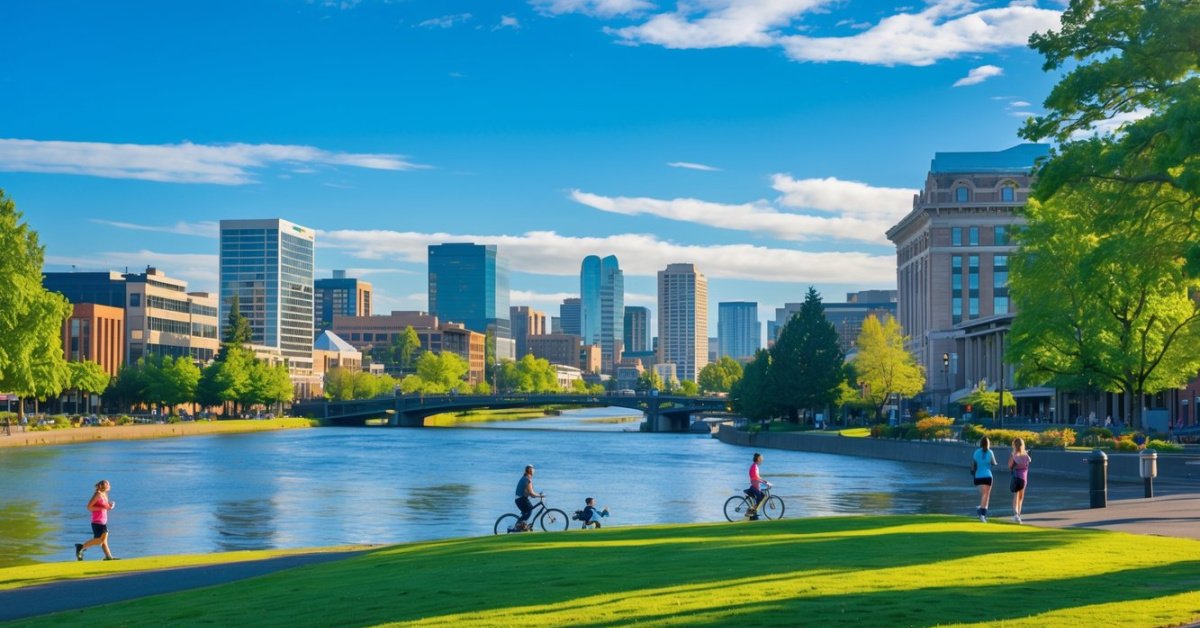
Oregonians enjoy individual sports such as running, tennis, cycling, and swimming. Every May, I see thousands run the Eugene Marathon. Cyclists ride rural roads near Ashland, tracing vineyard routes or challenging Siskiyou mountain climbs. Local clubs maintain tennis courts in city parks across Salem and Bend. Swimmers use public pools for year-round training in cities like Corvallis.
Outdoor Recreation
Outdoor recreation thrives in Oregon’s forests, rivers, and mountains. Hikers explore trails in Forest Park, Silver Falls State Park, and the Columbia Gorge. In winter, skiers and snowboarders visit Mount Hood Ski Bowl and Timberline Lodge. Fishing on the Deschutes River or Crater Lake attracts enthusiasts chasing trout and salmon. I paddle my kayak on Waldo Lake each summer, joining campers and backpackers in the Cascades.
Indoor Recreation
Indoor recreation centers offer fitness, sports, and creativity when Oregon’s weather turns wet. I visit climbing gyms in Portland and Eugene, where climbing walls reach 40+ feet. Recreation hubs like Salem’s Kroc Center include swimming, basketball, and fitness studios under one roof. Public libraries statewide host chess clubs, art classes, and table tennis leagues to keep minds and bodies active year-round.
Benefits of Sports and Recreation (Articles)
Sports and recreation in Oregon shape everyday life and reveal much about what it means to be part of this state. I see the benefits around me—at local parks, school events, and public trails.
Physical Health Advantages
Sports and recreation promote physical health throughout Oregon, as I witness in every season. Participation in soccer leagues in Eugene, hiking in Forest Park in Portland, and cycling along Bend’s trails builds strength, endurance, and flexibility. Cardiovascular fitness rises with activities like running the Hood to Coast Relay or swimming in public pools statewide. Local guides and trainers often point to the decline in chronic disease risks—such as diabetes and heart disease—among participants in regular recreation. Community data from Oregon Health Authority backs this up, showing higher activity levels correspond to lowered obesity rates across counties.
Mental and Emotional Well-Being
Sports and recreation nurture mental and emotional health across Oregon communities. I notice stress reduction and increased happiness during outdoor group events, such as yoga sessions on the Oregon coast or weekend basketball games in Salem gyms. Social connections form quickly, helping to combat loneliness—something residents in rural counties mention during community interviews. Adaptive programs in places like Portland Parks & Recreation make inclusion possible, giving everyone a chance for belonging and positive self-image. Several studies, including those from Oregon State University, point to lower depression and anxiety levels when locals join recreational clubs or volunteer for youth leagues.
Trends in Sports and Recreation (Articles)
Sports and recreation in Oregon keep changing as communities and technology adapt to local interests. I see new trends shaping how Oregonians access and experience activities year-round.
Technological Innovations
Technology shapes Oregon’s sports and recreation scene across parks, trails, and athletic centers. Many parks in Portland and Eugene use smartphone-based maps to help visitors find hiking trails, disc golf courses, and public boat launches. Climbing gyms in Bend offer apps for real-time route updates and class registration. High school coaches in Salem and Medford track athlete development using wearable fitness trackers. Local marathon organizers in Eugene use live timing, race-day drone footage, and digital fundraising platforms for events like the Eugene Marathon. These tools give both newcomers and longtime residents more opportunities to explore Oregon’s natural and urban recreational spaces efficiently.
Community Engagement
Communities deepen sports and recreation ties by expanding access and focusing on local pride. Youth leagues in Beaverton and Albany partner with schools for free clinics and equipment sharing. Volunteer-led repair days restore bike trails in the Willamette Valley, keeping mountain biking accessible and safe. Local sports leagues promote inclusion by running adaptive basketball and soccer programs, especially in areas like Corvallis. Festivals in Hood River celebrate water sports with community paddle events and clinics run by longtime residents. Public libraries in Ashland host recreation meetups that connect newcomers with experienced Oregonian hikers and anglers. These efforts highlight the collaborative spirit that’s central to sports and recreation in every corner of Oregon.
How to Choose the Right Sports and Recreation (Articles)
Identifying the best sports and recreation articles for Oregon works best when I match options to specific needs and local context. I use my experience exploring Oregon’s parks, leagues, and activities to guide my choices.
Age and Skill Considerations
Selecting articles that reflect the right age group and skill level shapes an authentic Oregon experience. Youth league guides, such as those on Portland Parks & Recreation’s website, describe suitable opportunities for kids and teens with examples like Tualatin Hills soccer teams and Salem’s Little League. Adult athletes see helpful breakdowns in local publications like Willamette Week, which highlights options from advanced mountain biking in Bend to beginner-friendly pickleball in Roseburg. I check for content that speaks directly to ability—beginner hiking trails in Silver Falls, expert kayaking on the Rogue River, or adaptive sports stories from the Eugene YMCA—for Oregonians with varied backgrounds.
Accessibility and Facilities
Researching accessibility in Oregon sports articles, I make sure facilities and environments align with varied abilities and personal needs. City recreation guides provide details on ramp access, braille signage, and equipment rentals at places like the Matt Dishman Community Center in Portland. Real-time facility updates appear in apps from Oregon State Parks and local climbing gyms, helping everyone track hours or closures before heading out. I use first-person accounts of adaptive sports events, like wheelchair basketball in Medford or inclusive group hikes at Tryon Creek, to verify accuracy and inclusion. These insights connect audiences to venues that truly support Oregon’s spirit of open recreation.
Conclusion
When I think about sports and recreation in Oregon I’m reminded of just how many ways there are to connect with the world around me. Whether I’m lacing up for a hike or cheering on a local team there’s always something new to discover and enjoy.
Exploring these activities has shown me that it’s not just about the games or the goals—it’s about the friendships made and the moments shared. If you’re ready to dive in Oregon’s vibrant sports and recreation scene is waiting to welcome you.