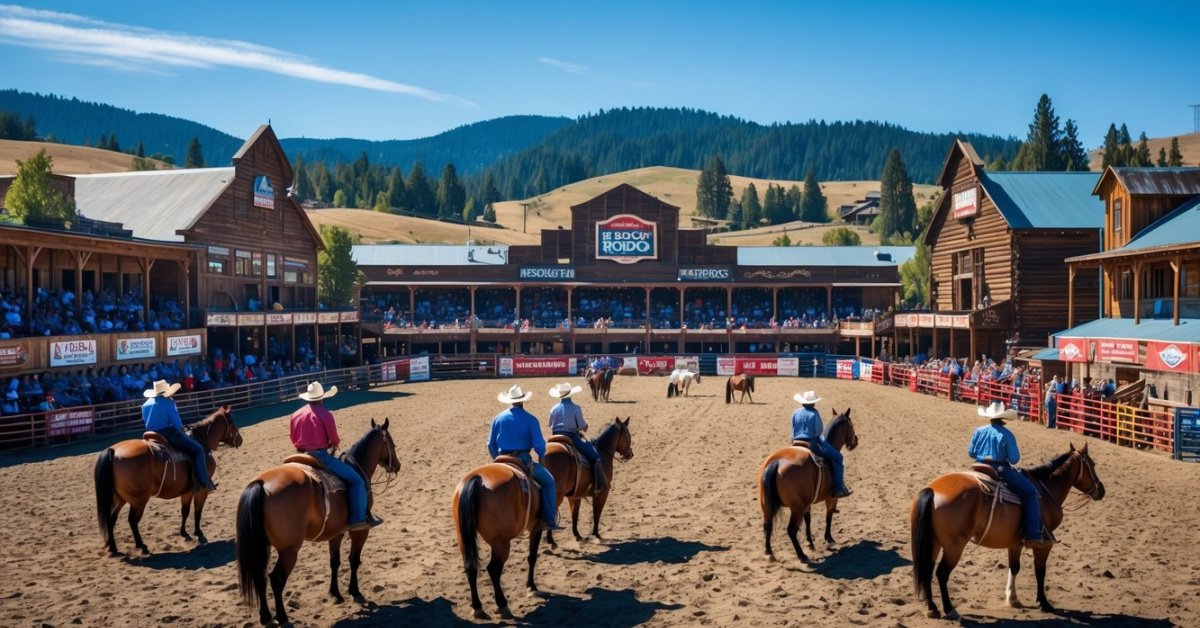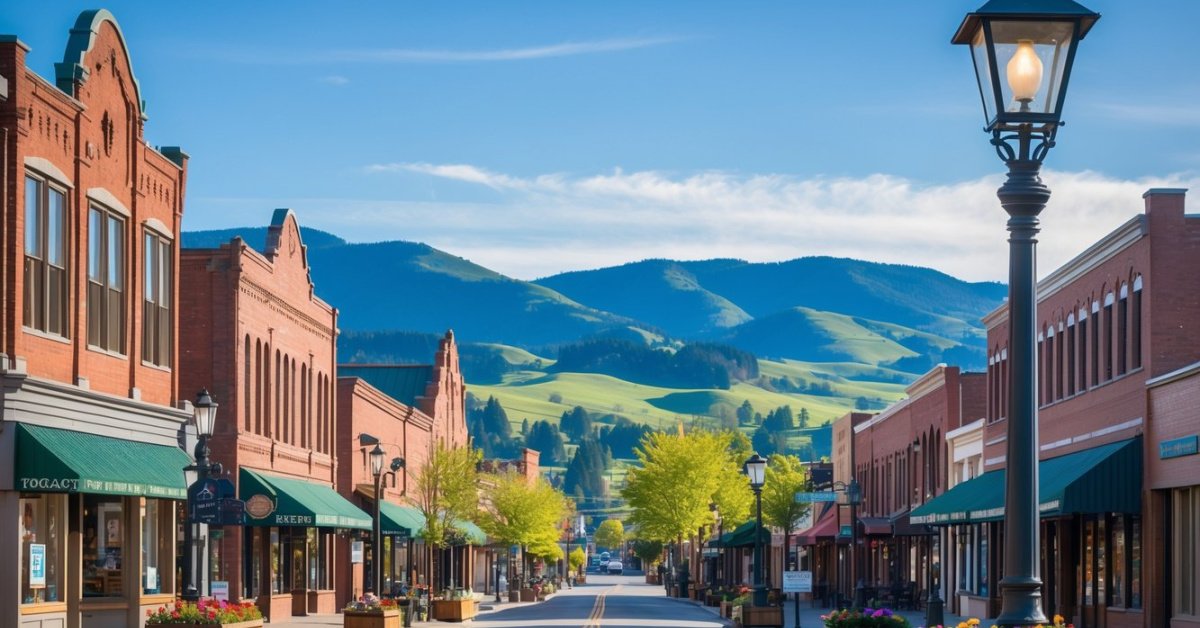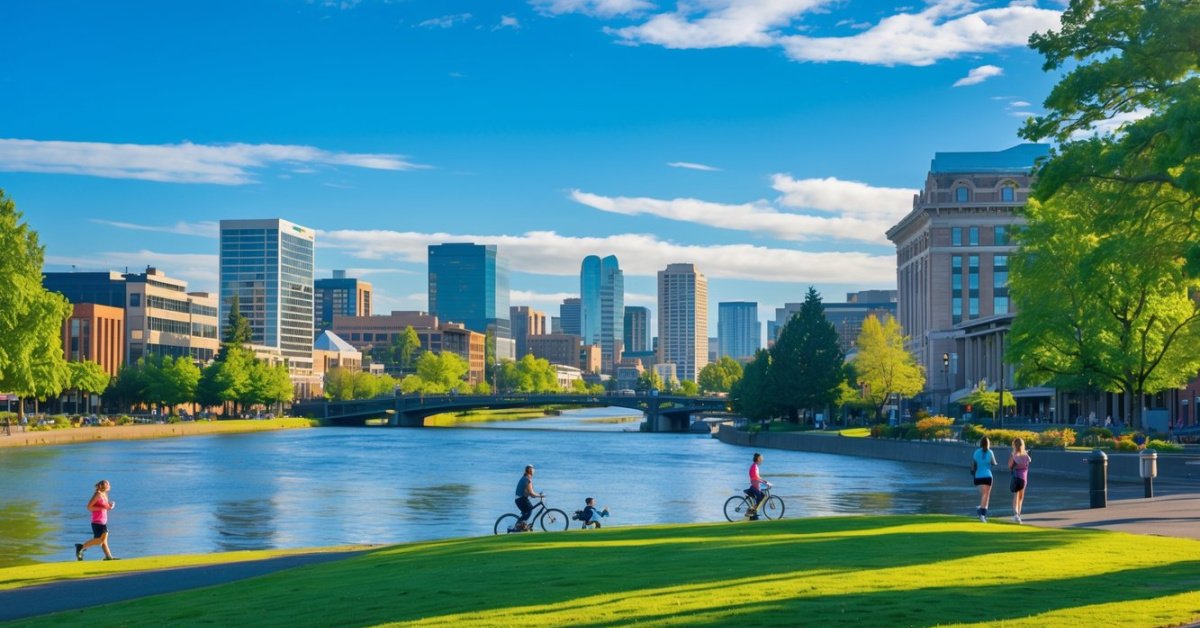
When I think about education in Oregon I see a landscape full of choices and opportunities for families. From bustling public school classrooms to the quieter halls of private academies every option offers something unique for students of all backgrounds and interests.
Deciding between public and private K-12 education isn’t just about academics—it’s about finding the right fit for each child. As I explore what sets these schools apart and what they have in common I hope to shed light on how Oregon shapes the learning experience for its youngest residents.
Overview of K- Education in Oregon: Public and Private
Public K- education in Oregon centers around 197 school districts, with over 1,200 public schools serving about 560,000 students in 2023 according to the Oregon Department of Education. Most public schools follow state curriculum standards and receive funding from local taxes and state resources. Specialized public options like magnet programs, immersion schools, and charter schools offer unique choices in Portland, Eugene, and Bend.
Private K- education in Oregon covers about 400 schools, enrolling nearly 48,000 students statewide, based on the most recent data from the National Center for Education Statistics. Private schools here vary in focus—religious schools such as Jesuit High School in Portland, Montessori or Waldorf programs in Eugene, and college-prep academies like Oregon Episcopal School. These institutions set their own admissions and tuition policies and aren’t required to follow state assessment guidelines.
Access to both public and private options shifts by region. Urban areas like Multnomah and Lane County show dense concentrations of alternative schools. Rural communities, including areas in Eastern Oregon such as Baker County, feature fewer private campuses and rely more on the nearest public district.
Families navigating K- education in Oregon compare district boundaries, program offerings, tuition rates, and transportation access. My experiences in various regions confirm that both sectors stay active in adapting to community needs, though decision points differ for every family.
Public K- Education in Oregon
Public K-12 education shapes daily life for families in every Oregon county. My years here let me see how districts, funding, and programs differ from Bend to Beaverton.
Structure and Funding
Oregon’s public school system rests on 197 independent districts. Each district manages its schools, sets boundaries, and coordinates transportation. Funding mainly comes from state sources—mostly income tax—mixed with local revenue from property taxes. In 2023, Oregon’s public schools budget topped $9.5 billion (Oregon Department of Education). Additional federal dollars support programs like free school lunches and special education.
Curriculum and Standards
Oregon public schools teach a state-approved curriculum. The Oregon Department of Education sets statewide academic standards for each grade. Subjects include math, reading, science, social studies, health, and PE. Content changes regularly to match statewide learning assessments and graduation requirements. Elementary students (K-5) get foundational literacy and numeracy, while high school students (9-12) choose electives, career-technical courses, or AP classes. Urban districts like Portland and Salem often offer magnet options and language immersion programs.
Strengths and Challenges
Public K-12 schools in Oregon offer open enrollment by address, class diversity, and extracurricular activities like sports or robotics. Many schools make free meals available and provide counseling or individualized education plans (IEPs) for students with special needs. Challenges persist—state graduation rates in 2022 stood at 81.3%, trailing the national average of 86% (NCES, 2023). Rural schools sometimes struggle with funding gaps and higher student-teacher ratios. I’ve noticed that strong community ties and active parent groups help maintain programs in small towns, even when resources are tight.
Private K- Education in Oregon
I’ve seen private K- education in Oregon offer families a wide spectrum of options that blend local traditions with national and international approaches. Every region reflects a bit of that Oregon character, with schools adapting to local communities and landscapes.
Types of Private Schools
I find private schools in Oregon span from longstanding Catholic and Protestant academies in Portland, Salem, and Eugene to secular college-prep campuses like Oregon Episcopal School. Montessori and Waldorf schools stand out in Bend and Ashland, offering alternative philosophies. Jewish day schools, Quaker-founded institutions, and small independent schools appear mostly in urban centers. In rural areas, private schools rarely exist, and most maintain church affiliation or follow a specific educational vision.
Admission and Tuition
I’ve watched most private school admissions involve applications, assessment tests, interviews, and sometimes letters of recommendation. Waitlists often appear at top-tier schools in metro regions but less so in smaller towns. Tuition for day schools ranges from $5,000 to $35,000 per year based on location and offerings. Some campuses provide scholarships or need-based grants, especially for multiple siblings or special academic talent. Families usually pay additional fees for aftercare, sports, and special programs.
| School Type | Tuition Range (per year) | Typical Location |
|---|---|---|
| Catholic/Parochial | $5,000–$12,000 | Statewide, Urban Focus |
| Secular College-Prep | $15,000–$35,000 | Portland, Metro |
| Montessori/Waldorf | $8,000–$18,000 | Bend, Ashland, Urban |
| Jewish, Quaker, Other | $7,000–$20,000 | Urban, Suburban |
Academic Approaches
I’ve noticed that Oregon’s private K- schools choose their own curriculum, unlike public districts. Most college-prep schools follow AP or International Baccalaureate tracks with a strong focus on university admissions. Montessori classrooms blend mixed-age groups and independent learning, while Waldorf emphasizes arts, nature, and creativity—fitting the Oregon environment. Faith-based academies combine state standards with daily religious instruction, teaching values along with academics. Specialized schools for students with learning differences tend to offer individualized instruction and smaller class sizes, especially in the Portland metro.
Comparing Public and Private K- Education in Oregon
I’ve spent years moving between Oregon’s communities, learning how schools operate from Portland to Pendleton. Locals see clear differences between public and private K-12 education, but both play central roles in our neighborhoods.
Key Differences
School governance, funding, and curriculum flexibility separate the sectors in every Oregon region.
- Governance: Public schools answer to elected school boards and the Oregon Department of Education. Private schools, like Jesuit High School in Beaverton or Oregon Episcopal School in Portland, manage their own boards and set independent policies.
- Funding: Public schools draw resources from state and local taxes, which means families rarely pay tuition. Private schools require direct tuition payments and fundraising for operations.
- Curriculum: Public schools in cities like Eugene follow state education standards with limited deviation. Private schools pick or design curricula—Montessori or Waldorf, for example—to match philosophy or mission.
- Admissions: Public schools welcome students based on residential boundaries or open enrollment, except special programs. Private schools set selective admissions through applications and interviews.
Performance and Outcomes
Outcomes vary, especially when factoring in school location and student needs across Oregon.
- Graduation Rates: State records show that in 2023, Oregon public high schools posted a graduation rate of 81% (Oregon Department of Education), while private schools, according to NAIS.org and local school reports, often exceed 95%.
- Class Sizes: Public elementary schools in smaller districts might average 22 students per class. Private schools, like Catlin Gabel in Portland, usually cap classes under 15.
- College Pathways: Private high schools report higher rates of graduates enrolling at four-year universities, reflecting college-prep missions. Public schools, including magnet programs like Lincoln High’s IB in Portland, deliver strong results for motivated students but face more diversity in post-graduate pathways.
- Specialized Programs: Both sectors offer unique programs—public schools with robust ELL support and advanced STEM tracks, private schools with art immersion or outdoor education modules.
Performance always connects back to community context—urban, suburban, rural—and family priorities. I’ve seen families choose rural public schools in places like Sisters for the tight-knit feel, while others prefer the academic edge and small classes found in private schools near Portland.
Choosing the Right Option for Your Child
Evaluating Oregon Schools
I always start by weighing daily realities—commute times, class sizes, and after-school support—when discussing school choices here. Most families I know compare neighborhood public schools, district boundary transfer policies, and area-specific private school options. In Portland, for example, people often look at specialized public magnets or established prep schools, while in southern and eastern Oregon, local public schools or parochial options usually anchor the search.
Understanding Key Factors
Neighborhood access shapes options across Oregon. In rural communities such as Crook County and eastern Douglas County, local public schools often serve as community hubs, with fewer private school choices nearby. Urban areas like Portland and Eugene offer broader selections, including Montessori, Waldorf, and faith-based programs, but only some families qualify for boundary waivers or afford tuition. Transportation gets tricky; some private schools provide bussing in Portland suburbs, but most public school districts expect families to manage out-of-district commutes.
Comparing Program Focus
Parents around me look beyond academics—arts, STEM, sports, and language immersion stand out in school marketing. Portland Public Schools promoted dual-language programs in Spanish, Mandarin, and Japanese for 2023–2024, while Central Catholic and Jesuit focus on college prep with religious formation. Montessori and Waldorf schools in Lane and Multnomah counties highlight play-based or natural sciences, often supporting kids who thrive in small, creative settings.
Matching Your Family’s Needs
Finding the right school in Oregon depends on individual priorities. I see families prioritize class size, special education services, extracurricular offerings, and peer community fit. In Portland, families often advocate for equity-focused programs or LGBTQ+-affirming environments. In small towns, people value teacher continuity and community ties. Financial aid from private schools can help but stays competitive—many schools in the Willamette Valley report awarding aid to just 10–30% of families each year.
Relying on Local Insights
Decisions go smoother with local context. I always encourage visiting schools, talking with other parents in your neighborhood, and joining parent Facebook groups to get up-to-date details. Oregon’s landscape leaves lots of options, but clear differences exist between districts, public charter magnet programs, religious institutions, and specialized private schools. Families who dig in—and use resources from district offices and organizations like Oregon School Boards Association—typically end up more satisfied with their choice.
Conclusion
Choosing a school in Oregon is a personal journey that looks different for every family. I’ve learned that it’s not just about academics but about finding a place where your child can thrive and feel supported.
No matter which path you take there’s a sense of pride in how Oregon communities come together to shape their schools. I hope my insights help you feel more confident as you explore the options and discover what’s best for your family’s unique needs.