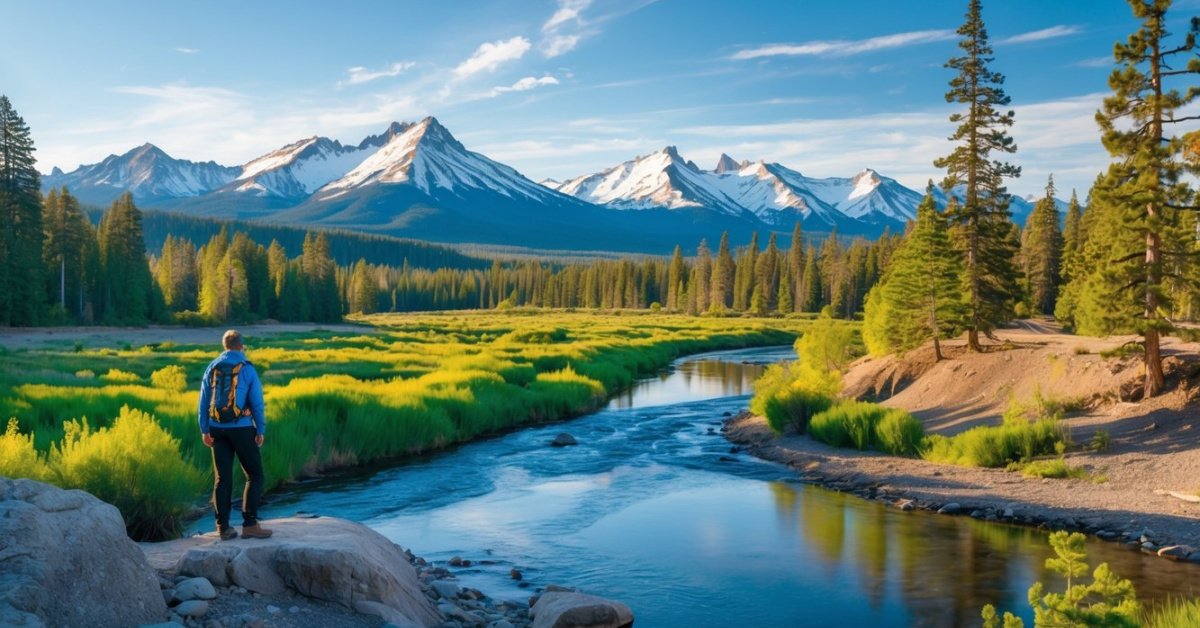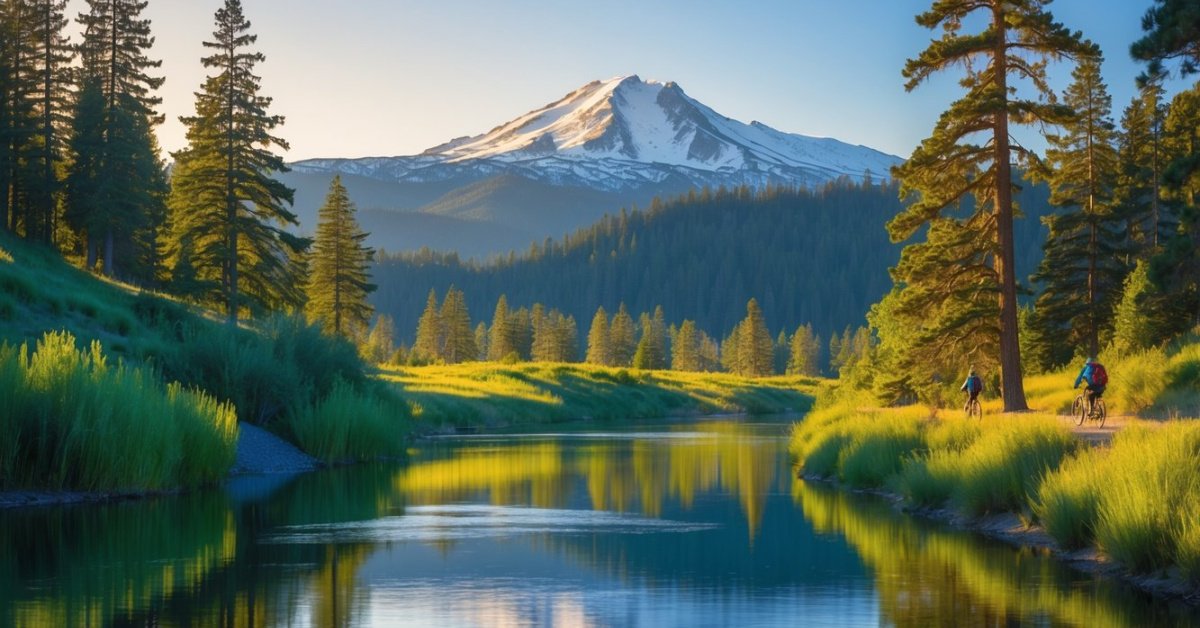
When I think about adventure, Oregon’s mountain biking trails always come to mind. There’s something special about winding through lush forests, tackling rocky descents, and catching glimpses of snowy peaks along the way. Whether I’m craving a heart-pounding ride or a peaceful pedal through wildflower meadows, Oregon never disappoints.
The state’s diverse landscapes mean there’s a perfect trail for every rider. Some days I’m drawn to epic singletrack deep in the mountains, while other days I just want a quick loop close to town. With so many options, it can be tough to know where to start. That’s why I’ve rounded up my favorite mountain biking trails across Oregon, each offering its own unique thrill.
Exploring Oregon’s Mountain Biking Scene
Riding mountain biking trails in Oregon means uncovering diverse terrain and trail systems shaped by the state’s geography. I’ve spent years navigating singletrack through old-growth forests, volcanic ridgelines, and sagebrush prairies across the state. Trailheads near cities like Bend, Oakridge, and Hood River connect me to hundreds of miles of purpose-built routes.
Local biking communities make each region unique. Clubs in Central Oregon, for example, maintain trail networks around Phil’s Trail and Wanoga, which feature fast, flowy descents and technical lava rock sections. In contrast, the Umpqua region—southwest Oregon—draws riders with backcountry singletrack, waterfalls, and solitude.
Seasons shape how I choose where to ride. Spring and fall warm up Coast Range routes near Corvallis, with loamy soil and dense canopy cover. Summer opens up high-elevation destinations, like Mt. Bachelor’s lift-access trails and the Alpine Trail near Oakridge, which ride best when snow’s melted.
Resourceful locals keep trails sustainable. Volunteer groups, like the Central Oregon Trail Alliance (COTA) and Greater Oakridge Area Trail Stewards (GOATS), lead maintenance days and advocate for trail access. These organizations help Oregon stand out as a destination for riders seeking variety, adventure, and community.
Criteria for Top Trail Selection
Trail Accessibility
I look at how easily riders can reach the trailheads, considering parking, proximity to Oregon cities like Bend or Oakridge, and available shuttle services.
Scenic Diversity
I focus on trails offering Oregon’s unique scenery—old-growth forest, volcanic ridgelines, or panoramic mountain views—since each landscape creates a distinct ride.
Trail Maintenance and Quality
I check the condition of trail surfaces, signage, and regular maintenance by local groups such as Central Oregon Trail Alliance, which keeps routes flowing and safe.
Ride Variety
I include trails with a mix of technical challenges, flowy descents, and mellow singletrack to suit beginner, intermediate, and advanced riders—for example, Phil’s Trail for smooth lines or Alpine Trail for lung-busting climbs.
Community and Culture
I prefer trails supported by strong local communities, with events, group rides, or nearby gathering spots, which Oregon mountain biking towns foster well.
Seasonal Ridability
I select trails open for longer seasons; high-elevation routes open in summer (like Lookout Mountain), while lower-elevation networks in the Coast Range stay accessible in spring, fall, and sometimes winter.
Wildlife and Natural Features
I add bonus points for routes with Oregon’s waterfalls, wildflowers, or wildlife—trails like North Umpqua with riverside segments, or Hood River’s Post Canyon for spring blooms.
Best Mountain Biking Trails in Oregon
My years exploring Oregon’s singletrack let me pinpoint the standout mountain biking trails for riders wanting a local’s perspective. Each of these trails offers distinct terrain, scenery, and community energy.
McKenzie River Trail
The McKenzie River Trail gives me a true cross-section of Oregon riding. Old-growth firs line the 25-mile point-to-point route while crystal-clear blue pools and lava flows shape the technical singletrack. Riders encounter log bridges, waterfalls like Sahalie and Koosah, and both fast-flowing and technical sections. Trail access stays busy through summer and early fall due to snow at higher elevations earlier in the year. I recommend this one for strong intermediate or advanced riders who value riverside scenery and want a full-day adventure.
Post Canyon
Post Canyon in Hood River stands out for variety and progression. Over 60 miles of interconnected trails cover everything from jump lines and flowy downhill runs to rocky steeps tucked into mixed conifer forests. Trail builders and local riders—like Hood River Area Trail Stewards—keep Post Canyon’s features fresh, with wooden drops, berms, and tabletops. Beginner loops, intermediate singletrack, and black-diamond hits like “Family Man” and “Bad Motor Scooter” keep me coming back year-round. Spring and fall shine due to the mild Columbia Gorge climate.
Sandy Ridge Trail System
The Sandy Ridge Trail System, close to Portland, delivers a purpose-built, modern riding experience. The BLM and local crews designed and maintain around 17 miles of flow trails, climbing tracks, and freeride descents. Smooth berms, jumps, and challenging rock gardens let every skill level progress. “Two Turntables and a Microwave” and “Quid Pro Flow” attract bike park fans each weekend. Dense Westside forest keeps the riding cool in summer, though winter sees some closure due to wet soil.
Oakridge Trails
Oakridge, sometimes called the “Mountain Biking Capital of the Northwest,” invites me onto hundreds of miles of big backcountry rides. I explore trails like Dead Mountain, Lawler, Alpine, and Middle Fork Willamette, all managed and restored by local volunteers (GOATS). Long, descents wind through fir and pine, with technical switchbacks and natural features. Shuttles offered by local businesses extend the season and make epic high-country loops accessible especially June through October.
Phil’s Trail Network
Phil’s Trail Network west of Bend gives my friends and me unbeatable mileage for year-round riding. Over 30 miles of interconnected trails cross volcanic soils, ponderosa pine stands, and sage. “Phil’s Trail,” the namesake, flows easily for families, while upper trails like “The Lair” and “Whoops” pack in jumps and speed. Central Oregon Trail Alliance maintains the network, keeping it busy but never overwhelmed even during summer and shoulder seasons. Phil’s endures as my go-to for daily riding and introducing riders of every level to the Bend scene.
Tips for Planning Your Oregon Mountain Biking Adventure
Scouting Local Conditions
Checking trail conditions before any ride helps avoid closures from weather, fire, or maintenance. I use resources like Trailforks, local Facebook groups, and the Oregon Mountain Biking Coalition for daily updates and rider reports.
Timing Rides with Oregon’s Seasons
Riding access depends on Oregon’s distinct seasons. Summer opens high-elevation trails near Mount Hood, Bachelor, and Oakridge. Spring and fall offer hero dirt in the Coast Range and eastern valleys. Early winter brings rain and snow, making Bend’s dry pumice soil a favorite for winter rides.
Packing for Oregon Terrain
Bringing extra layers, a lightweight rain jacket, electrolyte tabs, and a patch kit readies me for elevation changes and Oregon’s unpredictable weather. Oak forests drop branches after storms, and volcanic tuff can be hard on tires, so I always carry extra tubes or a tubeless plug kit.
Finding Insider Trail Beta
Joining group rides through local bike shops in towns like Bend, Oakridge, or Hood River connects me with people who’ve scouted the freshest trail work or know hidden jump lines. Volunteer days with clubs like Central Oregon Trail Alliance teach me about new connectors before they land on maps.
Respecting Local Trail Culture
Yielding to hikers and equestrians, sticking to signed routes, and packing out trash preserves my access and the reputation of Oregon riders. Many locals support trail stewardship, so I treat every ride as an opportunity to give back by clearing small branches or reporting hazards.
Navigating Trail Access and Permits
Visiting National Forest or BLM areas often requires a Northwest Forest Pass or sometimes a day permit for parking—especially near Oakridge, McKenzie, or Mt. Hood. I check the official agency website before a trip to avoid parking fines and help fund trail maintenance.
Snagging Reliable Post-Ride Spots
Supporting bike-friendly businesses matters to Oregon’s trail towns. I like places with bike racks, access to water, and a quick bite—like 10 Barrel in Bend or 3 Legged Crane Pub in Oakridge. Shop staff often share news about recent reroutes or upcoming events.
Essential Gear and Safety Advice
My experience riding every corner of Oregon taught me the value of packing the right gear and staying prepared. Trails range from dry high-desert singletrack near Bend to mossy and slick roots in the Coast Range, so I always fine-tune my setup for local conditions.
Must-Have Mountain Biking Gear
- Helmet: I always wear a certified mountain bike helmet, choosing models with MIPS technology for added protection, especially on technical descents like Alpine Trail near Oakridge.
- Hydration Pack: I rely on a 2-liter pack with pockets for snacks, spare layers, and a basic first aid kit, which keeps me fueled and prepared on long climbs like the Umpqua River Trail.
- Spare Tube & Pump: I never hit trails in Central Oregon’s rocky lava terrain without at least one spare tube, a compact pump, and tire levers.
- Multi-tool: My multi-tool with a chain breaker and hex wrenches comes out on remote backcountry routes, like those above Hood River, where help is miles away.
- Gloves & Eye Protection: I wear full-finger gloves and clear lenses in Oregon’s dense forests to protect from branches, gravel, and variable light.
- Weather-Ready Layers: I pack a lightweight rain shell or arm warmers on any ride west of the Cascades, since weather changes quickly—especially in spring or fall.
Oregon-Specific Safety Tips
- Trail Etiquette: I follow local etiquette by yielding to hikers and horses, calling out before passing, and keeping speeds in check, especially on crowded trails like Sandy Ridge.
- Wildlife Awareness: I stay alert on the McKenzie River Trail, where black bears occasionally cross paths, making noise and carrying bear spray on less traveled routes.
- Navigation: I download offline trail maps using Trailforks, since cell coverage drops off fast in the Umpqua and Tillamook regions.
- Emergency Plans: I share my route with someone before rides in Oakridge or the Ochocos, sticking to established trails and logging road crossings.
- Leave No Trace: I always pack out my trash and avoid riding muddy trails to protect Oregon’s sensitive environments and support local stewardship.
Weather & Seasonal Hazards
| Hazard | Area/Trail Examples | Typical Season | Mitigation |
|---|---|---|---|
| Sudden Rain | Coast Range, Post Canyon | Spring, Fall | Bring rain gear, check radar |
| Snow/Ice | Santiam Pass, Bend high trails | Winter, Early Spring | Avoid high elevations or check reports |
| Heat | Deschutes, Three Sisters region | Summer | Start early, carry extra water |
| Poison Oak | Rogue Valley, North Umpqua | Spring-Fall | Wear sleeves, wash after rides |
| Mosquitoes | Waldo Lake, Cascade foothills | Late Spring-Summer | Repellent, long sleeves |
I’ve seen even experienced riders get caught out by Oregon’s changing conditions. Careful planning and the right setup keep every ride enjoyable and safe, no matter the region.
Conclusion
Oregon’s mountain biking scene never fails to surprise me with its endless variety and sense of adventure. Every ride offers a new challenge and a fresh perspective on the state’s wild beauty.
If you’re itching for your next trail adventure or planning a biking trip out west you’ll find Oregon’s welcoming communities and well-maintained trails ready to greet you. There’s always something new to discover around the next bend and I can’t wait to see what you find out there. Happy riding!