There’s something magical about waking up in the heart of Oregon’s wild landscapes with nothing but a thin canvas wall between me and the sounds of nature. Yurt camping lets me soak in that experience without giving up all the comforts I love—no tent poles or soggy sleeping bags required.
Whether I’m craving salty ocean breezes or the quiet hush of ancient forests, Oregon’s got the perfect yurt spot for every mood. I can fall asleep to the crash of waves along the coast or wake up surrounded by towering pines deep in the woods. It’s the kind of adventure that feels just right for anyone who wants a little more comfort with their camping.
Overview of Yurt Camping in Oregon
Yurt camping in Oregon offers year-round comfort and shelter. Most public yurts use sturdy wooden frames and a weatherproof canvas exterior, keeping campsites cozy in rain and wind. Campers find built-in beds, heat, lighting and lockable doors in most state park yurts—these basic amenities make cold or wet seasons accessible along the coast and in forested regions.
Oregon State Parks introduced yurts in the early 1990s, starting at Cape Lookout and growing to over 200 units across the state (Oregon Parks and Recreation Department, 2024). Families, small groups, or solo travelers all use these setups, and most sites allow reservations up to nine months out. Many coastal parks, like Beverly Beach and Fort Stevens, offer ocean proximity, while forested parks, including Silver Falls and Jessie M. Honeyman, integrate yurts into the woodland. I’ve found accessibility varies: some locations include ramps, ADA-accessible paths, and pet-friendly yurts, especially in larger state parks.
My research shows average nightly rates for Oregon state park yurts range from $47 to $64 (2024 data). Compared to hotels or vacation rentals in similar areas, this option keeps travel affordable while providing direct access to trails, beaches, and scenic viewpoints. For those exploring Oregon’s natural diversity, yurt camping balances rustic adventure with essential comforts and helps travelers experience lesser-known corners of the state through a local lens.
Coastal Yurt Camping Destinations
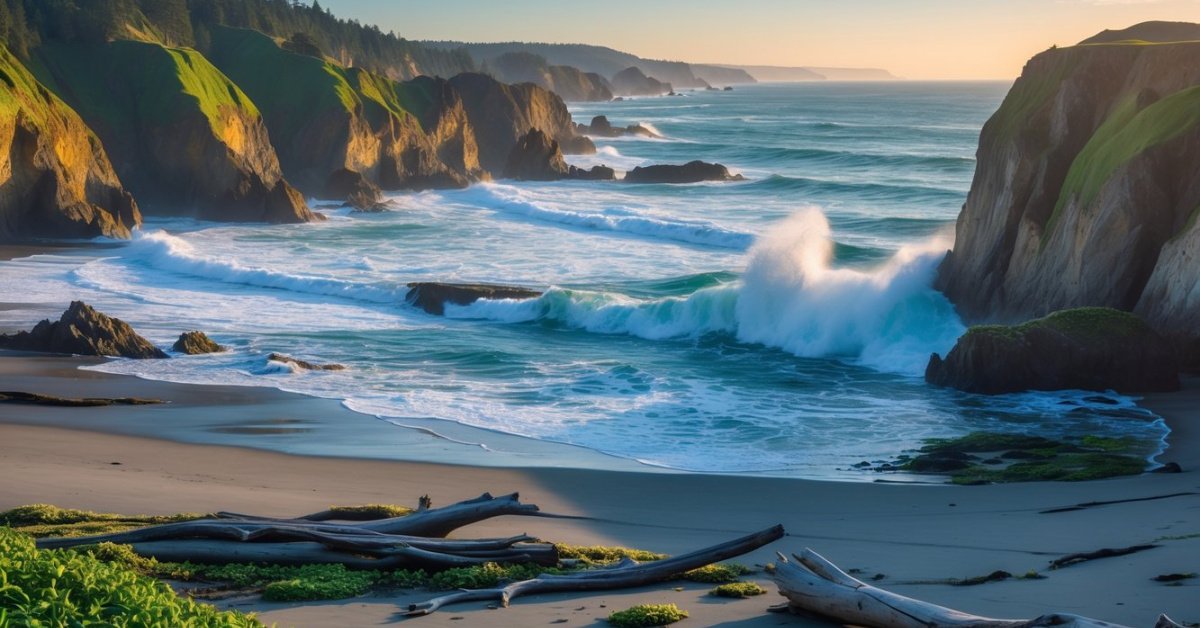
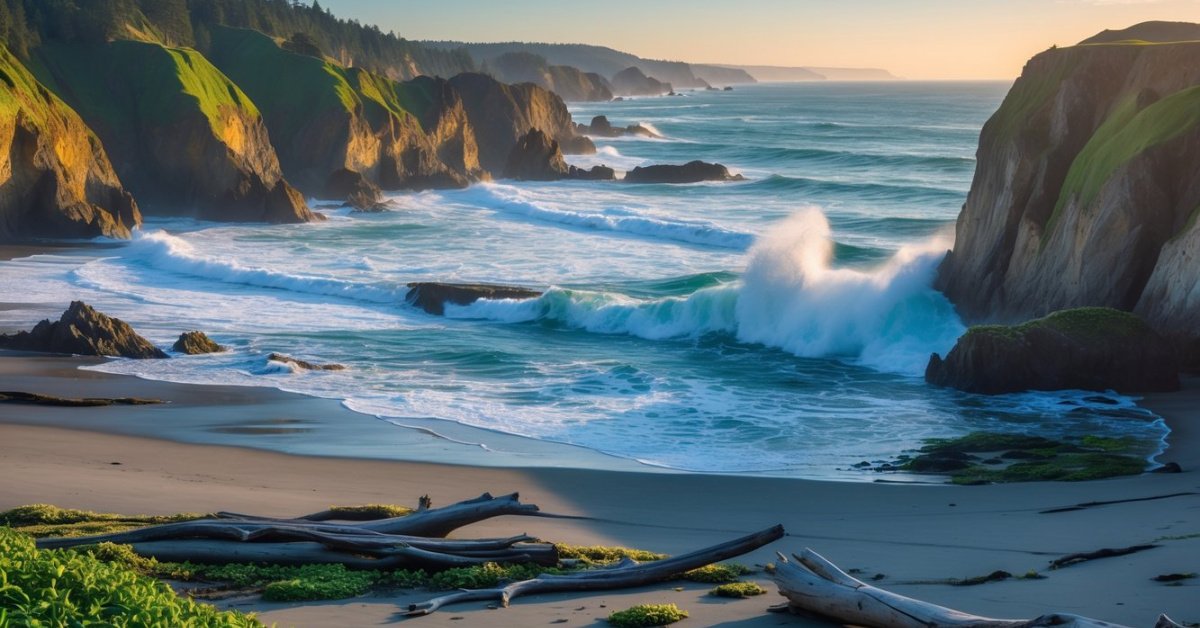
Coastal yurt camping in Oregon blends the sounds of the Pacific, salty breezes, and scenic trails with the comfort of sturdy shelters. I’ve visited dozens of sites along the coast, discovering options where ocean access and peaceful woods meet.
Top Yurt Sites Along the Coast
- Beverly Beach State Park
Beverly Beach places its yurts within walking distance of miles of shore, thick groves of sitka spruce, and tide pools teeming with crabs and anemones. The yurts here stay popular from spring through fall, especially on weekends.
- Fort Stevens State Park
Fort Stevens yurts sit near paved trails, freshwater lakes, and the Peter Iredale shipwreck. Summer dates fill fast due to proximity to both beachcombing and historic military sites.
- Cape Lookout State Park
Cape Lookout’s forested yurts face sand dunes and dramatic headlands. I always find easy access to the Cape Trail, which offers panoramic Pacific views and gray whale sightings in March and December.
- Nehalem Bay State Park
Nehalem Bay’s yurts cluster near a sheltered bay and a sandspit ideal for kayaking, clamming, and kite flying. Equestrian trails and a bike path round out the activities.
- Sunset Bay State Park
Sunset Bay’s yurts nestle among towering firs and sit steps from protected tide pools and sea cliffs. This spot attracts photographers eager to capture Cape Arago’s sea stacks at sunrise.
Unique Features of Coastal Yurt Camping
- Wildlife Viewing
Deer, bald eagles, osprey, and harbor seals frequent beaches around these sites. Early mornings in May or September, I often spot elk grazing near the dunes.
- Weather Protection
Yurts keep out coastal winds and overnight chill, staying warm even when the weather shifts. I’ve camped here through early spring storms without losing sleep to drafts or leaks.
- Access to Trails and Beaches
Direct trailheads and beach paths connect yurts to hiking, agate hunting, and tidepooling. I step out most mornings onto soft sand or forested trails within minutes.
- Community and Amenities
Most parks offer shared restrooms, showers, and playgrounds near yurt loops, encouraging both privacy and a sense of community among travelers.
| Park Name | Ocean Access | Notable Feature | Peak Season | Yurt Count |
|---|---|---|---|---|
| Beverly Beach | Yes | Tide pools, spruce forests | May-Sep | 21 |
| Fort Stevens | Yes | Shipwreck, lake | June-Aug | 15 |
| Cape Lookout | Yes | Headlands, whale watching | March, Dec | 13 |
| Nehalem Bay | Yes | Bay access, clamming | Year-round | 18 |
| Sunset Bay | Yes | Tide pools, sea stacks | Mar-Oct | 8 |
Forest Yurt Camping Experiences
Forest yurt camping in Oregon immerses me in the quiet beauty of towering trees, mossy trails, and fresh mountain air. I find these sites offer privacy, full shade, and a sense of escape that coastal spots rarely match.
Popular Forest Yurt Locations
- Silver Falls State Park: Here, I sleep among Douglas-fir and hemlock, with direct trail access to the 7.2-mile Trail of Ten Falls. Yurts offer heat, electricity, and covered decks.
- LaPine State Park: In Central Oregon’s lodgepole pine forests, my yurt sits near the Deschutes River and the famous Big Tree. Winter stays come with heated interiors and peak season fishing steps away.
- South Beach State Park: While better known for ocean access, the southern forested loops keep yurts tucked in cool, shaded groves, away from wind and traffic.
- Umpqua Lighthouse State Park: My go-to for lakeside serenity, these yurts nestle in coastal old-growth forests close to Lake Marie and sit minutes from the Oregon Dunes.
Advantages of Camping in Oregon’s Forests
- Seclusion: I notice far fewer crowds and more privacy in forest yurts, especially at midweek or off-season.
- Climate Protection: Thick tree canopies and sturdy yurt walls keep me dry and cool, regardless of rain or summer heat. Summer temperatures in Cascade forests average 65-75°F (Oregon Climate Service data).
- Wildlife Encounters: Forest sites let me spot blacktail deer, western gray squirrels, and pileated woodpeckers, especially near dawn.
- Hiking Access: Vast trail networks, like those weaving through Silver Falls or LaPine, connect directly to each site—making it easy for me to start long walks right from my door.
- Amenities: Most state park forest yurts I visit include queen beds, bunks, lighting, heaters, and lockable doors—ensuring year-round comfort.
| Park Name | Region | Key Features | Nightly Yurt Rate (USD) |
|---|---|---|---|
| Silver Falls State Park | Cascade Foothills | Waterfalls, trail loops | 57-64 |
| LaPine State Park | Central Oregon | River access, fishing | 47-59 |
| Umpqua Lighthouse State Park | South Coast | Old-growth, dunes, lakes | 56-62 |
Key Tips for Planning Your Yurt Camping Trip
I’ve spent years exploring Oregon’s coast and forests, so I’ve picked up a few important tricks for making the most out of a yurt camping trip here. Smart planning helps every trip go smoother and makes discovering Oregon’s wild corners a lot more fun.
What to Pack for Yurt Camping
Packing well sets up a relaxing yurt stay in Oregon. Even though yurts have beds and heaters, I always bring these essentials:
- Bedding: Sleeping bags or sheets and blankets—yurt mattresses come bare, so I bring my own for softness and warmth.
- Lighting: Lanterns or headlamps—yurts usually have overhead lights, but I prefer extra lamps for night walks or reading.
- Cooking Supplies: Portable stove, pans, utensils, and marshmallow-roasting sticks—Oregon park yurts usually offer no indoor kitchens.
- Food Storage: Coolers and animal-proof containers—I never leave food out since coastal and forest critters love a free snack.
- Layered Clothing: Rain jackets, warm hats, and sturdy boots—even in July, Oregon’s weather flips fast, especially by the coast or deep in the forest.
- Recreation Gear: Bikes, hiking shoes, binoculars, or tide pool gear—each park offers its own unique outdoor activities.
Reservation and Permit Information
In Oregon, reserving yurts early matters, since demand spikes for summer weekends and holidays. I always book on the Oregon State Parks website (oregonstateparks.reserveamerica.com) as early as nine months ahead. Most popular spots—like Cape Lookout or Silver Falls—fill up, especially for oceanfront or river-adjacent yurts.
Park passes aren’t always required for overnight camping, but some areas, like day-use trailheads or coastal viewpoints, might ask for a $5 vehicle pass. I check specific park sites before heading out. For those planning to visit several sites, I recommend getting an Oregon State Parks Annual Pass—it covers parking fees at dozens of locations.
Group size limits, dog policies, and fire restrictions vary—when I travel with friends or pets, I always check a yurt’s rules ahead of time. If campfire bans are in effect (common in late summer), I pack a propane stove instead of planning for s’mores by the fire.
Comparing Coastal and Forest Yurt Options
Yurt camping options along Oregon’s coast and in its forests come with distinct vibes, landscapes, and wildlife experiences. I’ve stayed in both, and each offers its own flavor of adventure, depending on what you’re hoping to discover.
Location Atmosphere
Coastal yurts put you right by the Pacific. I hear the ocean every night, even with the canvas zipped tight. Days start with salty air and usually end with sunsets over the water. Parks like Beverly Beach and Cape Lookout anchor these oceanfront escapes.
Forest yurts immerse me in Oregon’s towering trees. The air here smells earthy and fresh, and mornings usually bring birdsong or the sound of nearby creeks. Places like Silver Falls and LaPine offer trails right outside the door, disappearing under thick, mossy canopies.
Weather and Shelter
Coastal weather often changes fast. Storms roll in even during the summer, and wind hits hard. Yurts block the worst of the elements but pack for cool temps and damp mornings. Winter storms sometimes knock out coastal power, though that’s rare.
Forests tend toward cooler temps at night and more shelter from wind. I find the tree cover shields from rain and sun alike. Summer days in the forest often feel warmer since wind isn’t a factor, but it cools off quickly when the sun drops.
Wildlife and Activities
Coastal yurt areas attract seabirds, harbor seals, and, at the right times, migrating whales. Trails take me to tide pools and dunes, with easy beach access for kite flying or agate hunting.
Forest yurts welcome deer, owls, and sometimes river otters. Here I hike, mountain bike, or kayak in lakes and rivers just minutes from the campsite. Stargazing is usually clearer in the woods, with less haze from the sea mist.
Accessibility and Amenities
Both coastal and forest yurts feature basics: beds, heating, and electricity. Coastal yurts tend to cluster closer together, with playgrounds or communal fire pits nearby. Forest sites are usually tucked apart, offering more solitude but sometimes a longer walk to bathrooms or water.
Cost and Availability
Rates for both types generally fit the $47–$64 per night range (Oregon State Parks, 2024). Coastal sites like Nehalem Bay fill up fast in summer and spring breaks; forest sites give me better chances at last-minute reservations, especially mid-week.
| Feature | Coastal Yurts | Forest Yurts |
|---|---|---|
| Typical Parks | Beverly Beach, Cape Lookout | Silver Falls, LaPine |
| Ambience | Ocean, sandy trails, salty air | Dense trees, mossy ground |
| Common Wildlife | Seabirds, whales, seals | Deer, owls, otters |
| Activities | Tide pools, beach walks | Hiking, mountain biking |
| Shelter Factors | Strong winds, salt spray | Cooler nights, sheltered |
| Solitude Level | Moderate, family-friendly | Quiet, spread out |
| Booking Demand | High spring/summer, weekends | Moderate, more weekday opens |
I find choosing between coastal and forest yurts just depends on the adventure I’m planning and the Oregon scenery I want to wake up to.
Conclusion
Whether I’m craving the salty breeze of the Pacific or the quiet hush of old-growth forests yurt camping in Oregon always delivers a memorable escape. There’s something special about waking up surrounded by nature without sacrificing comfort or convenience.
I love how easy it is to tailor each trip to my mood or the season. With so many yurt options and beautiful locations to choose from I always find a spot that feels just right. Oregon’s yurts make it easy for anyone to enjoy the outdoors in style.