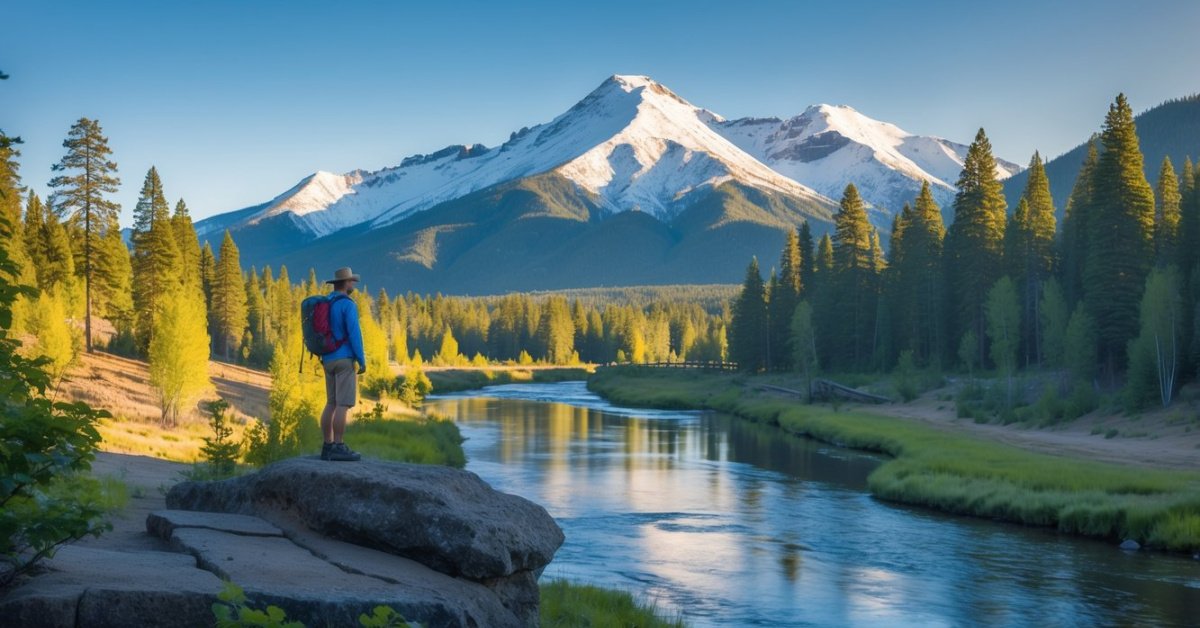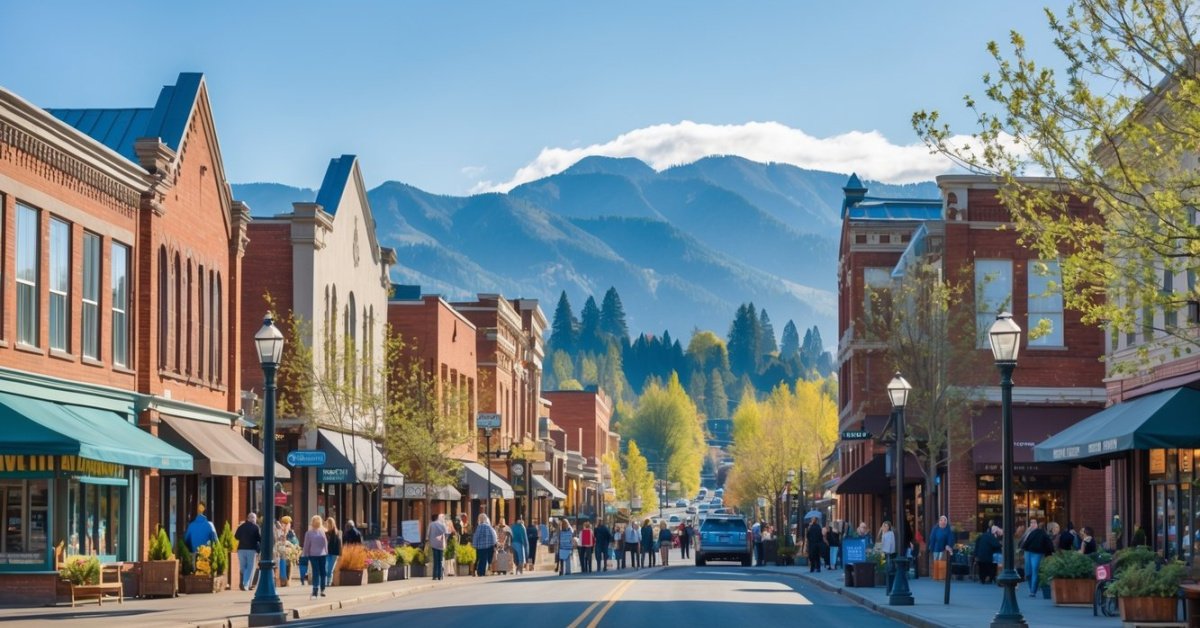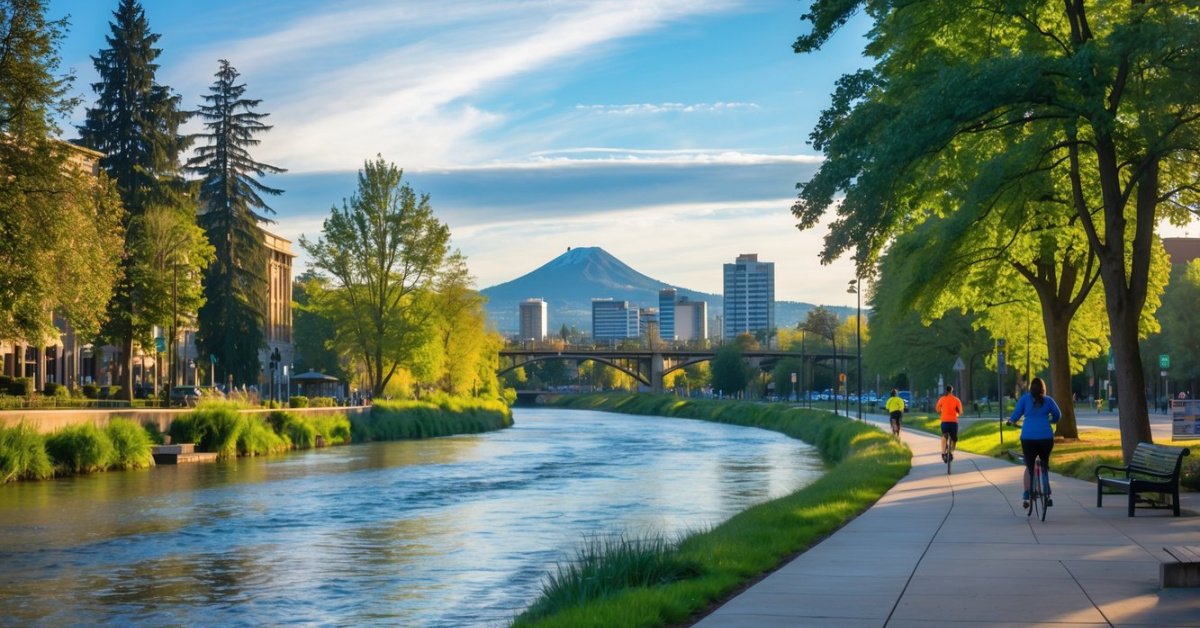
Whenever I think of Roseburg I picture rolling hills and the gentle flow of the Umpqua River winding through the heart of Oregon. There’s something about this place that makes me want to slow down and soak in every moment. The river isn’t just a scenic backdrop—it’s the pulse of the community and a haven for anyone who loves the outdoors.
But what really draws me in are the vineyards that stretch across the landscape. Roseburg’s wineries have a charm all their own and each glass tells a story of the land and the people who work it. Whether I’m exploring a new tasting room or just enjoying the view with friends I always feel at home in this little slice of Oregon.
Exploring Roseburg: Umpqua River and Wineries
I explore Roseburg by following the curves of the Umpqua River as it winds through Douglas County, Oregon. River views shift with every season—fog rising from the water in early morning, sunlight glittering across gentle currents in July, salmon moving upstream each fall. Locals gather along the banks for fishing, kayaking, and quiet walks. The Umpqua shapes daily life and connects neighborhoods, parks, and historic landmarks—each spot revealing a piece of Roseburg’s story.
I spend weekends at family-owned wineries scattered across the Umpqua Valley. Vineyards line the green hillsides—places like Abacela, HillCrest, and Reustle-Prayer Rock blend innovation with tradition in every vintage. Winemakers pour small-lot Tempranillo, Pinot Noir, and vibrant whites, often sharing how the valley’s climate shapes the grapes. Tasting rooms feel relaxed and welcoming, with owners and locals ready to swap stories or suggest new labels to try. Live music nights and food trucks turn evenings at the wineries into community gatherings.
I find the connection between the Umpqua River and area wineries everywhere—in irrigation channels carved from riverside streams, in tasting flights that feature the region’s unique terroir, and in events like the Greatest of the Grape festival that bring river, wine, and people together. Every time I explore this corner of Oregon, I see fresh details that draw me deeper into Roseburg’s landscape and culture.
Discovering the Umpqua River
I find that the Umpqua River shapes daily life and adventure throughout Roseburg. With clear water and winding banks, this river remains a constant presence for both locals and visitors seeking authentic Oregon experiences year-round.
Outdoor Activities Along the Umpqua River
Fishing dominates weekends along the Umpqua River, with anglers pulling in steelhead and chinook throughout much of the year. Kayakers and rafters navigate Class I and II stretches between Winchester and Scottsburg. Hikers follow the North Umpqua Trail, which runs over 70 miles and offers direct river views with stops near Tioga Bridge and Susan Creek Falls. Picnic sites at Stewart Park and Amacher Park provide easy river access and shaded grounds for families. Local outfitters run guided fishing trips, while Oregon’s Water Trail program marks safe launch points and campsites for paddlers.
Scenic Spots and Wildlife
I always spot herons and ospreys hunting for fish near the arching spans of the Umpqua River Bridge. Spring and fall bring migrating salmon runs visible from Riverside Park and Rock Creek Hatchery. Douglas County’s Colliding Rivers viewpoint features two rivers meeting at right angles—a rare geological feature. Deer, otters, and even an occasional bald eagle show up near remote bends west of Roseburg. By late summer, wildflowers line the banks around Singing Springs and upriver bluffs, making sunrise walks and photography popular for both locals and visitors.
Roseburg’s Winery Scene
Roseburg’s vineyards create some of Oregon’s most distinctive wines. I’ve spent years exploring these family-owned estates, and every visit gives me new appreciation for Umpqua Valley’s wine community.
Notable Wineries to Visit
Each Roseburg winery offers its own personality shaped by the land and the people behind each label.
- Abacela: I always stop here for their pioneering Tempranillo, which consistently wins awards and spotlights the valley’s Spanish varietals.
- HillCrest Vineyard: Oregon’s oldest estate winery sits just outside town, known for producing the state’s first Pinot Noir. HillCrest’s rustic tasting room and organic practices set it apart from larger producers.
- Melrose Vineyards: Riverfront property frames Melrose’s tasting patio, where I enjoy Syrah and Baco Noir while watching eagles along the South Umpqua.
- Reustle-Prayer Rock Vineyards: Underground wine caves and Alsatian-style whites make this a favorite for those looking for unique tasting experiences. The Grüner Veltliner stands out for its crispness.
- Paul O’Brien Winery: Located downtown, this urban winery produces robust Cabernet Franc and elegant Chardonnay, drawing travelers and locals alike.
Wine Tasting Experiences
Tasting experiences in Roseburg’s wine scene reflect both hospitality and the region’s diversity.
- Guided tastings let me learn about vintage and terroir directly from winemakers, who often stop by the tables to answer questions.
- Food pairings at many wineries feature local cheese, charcuterie, honey, and seasonal fruit, highlighting flavors unique to Douglas County.
- Group events, like the annual Greatest of the Grape festival and winemaker dinners, foster a convivial atmosphere where everyone feels included.
- Outdoor seating, ranging from vineyard picnic lawns to shaded decks, lets me soak up the landscape while sampling flights. Spring and fall offer the most dramatic views across the rolling hills and riverbanks.
- Private tours at places like Reustle take small groups into cellars and vineyards, offering a personal look at production methods and sustainability in the Umpqua.
Insider details and local recommendations at each stop let me connect more deeply with Roseburg’s vibrant winery scene.
Local Dining and Culinary Pairings
Local restaurants, riverside eateries, and tasting rooms in Roseburg partner with Umpqua Valley wineries, weaving Oregon flavors into every menu. As someone who’s explored Roseburg often, I’ve found that food and wine here reflect the region’s landscape just as much as the Umpqua River.
Restaurants Highlighting Local Wines
Several Roseburg restaurants feature Umpqua Valley bottles on their wine lists. Parrott House, a historic spot near downtown, pours HillCrest Pinot Noir and Abacela Albariño alongside dishes like house-cured charcuterie. True Kitchen + Bar matches Melrose Vineyards Rosé with Dungeness crab salads. Rivers Restaurant sits close to the river, serving Reustle-Prayer Rock Tempranillo with grilled Oregon lamb. Many menus include tasting notes, guiding guests through food and wine pairings sourced from nearby vineyards.
Pairing Umpqua Wines with Regional Cuisine
Umpqua Valley wines offer versatility with Northwest plates. Abacela Tempranillo, structured and spicy, lifts pork tenderloin with rosemary jus. Melrose Baco Noir complements cedar plank salmon, delivering ripe fruit and acidity. Paul O’Brien Viognier works well with wild mushroom risotto or Oregon hazelnut-crusted trout. HillCrest Pinot Noir pairs naturally with beef short ribs or roasted root vegetables. Chefs often recommend single-vineyard wines to showcase seasonal ingredients—local cheeses, foraged mushrooms, or marionberry desserts. Every pairing echoes Roseburg’s connection to land, river, and vine.
Planning Your Roseburg Getaway
I always look forward to heading to Roseburg. Each visit reveals something new about the Umpqua River or local wineries, and planning ahead lets me experience the best of both.
Best Times to Visit
Late spring and early fall give me the ideal balance of mild weather, clear river views, and fewer crowds along popular tasting routes. April to June means wildflowers burst along the Umpqua, with temperatures averaging 65–75°F. September and October bring harvest festivals at vineyards like Melrose and Reustle-Prayer Rock, where local winemakers often host barrel tastings and live music. Winter visits appeal to me for solitude, especially for riverside walks or quiet tastings, but many wineries have shorter hours from December to February.
Tips for Making the Most of Your Trip
Planning my Roseburg trips starts with mapping out a river route that connects parks, trailheads, and wineries. I call ahead to tasting rooms like Abacela or HillCrest to book private tours, since local winemakers often share deeper stories about their land. Bringing a picnic lets me take advantage of outdoor seating at spots like Stewart Park, where I enjoy local wine with river views. I check for food truck pop-ups or seasonal events on the Umpqua Valley Winegrowers website, since these gatherings often feature rare vintages and chef collaborations. If I want to maximize wildlife sightings or catch tailwater light for photography, I start my day early, since most riverside parks open by sunrise.
Conclusion
Every time I find myself wandering along the Umpqua River or relaxing at a local winery I’m reminded of how special Roseburg truly is. There’s something about the way the landscape and community blend together that makes each visit feel both familiar and new.
Whether I’m savoring a glass of Tempranillo or watching the river at sunrise there’s always a sense of discovery waiting around the next bend. Roseburg’s charm lies in these simple moments and I can’t wait for my next adventure here.