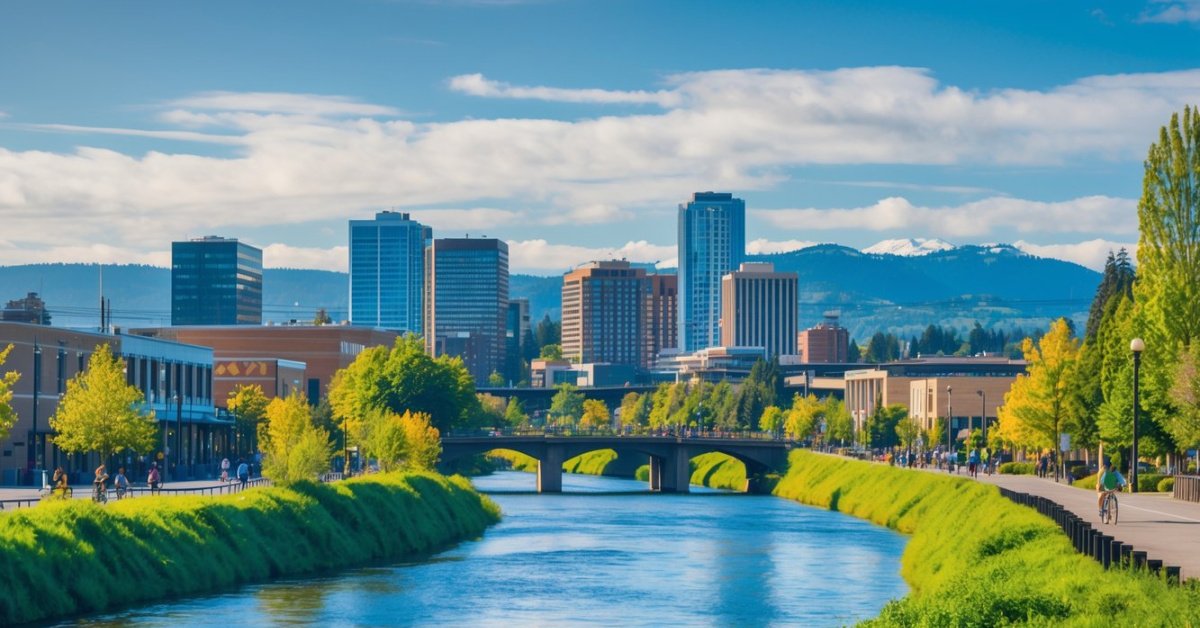
When I first set foot on the University of Oregon campus I felt the energy that comes from a place where ideas and creativity thrive. Nestled in the heart of Eugene the university blends natural beauty with a vibrant academic community. It’s easy to see why so many people fall in love with the tree-lined paths and the iconic green and yellow spirit.
Exploring the University of Oregon means more than just admiring its stunning setting. The campus buzzes with opportunities from top-notch academic programs to innovative research and a lively student life. Whether you’re drawn to the arts, sciences, or something in between, there’s a place for everyone to grow and discover what excites them most.
Overview of the University of Oregon
The University of Oregon sits in the heart of Eugene, with its 295-acre campus lined by stately trees and walking paths that echo the Pacific Northwest’s signature green spaces. I’ve walked through Autzen Stadium on game days, felt the wild spirit of Hayward Field during track meets, and seen the daily energy around bustling academic quads—all unique markers of campus life here.
Established in 1876, the university enrolls about 23,000 students drawn from all 50 states and 100+ countries. Most majors—including journalism, architecture, environmental studies, and business—anchor national recognition, with the School of Journalism and Communication consistently ranking among the nation’s top ten (source: U.S. News & World Report, 2023).
Research centers dot the campus, like the Phil and Penny Knight Campus for Accelerating Scientific Impact and the Oregon Institute of Marine Biology, showing Oregon’s deep ties to Pacific Coast stewardship and innovation. Living in Oregon, I’ve noticed that Duck pride goes beyond sports; the academic culture here inspires leadership and collaboration, making it a driver of regional progress. The university’s vibrant scene—live concerts, art shows, speaker series—blends with Eugene’s outdoor culture, so every day brings something new for Ducks on and off campus.
Exploring the Campus
University of Oregon’s campus blends classic Northwest scenery with modern facilities. Everywhere I walk here, I notice how the setting reflects both the region and the university’s rich traditions.
Notable Landmarks and Architecture
Deady Hall stands as the oldest building on campus, completed in 1876 and listed on the National Register of Historic Places. Knight Library draws me in with its art deco design and vast collections, serving as an academic and social hub. Hayward Field, world-renowned for track and field, hosts international meets and Duck pride is always visible around its updated grandstands. The EMU (Erb Memorial Union) pulses with student activity, housing art installations, dining spots, and event spaces that illustrate campus diversity. I always admire how the tree-lined Memorial Quad connects classrooms with outdoor study areas, featuring public sculptures and seasonal flower beds.
Student Life and Residential Options
Residence halls like Unthank Hall, Global Scholars Hall, and Carson Hall offer a range of living experiences, often organizing themed floors for academic or cultural interests. Living-Learning Communities let students, including many I’ve met, pair their residential and academic interests, from the Honors College to sustainability. Campus dining options include popular spots in the EMU and food trucks near the science complex, fueling late-night study sessions and lunchtime meetups. Student life centers on clubs, intramural sports, and art exhibits, creating engagement both inside and outside the classroom. Paths between dorms, bike racks, and the outdoor amphitheater stay busy every season, showing the mix of activity and relaxation I see every day.
Academic Programs and Offerings
Academic programs at the University of Oregon shape much of the energy I see on campus daily. Nearly every department here pulls together students from all over Oregon and well beyond, which really amplifies campus creativity.
Undergraduate Programs
Undergraduate majors at the University of Oregon cover 300+ fields, from environmental studies and biology to digital arts and product design. Science-focused students often gravitate toward the College of Arts and Sciences, while those interested in media and writing target the School of Journalism and Communication, which regularly earns top marks nationally. Specialized tracks, like the Clark Honors College, bring smaller class sizes and deeper research opportunities. Many undergraduates pair majors with certificate programs in areas such as sustainability or entrepreneurship, adding flexibility to their degrees.
Graduate and Professional Degrees
Graduate offerings at the University of Oregon include over 90 masters, doctoral, and professional programs. The School of Law and the College of Education see applicants from across the Pacific Northwest, especially for specialties like environmental law and special education. The Lundquist College of Business hosts an MBA program emphasizing sports marketing, uniquely leveraging Oregon’s connection to major athletic brands. I see graduate students actively contributing to research centers, such as the Oregon Institute of Marine Biology and the Center for High Energy Physics, which means hands-on experience is often part of academic life here.
Research and Innovation
Research shapes my experience at the University of Oregon, fueling curiosity and discovery across campus. Innovation links every discipline, from environmental science to digital arts, with faculty and students collaborating daily.
Research Facilities and Centers
Research facilities at the University of Oregon anchor the campus’s academic reputation. The Knight Campus for Accelerating Scientific Impact, opened in 2020, connects scientists, engineers, and entrepreneurs to move discoveries from the lab to the real world. The Oregon Institute of Marine Biology in Charleston supports aquatic ecosystem research along the southern Oregon coast. I often hear about the Institute of Neuroscience and its work in brain development and function, while the Center for Environmental Futures studies climate adaptation and sustainability issues key to life in Oregon.
Research centers here foster cross-disciplinary projects. Popular hubs like the Pine Mountain Observatory offer stargazing and cosmology research, while the Oregon Center for Optical Molecular and Quantum Science leads quantum computing studies. Real-world partnerships drive many projects, including local collaborations on timber sustainability and river health. These centers draw graduate and undergraduate students into hands-on research from the start, which energizes classroom learning and builds practical skills for any field.
Campus Resources and Support Services
Academic support centers keep students moving forward at the University of Oregon. I’ve spent time in Knight Library’s tutoring spaces, where subject specialists help with everything from chemistry to history. For writing help, the Writing Lab in Tykeson Hall has consultants who review essays and provide feedback in real time.
Health and wellness services anchor campus life. The University Health Center on 13th Avenue runs medical appointments, vaccination clinics, and mental health counseling. I’ve used the Duck Nest wellness center to join stress management workshops and pick up healthy snacks.
Career Services in Hendricks Hall connect students with internships across Oregon and beyond. Career counseling sessions here offer resume reviews, job search strategies, and interview practice rooms. I meet recruiters at the on-campus career fairs held every term.
Technology support keeps students connected. I’ve accessed computer labs in Straub Hall and used the Tech Support Bar in the EMU for quick repairs and software updates. Wi-Fi runs strong everywhere, from the Science Complex to the Rec Center.
Student legal services on campus provide confidential help with housing contracts, landlord issues, and basic legal advice. The office in the EMU has saved me time more than once when navigating rental agreements in Eugene.
Accessible Education Center ensures accommodations for all. Staff here coordinate note-taking, exam adjustments, and adaptive technology for students with disabilities. I’ve seen these resources remove barriers and create a more inclusive academic experience.
Food security initiatives matter at Oregon. The Student Food Pantry on 15th Avenue distributes groceries weekly, while Ducks Feeding Ducks gives meal assistance for those in need. I’ve watched these programs grow with more volunteers each term.
Campus safety is always a priority. UOPD patrols operate 24/7, with blue emergency phones posted across walkways and the LiveSafe app adding an extra security layer. I walk the campus paths at all hours and know these services keep the community secure.
Community engagement resources connect Ducks to Eugene. The Holden Center for Leadership and Community Engagement runs service projects and skill-building workshops, giving everyone a chance to contribute locally. I’ve joined habitat restoration days and city cleanups, making an impact alongside other students.
Conclusion
My time exploring the University of Oregon left me feeling inspired and energized by everything this campus has to offer. Whether you’re drawn to its academic strengths or the lively student scene there’s a sense of belonging here that I haven’t found anywhere else.
If you’re searching for a place where curiosity and creativity thrive you’ll find your people and your purpose in Eugene. I can’t wait to see what the next chapter brings for those who choose to call this campus home.