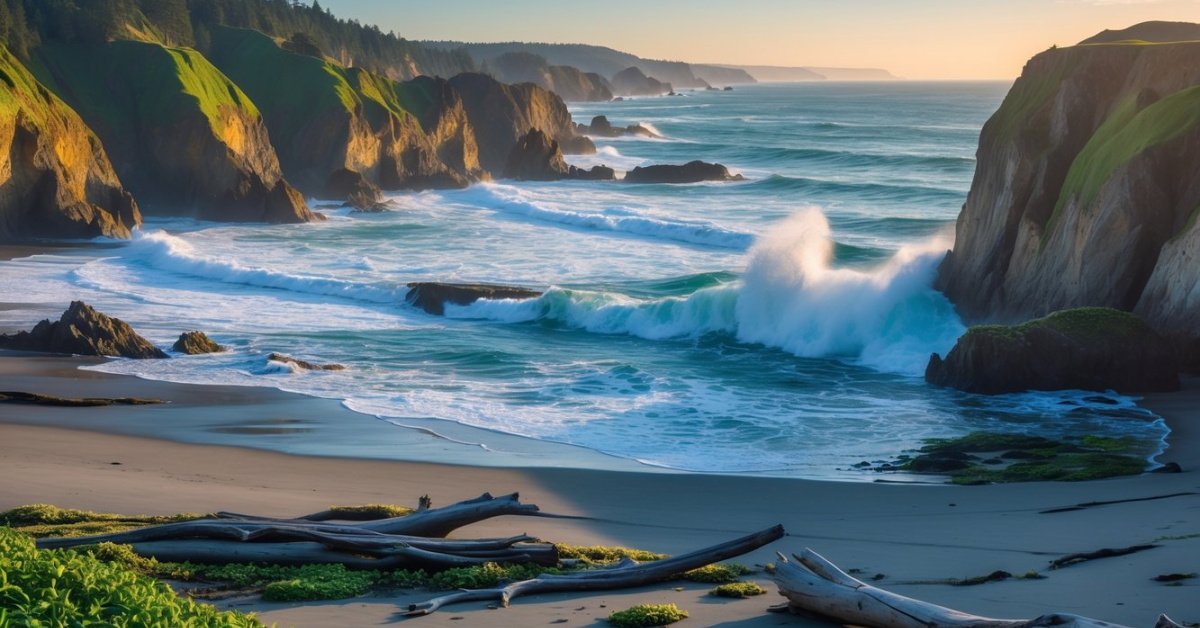
There’s nothing quite like the thrill of salmon fishing in Oregon. Every cast holds the promise of a big catch and the state’s wild rivers and scenic coastline set the perfect backdrop for an unforgettable adventure. Whether I’m standing knee-deep in a rushing stream or watching the sunrise from a boat, I can’t help but feel connected to Oregon’s rich fishing heritage.
I’ve always loved exploring new fishing spots and discovering the best times to reel in a trophy salmon. With so many rivers lakes and coastal waters to choose from it can feel overwhelming at first. But once you know where to go and when to drop your line you’ll find that Oregon offers some of the best salmon fishing experiences anywhere.
Overview of Salmon Fishing in Oregon
Salmon fishing in Oregon means entering a part of the Pacific Northwest known for massive river systems and wild coastline. I focus my time on both the Columbia River and the Rogue River since these waters offer the state’s best salmon runs. These rivers attract anglers for spring Chinook, fall Chinook, and coho salmon—main species showing up every year.
Seasons open at different times based on river rules and salmon runs. Spring Chinook start in March on the Willamette, and I see the action shift to the Columbia by late March into April. Coho return later, most notably starting in late summer. On the coast, September brings the big fall Chinook, and rivers like the Nehalem, Siletz, and Umpqua become prime destinations.
Oregon’s fish-and-wildlife regulations require paying close attention to closures and bag limits, which change yearly and sometimes weekly. I check odfw.com for weekly updates since water conditions, fish counts, and weather drive changes. Popular spots can get crowded—especially below dams and at coastal estuaries—but early mornings and weeknights usually offer more room.
Tackle and fishing methods vary. On rivers, I troll herring or spinners for Chinook. In tidewater, plug-cut herring or casting spinners proves consistent for coho. Boats give an advantage on big rivers, but shore fishing remains popular at places like Bonneville Dam and Elk River Hatchery. I always carry both bank and boat gear because weather or river flow can change my approach quickly.
Local communities from Astoria to Gold Beach celebrate their fishing heritage, hosting seasonal events and sharing river updates. I tap into local bait shops and river guides for up-to-date tips since conditions turn on a dime. Experience shapes every trip, but first-time visitors catch fish too, especially with real-time info and flexible plans.
Best Regions for Salmon Fishing
Living in Oregon my whole life, I’ve fished every corner and found a handful of rivers and bays that stand out for salmon action. These regions consistently produce strong runs, reliable bites and good access for both beginners and seasoned anglers.
Columbia River
The Columbia River supports some of Oregon’s largest salmon runs each year. Spring Chinook typically peak March through May, while fall Chinook and coho follow in August and September. I access top spots between Astoria and Bonneville Dam, where I see heavy boat traffic during peak runs. Tributaries like the Sandy and Lewis Rivers also hold salmon, attracting local crowds with easier bank access.
Willamette River
The Willamette River connects with the Columbia, bringing spring Chinook upriver as early as February. I spend many hours targeting the stretch from Portland to Oregon City, especially around Meldrum Bar and the Clackamette Park area. In high water, the lower river produces strong bites, while the Santiam and McKenzie tributaries give quieter options with surprising yields.
Rogue River
The Rogue River in southern Oregon draws me back year after year for its consistent spring and fall Chinook runs. I focus on the area from Gold Beach to Grants Pass, where boat and bank fishers both see success. Early mornings on the lower Rogue can produce big fish during peak season, with Gold Ray and Agness among the most reliable access points.
Coastal Streams and Bays
Oregon’s coastal streams and bays offer less-crowded alternatives and the chance for trophy fish. I regularly fish Tillamook Bay, Nehalem Bay and the Elk and Sixes Rivers, where tidewater areas produce fall Chinook starting late August. Each bay has unique conditions and best spots shift with tides, so I check local reports for up-to-date advice before heading out. Small coastal rivers like the Siletz and Nestucca also hold popular fall runs, especially after the first autumn rains.
Prime Seasons for Salmon Fishing
Most Oregon salmon runs happen in distinct windows, and I always track these cycles to time my fishing trips. My experience across the state’s prime waters lets me share when local anglers catch the most Chinook and coho each year.
Spring Chinook Season
Spring Chinook fishing peaks from late March through early June in Oregon. Main rivers like the Columbia, Willamette, and Rogue see these early salmon arrive as soon as water temps hit 50°F. I usually fish the Columbia in April when the first push of bright springers show up around Portland. The Willamette offers a solid local run through June, giving urban anglers easy access. Rogue River spring Chinook follow a similar pattern, with reliable fishing stretching into June around Gold Beach and upstream.
Summer and Fall Chinook Season
Summer and fall Chinook create Oregon’s biggest salmon runs each year. Most action happens from July through October. Columbia River summer Chinook—locals call them “June Hogs”—arrive first in late June, peaking by mid-July. The real crowd draws happen in late August and September, when fall Chinook fill rivers like the Columbia, Tillamook Bay, and Nehalem Bay. I fish Astoria and the lower Columbia in September for thick-bodied kings as they stage before moving upriver. Rogue River and Umpqua River see their best fall runs in September and October, especially after the first fall rains raise water flows.
Coho Salmon Runs
Coho salmon (silver salmon) migrate in large numbers from late August through November. Most years, coho action starts in the lower Columbia in late August, then builds in tidal bays and tributaries. I fish coastal systems like Siletz, Nestucca, and Yaquina in September and October for aggressive silvers, with the Nehalem and Tillamook producing best after big fall rains. Wild coho fishing is tightly regulated, with hatchery coho open more widely, so I always check the Oregon Department of Fish and Wildlife site before each trip.
Essential Tips for Successful Salmon Fishing
I get asked about salmon fishing essentials all the time. The right prep and knowledge make every Oregon salmon trip more productive and enjoyable.
Necessary Permits and Regulations
I always check Oregon Department of Fish and Wildlife (ODFW) rules before heading out. Every salmon angler in Oregon needs a valid fishing license, plus a Combined Angling Tag and Columbia River Basin Endorsement for rivers like the Columbia and its tributaries, including the Willamette and Sandy. ODFW updates regulations frequently to protect runs, which means daily bag limits, open seasons, and gear restrictions change between rivers, years, and even weeks. For example, barbless hooks are required on the Columbia and select streams during certain salmon seasons. In tidewater and coastal bay areas like Tillamook Bay, zone-specific rules sometimes limit when and where boats or bank anglers can fish for Chinook or coho. I always bring a printed summary of current rules and use the ODFW app for the latest updates.
Recommended Gear and Techniques
The gear I use depends on the river, the run, and whether I’m fishing from a boat or the bank. Most Oregon salmon anglers favor medium-heavy rods (8’6″-10′), 20-30 lb test mainline, and strong, sharp hooks for Chinook, especially in the Columbia. For coho, I downsize tackle slightly, with lighter rods and 12-17 lb test. I always pack selection of spinners (like size 4-5 Blue Fox or Mepps), Kwikfish plugs, and cured salmon eggs, which all produce fish in rivers like the Rogue, Siletz, and Nehalem. On the coast, trolling herring near river mouths during glassy morning tides works for staging Chinook, while bobber-and-egg rigs get bites in smaller tributaries or coastal streams. Local guides recommend scenting baits with anise or shrimp oil, especially as fall rains bring salmon upriver. I switch techniques if clarity or flows change—twitching jigs works after freshets, and backbouncing roe shines in slow water. Most success comes from adapting—staying mobile and keeping an eye on recent ODFW angler reports.
Popular Salmon Fishing Spots and Access Points
Living in Oregon all my life, I’ve found the best salmon fishing spots combine easy access with strong salmon returns. Here are a few tried-and-true favorites for both bank and boat anglers.
- Columbia River: Best Launches and Shorelines
- I launch my boat at the Westport ramp on the Lower Columbia for prime spring and fall Chinook action. Bank anglers gather at Stevenson, WA’s North Bonneville shoreline and Oregon’s Rooster Rock State Park. Trolled herring and spinners dominate near Astoria, while plunkers prefer sandbars around St. Helens and Rainier.
- Willamette River: Urban Access Close to Portland
- Portland’s Cathedral Park and Sellwood Riverfront let me fish spring Chinook without leaving the city. The Meldrum Bar access in Gladstone gives consistent returns for bank anglers using cured eggs or sand shrimp.
- Rogue River: Iconic Southern Oregon Launches
- I fish the lower Rogue near Gold Beach, where the Port of Gold Beach ramp offers direct access. Bank anglers walk the gravel bars near Lobster Creek. Upriver, Grants Pass and Indian Mary Park give great boat and shore options.
- Tillamook Bay: Estuary Fishing and Jetty Access
- I chase Chinook from boat ramps at Garibaldi and Memaloose Point. Jetty anglers access both North and South Jetties for coho in September. Crab Harbor and the Ghost Hole are top trolling zones.
- Nehalem Bay: Tidal and Bay Habitats
- Wheeler and Nehalem City ramps let me boat fish tidewater Chinook and coho. Old Nehalem Highway provides prime bank access during fall rains.
- Alsea and Siletz Rivers: Less Crowded Angling
- I enjoy peaceful sessions from the Drift Creek, Port of Alsea, and Jack Morgan Landing on the Siletz. Both rivers feature multiple pullouts and launch points between Tidewater and the upper reaches.
Every spot I listed has parking, info boards, and restrooms for convenience, making them ideal choices when you want to combine high salmon returns with hassle-free access. I always check ODFW’s interactive maps and conditions before heading out. Each location brings a different atmosphere, from coastal fog to wooded rivers, and knowing these subtle differences helps maximize the salmon experience across Oregon.
Conclusion
Oregon’s salmon fishing scene has given me some of my most memorable days on the water. Whether I’m casting from a quiet riverbank or drifting down a famous stretch of river I always find something new to appreciate about this state’s incredible fisheries.
If you’re ready to chase your own trophy salmon there’s no better place to start than right here in Oregon. Grab your gear check the latest reports and let the adventure begin. Tight lines!