There’s something magical about lacing up my boots and hitting the trails in Oregon. Every time I head out, I’m amazed by the wild beauty waiting around every bend—from misty forests and roaring waterfalls to rugged coastlines and snow-capped peaks. It’s like the state was made for adventure.
Whether I’m searching for a peaceful stroll or a challenging climb, Oregon’s hiking trails never disappoint. The variety here means there’s always a new path to discover and a fresh view to take my breath away. If you’re ready to explore, I’ve rounded up some of the best hikes in Oregon that promise unforgettable experiences.
Why Oregon Is a Hiker’s Paradise
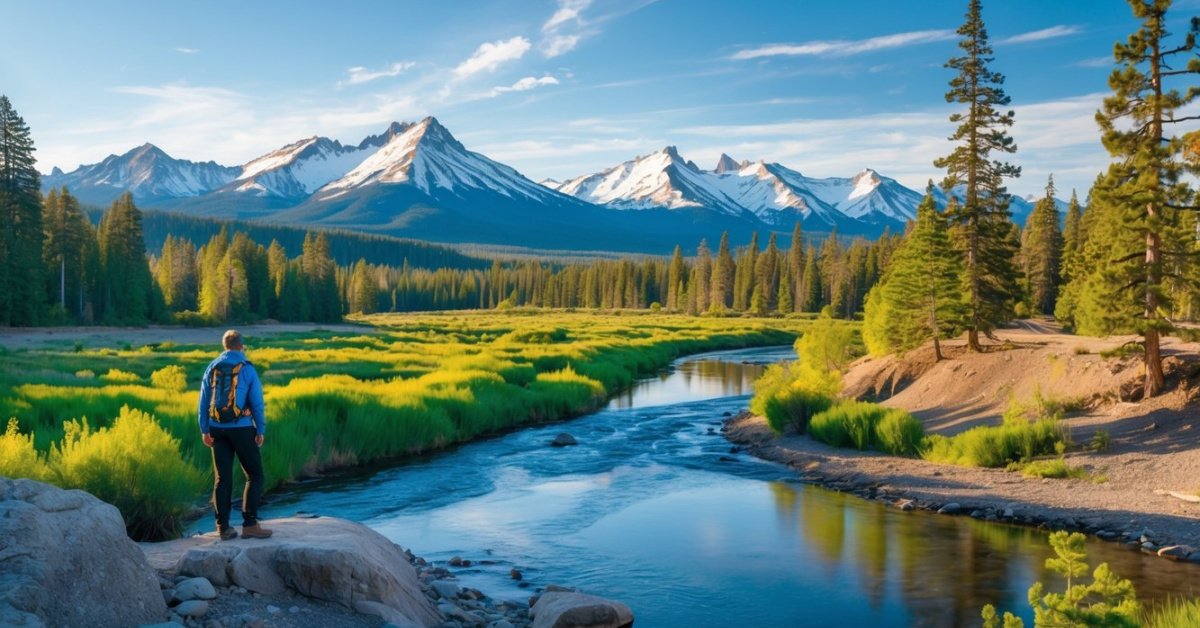
Diversity defines Oregon’s landscapes, with the Cascade Mountains, the Pacific coastline, high desert plateaus, and lush river valleys providing places for every type of hiker. I find 70+ trails within two hours of Portland alone, ranging from old-growth forest loops like Trail of Ten Falls to coastal headlands such as Cape Lookout. Wildflower meadows, volcanic peaks, alpine lakes, and lava fields dot the state and create unique backdrops on every hike.
Accessibility supports Oregon’s hiking scene, with state parks, national forests, and wilderness areas rarely more than a short drive from most towns. I notice trailheads well-marked and parking areas usually maintained, while most major trail systems operate year-round thanks to Oregon’s mild, wet winters west of the Cascades and dryer summers east of the range.
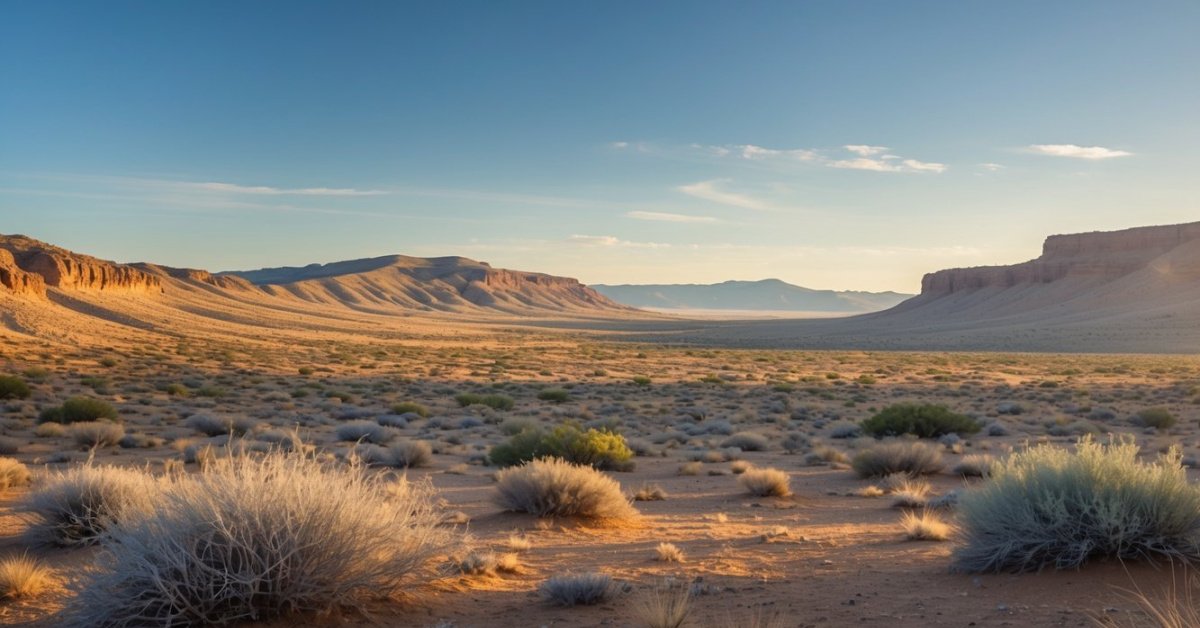
Climate adds to Oregon’s appeal for hikers. Mild temperatures and high precipitation feed green forests and dramatic waterfalls across western Oregon from March to November in most years. Dryer stretches east of the Cascades offer options for spring and fall treks when lowland trails get muddy or crowded. I rarely struggle to find open trails regardless of season.
Wildlife and plant diversity give every Oregon trail something special. My hikes often cross paths with elk herds, migratory birds, or ancient forests filled with Douglas fir, ponderosa pine, and mossy undergrowth. Photographers, botanists, and naturalists constantly explore new ground for rare finds or changing seasonal displays.
Community culture keeps the hiking tradition alive in Oregon. I see countless volunteer-built and maintained trails, friendly encounters at trailheads, and a shared respect for wilderness ethics wherever I go. Local ranger stations and visitor centers provide resources, up-to-date maps, and hiking recommendations for anyone eager to find the state’s hidden gems.
Criteria for Choosing the Best Hikes in Oregon
When I decide which Oregon hikes stand out, I consider specific criteria that matter most to hikers who want a real taste of the state. Locals and visitors alike ask me what makes a trail worth exploring—these factors always guide my recommendations.
- Scenic variety: I look for trails that highlight Oregon’s landscapes, including Cascade mountain views, old-growth forests, wildflower meadows, and dramatic coastline cliffs.
- Trail accessibility: I include hikes with well-marked trailheads, decent parking spaces, and reasonable access from major cities like Portland and Bend.
- Physical challenge: I seek options ranging from easy family walks such as Silver Falls Loop to strenuous climbs like South Sister, covering all skill and fitness levels.
- Wildlife and botany: I rate hikes higher where I spot native animals—elk in the Coast Range, mountain goats in the Wallowas, or migratory birds near Malheur—and see diverse plant life including Douglas fir, Oregon grape, or camas blooms.
- Seasonal highlights: I pay attention to timing for features like peak waterfall flow in spring, vibrant fall leaf colors, or clear alpine lake reflections during summer.
- Trail maintenance and safety: I prioritize trails maintained by local volunteers, the Forest Service, or Oregon State Parks, and where safety signage and updated conditions are available.
- Cultural and historic value: I give extra points to routes with historic relevance, like parts of the Oregon Trail or Native American sites near the Columbia River Gorge.
These criteria help me narrow down hundreds of trail choices to a select group of Oregon hikes that truly showcase the state’s nature, diversity, and welcoming community.
Top Trails in Oregon You Shouldn’t Miss
Living here all my life, I’ve spent years hiking Oregon’s most iconic trails and uncovering favorite local spots. These top routes showcase the landscapes, wildlife, and adventure that define Oregon’s unique hiking scene.
Pacific Crest Trail (Oregon Section)
I find the Oregon stretch of the Pacific Crest Trail spans about 455 miles from Cascade Locks to the California border. This segment runs through Cascade forests, volcanic plateaus, and serene mountain lakes including Timothy Lake and Crater Lake Rim. Trailheads like Santiam Pass and Ashland provide good access. The northbound route’s Mosquito Lakes section bursts with wildflowers in July and August. In my experience, the well-graded trails suit experienced backpackers who want a taste of Oregon’s wilderness on foot.
Columbia River Gorge: Eagle Creek to Punchbowl Falls
Eagle Creek Trail leads through one of Oregon’s most photogenic basalt canyons. This 4-mile round-trip takes me past seven named falls, including Metlako, Loowit, and Punchbowl Falls. The path hugs steep cliffs with steel cables for safety. Ferns, mosses, and bigleaf maples crowd the spray-filled gorge, showing off the real Pacific Northwest. Weekends stay busy from April to October yet weekday mornings keep things peaceful. A Northwest Forest Pass is required for my vehicle at the trailhead.
Mount Hood: Timberline Trail
Timberline Trail circles Mount Hood over 40 miles, but I recommend shorter segments like the 6-mile round-trip from Timberline Lodge to Zigzag Canyon for classic Hood vistas and alpine wildflowers in July. I pass glacial streams that challenge crossings after snowmelt, so late summer brings the best conditions. The route climbs to over 7,300 feet, rewarding me with panoramas of deep valleys and distant volcanoes. Snowfields linger through June and trail signs sometimes shift after spring storms.
Smith Rock State Park: Misery Ridge Trail
Misery Ridge rises 1,000 feet above the Crooked River and brings me sweeping desert views that contrast with lush riverbanks. This 3.7-mile loop feels steep in sections but stays popular for the panoramic lookouts over Smith Rock’s honey-colored cliffs and sharp spires. I spot rock climbers scaling Monkey Face and see prairie falcons overhead in May. Sunrise or winter mornings bring solitude for tackling the switchbacks and photographing the river bends.
Crater Lake: Cleetwood Cove Trail
Cleetwood Cove Trail provides the only legal access down to Crater Lake’s edge. This 2.2-mile round-trip drops 700 feet in under a mile, running through mountain hemlock stands to impossibly blue water. Summer fuel breaks in the shade make the ascent easier. Carefully timed boat tours leave from the dock for exploring Wizard Island. July through mid-September is the short window when I find trails fully open and boat service running at Crater Lake.
Tips for Planning Your Oregon Hiking Adventure
- Check Trail Conditions and Weather
I always check local weather forecasts and trail reports before heading out, since Oregon’s climate can shift quickly—especially in the Cascades and coastal areas. For up-to-date conditions, I use the Oregon Department of Forestry and USDA Forest Service sites.
- Pack for Oregon’s Variable Climate
I bring layers, since a hike starting in sunshine can get misty or chilly fast. I pack a waterproof shell, warm hat, and synthetic layers year-round, plus sunscreen for exposed ridgelines. Oregon’s abundant rain means a dry bag for gear helps too.
- Respect Wilderness Rules and Permits
Many Oregon trails such as those in the Central Cascades require permits from June through mid-September. I purchase permits ahead at Recreation.gov. Always follow Leave No Trace principles and pack out everything, including food waste and wrappers.
- Prepare for Popular Trails and Crowds
Trails like Eagle Creek and Multnomah Falls often see heavy weekend crowds. I plan for early morning starts or weekday visits to avoid packed trailheads and enjoy quieter experiences in Oregon’s most iconic spots.
- Stay Safe in Remote Areas
Many classic Oregon hikes like those in the Wallowas or Kalmiopsis are remote, so I let someone know my route and estimated return time. I keep a paper map and a fully charged phone, as service drops off in many wilderness areas.
- Learn Seasonal Highlights
Wildflowers carpet the Columbia Gorge from April to June and huckleberries ripen in the Cascades by August. I time my trips to match these seasonal changes, since local flora and fauna can transform a favorite hike.
- Visit Local Ranger Stations
I stop by ranger stations for insider tips, current trail conditions, and hidden gems. The rangers always share advice tailored to the area and season, and many spots have local trail maps that don’t appear online.
Conclusion
Every time I set out on a trail in Oregon I’m reminded why I fell in love with hiking here. There’s always something new to discover whether it’s a hidden waterfall or a breathtaking mountain view.
No matter your experience level or interests you’ll find a trail that speaks to you. I hope my experiences and tips inspire you to lace up your boots and see what Oregon’s wild places have to offer.
Happy hiking and maybe I’ll see you out there on the trail!