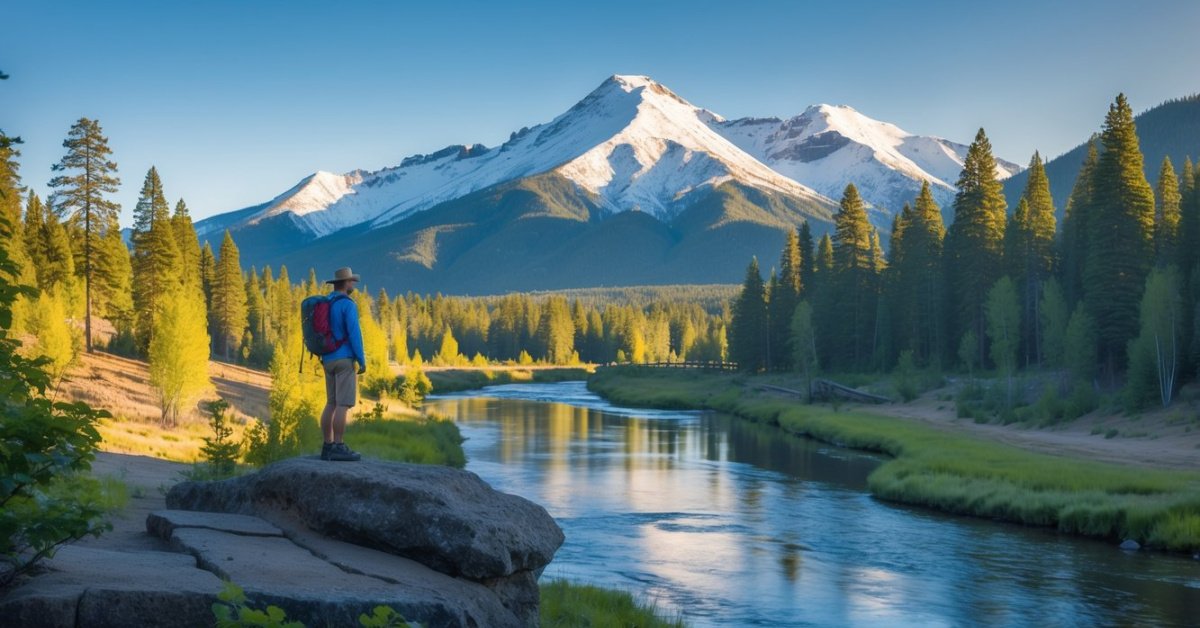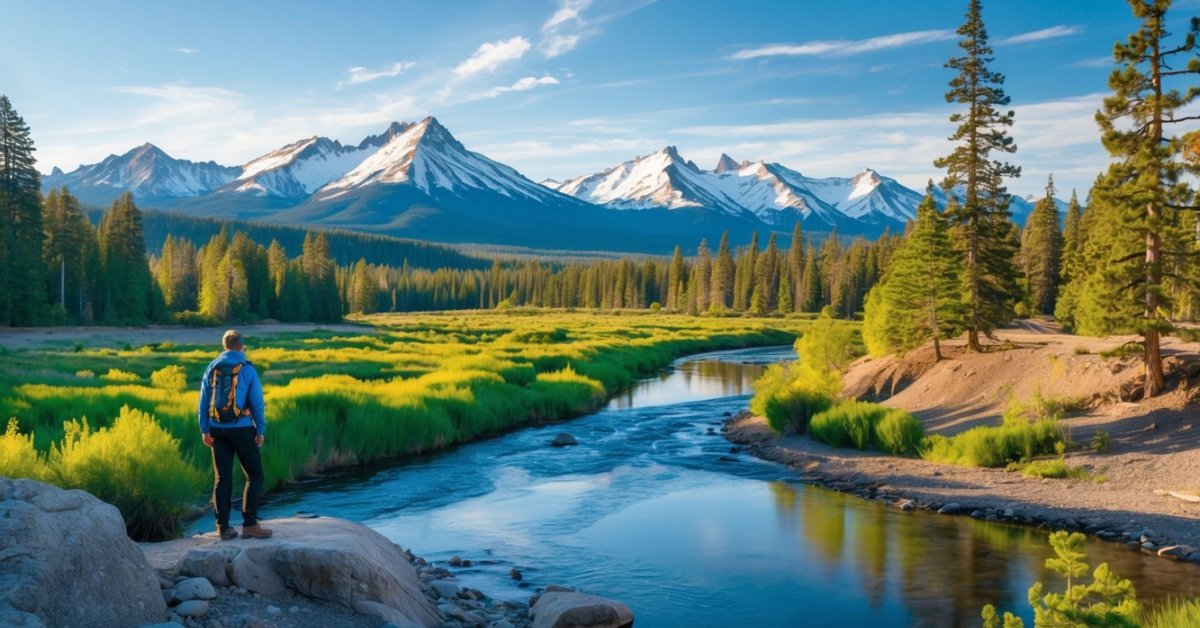
There’s something almost otherworldly about stepping onto the rugged lava fields of Newberry National Volcanic Monument. I remember the first time I saw the blackened landscape stretching out under a bright blue sky—it felt like I’d stumbled into another planet. The sharp contrast between ancient volcanic rock and sparkling lakes instantly pulled me in.
Exploring this monument means discovering a place where fire and water have shaped the land in dramatic ways. Whether I’m hiking across cooled lava flows or relaxing by the shore of a crystal-clear lake, I always feel a sense of adventure here. It’s the kind of spot that keeps calling me back for more.
Overview of Newberry National Volcanic Monument
Newberry National Volcanic Monument sits south of Bend in central Oregon, stretching over 54,000 acres of volcanic landscapes, shimmering lakes, and forested high desert. I find the monument unique among Oregon’s natural areas—lava flows, obsidian fields, and crater lakes all cluster within an ancient caldera that formed during volcanic eruptions thousands of years ago. The monument’s centerpiece, Newberry Volcano, reaches 7,985 feet in elevation at Paulina Peak, offering panoramic views across the entire region.
Visitors encounter varied terrain here. Blackened lava flows sprawl across miles—examples include the Lava Butte cinder cone and the distinct basalt of the Big Obsidian Flow. Both Paulina Lake and East Lake sit within the caldera, their clear waters fed by snowmelt and geothermally heated springs. Trails wind through juniper and ponderosa forests, past lava tubes like Lava River Cave, and up to viewpoints where I often spot eagles and deer. Every season, the landscape shifts—wildflowers blanketing hills in summer, snow transforming crater rims in winter.
The US Forest Service manages Newberry National Volcanic Monument for recreation, science, and preservation. Regulations protect active research sites and fragile habitats, while interpretive centers at Lava Lands and Paulina visitor centers help people understand the area’s geology and volcanic history. In my years exploring Oregon, I’ve rarely found a place richer in both geological story and outdoor experiences than Newberry.
Exploring the Lava Fields
Lava fields in Newberry National Volcanic Monument stretch for miles across central Oregon and show the raw power of the region’s volcanic past. I see the landscape change dramatically with every season and each visit—jagged formations and subtle flows, all shaped by intense eruptions long ago.
Major Lava Flow Sites
Lava Butte stands as one of the most prominent lava field landmarks near the park northern entrance. I reach its summit on a short drive or a tough uphill walk. The view covers 9 square miles of rippled black basalt, rimmed by ponderosa pine. I’ve watched the sun drop behind South Sister from this vantage—each time, the shadows absorb every detail of the cooled lava river.
Big Obsidian Flow stretches across nearly 1 square mile, with shining black glass glittering beneath the high desert sun. I move carefully across the marked trail since the sharp obsidian edges slice shoes and bare fingers. Year-round interpretive signs explain complex phenomena—rapid lava cooling, gas pockets, and glass formation—using simple diagrams and facts.
Lava Cast Forest offers a different kind of marvel. Here, ancient lava molded itself around pine trees, forming hollow stone casts. I peer inside these stone tubes, catching glimpses of wildflowers and chipmunks using them for shelter. Forest restoration efforts stabilize paths, keeping this rare site accessible.
Hiking and Visitor Experience
Trails through the lava fields test shoes, balance, and stamina—I stick with thick soles and layers for swift spring storms. The longer Trail of the Molten Land and Lava Butte Rim Trail offer 2 to 3 miles combined of close-up views, both opening in late spring. Local Oregonians like me often spot new wildflowers each visit—paintbrush, penstemon, and lupine bring color to the black lava from May through July.
Access to interpretive plaques and ranger-led walks allows me to deepen my understanding on each hike. Summer brings more crowds, especially in August and on weekends, yet the farther I walk from parking areas, the quieter the fields get. Dogs stay leashed here to protect pups and wildlife.
I find most trailheads equipped with vault toilets, shaded picnic benches, and maps. Early mornings or late afternoons bring cooler temperatures, brighter crater colors, and less foot traffic. Local tips like bringing extra water, sunglasses, and a walking stick help make the rugged environment more comfortable, especially for those new to hiking on sharp, uneven lava.
Discovering the Lakes
Newberry National Volcanic Monument’s lakes contrast sharply with the neighboring lava. I usually find these blue waters and pine-lined shores are the heart of the monument’s recreation.
East Lake and Paulina Lake Highlights
East Lake and Paulina Lake, both filling the caldera left by Newberry Volcano, sit at 6,340 feet elevation. I notice East Lake draws those searching for quiet, wind-protected coves, while Paulina Lake stays popular for its bigger boat launches and family campgrounds. Both lakes offer expansive views of Paulina Peak, and on clear mornings I’ve watched mist rise from the surface against black lava flows.
East Lake is known for its hot springs; I’ve felt the thermal vents warm the sand beneath my feet along the northern shoreline. Paulina Lake stands out for its depth—about 250 feet—and the iconic Paulina Creek Falls, where cold water tumbles over old lava. In August, I often see kokanee salmon jumping upriver during their annual run, a regular point of excitement for seasoned visitors.
Recreational Activities Around the Lakes
Boating, fishing, hiking, and swimming set the rhythm of daily life around these lakes every summer. I see paddleboarders gliding over East Lake early in the morning before winds pick up, while anglers drop lines for trophy brown trout or kokanee salmon from quiet inlets around both lakes.
Hiking trails circle the caldera rim and dip down through lodgepole pine, with the Paulina Lakeshore Trail providing a continuous 7.5-mile loop. Families gather at designated swim beaches by noon, which stay busiest from mid-June to early September. Kayak rentals are available at resort marinas—useful since high demand often empties racks on crowded weekends.
Wildlife viewing is best at dawn and dusk; I spot eagles and ospreys fishing from exposed logs. Each spring, wildflowers ring the lakeshores with color, drawing repeat visitors to capture the blooms in mid to late June.
| Lake Name | Elevation (ft) | Depth (ft) | Hot Springs | Main Activities |
|---|---|---|---|---|
| East Lake | 6,340 | 180 | Yes | Boating, fishing, springs, SUP, paddling |
| Paulina Lake | 6,340 | 250 | No | Boating, fishing, waterfall hiking |
Lakes in the caldera keep the volcanic legacy alive. I always find something different—shifting weather, migrating birds, or a quiet cove—to remind me why these waters remain an Oregon favorite.
Wildlife and Unique Geology
Every visit to Newberry National Volcanic Monument shows me something new—it’s a place where unique geology shapes diverse habitats, supporting wildlife you won’t spot just anywhere in Oregon.
Flora and Fauna Diversity
Wildflowers, pikas, and ancient trees—each trip reveals these natural wonders across the monument’s forests and fields. In late May and June, I find carpets of lupine, penstemon, and monkeyflower along the lava margins. Old-growth ponderosa pines and western junipers anchor the higher, drier ground, with huckleberries and manzanitas filling shaded undergrowth.
Mule deer and chipmunks dart across the forest’s edge, while ospreys and bald eagles patrol above the lakes. I often hear the high-pitched call of American pikas among the Big Obsidian Flow’s rocks. On warm days near Paulina Lake, western fence lizards warm themselves on sunlit boulders. I spot rare butterflies such as Edith’s checkerspot near meadows and see bats at dusk around the lakeshore.
Geological Features Beyond the Lava Fields
Obsidian flows, cinder cones, and hot springs all reveal Newberry’s volcanic evolution. Big Obsidian Flow, the youngest lava flow in Oregon at just 1,300 years old, stretches like a river of black glass across the caldera floor. Paulina Peak’s summit shows the layered history of eruptions, where welded tuff and pumice fields extend for miles.
Hidden throughout the monument, small maar lakes and explosion pits dot the pumice plain. Hot springs bubble up along East Lake’s shore—these pools, rich in minerals, are direct windows into the still-active geothermal system beneath Newberry Volcano. Deep collapse features like the Lava River Cave offer more than a mile of underground lava tube exploration, with walls lined by dripstone and mineral deposits. Each feature builds a living record of Central Oregon’s volcanic origins.
Practical Information for Visitors
I often get questions from fellow Oregonians and out-of-state explorers about making the most of a trip to Newberry National Volcanic Monument. Knowing when to go and what to expect on the ground can shape your whole experience.
Best Times to Visit
I’ve found late June through September works best for visiting both the lava fields and the lakes. These months bring clear trails, open visitor centers, and the least snow cover, even on Paulina Peak. Mornings in July and August stay cooler, avoiding the afternoon heat that radiates off the volcanic rock. If you come in early October, you’ll probably catch the aspen turning gold along the lakeshore, though nights get cold fast. Winter access remains limited due to snow, with snowshoeing or cross-country skiing popular for locals.
| Month | Trail Access | Visitor Centers | Lake Activities |
|---|---|---|---|
| Late June | Mostly clear | Open | Canoeing, fishing start |
| July-August | Fully open | Open | Peak swimming, boating |
| September | Clear, cool nights | Open | Quiet paddling, hiking |
| October | Partial, some snow | Limited | Fall colors, cold temps |
| Nov-May | Snowbound | Closed | Snowshoe, ski only |
Accessibility and Facilities
Visitor amenities cover the basics but feel rustic. Day-use areas at Paulina and East Lakes include restrooms, picnic tables, boat launches, and large parking lots, which fill fast by noon on summer weekends. Campgrounds let you stay close to the lakes, with showers usually available at Newberry Group Camp and Paulina Lake Campground. A paved path leads partway up Lava Butte, with a shuttle van serving most days in summer if you want to skip the ascent. Wheelchair-accessible restrooms and interpretive exhibits sit at Lava Lands Visitor Center and Paulina Visitor Center. Trail conditions vary—boardwalks and short paved stretches make spots like the Lava River Cave accessible, though loose clinker rock on some lava trails poses a challenge for strollers or mobility devices. Cell service isn’t reliable beyond the visitors centers, so I always bring a printed map.
Conclusion
Every time I visit Newberry National Volcanic Monument I find something new that captures my imagination. The blend of ancient lava flows and sparkling lakes is unlike anywhere else I’ve explored. Whether I’m wandering across sharp obsidian or listening to the wind ripple across the water I always leave feeling inspired and eager to return. If you’re seeking a place that stirs a sense of wonder and adventure this monument never disappoints.