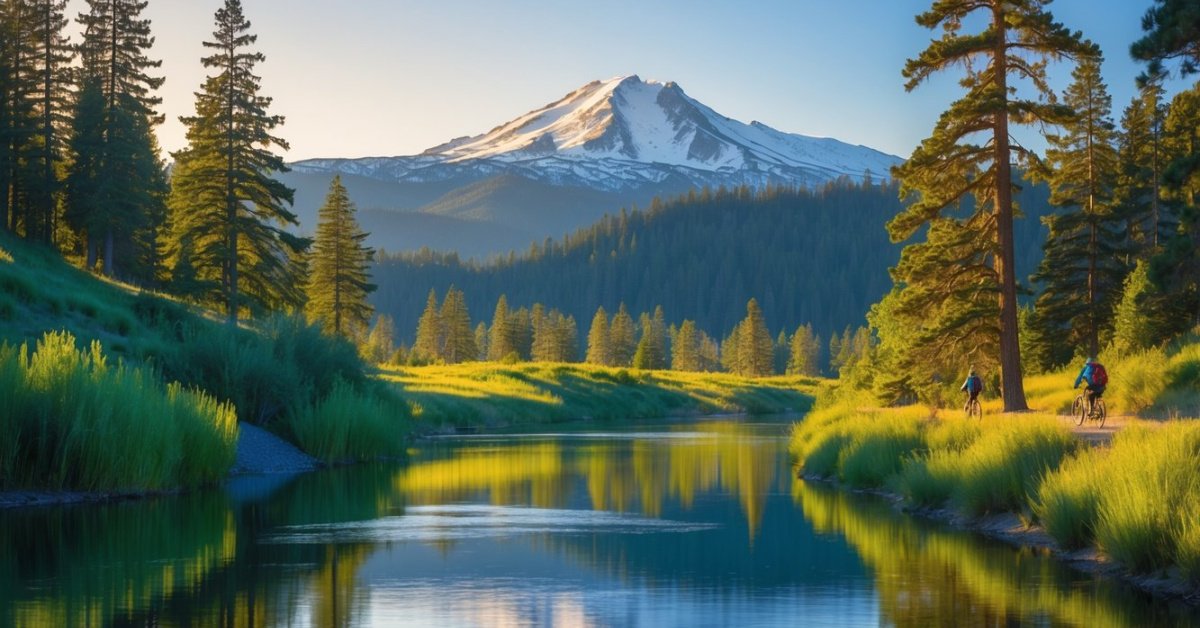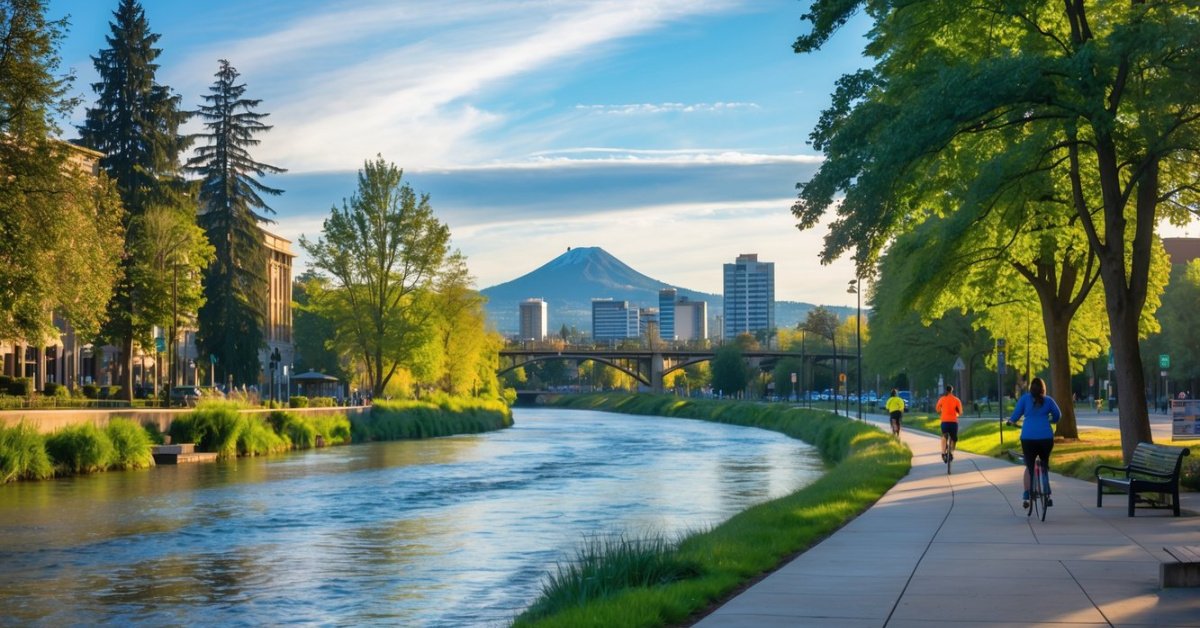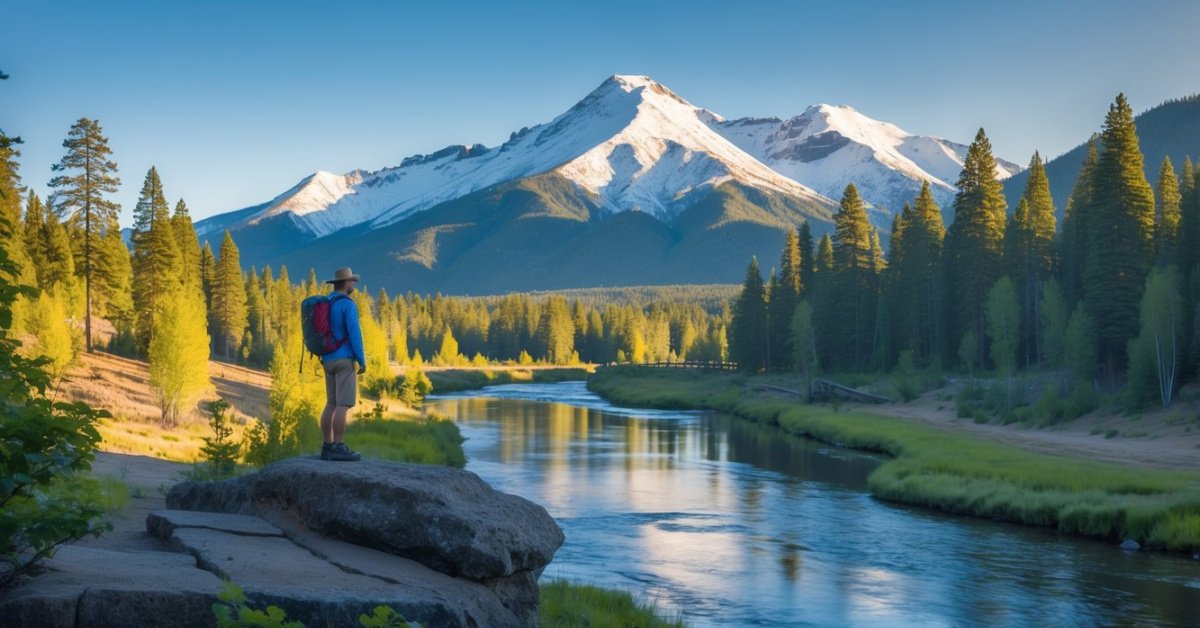
Whenever I need a break from city life I find myself drawn to Forest Park in Portland. It’s one of those rare places where towering trees and winding trails make you forget you’re still within city limits. The scent of damp earth and the sound of birds always seem to hit reset on my mind.
Whether I’m out for a quick morning jog or a long afternoon hike there’s always something new to discover. Forest Park isn’t just a patch of green—it’s a living escape full of hidden streams and peaceful spots that invite you to slow down and breathe. I love how it offers everyone a chance to connect with nature right in Portland’s backyard.
Overview of Forest Park in Portland
Forest Park covers more than 5,200 acres in northwest Portland, making it one of the largest urban forests in the United States. I find more than 80 miles of interconnected trails, including popular ones like the Wildwood Trail, throughout this temperate rainforest. Massive Douglas firs, red alders, and western redcedars form a dense canopy above trails, while trillium, ferns, and Oregon grape fill the understory.
The park borders neighborhoods like Northwest District and Linnton, which lets visitors access dozens of trailheads. Unique landforms like Balch Creek Canyon and Firelane 15 attract hikers year-round. Bike riders, dog walkers, and birders all use the same routes, though segments including Lower Macleay and Newton Road tend to have the most foot traffic.
Decades of conservation efforts by the City of Portland and groups such as the Forest Park Conservancy have preserved habitat for animals like deer, owls, and coyotes. I often point out how this green space provides a retreat within city limits while staying rooted in Portland’s landscape and history.
Hiking Trails in Forest Park
Exploring hiking trails in Forest Park offers direct immersion in native Oregon nature. I’ve walked dozens of these paths, each with its own scenery and character.
Popular Trail Options
Wildwood Trail: Wildwood Trail spans 30.2 miles, crossing the entire park from northwest to southeast. Markers every quarter-mile keep navigation simple. I usually spot trilliums and sword ferns in spring along this route.
Lower Macleay Trail: Lower Macleay Trail starts at NW 29th and Upshur, traveling 5.7 miles one-way to Pittock Mansion. Historic Stone House sits just under a mile from the trailhead, making it a frequent destination for new visitors.
Maple Trail: Maple Trail stretches 7.4 miles through some of the densest forests in Forest Park. Autumn leaf color along Maple Trail stands out for vivid golds and reds.
Leif Erikson Drive: Leif Erikson Drive runs 11.2 miles and serves multi-use traffic including cyclists and runners. Wide gravel makes it easy for larger groups and faster-paced outings.
Trail Difficulty Levels and Accessibility
Most Forest Park trails offer moderate elevation changes, with Wildwood and Maple featuring rolling hills and occasional steeper sections. Leif Erikson Drive is typically graded and features broad, stable surfacing, which benefits both beginner hikers and those using adaptive gear.
Lower Macleay offers some of the flattest mileage, making it a go-to choice for families. Accessibility remains mixed beyond initial entry points—trailhead improvements at NW Thurman or Lower Macleay accommodate wheelchairs and strollers up to about a half-mile in.
Weather conditions shift trail surfaces quickly, so proper footwear is important, especially during Portland’s rainy season between November and March. I recommend checking the Forest Park Conservancy website for current trail conditions before heading out.
Wildlife and Natural Beauty
Forest Park’s wild landscape creates a unique sanctuary right in Portland. I often spot wildlife here that most city parks just can’t support—thanks to the park’s sheer size and habitat diversity.
Flora and Fauna Highlights
Towering Douglas-firs, west of Portland, line nearly every trail. I see sword ferns, trilliums, and Oregon grape in almost every season. In spring and early summer, Pacific dogwoods and wildflowers bloom along the paths.
Birdwatchers in Forest Park find over 112 bird species, including pileated woodpeckers, spotted towhees, and barred owls. Rubbing shoulders with Portland’s daily bustle, I’ve glimpsed black-tailed deer, coyotes, and even red foxes on morning hikes. Amphibians like rough-skinned newts linger around Balch Creek, where cutthroat trout swim through shaded pools.
Seasonal Changes in the Park
Spring brings lush new growth—maples unfurl bright leaves, and wildflowers blanket the meadows. In summer, the canopy stays cool and dense, making even hot days comfortable for hiking. Autumn transforms the trails, with bigleaf maples dropping golden leaves and vine maples turning vivid red.
In winter months, heavy rains feed the creeks, moss thickens on trunks, and the air feels crisp. Wildlife ranges shift: I notice more bird songs after rainstorms, and animal tracks become clearer in the fresh mud. Each season in Forest Park reshapes the scenery and sounds, giving me something fresh to discover every time I return.
Tips for Visiting Forest Park
I visit Forest Park year-round, but certain tips make exploring its trails and wildlife much more rewarding. Local knowledge helps make each hike safer and more enjoyable.
Best Times to Visit
Early mornings in spring and fall bring cooler temperatures, quieter trails, and vivid wildlife activity. Weekdays after sunrise, I encounter fewer crowds, especially on popular paths like Wildwood Trail and Lower Macleay Trail. Light rain keeps most trails lush, so I recommend a waterproof layer during Oregon’s frequent wet spells. Summer afternoons fill up fast, particularly near trailheads at Thurman Street and Germantown Road. Winter hikes offer solitude and foggy landscapes, but trails may be muddy and slippery.
Safety and Trail Etiquette
I always stay on marked trails, since off-trail hiking damages native plants and disturbs nesting birds. When I meet mountain bikers or runners, I keep to the right and alert others when passing, using a friendly “on your left.” Dogs stay leashed throughout Forest Park for wildlife protection and compliance with city rules. I pack out all trash—this includes biodegradable items like orange peels, which can disrupt forest ecosystems. Cell service drops in several deep ravines, so I let someone know my route and stick to well-traveled trails for longer hikes. Every visit, I yield to uphill hikers and respect quiet, letting the sounds of the forest dominate.
Conclusion
Every time I set foot in Forest Park I’m reminded how lucky we are to have such a wild and peaceful place right in Portland. Whether I’m chasing a sunrise on the trail or pausing to watch a woodpecker at work there’s always something new to appreciate.
No matter how often I visit I find myself leaving with a lighter heart and a clearer mind. Forest Park truly feels like Portland’s own hidden retreat and I can’t wait to see what surprises my next hike will bring.