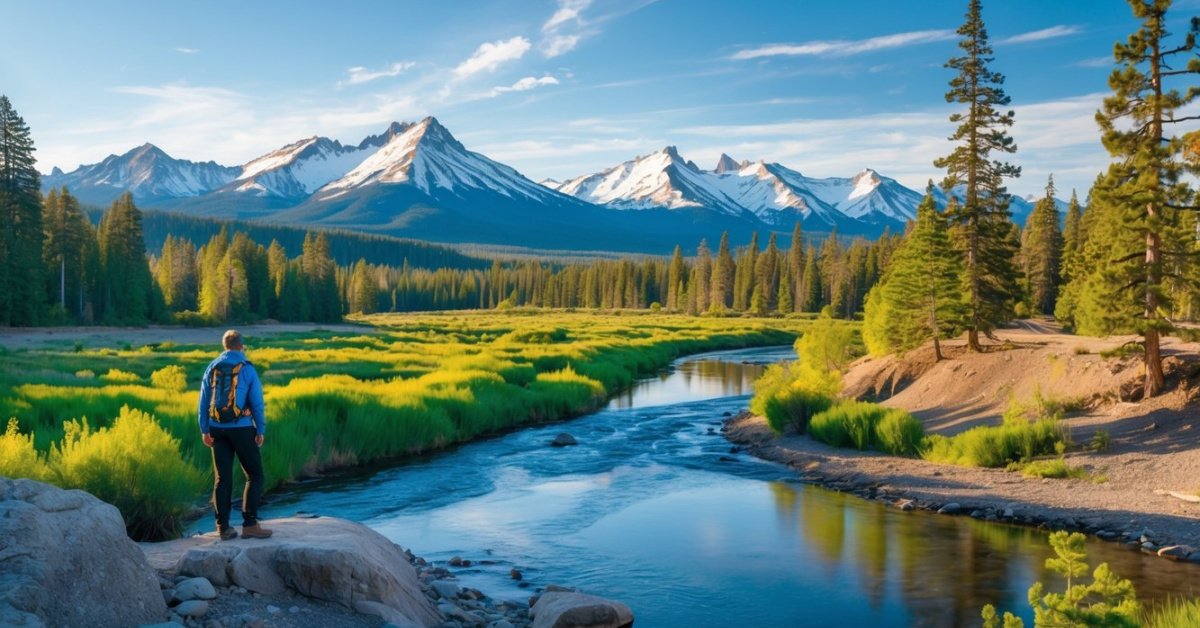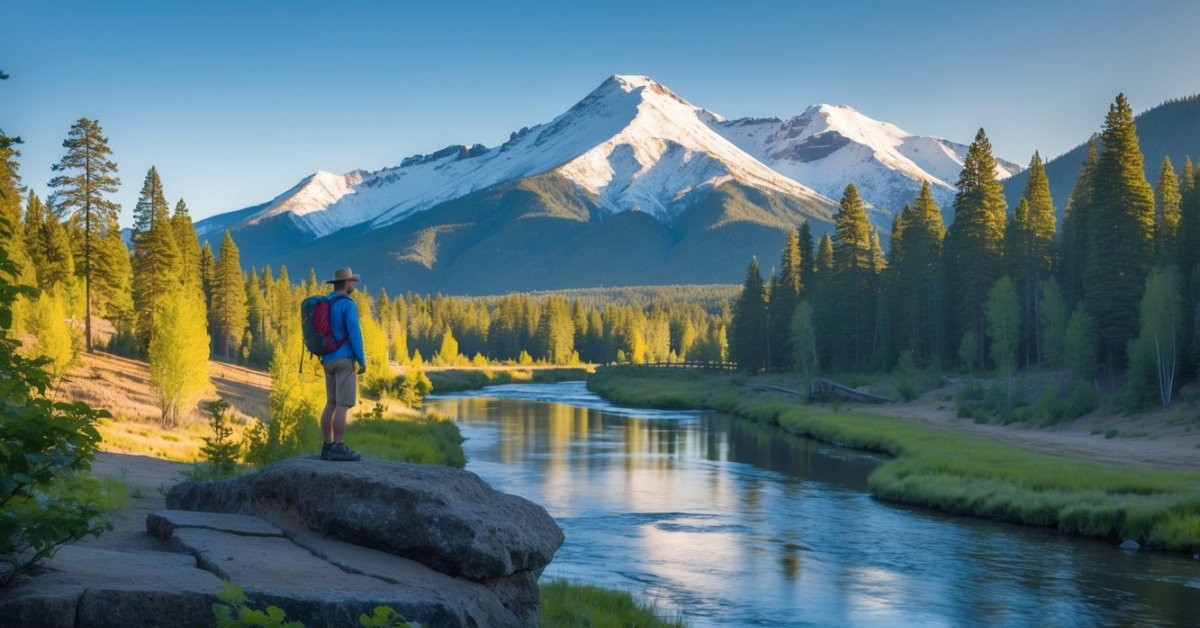
When I think of Oregon I picture wild coastlines towering mountains and endless forests begging for adventure. This state isn’t just about scenic drives or quiet hikes—it’s a playground for adrenaline lovers like me. From the roar of the Pacific to the rugged peaks of the Cascades there’s always a new thrill waiting around the corner.
Whether I’m chasing wind and waves with a kite or scaling cliffs that seem to touch the sky Oregon keeps me on my toes. It’s the kind of place where every day brings the chance to push my limits and discover something unforgettable.
The Allure of Extreme Sports in Oregon
Oregon draws adrenaline seekers like me with rugged landscapes and dynamic weather that create perfect conditions for extreme sports. Coastline winds shape towns like Hood River into world-class kitesurfing destinations—steady gusts on the Columbia River Gorge let riders catch serious air, and I often watch dozens of kites zipping across the water on windy afternoons.
Mountain peaks such as Mount Hood, the Three Sisters, and Smith Rock offer technical terrain for snowboarding, skiing, and climbing—Smith Rock in Terrebonne stands as the birthplace of American sport climbing, and I’ve met climbers from six continents on its volcanic tuff walls. Expansive forests and untamed rivers encourage mountain biking and whitewater kayaking—trails in Oakridge twist for over 350 miles through Douglas fir canopies, while the Deschutes River near Bend produces reliable Class III-IV rapids.
Access to these spots stays consistent year-round due to Oregon’s changing but manageable seasons. Locals and visitors trade tips about weather windows and trail conditions daily—cyclists message each other from the alpine McKenzie River Trail to the dense mossy forests of Tillamook State Forest.
Community drives everything. I find that every event, from annual windsurfing contests in the Gorge to grassroots climbing comps at indoor gyms in Portland, builds strong connections. The camaraderie and the spirit of discovery keep the scene both welcoming and competitive, fueling my passion for sharing Oregon’s extreme sports culture with anyone itching to join in.
Kitesurfing on the Oregon Coast
Kitesurfing on the Oregon Coast combines steady winds, rugged beaches, and cold water for a distinct adrenaline rush. I’ve watched local conditions change by the hour, so every session feels different even after years of exploring these shores.
Best Spots for Kitesurfing
- Hood River Sandbar: Hood River consistently draws kitesurfers worldwide for its strong Columbia River Gorge winds and wide sandy launch area. Summer afternoon gusts hit 15–30 mph, making it Oregon’s most reliable choice.
- Florence South Jetty: Florence delivers powerful ocean swells and ample space. The exposed jetty works best on north or northwest winds, especially in June and July. Locals recommend this spot for riders with surf and wave experience.
- Manzanita Beach: Manzanita offers open space and consistent moderate winds between 10–20 mph. Weekday mornings see fewer crowds, while summer weekends attract kiteboarding clinics and enthusiasts.
- Fort Stevens State Park: Fort Stevens balances wide beachfront and mellow surf, preferred by beginners and intermediate kiters. I often see families here, taking lessons or setting up safe zones.
- Pacific City: Pacific City displays variable wind speeds but picturesque views. Quick-changing surf needs attention, so advanced riders appreciate the challenge and the cool, low-key beach town vibe.
Essential Gear and Safety Tips
Oregon Coast kitesurfers always bring durable wetsuits—5/4mm thickness handles temps of 50–58°F year-round. I rely on booties, gloves, and a hood in early spring and late fall. Sand-resistant harnesses and quick-release systems see regular checks because shifting tides and gusts demand reliable gear.
Helmet use stays common due to crowded launch sites and floating driftwood. Rescue knives tuck into my harness for emergencies with tangled kite lines. Self-rescue practice is crucial—local wind reversals sometimes sweep riders offshore. Coast Guard stats* show most kitesurfing incidents occur near river mouths, underlining the importance of awareness and communication with on-duty lifeguards or fellow kiters.
Whitewater Rafting and Kayaking Adventures
Oregon’s rivers deliver strong currents and technical runs across volcanic gorges and dense forests. I’ve paddled nearly every rush-worthy stretch, chasing rapids from the high desert to the coastal range.
Top Rivers for Thrill Seekers
Top rivers shape Oregon’s reputation for high-adrenaline paddling.
- Upper Klamath River: Fast Class IV rapids and basalt canyons draw seasoned rafters every summer. Outfitters in Klamath Falls run day trips and multi-day camping routes.
- North Umpqua River: Narrow channels and boulder gardens near Glide make this stretch a favorite for technical kayakers. I return each spring for the challenge and clear blue pools.
- Deschutes River: Reliable flows from dam releases mean year-round big water. Trips out of Maupin feature surf waves, standing holes, and Class III+ rapids.
- Rogue River: Multi-day journeys start in Grants Pass, running through towering forests and deep gorges. Permits limit traffic each season, keeping the wilderness pristine.
- McKenzie River: Cold, fast, and technical, with Class II-III chutes east of Eugene. Summer brings emerald water and quick runs through driftwood channels.
Guided Tours vs. Solo Expeditions
Guided tours give access to rivers with expert support and gear included. Outfitters like Oregon Whitewater Adventures or Northwest Rafting Company offer safety briefings, shuttle service, and pro guides with advanced river knowledge. I recommend guided trips on rivers like the Upper Klamath and Rogue, where difficult rapids and remote stretches challenge even experienced paddlers.
Solo expeditions allow more flexibility and solitude but demand advanced scouting, technical skills, and a strong grasp of river rescue techniques. I only run solo on familiar rivers such as the lower Deschutes or McKenzie, especially when flows stay consistent. Always check flow rates, weather, and permit requirements before any trip, and carry full safety gear including a helmet, throw bag, and drysuit for cold-water runs.
| River | Difficulty (Class) | Best For | Guided Available | Solo Feasible |
|---|---|---|---|---|
| Upper Klamath | IV | Advanced rafters | Yes | With skills |
| North Umpqua | III-IV | Technical kayakers | Yes | With skills |
| Deschutes | III+ | Big water runs | Yes | Yes |
| Rogue | III-IV | Multi-day trips | Yes | Challenging |
| McKenzie | II-III | Day trips/families | Yes | Yes |
Mountain Biking and Downhill Action
Oregon’s terrain turns every mountain biking ride into a technical challenge or fast-flowing thrill. I find world-class trails in almost every region, from dense forests to high-desert singletrack.
Popular Trails in Oregon
Singletrack destinations in Oregon offer unique scenery and challenges. I ride the McKenzie River Trail near Blue River, which stretches for 26 miles through lush old-growth, lava fields, and alongside waterfalls. Sandy Ridge, closer to Portland, delivers machine-built flow for all skill levels, with its 17-mile network gaining a reputation for smooth berms and fast descents. Near Bend, Phil’s Trail System covers over 300 miles, with everything from beginner flow to expert tech—Phil’s Trail, Ben’s Trail, and Whoops stand out for varied terrain. In Ashland, I ride Mt. Ashland’s trails for long, technical descents, especially the Ashland Mountain Challenge course. For gravity-specific fun, Hood River’s Post Canyon features wooden features and jump lines that test my bike handling skills.
| Trail Name | Region | Distance (mi) | Terrain Type | Notable Features |
|---|---|---|---|---|
| McKenzie River Trail | Blue River | 26 | Forest/Lava Fields | Waterfalls, technical roots/rocks |
| Sandy Ridge | near Portland | 17 network | Flow berms | Machine-built, varied skill levels |
| Phil’s Trail System | Bend | 300+ network | High Desert/Forest | Whoops, technical and flow lines |
| Post Canyon | Hood River | 58 network | Forest/Jumps | Freeride features, jumps, drops |
| Mt. Ashland | Ashland | 10+ network | Alpine/Downhill | Long descents, race courses |
Community and Events
Oregon’s mountain biking community hosts regular events, races, and build days. I join the Oregon Enduro Series, which draws riders to compete on technical descents in places like Hood River, Bend, and Ashland. Volunteers gather every spring for trail maintenance events organized by groups like Northwest Trail Alliance and Central Oregon Trail Alliance, keeping singletrack in top shape. Annual festivals like Bend’s Mountain Bike Festival and Ashland Enduro add live music, bike demos, and skills clinics, creating a lively atmosphere where riders share trail info and celebrate the scene. Local bike shops and social rides in towns like Oakridge and Sisters plug me into a network where new trail openings or secret lines are shared quickly.
Rock Climbing and Bouldering Hotspots
Oregon’s climbing scene goes way beyond any one famous crag. I find steep pillars, basalt cliffs, and hidden boulders all over the state. These climbing hotspots always buzz with passionate locals and visiting enthusiasts.
Notable Climbing Areas
- Smith Rock State Park
Smith Rock in Central Oregon stands out as the state’s climbing centerpiece. Over 2,000 routes span sport, trad, and bouldering lines. The Monkey Face spire and the Dihedrals see climbers from all over aiming for classic testpieces like “Just Do It” (5.14c) and “Chain Reaction” (5.12c). I often run into friendly climbers willing to share beta and gear advice.
- Broughton Bluff
Broughton Bluff in the Columbia River Gorge mixes basalt climbs, short sport routes, and diverse trad climbs. The moderate routes like “Route of All Evil” (5.8) work great for honing technique. Easy access keeps it crowded on sunny weekends.
- Carver Cliffs
Carver near Portland houses over 100 sport and trad lines, tucked in fragmented basalt. The shady forest makes climbing pleasant in late summer. Local climbers keep this crag active, and I usually hear updates on new routes at the nearby gravel lot.
- Cascade Mountains Crags
The Cascade Range hides alpine gems like Mount Jefferson and Three Fingered Jack. Seasoned alpinists seek technical objectives and multi-pitch routes. These areas require snow and glacier skills, and the weather shifts fast.
- Flagstone and Southern Bouldering
Flagstone, south of Eugene, offers a bouldering mecca with sharp holds and short landings. I see regulars projecting problems in the V4–V8 range. Southern high desert spots, including Riddle and Wagon Road, remain quieter but deliver volcanic rock and new lines frequented by locals.
Seasonal Considerations and Safety
Climbing conditions in Oregon change fast depending on region and time of year.
- Spring and fall give ideal friction at Smith Rock and the Gorge, though rain sometimes interrupts. Late fall storms hit the Cascades and shut down higher routes.
- Summer brings sun but also rattlesnake sightings and risks of heat stress on open cliffs. Shaded crags near rivers provide needed relief.
- Winter closes alpine routes to all but experienced mountaineers with avalanche awareness.
I always carry a helmet, topo maps, and plenty of water in case temperatures spike or drop without warning. Trust local knowledge and check online groups for real-time updates on closures or hazards. Oregon’s climbing community keeps watch for rescue needs and unstable rock in all main areas, especially after freeze-thaw cycles or storms.
The Culture of Extreme Sports in Oregon
Oregon’s extreme sports culture runs deep in every corner of the state. I see a tight-knit spirit linking athletes, businesses, and local legends, all united by a love of adventure.
Local Communities and Support
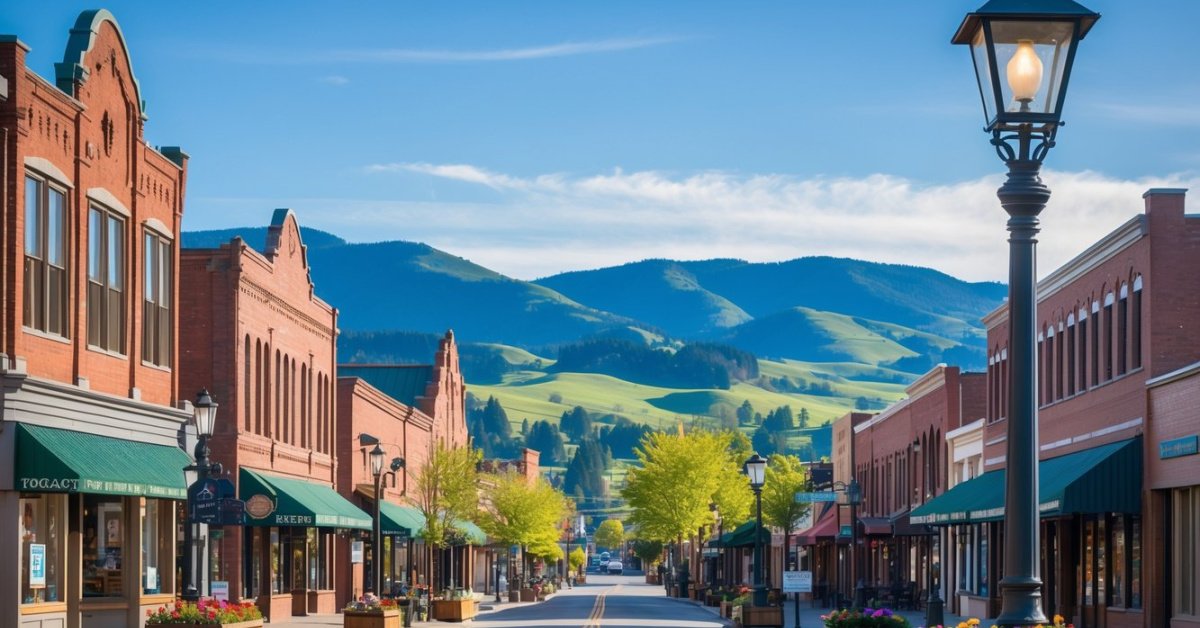
Local communities drive Oregon’s extreme sports scene. In Hood River, I meet wind and water athletes swapping weather tips and spare gear over coffee. Bend gears its trail networks and shops toward mountain bikers and climbers willing to pitch in on trail maintenance or beta nights. Climbing gyms in Portland host clinics and fundraisers, supporting access initiatives for places like Smith Rock and Broughton Bluff.
Shops like Windance Boardshop in Hood River, Sunnyside Sports in Bend, and Portland Rock Gym set the pace for newcomers by running demo days and group rides. Trail and crag stewards like Trailkeepers of Oregon and the Access Fund collaborate with volunteers who call these places home base.
Events and Festivals
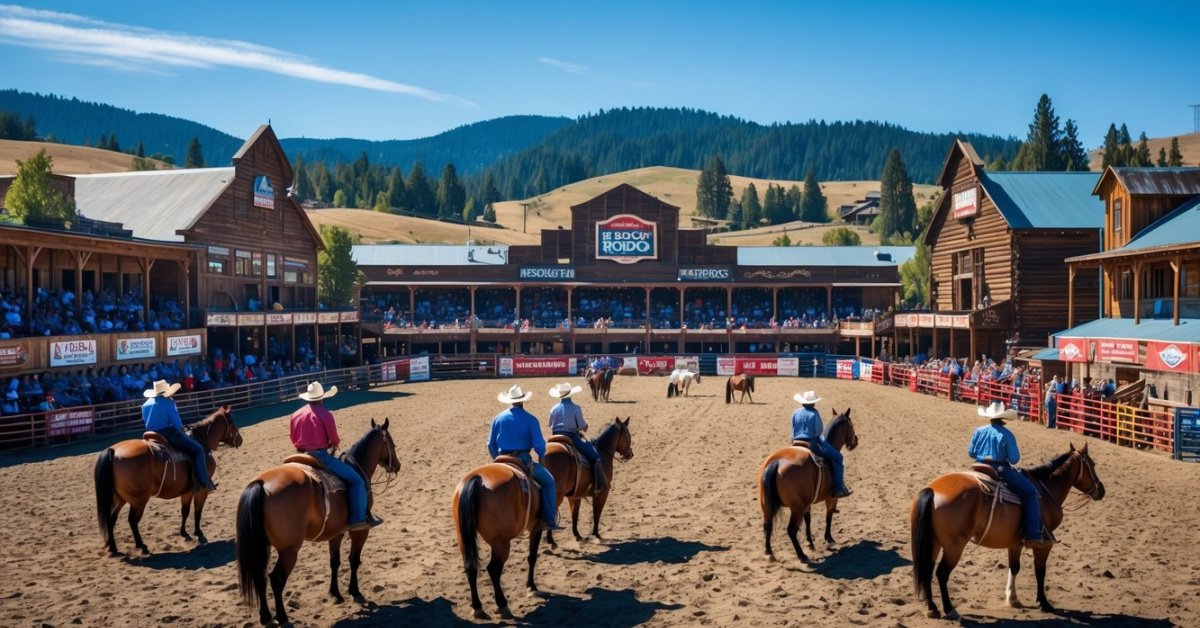
Events and festivals turn small towns into gathering spots for global athletes. Every June, Hood River’s Kiteboard for Cancer draws hundreds for charity races and community sessions. Bend’s Oregon Enduro Series packs post-ride barbecues and tech expos into its race weekends.
Smith Rock hosts the Spring Thing cleanup—hundreds of climbers repairing trails and celebrating Oregon’s natural playground. Whitewater lovers flock to the Upper Clackamas Whitewater Festival with competitions, clinics, and river stewardship projects. These events blend competition, workshops, and celebration, keeping Oregon’s extreme sports culture vibrant and connected.
Conclusion
Every time I set out on a new adventure in Oregon I find myself amazed by just how much there is to discover. Whether I’m chasing wind on the coast or scrambling up a rocky crag I always feel a sense of freedom and connection that’s hard to find anywhere else.
There’s something special about sharing these wild places and experiences with others who are just as passionate about pushing their limits. Oregon’s extreme sports scene keeps calling me back and I know I’ll never run out of new challenges or friends to meet along the way.