Whenever I think about Oregon’s creative spirit the name Ken Kesey pops up right away. His wild imagination and fearless storytelling put the state on the literary map and inspired a whole new generation of writers. But Kesey’s influence is just the beginning of Oregon’s rich literary journey.
I’m always amazed by how Oregon’s landscapes and communities shape its stories. From bustling Portland bookstores to quiet coastal retreats writers here keep pushing boundaries. There’s something about the rain-soaked streets and mountain air that makes words come alive in unexpected ways.
The Roots of Literary Arts in Oregon
Early storytellers shaped Oregon’s literary arts through oral tradition long before published works appeared. Tribal histories, such as Cayuse and Chinook legends, used local lore, landscape, and generational knowledge to create narratives that resonate today.
Writers in pioneer settlements infused their journals, letters, and regional newspapers with daily struggles and triumphs, capturing what life in Oregon looked like in the 19th century. Diaries from Oregon Trail travelers and homesteaders, for example, brought firsthand details into written records, many now preserved in historical societies across the state.
Portland’s rise as a creative center fostered literary journals and independent presses, such as Ooligan Press and Tin House, which support Oregon authors. University writing programs—like those at University of Oregon and Portland State—helped refine Oregon’s distinct literary voice and launched careers for many local writers.
I see the connection between Oregon’s early narratives and the storytelling I read and hear across the state today. Urban and rural communities each left marks on the written word, reflected in works as varied as William Stafford’s poetry and Beverly Cleary’s classic children’s books. Their use of Oregon settings, history, and culture forms the foundation for literary arts in every corner of this region.
Ken Kesey: Pioneer of Oregon’s Literary Scene
Ken Kesey’s storytelling helped define Oregon’s modern literary identity. I see Kesey’s legacy influencing the creative spirit that runs through every corner of my home state.
Major Works and Achievements
Kesey’s most recognized novel, One Flew Over the Cuckoo’s Nest (1962), draws from his time at the Oregon State Hospital. This novel secured international acclaim and later inspired a 1975 film that won five Academy Awards (Oscars.org). My research into local libraries shows his second novel, Sometimes a Great Notion (1964), remains popular here because its Oregon Coast setting and focus on family dynamics resonate with rural and urban readers. Kesey also sparked the counterculture movement of the 1960s, leading the Merry Pranksters—a group whose road trip immortalized Oregon’s relationship with creativity and rebellion (Oregon Encyclopedia).
Influence on Contemporary Writers
Writers in Oregon often credit Kesey’s willingness to experiment with narrative form as liberating. Workshops at the University of Oregon and writing collectives like Portland’s Wordstock Festival regularly cite his impact on developing authentic regional voices. Authors such as Chuck Palahniuk reference Kesey’s blend of satire and empathy when describing their own work. I notice younger writers admire Kesey’s risk-taking, using Oregon’s landscapes and communities, just as he did, to inspire original stories rooted in the state’s particular character.
Expanding the Horizon: Other Notable Oregon Authors
Oregon’s literary legacy stretches far beyond Ken Kesey. I see the state’s influence in writers from every genre, with new voices adding fresh layers to Oregon’s literary arts every decade.
Ursula K. Le Guin
Ursula K. Le Guin, whom I consider the most influential speculative fiction writer in Oregon history, shaped the genre from her Portland home. I often walk the neighborhoods she described and see reflections of her creativity everywhere. Novels like The Left Hand of Darkness and the Earthsea series stand as international pillars of science fiction and fantasy. Le Guin’s worldview, deeply rooted in Oregon’s landscapes and progressive spirit, challenges assumptions about gender, power, and society. Local universities frequently explore her writing, and Portland bookstores highlight her works on prominent shelves.
William Stafford
William Stafford, Oregon’s most beloved poet laureate, brought the region’s quiet beauty to the national stage. I visit hiking trails along the Willamette and recall Stafford’s spare, honest poetry about these forests and rivers. He published more than 60 books, including Traveling through the Dark, which won the National Book Award in 1963. Stafford’s teaching at Lewis & Clark College helped launch countless Oregon poets’ careers, and local poetry festivals often feature readings in his honor.
Contemporary Voices
Contemporary authors keep Oregon’s literary scene lively and diverse. Cheryl Strayed, now a Portland resident, gained global recognition with Wild, a memoir tracing her Pacific Crest Trail journey across Oregon’s mountains and deserts. Mitchell S. Jackson, raised in northeast Portland, addresses race, inequality, and resilience in books such as Survival Math, revealing urban dimensions of life here. In every local bookstore I visit, I find debut Oregon authors like Karen Russell (Swamplandia!), Lidia Yuknavitch (The Chronology of Water), and Omar El Akkad (American War)—each offering new perspectives shaped by the state’s dynamic culture and dramatic environment.
I’ll always see Oregon’s writers continuing to expand the state’s horizons through every story, poem, and memoir.
Literary Institutions and Events in Oregon
Oregon’s literary culture thrives through a network of institutions and events that connect writers, readers, and communities. I’ve explored these spaces firsthand, watching them nurture talent across all ages and backgrounds.
Literary Arts, Inc.
Literary Arts, Inc. stands at the center of Oregon’s literary scene. I’ve attended their public readings and workshops in Portland, where established authors and newcomers alike share work. Programs such as Writers in the Schools bring poets and novelists directly into classrooms—recently, I saw students at Franklin High School read their own stories for the first time through this initiative. Literary Arts also produces the annual Portland Book Festival, which draws more than 8,500 attendees and 100+ authors each November. Events like Verselandia, the youth poetry slam, showcase Oregon’s next generation of spoken word artists.
Oregon Book Awards
Oregon Book Awards celebrate the state’s finest writers each spring, highlighting work in fiction, nonfiction, poetry, children’s, and young adult literature. I’ve met past winners such as Kesha Ajose-Fisher and Anis Mojgani at packed ceremonies held at downtown venues. Finalists come from both rural and urban communities across Oregon. Each year, the awards play a key role in raising the profile of Oregon authors and drawing attention to diverse narratives—recognizing voices from Milwaukie to Eugene and everywhere between.
| Event | Location | Notable Features | Annual Attendance |
|---|---|---|---|
| Portland Book Festival | Portland | 100+ authors, workshops, readings | 8,500+ |
| Oregon Book Awards | Portland | Multigenre, statewide finalist representation | 500+ |
| Verselandia | Portland | Youth poetry slam | 300+ |
Impact of Oregon’s Landscape and Culture on Its Literature
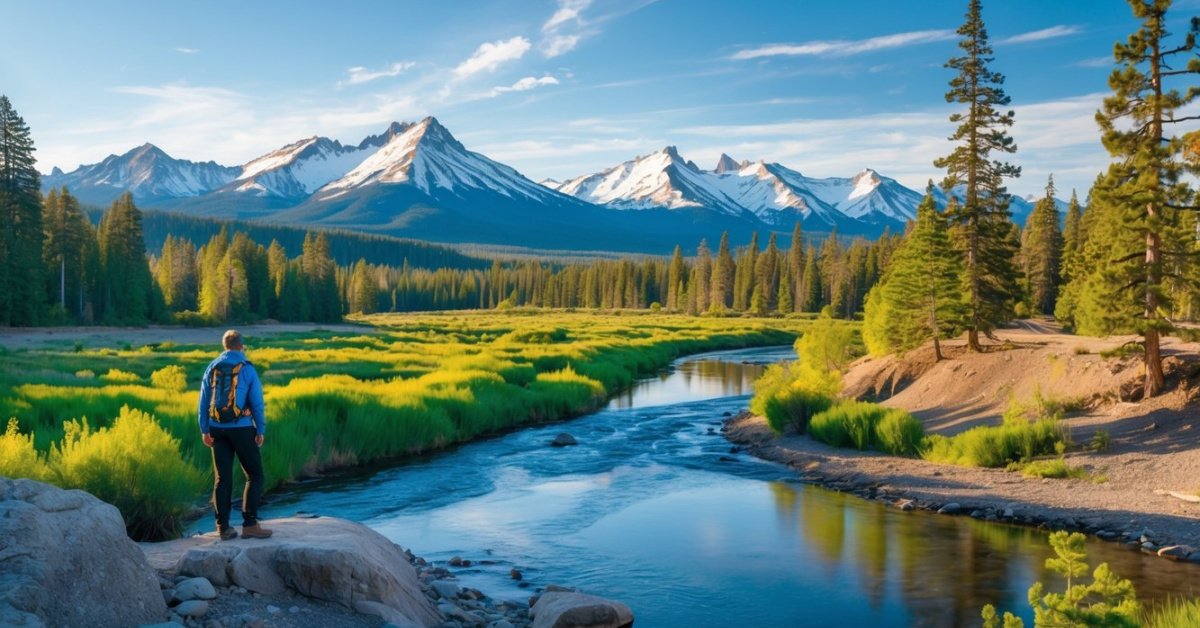
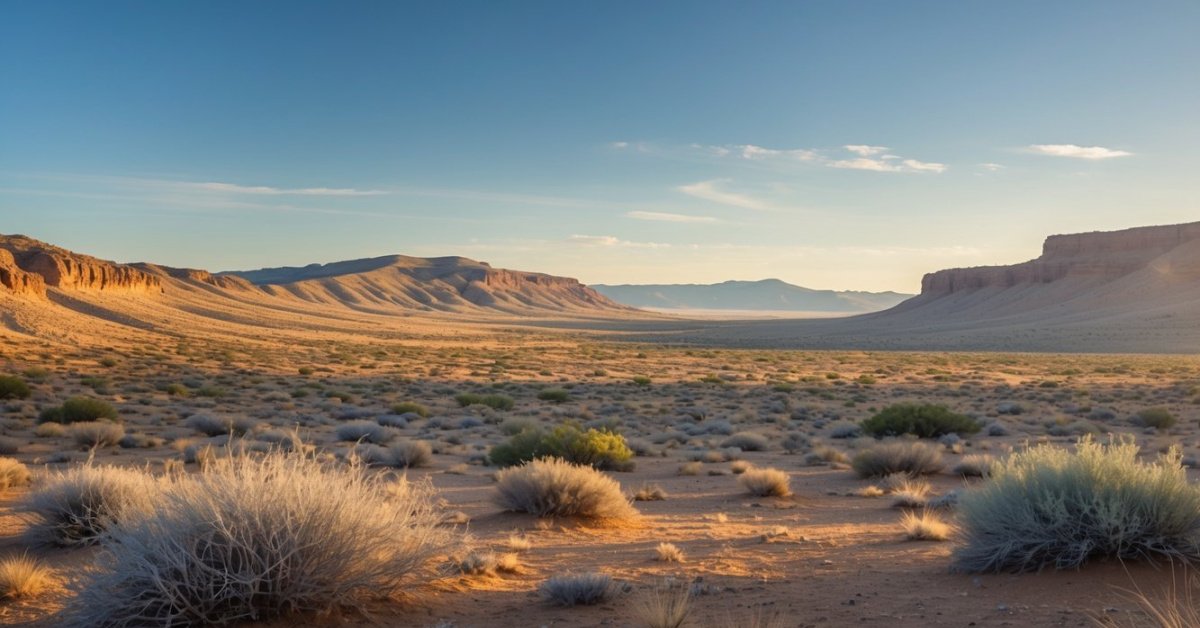
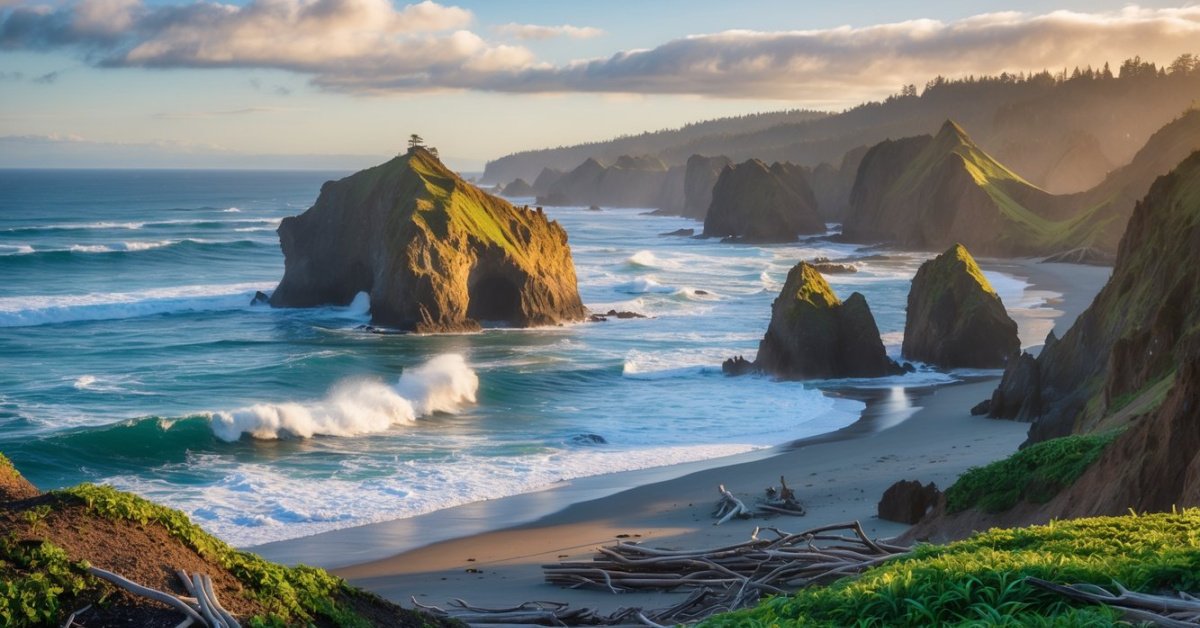
Living in Oregon all my life, I’ve seen the way its diverse landscape shapes the stories writers tell here. Forests, rivers, high desert—each region sparks a different imagination, just as you can see in the works of writers like William Stafford or Ursula K. Le Guin. Coastal fog and roaring surf give stories a sense of mystery and isolation, while volcanic peaks or wide valleys often show up as powerful settings that challenge or transform characters.
Writers pull details straight from life in Oregon’s small logging towns, agricultural valleys, or vibrant city neighborhoods. I’ve noticed how stories that unfold along the Columbia Gorge, for example, echo the wild unpredictability of the weather and the people who adapt to it. Portland’s urban vibe—a fusion of art, activism, and indie spirit—fuels the experimental voices in local poetry, zines, and novels. Cheryl Strayed’s “Wild” changed how many readers think about the Pacific Crest Trail, but trails like that have always symbolized resilience and personal transformation to Oregonians.
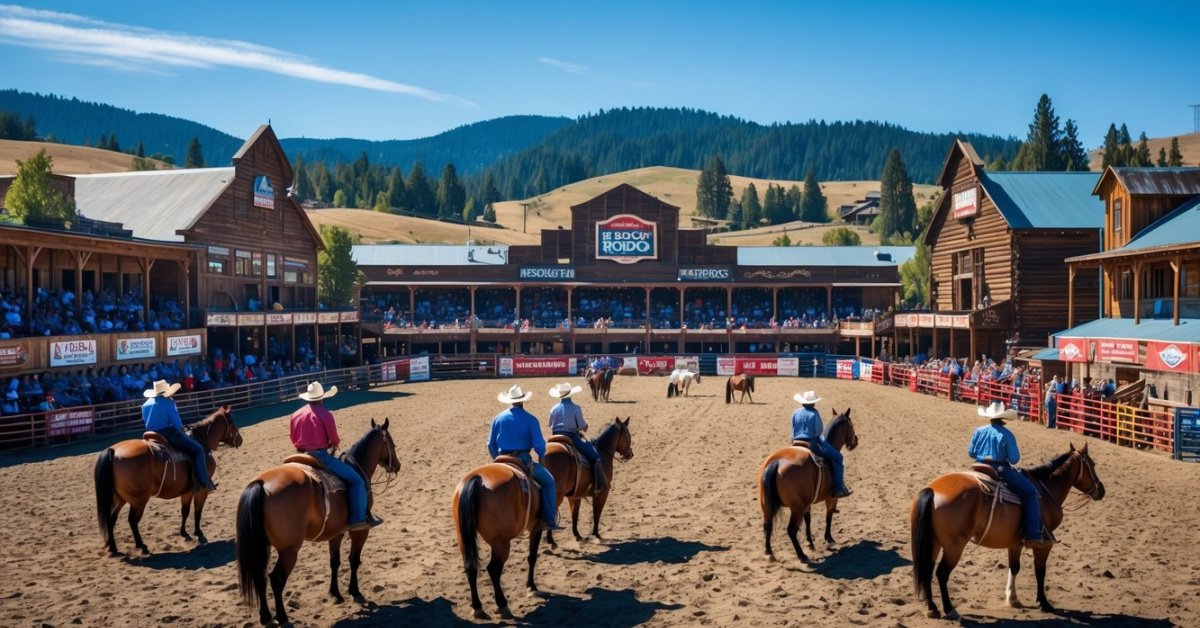
Culture influences Oregon literature as much as geography. The tradition of oral storytelling lives on, with tribal histories and local legends weaving into new narratives. I still see the pioneer spirit—independence, resourcefulness, and sometimes stubbornness—in stories that tackle isolation, survival, and community, whether set in an eastern cattle town or a downtown arts collective. Events like farmer’s markets, powwows, and public readings often bring together storytellers from many backgrounds and generations, keeping Oregon’s literary conversation lively and inclusive.
I’ve found that writers here rarely separate nature from culture. Festivals, creative workshops, and community programs often focus on the intersection of place, people, and story. The result—literature as layered, unpredictable, and vibrant as the state itself.
The Future of Literary Arts in Oregon
Community partnerships define the future of literary arts in Oregon. Schools, libraries, and nonprofits across Oregon—like Literary Arts, Inc., Wordstock, and Fishtrap—expand access to workshops and readings for students and new writers, even in rural places like Wallowa County. Native writers, multilingual storytellers, and LGBTQ+ authors push Oregon’s literary identity beyond traditional boundaries, sharing fresh stories that reflect the communities I see every day.
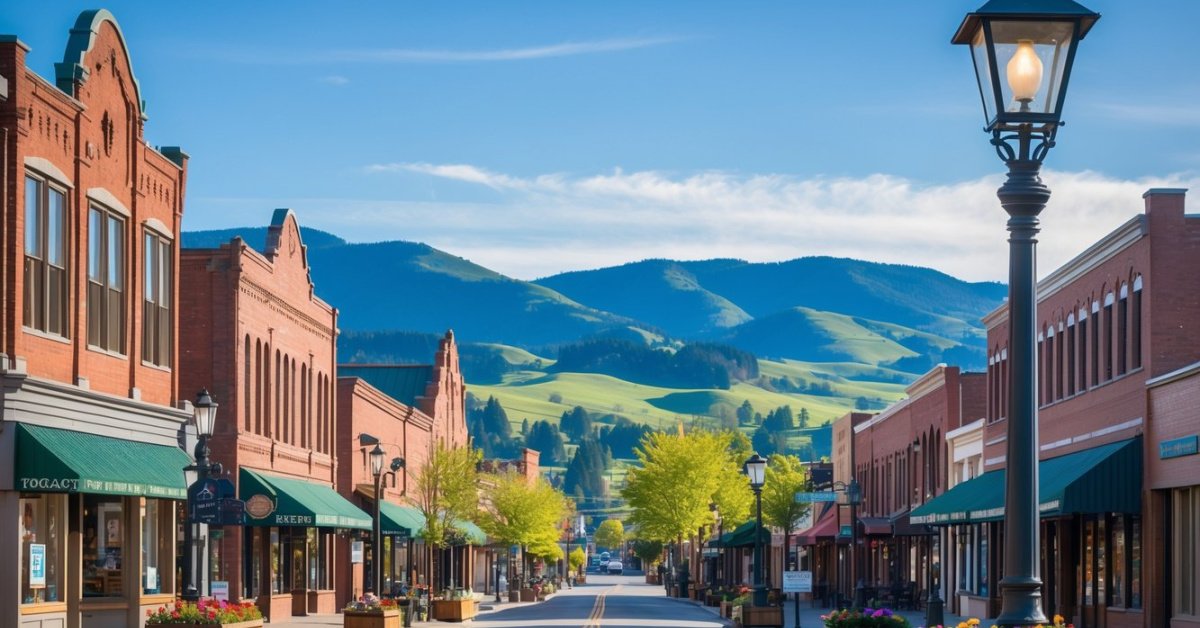
Independent bookstores, such as Powell’s in Portland and Grass Roots in Corvallis, thrive as meeting spots for authors, book clubs, and passionate readers. Literary events pop up in small towns and at the coast, helping connect Oregon’s urban life and remote landscapes through shared stories and open-mic nights.
Digital storytelling finds a home across Oregon, too. Writers use social media, podcasts, and online magazines—like Oregon Humanities and The Timberline Review—to share local voices far beyond state borders. Independent publishers back these writers, giving experimental and diverse narratives a strong platform.
Writers’ groups and university programs at places like Lewis & Clark and Eastern Oregon University continue building Oregon’s legacy. Young poets enter city slams like Verselandia, and emerging novelists debut at the Portland Book Festival. Rich natural settings, layered histories, and the spirit of communities keep inspiring bold, original work.
I see more collaborative projects and cross-genre experiments, with artists from music, film, and theater teaming up on literary projects in places like Eugene’s Hult Center and Portland’s Alberta Arts District. Oregon’s literary future looks just as vibrant and unpredictable as the landscapes I call home.
Conclusion
Every time I pick up a book by an Oregon author I feel a sense of place and possibility that’s hard to find anywhere else. There’s something about the way Oregon’s landscapes and communities spark creativity and invite new voices to join the conversation.
It’s exciting to see how the state’s literary arts keep evolving—welcoming fresh perspectives and celebrating stories that reflect both tradition and change. I can’t wait to see what the next chapter holds for Oregon’s storytellers.