Whenever I need a mix of adventure and history, I find myself drawn to Fort Stevens State Park. Tucked away on the northern tip of Oregon’s coast, this spot offers more than just stunning ocean views—it’s where stories from the past meet the wild beauty of the Pacific.
I love wandering along the windswept beaches, knowing that every step connects me to a place once bustling with soldiers and ships. Whether I’m exploring old military ruins or just soaking up the salty air, Fort Stevens always feels like a new discovery waiting to happen.
Overview of Fort Stevens State Park
Fort Stevens State Park sits near Astoria at the northwest corner of Oregon, covering 4,300 acres. This park stretches from the Columbia River’s South Jetty along the Pacific, giving me easy access to both freshwater lakes and long sandy beaches. Most visitors use the 9 miles of paved bike trails and 6 miles of hiking trails to see coastal forests, wetlands, and historic battlements. During my visits, I’ve spotted elk herds grazing in open meadows and bald eagles circling above the South Jetty.
Camping attracts the largest crowds here, especially between Memorial Day and Labor Day. Over 500 campsites, including 300 full-hookup RV spots, fill up quickly. People kayak or fish in Coffenbury Lake and take day trips to the Peter Iredale shipwreck, which has rested on the beach since 1906 and draws photography fans year-round.
Beach access points line the park for picnicking, tidepooling, and kite flying. Park rangers offer guided programs almost every weekend, focusing on the park’s Civil War and World War II history. Local wildlife—like harbor seals near the jetty or sandpipers at low tide—gives outdoor enthusiasts close encounters I haven’t experienced anywhere else in Oregon.
With proximity to Astoria, Fort Stevens State Park serves as both a hub for adventure and a preserved chapter of Oregon’s coastal past.
The Rich History of Fort Stevens
Fort Stevens stands as one of Oregon’s best-preserved links to Pacific Northwest military history. I often find traces of its layered past while roaming its concrete batteries and grassy embankments.
Military Origins and Civil War Era
Union Army engineers began constructing Fort Stevens in 1863 to guard the strategic mouth of the Columbia River. Named after Gen. Isaac Stevens, the fort was part of a defense triangle, alongside Fort Canby and Fort Columbia in Washington. During the Civil War era, soldiers lived in wood barracks, maintained cannons, and patrolled the coastline, though no direct attacks came during that period. Fort Stevens’s initial role focused on protecting goods and settlements in Astoria from possible Confederate commerce raiders and foreign threats by sea.
Transformation to a State Park
The fort remained active through both World Wars, even defending against a Japanese submarine shelling in 1942—a rare direct attack on the US mainland. After deactivation in 1947, land transferred to Oregon State Parks, preserving the historic batteries and bunkers. Restoration projects since 1955 have ensured the site’s accessibility for visitors. I’ve watched volunteers and historians recover rusted objects, interpret tunnels, and share stories that bring these grounds alive. Today, Fort Stevens shelters history and welcomes new generations to its beaches, forests, and museum collections.
Exploring the Beaches at Fort Stevens
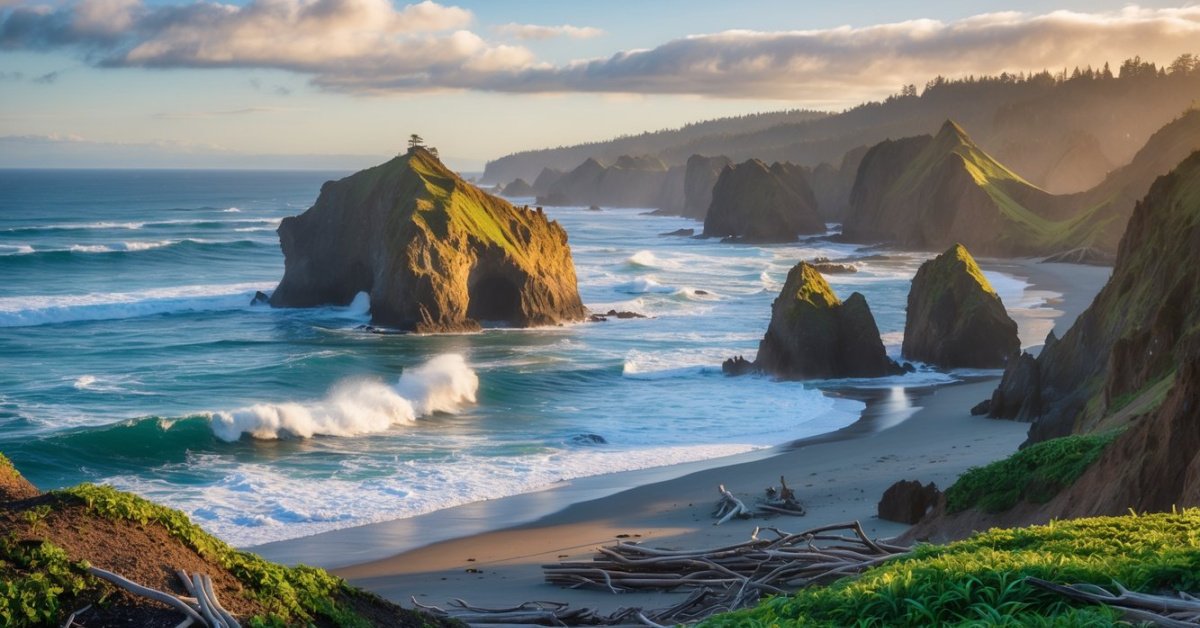
I find Fort Stevens State Park’s coastline stretches for miles, with each access point offering its own sights and local secrets. Sand dunes, driftwood piles, tidal pools, and distant shipwrecks line the shore.
Popular Activities and Attractions
Beachcombing reveals glass floats, petrified wood, and agates, especially after winter storms. I often see people flying kites or riding fat-tire bikes on the packed sand near Parking Lot C. The Peter Iredale shipwreck stands out as the most famous landmark—rusted ribs of the wreck appear at low tide and draw photographers and history enthusiasts year-round.
Swimming and sunbathing happen along the gentler stretches, but I always check for signs about rough surf and rip currents. Picnic areas near Coffenbury Lake’s east end let families set up with easy access to restrooms. Sunset watching draws locals, too—I join groups gathering at the day-use parking, cameras ready as the sky turns orange over the Pacific.
Wildlife and Natural Beauty
Western snowy plovers nest among the dunes in spring, so I stick to marked trails to respect protected zones. Bald eagles and great blue herons fish in the surf early mornings—binoculars help spot them perched near dense Sitka spruce. Elk herds graze in the restored dunes north of the Columbia River jetty, especially at dusk.
Wildflowers bloom on the sheltered sides of dunes in May and June. Harbor seals rest on sandbars at low tide north of Clatsop Spit, and I watch for them using my scope. Driftwood shelters built by visitors dot the upper beach, providing windbreaks and perfect photo spots against the dramatic views of ship traffic entering the Columbia River.
Visitor Tips and Recommendations
- Timing the Visit
I find September and early June offer the best balance of mild weather, smaller crowds, and open campsites. Rain hits hardest November through March, so I pack a waterproof jacket if traveling during those months.
- Parking and Access
Day-use parking fills quickly near Peter Iredale by 11 a.m. on weekends, so I arrive before 10 a.m. or after 4 p.m. Seasonal parking permits from Oregon State Parks cover vehicle entry across the lot areas.
- Best Spots for Wildlife
Elk herds frequent the Disk Golf Area and Battery Russell meadows most mornings. Bald eagle sightings cluster around Coffenbury Lake’s south end between May and October.
- Beach Activities
Tide pooling’s excellent south of the jetty at low tide—posted tide charts near main trails help plan the morning. Be sure to wear sturdy sandals or water shoes, since barnacles and sharp rocks are common.
- Camping Insider Tips
I reserve sites E and F on the loop map for extra privacy and quick trail access. Yurt rentals book out three months ahead for weekends. Summer brings evening ranger talks at the amphitheater, so I check the posted schedule when arriving.
- Safety and Preservation
Currents near Clatsop Spit run strong; I avoid swimming here and use designated areas near the guarded section at Coffenbury Lake. I always observe signed nesting zones for snowy plovers—state law protects habitat between March 15 and September 15.
- Local Eats Near the Park
Astoria’s Bowpicker Fish & Chips and Warrenton’s Buoy 9 offer fresh, quick meals before or after a trip. I suggest grabbing groceries ahead of time—nearest full-service market sits 3 miles east in Warrenton.
- Historical Sites and Museums
Guided fort tours run Memorial Day through Labor Day, starting at the visitor center. Self-guided tours of Battery Russell and the magazine bunkers use QR codes at entrances for extra details.
- Essential Items to Pack
I’ve found binoculars, a lightweight windbreaker, and a headlamp invaluable for evening walks and wildlife viewing. Maps from the ranger station highlight trails not visible on most apps, so I always pick up a copy.
Conclusion
Every time I visit Fort Stevens State Park I find something new to appreciate. The mix of history and natural beauty makes it one of my favorite spots on the Oregon coast. Whether I’m wandering through old fort ruins or watching the waves crash near the Peter Iredale shipwreck I always leave feeling inspired.
If you love the outdoors and have a curiosity for the past this park is a true treasure. I can’t wait for my next trip—there’s always another story waiting along the shore or hidden in the woods.