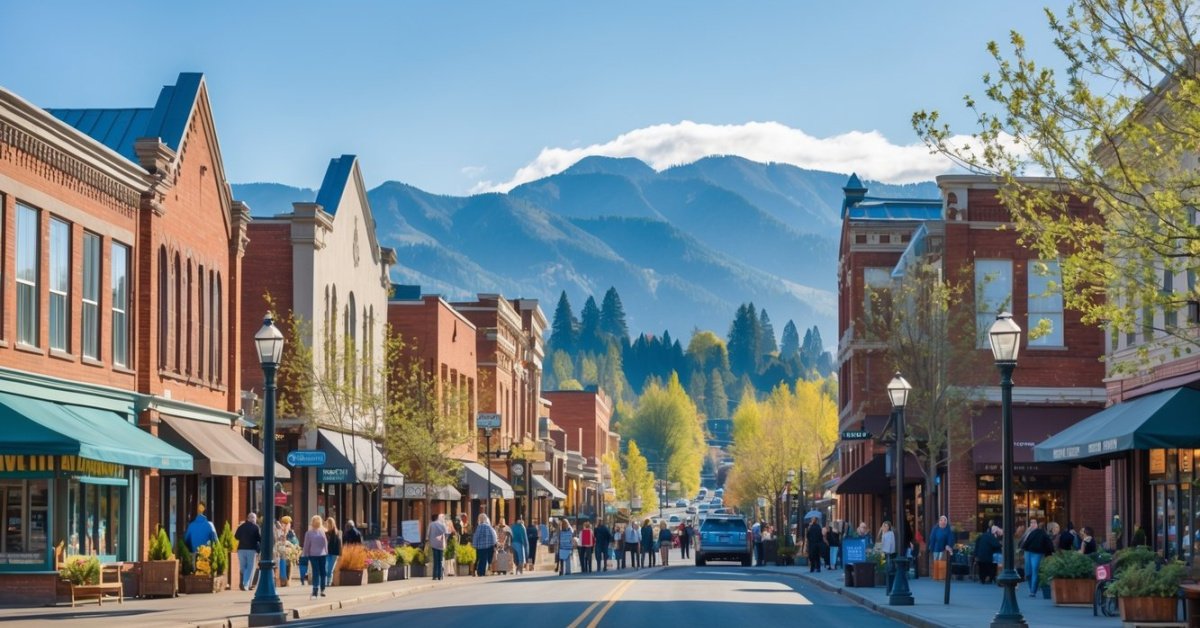
Every time I visit Albany I’m struck by how the city blends its storied past with a lively present. From centuries-old buildings that whisper tales of early America to vibrant festivals filling the streets with music and laughter there’s always something to discover around every corner.
I love wandering through historic neighborhoods and stumbling upon hidden gems that showcase Albany’s unique character. Whether I’m exploring grand old mansions or joining locals for a seasonal celebration the city’s energy always pulls me in. There’s just something special about a place where history and community spirit go hand in hand.
Exploring Albany’s Rich History
Landmarks in Albany give me a firsthand look at Oregon’s early days. Monteith House, built in 1849, stands as the oldest frame home in Albany and serves as a living museum. St. Mary’s Church, with its Gothic Revival features, marks one of the oldest brick churches in Oregon, and the Albany Regional Museum houses rotating exhibits that spotlight local pioneers and industries.
Neighborhoods tell stories of growth, with the Hackleman District and Monteith District both recognized on the National Register of Historic Places. Homes here display Italianate, Queen Anne, and Craftsman architectural styles. Walking these streets, I see century-old maples framing porches and original carriage houses tucked behind gates.
Local history connects to the Willamette River, which shaped trade and community life. Monteith Riverpark straddles this historic waterway, hosting plaques and interpretive trails that describe steamboat landings and early flour mills. I always find new stories written into parks and along Main Street storefronts that date back to the 1880s.
Annual guided tours, like the Historic Homes Tour, open private residences to curious locals like me, and special events at sites such as the Whitespires Church reveal the role of faith groups in settling the region. Living in Albany gives me daily access to this ongoing story, one step at a time.
Must-Visit Historic Sites in Albany
Albany’s historic sites reveal the city’s early growth along the Willamette River and spotlight local pioneers. I’ve explored each landmark below for firsthand details about what makes them stand out in Oregon’s historical landscape.
Monteith House Museum
Monteith House Museum gives a direct look at pioneer Albany. Built in 1849 by brothers Thomas and Walter Monteith, it’s the city’s oldest frame dwelling. I walk through rooms furnished with authentic 19th-century artifacts and attend living history events that showcase daily life in early Oregon. School groups and heritage fans often gather here for tours and hands-on programs.
Albany Regional Museum
Albany Regional Museum catalogs the area’s evolution from frontier town to modern city. Permanent exhibits feature original photographs, textiles, and tools from Albany’s farming roots through its industrial period. I find rotating displays, such as 1940s railroad memorabilia or local school history, helpful for understanding Albany’s role in the Willamette Valley. The research center offers resources for anyone curious about genealogy or city development.
Hackleman and Monteith Historic Districts
Hackleman and Monteith Historic Districts preserve nearly 800 structures from the mid-1800s to early 1900s. These neighborhoods show off Italianate, Queen Anne, and Craftsman homes, many restored with era-appropriate detail. On my walks, I spot plaques listing architectural features and builder names. Guided walking tours share the stories behind influential families and the growth patterns shaped by the railroad and mills.
St. Mary’s Church
St. Mary’s Church stands out as one of the oldest brick churches in Oregon. Completed in 1897, it blends Gothic Revival architecture and stained-glass artistry. I attend annual celebrations here and admire its restored organ and bell tower. The church’s history ties directly to Albany’s early Catholic settlers and community-building efforts.
Monteith Riverpark Historic Plaques
Monteith Riverpark features a network of interpretive plaques and walking paths. Each plaque covers a different aspect of Albany’s river trade, steamship crossings, or industrial sites. I use the self-guided tour on sunny afternoons to follow the river’s impact on everything from city planning to summer festivals.
Additional Sites on Annual Tours
Annual Historic Homes Tours grant access to private residences with notable architecture. On these tours, I step inside restored Victorians, explore gardens, and chat with homeowners about preservation tactics unique to the Albany area. These events keep the city’s heritage fresh and foster neighborhood connections every year.
| Site Name | Year Established | Notable Feature | Access |
|---|---|---|---|
| Monteith House Museum | 1849 | Oldest frame house in Albany | Guided tours |
| Albany Regional Museum | 1980 | Local industry and pioneer exhibits | Daily |
| St. Mary’s Church | 1897 | Oldest brick church, Gothic architecture | Public entry |
| Hackleman & Monteith Districts | 19th century | 800+ historic structures | Self-guided |
| Monteith Riverpark Plaques | N/A | Interpretive markers along the river | Public trails |
| Annual Homes Tours | Annual | Private home tours | Ticketed |
Best Festivals in Albany
Albany hosts lively festivals that showcase my city’s diverse culture and strong community bonds. I always make time for these annual events, each offering a unique experience tied to local traditions and interests.
Tulip Festival
Each spring, the Tulip Festival brings vibrant color to the city. Over 40 acres of blooming tulips, daffodils, and hyacinths fill the fields at the local family-owned farms just outside Albany. I enjoy wandering the rows and watching photographers capture thousands of distinct varieties, including the classic Red Impression and Purple Flag tulips. Food carts, craft booths, and live acoustic music add to the festive atmosphere. Early mornings see smaller crowds, so I often visit then for the best photos.
Albany Riverfront Jazz Festival
Summer in Albany means unforgettable nights at the Albany Riverfront Jazz Festival, held annually at Monteith Riverpark. The event draws jazz legends and rising stars from across Oregon and the Pacific Northwest; recent lineups have included the Tony Pacini Trio and Mel Brown B-3 Organ Group. Crowds gather along the riverside lawn with lawn chairs and picnic baskets, enjoying sunset concerts against the Willamette River backdrop. Local vendors serve fresh street food and regional wines. I’m always impressed by the festival’s family-friendly vibe and the range of jazz styles, from traditional swing to fusion.
Capital Pride Celebration
Albany’s Capital Pride Celebration welcomes everyone each June, highlighting LGBTQ+ voices and allies in the city. Colorful parades, drag performances, and live local bands fill downtown with energy and inclusivity. Food trucks, art installations, and community resource booths line the streets, connecting visitors with non-profits and local businesses. I find the workshops, panel discussions, and family activities reflect Albany’s spirit of support and celebration for all identities. The rainbow-lit evening dance party always creates memorable community moments.
Combining History and Celebration: Unique Experiences
Experiencing Albany’s history feels different when festivals and heritage events happen right inside the city’s historic districts. I’ve walked cobblestone streets during the Summer Historic Homes Tour while costumed guides tell stories about the Monteith brothers and their legacy. Live folk music echoes from the Monteith House porch, letting visitors step into the past, even as local artists sell handmade crafts in the yards of preserved Victorian homes.
Exploring the Albany Regional Museum during local arts fairs connects local stories with creative energy. I’ve watched reenactors demonstrate traditional rug-making while families browse pioneer-era tools and vintage photographs. Annual special events like the Linn County Pioneer Picnic leverage the shaded grounds of Monteith Riverpark, where food booths serve old-fashioned recipes and bluegrass bands play next to historic markers.
Dine Around Albany mixes local food with local history: participating restaurants, many in century-old buildings, design menus inspired by the city’s heritage. I always look for specials at downtown spots with pressed-tin ceilings or exposed brick, where I’ll overhear stories from longtime residents.
Walking through Albany’s Old-Time Fiddle Festival, I’ve heard stories from musicians who trace their roots back generations. Pop-up dance floors fill with young and old, surrounded by muraled brick walls that tell their own stories. Each event uncovers layers of Albany’s past, woven with community traditions that make every celebration uniquely local.
Tips for Planning Your Albany Visit
Research event calendars for Albany’s historic sites and festivals. I always check the Albany Visitors Association site for up-to-date info on guided tours, museum exhibits, and seasonal celebrations.
Reserve tickets early for the most popular events. Spaces for the Tulip Festival, Historic Homes Tour, and Riverfront Jazz Festival fill up fast, especially on weekends.
Book lodging in advance during festival weekends. I find that downtown Albany inns and historic B&Bs—like the Edelweiss Manor—place you near main festivities and district landmarks.
Wear comfortable shoes for tours of Monteith and Hackleman Districts. Walking historic neighborhoods gives the best perspective on architecture, but cobbled paths and larger grounds mean plenty of steps.
Carry cash for local crafts and food booths. Many events in Monteith Riverpark or at the Old-Time Fiddle Festival feature small vendors who may not accept cards.
Try local cuisine at Dine Around Albany or nearby downtown eateries. I never skip an opportunity to sample Willamette Valley produce or locally inspired fare at places like Sybaris Bistro.
Plan for variable Oregon weather. Bring a light rain jacket or sun hat since Albany’s event schedule runs rain or shine, especially spring through fall.
Ask locals for recommendations on hidden gems. I discover a new spot each season, from tucked-away bakeries to secret garden tours—locals know places you won’t find in official guides.
Conclusion
Every time I wander Albany’s historic streets or join in a festival I’m reminded how special this city truly is. There’s something magical about seeing old brick buildings come alive with music laughter and the energy of the community.
If you’re searching for a place where history and celebration go hand in hand Albany’s warmth and charm are waiting. I hope you’ll get to experience the city’s unique spirit for yourself—there’s always something new to discover around every corner.