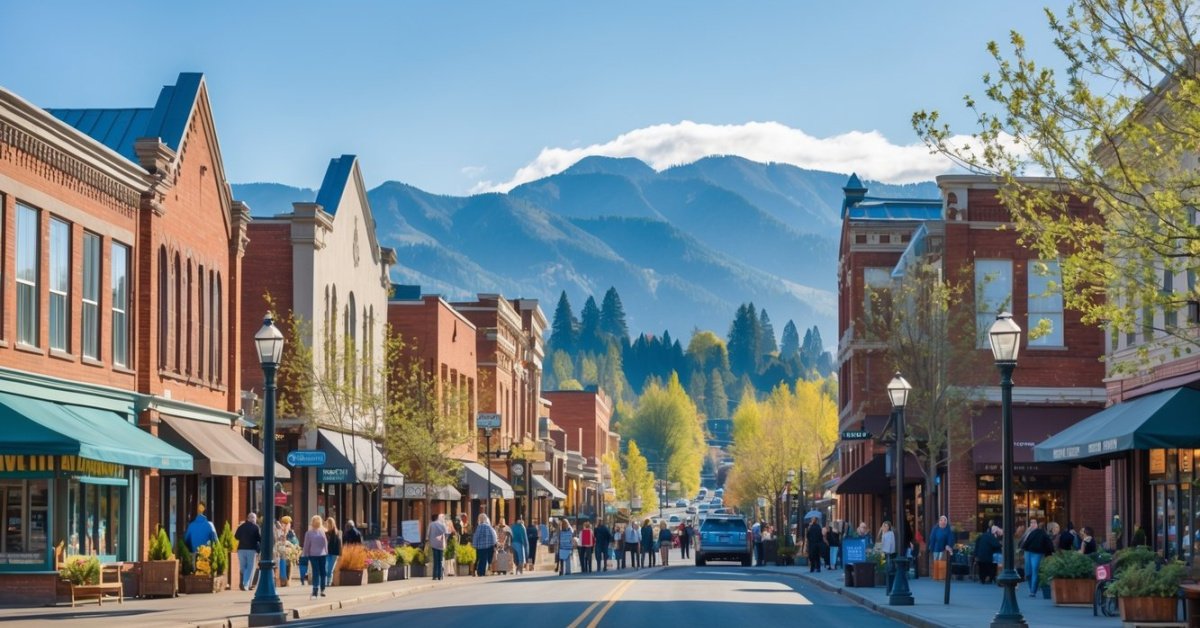
Whenever I wander through Portland’s Alberta Arts District I feel like I’m stepping right into the city’s creative heart. Colorful murals catch my eye at every turn and the buzz of local artists fills the air. There’s something about this neighborhood that just pulls me in and makes me want to explore every quirky shop and cozy café.
I love how the Alberta Arts District blends old-school charm with a fresh artistic spirit. It’s a place where creativity isn’t just encouraged—it’s celebrated on every corner. Whether I’m browsing galleries or just soaking up the street vibes I always leave inspired and ready to come back for more.
History and Evolution of Alberta Arts District
Early Settlement and Growth
Alberta Arts District started as a streetcar suburb in the early 1900s. Real estate records from 1903 show commercial buildings and homes built to serve working-class families, including railroad workers and shopkeepers.
Mid-century Changes
Shifts in population hit the district after World War II according to the Oregon Historical Society. Many Black families settled in the area, bringing jazz clubs, local diners, and churches that shaped Alberta Street’s cultural identity. Redlining and disinvestment from banks and city officials led to decades of economic struggle, leaving abandoned storefronts and a lack of resources for residents.
Grassroots Revival
Artists and entrepreneurs moved into Alberta during the early 1990s downturn. Small businesses like Guardino Gallery (est. 1997), Tin Shed (opened 2002), and Black United Fund of Oregon (est. 1983, relocated mid-2000s) anchored commercial revival. Muralists, like Arvie Smith and organizations such as Alberta Art Works, led public art projects, filling empty walls with vibrant pieces.
Art Walks and Creative Economy
Last Thursday, the district’s monthly street event, began in 1997 as a grassroots art walk and grew into a citywide draw. Artists, musicians, and food vendors lined curbside stretches from NE 10th to 30th avenues. Portland Bureau of Transportation reports tens of thousands of visitors attending last Thursday events annually, pushing a creative economy that supports over 200 independent businesses.
Cultural Shifts and Challenges
Gentrification accelerated after 2010, as property values increased and new developments arrived. Longstanding Black-owned businesses, including Geneva’s Shear Perfection and Old Town Pizza, adapted to meet changing demographics. Community groups now work to preserve the district’s roots, fostering spaces for artists and legacy residents to stay engaged.
Living through these changes, I’ve watched Alberta Arts District evolve from disinvestment to a creative destination rich in history, public art, and cultural diversity.
Vibrant Arts and Culture Scene
Alberta Arts District celebrates local creativity through every block and storefront. I see constant change here as new artists, exhibitions, and public works emerge each month.
Local Galleries and Studios
Galleries and studios anchor the creative community in the Alberta Arts District. I visit Guardino Gallery for rotating exhibitions featuring mixed-media works from Portland artists. Upstairs, Alberta Street Gallery brings together over 30 member-artists—painters, sculptors, ceramicists—who often invite visitors to watch their process. Sabin Neighborhood Studios hosts workshops and open houses, letting me connect with working artists directly. Places like Ampersand and Antler Gallery specialize in contemporary illustration, rare books, and curated group shows. Each gallery regularly changes its lineup, so I always discover something new, whether it’s modern photography, surreal landscapes, or experimental installations.
Street Art and Murals
Street art defines visual culture in the Alberta Arts District. Murals span every block and alleyway between 10th and 30th Avenue. I spot bright portraits, imaginary creatures, and heritage tributes painted by artists like Arvie Smith, Rachel Oleson, and Molly Mendoza. The Alberta Street Art Walk draws hundreds every summer, especially for fresh installations commissioned by Alberta Art Works and local businesses. Local favorites include “Cure for Pain” by Klutch, the Alberta Alley mural series, and the African-heritage narratives along Northeast 17th. Street art changes with the season, so regular walks always bring a new surprise—sometimes a full block suddenly looks different overnight.
Dining and Nightlife Experiences
Dining and nightlife in the Alberta Arts District feel energetic and creative, shaped by the neighborhood’s artistic roots. Every block offers a new culinary flavor or soundtrack, each with its own neighborhood story.
Unique Cafés and Restaurants
Restaurants and cafés in Alberta go beyond basic fare, connecting food with art and community. I’ve shared banh mi at Double Dragon, sampled Ethiopian platters at Enat Kitchen, and grabbed seasonal pastries at Petite Provence. Podnah’s Pit rolls out Texas-style barbecue with smoked brisket that draws crowds year-round. Vegan options at Bye and Bye—like bowls packed with veggie protein—add to the district’s culinary variety. Most spaces display work by local painters or photographers, tying the creative spirit to each meal.
Live Music and Entertainment
Live music and entertainment keep Alberta’s nights lively, echoing Portland’s broader creative scene. Alberta Street Pub hosts folk nights with Oregon-based musicians, while The Know pumps out indie rock inside an intimate venue. Radio Room and Tin Shed Garden Cafe both feature late-night DJs and regular open mic events. During the summer, patios fill with jazz sets and poetry readings, especially around Last Thursday art walks. Local comedy shows pop up at outposts like Curious Comedy Theater, where performers riff on Northwest culture for tightly packed crowds.
Shopping and Local Businesses
Local businesses in the Alberta Arts District create a one-of-a-kind shopping experience. I always discover something new, from bold indie boutiques to vintage finds and handcrafted goods.
Independent Boutiques and Shops
Independent boutiques line Alberta Street with a range of styles. I browse shops like Tumbleweed for women’s fashion made by Pacific Northwest designers, and Frock for playful clothing with local flair. Art shops like Collage offer shelves packed with creative supplies, journals, and printmaking kits—ideal for getting inspired after seeing the district’s murals. Homegrown vintage stores, such as Shop Adorn and BillyGoat Vintage, display Portland’s affinity for upcycled fashion and unique accessories. Every shop builds on Alberta’s creative legacy by sourcing regional labels and supporting local makers.
Artisan Markets and Pop-Ups
Artisan markets and pop-up events add vibrancy to Alberta’s retail landscape. During Last Thursday or holiday weekends, I find Alberta Street lined with stalls selling ceramics, woodcraft, letterpress prints, and jewelry from artists living in Northeast Portland. Popup shops regularly appear in galleries and cafes, featuring rotating collectives like Portland Made and Wildcraft. These temporary setups give small-batch artisans and new businesses a space to meet local shoppers. Each visit, I meet creators ready to share stories behind their work, deepening my sense of community in the district.
Community Events and Festivals
Alberta Arts District community events inject color and connection into every season. Last Thursday stands out as the core of neighborhood festivities. On the final Thursday of each month from March through September, artists, performers, and food vendors transform Alberta Street into an outdoor celebration. Thousands gather for open galleries, live mural painting, and interactive installations. Street stages feature jazz quartets, dance troupes, and improv comics. Local organizations like Alberta Main Street use the occasion to fundraise for community projects and share district news.
Craft fairs and pop-up artisan markets occur regularly on weekends at locations such as Alberta Abbey and NE 23rd Avenue plazas. Vendors set up booths selling handmade jewelry, ceramics, zines, and natural soaps. In June, the Alberta Street Fair brings music stages, beer gardens, and more than 300 vendors between NE 10th and 30th Avenues. Families participate in parades and hands-on workshops, while food carts serve specialties from vegan barbecue to Korean street corn.
Seasonal festivals mark the district’s major holidays. During winter, I join my neighbors for the Alberta Holiday Night Market, where luminarias line shopfronts and local choirs lead caroling beneath colorful murals. Black History Month features walking tours, open-mic storytelling, and Black-owned business showcases coordinated by Don’t Shoot PDX and other groups. In spring, the Earth Day Eco-Fair draws crowds for plant swaps, bike clinics, and sustainability demos hosted by resident gardeners and environmental collectives.
Workshops and creative meetups build skills and strengthen ties all year. I notice regular printmaking nights at Alberta Co-op, spoken-word circles at Sixth Day Dance Studio, and monthly art critiques in the Alberta Street Gallery backroom. Most of these events remain volunteer-driven, accessible, and rooted in the collaborative spirit that’s always defined the Alberta Arts District.
Living in the Alberta Arts District
Everyday life in Alberta Arts District blends local creativity with accessible Portland comforts. Neighbors greet each other by name, especially on summer evenings when the sidewalks buzz with music and conversations. I find grocery runs turning into chats about new murals or upcoming events, whether I’m at the Alberta Co-op Grocery or a corner café. Quick commutes define the area, since TriMet bus lines like the 72 and 17 run frequently, and biking downtown takes under 20 minutes.
Homes here range from early 1900s bungalows to modern duplexes, with gardens often brimming with dahlias or tomatoes. Walkability stands out—almost every necessity sits within a 10-block stretch of Alberta Street. Rentals move fast and prices stay above the Portland average; in 2024, one-bedroom apartments usually list from $1,400 to $1,800 monthly based on RentCafe data.
School options nearby cover public and alternative models. Vernon K-8, which integrates the International Baccalaureate program, draws families who value arts-focused education. Dr. Martin Luther King Jr. School rests three blocks south, serving the neighborhood’s younger students. For nature access, I stroll to Alberta Park, with its off-leash dog meadow, playground, and shaded basketball courts.
Residents organize mutual aid drives, library swaps, and block parties often. Both longtime homeowners and newcomers support Alberta Main Street initiatives to keep small businesses thriving. Diverse voices shape ongoing dialogues about affordability and inclusion, especially after decades of demographic shift and gentrification.
For creative people, inspiration sits at every corner. Local studios welcome newcomers during monthly art walks, and community boards advertise everything from writing workshops to acro-yoga meetups. Some nights, I hear live jazz from my porch or join neighbors for pop-up movie screenings in driveways—a sign that even with change, Alberta Arts District holds on to a deeply collaborative spirit.
Conclusion
Every time I wander Alberta Street I find something new to love—a mural I hadn’t noticed before a pop-up market buzzing with fresh talent or a cozy café filled with laughter and art. There’s a real sense of belonging here that’s hard to put into words.
This district isn’t just about what you see on the walls or taste on your plate—it’s about the people who make it all happen. I always leave inspired and grateful to be part of such a creative and welcoming community.