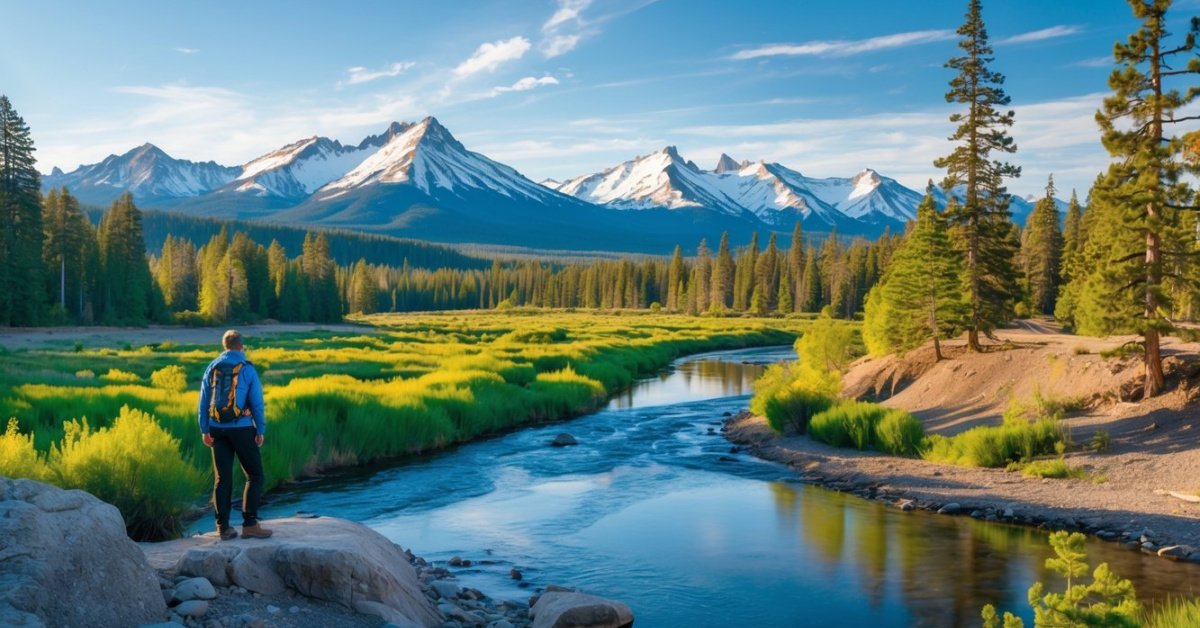
When I think about the history of Oregon the story of the Nez Perce always stands out. Their deep connection to the land stretches far beyond the borders of any map and their presence still shapes the region today. I find it fascinating how their traditions and stories have been passed down through generations carrying wisdom and resilience.
Exploring the heritage of the Nez Perce in Oregon feels like opening a window to a world where culture and nature are inseparable. Every trail river and mountain holds memories of their journey and legacy. I’m excited to share what I’ve learned about their enduring spirit and the ways their influence continues to inspire those who call Oregon home.
Historical Background of the Nez Perce in Oregon
The Nez Perce people lived across northeastern Oregon for thousands of years, especially in the Wallowa Valley, Imnaha River, and along the Grande Ronde River. I’ve walked many of these traditional sites myself, and each spot holds evidence of Nez Perce movement, seasonal camps, and historic trade routes. Known as the Nimiipuu, they developed complex societies built around fishing, root gathering, and horse culture long before settlers arrived.
European-American arrival in the early 1800s brought new pressures. The 1855 Treaty at Walla Walla, documented in federal archives (U.S. National Archives, Treaty With The Nez Perces, 1855), recognized large parts of northeastern Oregon as Nez Perce land. The 1863 “Steal Treaty” dramatically reduced their territory by over 90%, forcing many bands out and sparking conflicts.
Between 1877 and 1878, the Nez Perce War pushed Chief Joseph and the Wallowa band from Oregon. After a 1,170-mile journey resisting U.S. Army forces, his surrender ended permanent Nez Perce residence in the Wallowa Valley. Despite forced removals, families maintained connections, making annual return trips to ancestral fishing places and former village sites in Oregon.
Today, I find Nez Perce legacy visible at sites like Joseph Canyon Viewpoint and Old Chief Joseph Grave. Oregon state parks and the Nez Perce National Historic Trail preserve memory of the people and their history in the region. Archival records, local museums, and place names reflect Nez Perce roots embedded in Oregon’s landscape.
Key Sites and Landmarks Preserving Nez Perce Heritage
Several sites in Oregon keep Nez Perce history alive. These places give anyone—locals and visitors—real ways to experience and honor the Nimiipuu legacy firsthand.
Wallowa Valley
Wallowa Valley holds some of the strongest Nez Perce roots in Oregon. I always feel the heritage out here—especially around Wallowa Lake, which the Nez Perce consider sacred ground. The Chief Joseph Memorial honors Chief Joseph’s leadership and people. Landmarks like the Old Chief Joseph Gravesite and the Wallowa Band Nez Perce Trail Interpretive Center show how the Nez Perce lived, fished, and traveled here for centuries. Community runs, powwows, and interpretive signs keep those stories alive every season.
Nez Perce National Historical Park
Nez Perce National Historical Park protects dozens of cultural sites across the Nimiipuu homeland. The park unit in Oregon includes places like Dug Bar, where Chief Joseph’s band crossed the Snake River in 1877 at the start of their forced journey. Interpretive trails, markers, and exhibits share authentic Nez Perce history. Every year, descendants and guests gather at park sites for ceremonies, hikes, and educational programs that connect present generations with their ancestors’ stories. I learn something new about the Nez Perce every time I visit these protected landscapes.
Cultural Traditions and Community Life
Nez Perce traditions shape community gatherings across northeastern Oregon. I see cultural knowledge passed down as families return to key sites each year, bridging generations through ceremony and daily life.
Language and Storytelling
Language preserves the history and spirit of the Nez Perce community. I notice the Nimiipuu language—still spoken by elders and taught in youth programs—used during ceremonies and storytelling events throughout places like Wallowa County. Camp circles, seasonal celebrations, and family visits often include retellings of origin stories or lessons from history. These stories connect people to places like Wallowa Lake and the Imnaha River, and teachers use them to explain the landscape and values of their ancestors. Local events sometimes feature storytellers recounting the stories of Tuyya (Coyote) or Wyakin spirits, reinforcing intergenerational ties.
Traditional Practices and Festivals
Traditional practices and festivals hold cultural memory for the Nez Perce in Oregon. I regularly see families harvesting camas roots or fishing for lamprey in recognized gathering spots like the Grande Ronde and Wallowa valleys. The Nez Perce Wallowa Homeland summer gathering includes traditional games, drumming, dancing, and communal meals, drawing families from across the region. Horse riding, parade processions, and regalia-making workshops remain important, since these activities commemorate historical experiences. Annual events, such as Chief Joseph Days, feature Nez Perce participation, helping foster relationships with local non-Nimiipuu communities and teaching about Nimiipuu ways.
Challenges Faced by the Nez Perce in Oregon
Land Loss and Displacement
I see the legacy of land loss and forced displacement everywhere in Wallowa County, where the Nez Perce once thrived. Between 1855-1863, treaties cut their reserved land in Oregon by over 90%. Maps at the Wallowa Band Nez Perce Trail Interpretive Center show these dramatic boundaries. Families like Chief Joseph’s were pushed out and prevented from returning permanently, with U.S. military presence enforcing removals.
Broken Treaties and Legal Barriers
I’ve read primary sources highlighting the broken promises in the mid-19th century treaties. The 1863 “Steal Treaty,” rejected by many Nez Perce leaders, transferred millions of acres—especially in the Wallowa Valley—to US control. Court decisions and later policies rarely acknowledged traditional land claims, making legal battles for access, burial, and gathering rights an everyday challenge.
Cultural Suppression
I’ve met Nez Perce elders sharing how boarding schools banned the Nimiipuu language and spiritual practices well into the 20th century. Documents from Oregon Historical Society note that children faced punishment for speaking their language or practicing ceremonies. These assimilation policies created generational trauma and loss of cultural knowledge.
Restricted Access to Ancestral Lands
Most significant Nez Perce sites in Oregon, like traditional fishing locations near Imnaha or ancient camps at Wallowa Lake, now lie on private property or public lands with limited tribal access. Groups like the Nez Perce Wallowa Homeland Foundation actively negotiate with county officials to organize annual return events, but direct control remains limited.
Economic Marginalization
I regularly visit communities along the old Nez Perce migration routes and see the economic challenges left by historic dispossession. Federal policies restricted natural resource use and traditional trades, leaving many Nimiipuu families with fewer economic options than non-Native neighbors. Contemporary initiatives, such as Nez Perce-run ecotourism and cultural enterprises in Oregon, work to address these gaps.
Continued Advocacy for Rights
I attend tribal public meetings and see how Nez Perce leaders persistently press for their treaty rights, land access, and recognition in Oregon. Organizations like the Nez Perce Tribe of Idaho maintain partnerships, legal actions, and consultation roles with agencies managing public lands, though progress depends on shifting state and federal policies.
| Challenge | Impacted Communities | Time Period | Current Status |
|---|---|---|---|
| Land Loss and Displacement | Wallowa Band Nez Perce | 1855–present | Most original lands outside tribal control |
| Broken Treaties and Legal Barriers | Nimiipuu, Tribal Descendants | 1863–present | Ongoing legal efforts, partial access wins |
| Cultural Suppression | Nez Perce families, Elders | 1870s–1960s | Revitalization programs now underway |
| Restricted Access | Ceremonial, Fishing Groups | 1880s–present | Limited annual return events |
| Economic Marginalization | Rural Nez Perce, Youth | 1900s–present | New business, tourism, resource projects |
Modern Efforts to Preserve Nez Perce Legacy
Community initiatives drive Nez Perce heritage preservation in Oregon. I see the Wallowa Band Nez Perce Trail Interpretive Center in Wallowa as a hub for exhibitions, oral history, and school programs that share Nimiipuu knowledge. Annual events, like the Wallowa Homeland summer gathering and Chief Joseph Days in Joseph, feature drumming, dancing, fishing, and horse riding, connecting new generations to cultural traditions on ancestral land.
Language revitalization projects keep Nimiipuu heritage alive. I notice the Nez Perce Language Program, led by elders and language instructors, runs immersion classes, curriculum development, and digital archives. Lessons reach youth at events, in local schools, and through online resources, reinforcing identity and vocabulary connected to local places.
Partnerships with federal agencies and Oregon nonprofits support land stewardship. I track collaborations between the Nez Perce Tribe, the Nez Perce National Historical Park, and conservation groups, which help conserve sacred sites, protect archaeological resources, and restore native species. Shared management plans for areas like the Zumwalt Prairie and Wallowa Lake blend scientific method with tribal knowledge for long-term sustainability.
Legal advocacy and policy work address past injustices. I’ve read about tribal leaders and legal teams working for expanded land access, stronger cultural protections, and recognition of treaty rights. Ongoing dialogue with state agencies and local governments shapes land use, educational policy, and cultural tourism projects that benefit tribal communities.
Public education and outreach forge connections to place. Interpretive signage, local museum exhibits, traveling displays, and public lectures raise awareness of Nez Perce past and present throughout northeastern Oregon. I see school partnerships and community tours helping Oregonians see the Wallowa Valley as homeland, not just wilderness, ensuring cultural respect shapes every visit.
Conclusion
Learning about the Nez Perce in Oregon has deepened my appreciation for their resilience and the powerful ways they keep their heritage alive. Their connection to the land and enduring traditions inspire me to look at the places I love with new respect.
I hope we all continue to listen to Nez Perce voices and support efforts that honor their history. Their story is woven into Oregon’s landscape and spirit and it’s up to us to help keep that legacy strong for future generations.