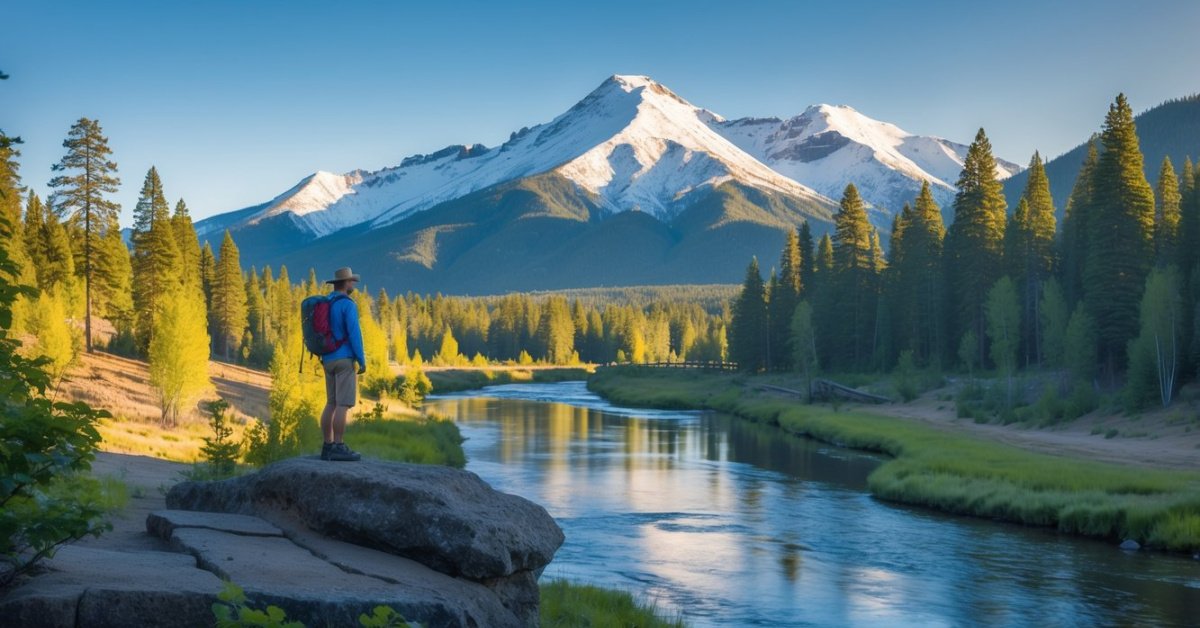
Whenever I need to escape the rush of daily life I find myself drawn to the Wallowa Mountains. Tucked away in northeastern Oregon these peaks offer a world where alpine lakes sparkle and wildflower meadows stretch out beneath endless skies. It feels like stepping into a postcard every time I lace up my boots.
Hiking here isn’t just about the trails—it’s about the sense of wonder that comes with every turn. Whether I’m climbing to a windswept summit or wandering through quiet forests there’s always something breathtaking to discover. The Wallowas never fail to remind me why I love the outdoors so much.
Overview of the Wallowa Mountains
I describe the Wallowa Mountains as Oregon’s true alpine gem, found in the state’s northeast corner. I see granite peaks, high-alpine valleys, and clear streams, all forming the range’s signature landscape. I recognize Eagle Cap Wilderness as the centerpiece, with over 350,000 acres marked by its glacier-carved basins and rugged ridges. I notice Matterhorn, Sacagawea Peak, and Eagle Cap as the dominant summits, each topping 9,000 feet.
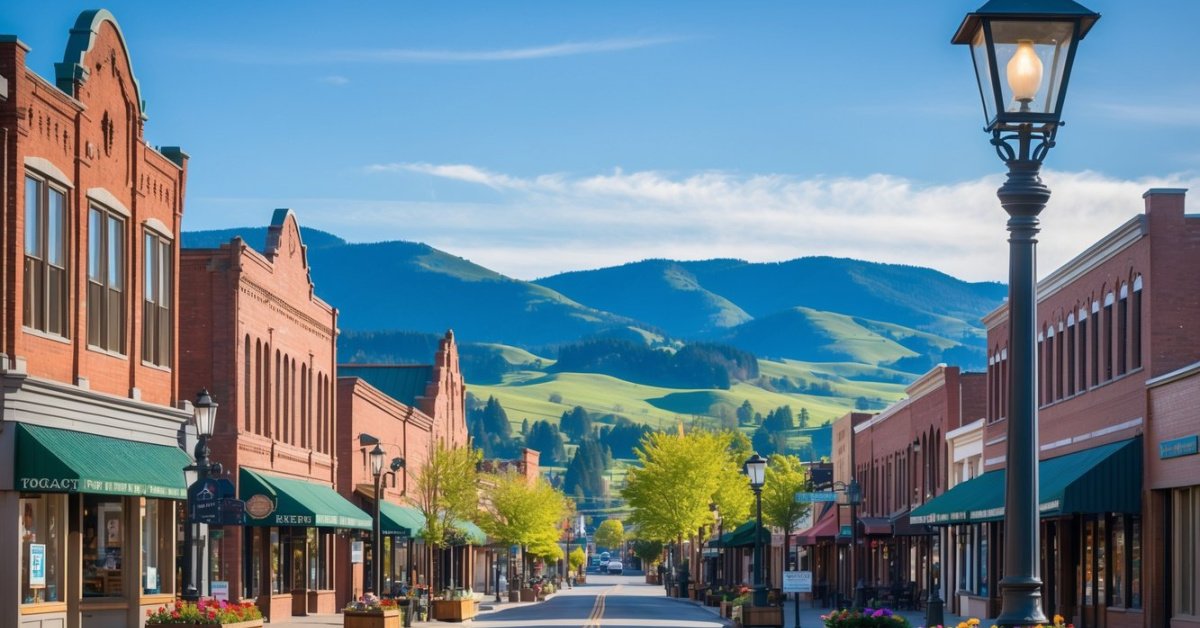
I explore small towns like Joseph and Enterprise, where trailheads and valley views define the local experience. I watch wildlife including mountain goats, mule deer, and golden eagles, with most sightings occurring along cirque basins and open meadows. I cross miles of forest, subalpine fir stands, and wildflower fields every summer, as snowmelt reveals the full scope of the ecosystem.
I measure the range’s isolation—120 miles from the nearest interstate—by how quiet the valleys stay, even in peak season. I track weather that shifts fast, with thunderstorms in July and lingering snowbanks through mid-June. I see the Wallowas as more than remote peaks; I see a landscape shaped by volcanic activity and glacial eras, now accessible through hundreds of miles of maintained trails.
Popular Hiking Trails in the Wallowas
Favorite Wallowa hikes take me into quiet valleys, over rocky passes, and beside blue mountain lakes. Trail networks range from easy family strolls to multi-day backcountry routes, all within the heart of Oregon’s most impressive peaks.
Eagle Cap Wilderness Routes
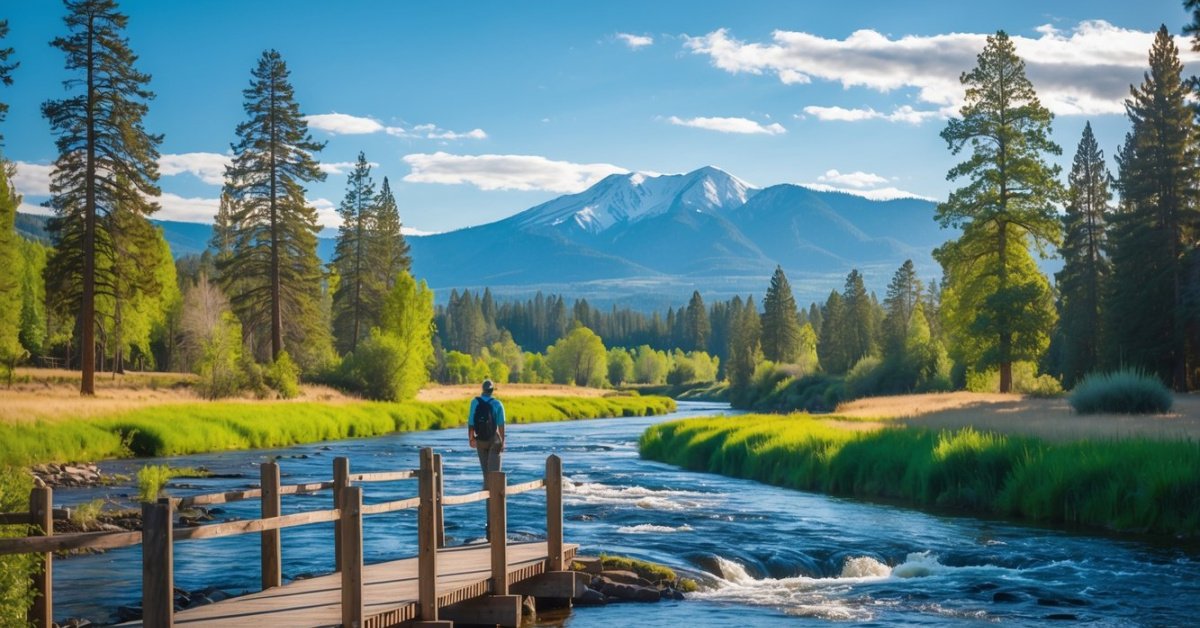
My top choice for big mountain scenery comes from the trailheads of Eagle Cap Wilderness. Trails here climb through open ridges, granite-lined valleys, and old-growth forests. I find nearly 500 miles of interconnected trails, many built along historic routes used by early cattle drives and tribal travelers. Examples like the West Fork Wallowa and Hurricane Creek Trails provide access to remote cirques and broad high-country meadows. Hikers regularly spot mountain goats above timberline and see wildflowers—especially lupine and paintbrush—at every turn from late June through August.
Lakes Basin Loop
Every time I walk the popular Lakes Basin Loop, I’m reminded why backpackers consider it the signature route in the Wallowas. This loop covers about 19 miles, linking alpine lakes like Mirror, Moccasin, Horseshoe, and Douglas. Elevation changes stay moderate, usually under 2,000 feet total, making it accessible for most fit hikers. Campsites are scattered along the shorelines, so I always find secluded spots even during July peak season. Snowfields sometimes linger until early July, and I often see bald eagles circling at sunrise over the rocky ridges.
Aneroid Lake Trail
Aneroid Lake Trail gives me an early-summer option when other trails run snowed-in. The hike starts at Wallowa Lake Trailhead and rises gradually for about 6.5 miles to a deep blue lake sitting at 7,500 feet. Along the way, hikers pass meadows that fill with glacier lilies in June and timber stands where elk bugle in fall months. Trail runners and day hikers take this route for its steady grade and spectacular summit vistas across the upper East Fork Valley. Adventure seekers head beyond Aneroid Lake, using cross-country routes toward Bonny Lakes or the high passes toward the Imnaha.
Scenic Highlights and Natural Beauty
Wallowa Mountains scenery impresses with sweeping vistas, vibrant wildflowers, and iconic Oregon landscapes. From high ridges to tranquil lakes, every turn reveals a new, unforgettable view.
Panoramic Vistas
Every hike in the Wallowa Mountains presents a unique vantage point. I find the lookout from the summit of Eagle Cap the most striking, where the view sweeps across dozens of emerald lakes, glacial basins, and the snowcaps of the entire range. Trail routes like the East Lostine and Ice Lake basin open up huge, open panoramas—snowfields, rushing creeks, and sprawling valleys, all framed by jagged granite peaks. Sunrise or sunset from any exposed ridge, like the Matterhorn or Sacagawea Peak, bathes the landscape in changing colors. On clear days, I even catch sight of distant peaks in Idaho and Washington.
Flora and Fauna
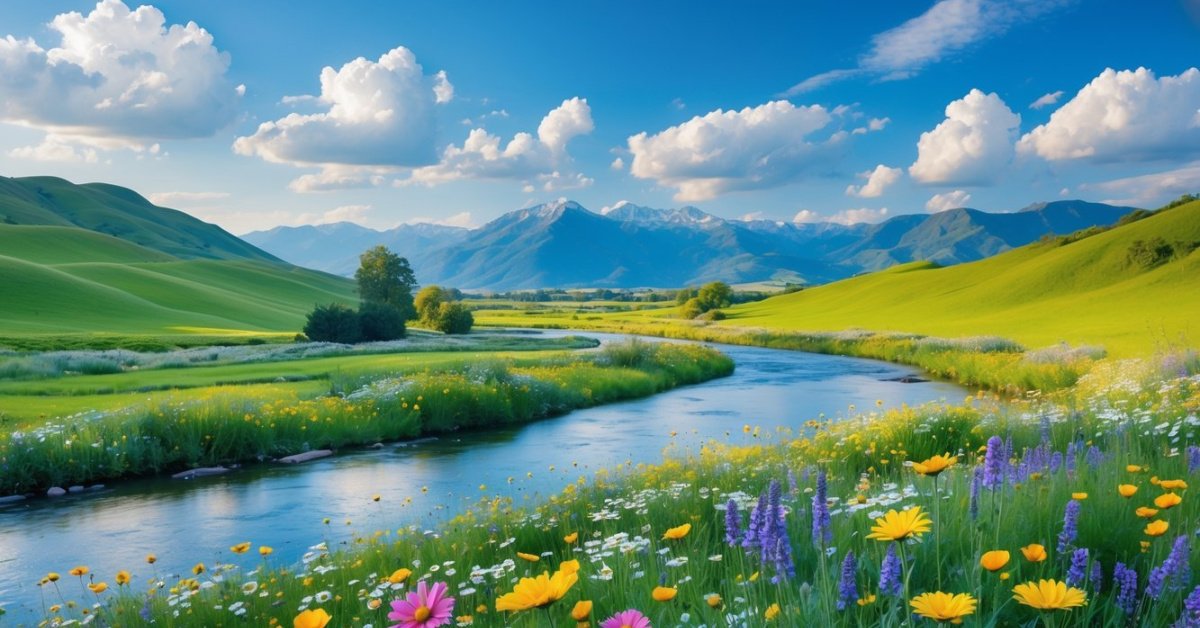
Wildflowers burst to life from late June through August. Meadows hold lupine, paintbrush, and monkeyflower—my favorites for their color and nearly endless spreads across open spaces. Subalpine forests and rocky outcrops host whitebark pine, mountain hemlock, and larch, with the autumn colors brightening entire hillsides. Wildlife encounters are common; mountain goats graze on rocky slopes above Mirror Lake, while mule deer cross trails in early morning. I watch golden eagles soaring in updrafts or spot pikas darting among talus fields. The Wallowas remain a natural haven for black bears, elk, and hundreds of bird species, with eagle and osprey nests prominent near larger lakes and waterways.
Tips for Hikers and Visitors
I’ve spent years hiking the Wallowa Mountains and know that a few practical tips make every adventure smoother. The right timing and solid preparation always create a better Wallowas experience.
Best Times to Visit
Late June through September brings the most reliable trail conditions and open access. I notice snow lingers on high passes into early summer, especially above 7,000 feet—for example, the Lakes Basin and Eagle Cap areas. Wildflowers peak in July, turning meadows into bright mosaics, while August delivers clear days and plenty of mountain breezes. Early September adds crisp air and fewer mosquitoes. Most trailheads remain accessible by road until heavy snow in October, when travel becomes unpredictable and some roads close.
Safety and Preparation
Every Wallowas trip starts with layered clothing. Weather in this range changes rapidly, even on sunny days. Thunderstorms sweep through in July and August, so I always pack a rain shell. Water sources like mountain creeks and lakes appear along most routes—bring a filter, since cattle graze in lower meadows. Bears rarely cause problems but store food away from tents if camping overnight. Reliable maps or a GPS device help on less-traveled trails; cellphone reception drops out quickly outside town limits. At higher elevations, altitude affects energy levels—pace yourself on steep switchbacks, especially near Matterhorn or Sacagawea Peak. I always register at trailheads or leave my plans with someone in town, just in case.
Conclusion
Every time I set foot in the Wallowa Mountains I’m reminded how rare it is to find a place where adventure and tranquility go hand in hand. There’s something about the crisp alpine air and the endless sweep of wildflower meadows that always calls me back. Whether I’m tackling a new trail or simply soaking up the views I know I’m somewhere truly special.
If you’re looking for a destination that combines epic scenery with a genuine sense of discovery the Wallowas never disappoint. I hope your own journeys here are filled with as much wonder as mine have been.