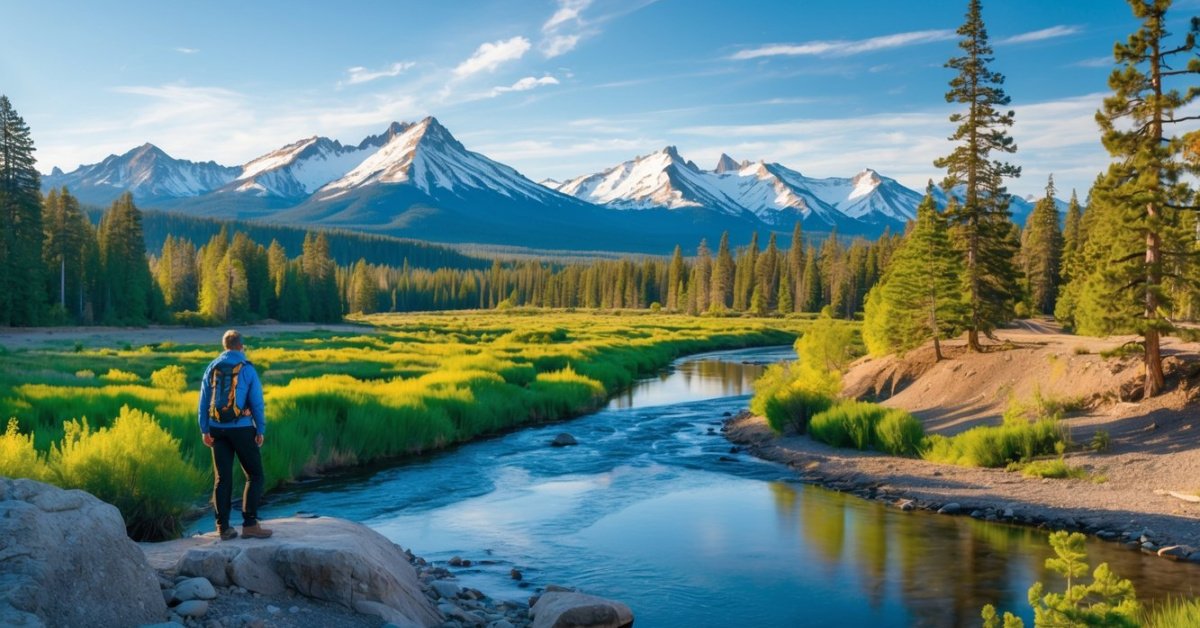
There’s nothing like the rush of paddling through wild rapids with the sun on my face and the roar of the river in my ears. The Rogue River calls to anyone craving adventure and a break from everyday routines. Its winding waters and lush forests promise both thrills and moments of pure peace.
Whenever I set out on the Rogue, I know I’m in for something unforgettable. Whether I’m navigating churning whitewater or drifting past hidden wildlife, every trip feels like a brand new discovery. If you’re ready to dive into one of Oregon’s most iconic rivers, I’ll walk you through everything you need to know for an epic rafting adventure.
Overview of Rafting on the Rogue River
Spanning southwestern Oregon, the Rogue River flows for 215 miles from the Cascade Range to the Pacific Ocean. I’ve rafted dozens of stretches and every trip reveals something fresh—lush forests, rocky outcrops, and wildlife like river otters and bald eagles. The river drops over 4 feet per mile on average, making it ideal for rafters seeking both excitement and scenic relaxation.
Three main sections make up the rafting experience: the Upper Rogue with brisk Class II-III waves (ex: Nugget Falls), the Wild and Scenic section with technical Class III-IV rapids (ex: Blossom Bar), and the Lower Rogue that caters to milder floats. Commercial outfitters operate throughout, offering guided trips ranging from half-day local floats to full three-day wilderness expeditions.
Rafting season typically runs from May to September depending on rainfall and snowmelt. Water temperatures hover from 50°F to 65°F during peak months. Permits are required for private trips in the Wild and Scenic section from May 15 to October 15, according to the Bureau of Land Management.
I always recommend packing synthetic layers, sturdy water shoes, and plenty of sun protection when rafting here. Local guides provide most rafting gear including high-quality rafts, paddles, and life vests.
Best Time to Go Rafting
Peak months for rafting on the Rogue River span from late May through early September, when water flows support safer and more exciting adventures. Warm weather settles in by mid-June, keeping daytime highs between 75°F and 90°F from June to August. These months bring the strongest currents and most reliable rapid conditions, especially in the famous Wild and Scenic section. I notice the Upper Rogue runs colder early in the season, with spring snowmelt raising flows and lowering water temperatures (closer to 50°F in May), so wetsuits become necessary for comfort in May and early June.
Late summer into early fall, by September, water temperatures tend to warm up toward 65°F as river levels drop, creating mellower rapids ideal for novice rafters or families with kids. Mosquitoes, which appear near shaded campsites and tributaries, decrease substantially by mid-July.
My experience shows weekends fill quickly, especially over holiday periods like Memorial Day or Labor Day, since the Wild and Scenic permits are limited for private trips. Midweek trips feel quieter and often allow for more flexible river camps.
If chasing wildflowers or wildlife is the priority, early June has peak blooms along the banks, with black bear or bald eagle sightings increasing as salmon runs grow later in summer.
Choosing the Right Rafting Adventure
Finding the right Rogue River rafting experience depends on personal comfort with rapids and interest in adventure or relaxation. I get plenty of questions about trip types and durations, so here’s what works best for different groups and skill levels.
Guided Tours vs. Self-Guided Trips
Guided tours on the Rogue River offer local knowledge, safety, and access to premium stretches—especially in the Wild and Scenic section. Outfitter guides handle logistics, provide gear, share stories of historic river icons like Zane Grey, and lead wildlife spotting around classic campsites or old fishing lodges. Popular outfitters include Rogue Wilderness Adventures, Orange Torpedo Trips, and ROW Adventures.
Self-guided trips appeal to experienced paddlers confident with Class III-IV rapids, especially in the Wild and Scenic zone between Grave Creek and Foster Bar. I remind folks that wilderness permits are mandatory from May 15–October 15. Private groups supply their own rafts, food, emergency gear, and arrange shuttles back to put-in spots. River familiarity is key—navigating Blossom Bar or Mule Creek Canyon without a guide requires strong reading of currents.
Recommended Trip Durations
Half-day trips suit travelers short on time, focusing on the Upper Rogue around Shady Cove with splashy Class II-III action. Full-day trips stretch into the Lower Rogue or Wild and Scenic corridor, combining technical rapids, side hikes at places like Rainie Falls, and riverside lunches. Multi-day float trips (2–4 days) on the Wild and Scenic section immerse you in remote canyon scenery, starry camp nights, and deeper wildlife encounters—river otters and black bears show up often. I recommend three-day floats for the balance of adventure, isolation, and river pace, especially for those chasing a true Oregon wilderness experience.
Essential Gear and Packing Tips
Packing for a Rogue River rafting trip calls for smart choices. Over years of exploring the Rogue and rafting with locals, I’ve learned that picking the right gear makes the difference between comfort and misery. Synthetic fabrics, not cotton, dry quick after icy splashes—think polyester shirts or quick-dry shorts. Layers matter, especially early and late season; I pack a fleece jacket and a waterproof shell every time.
Sturdy water shoes, such as river sandals or neoprene booties, keep feet secure on shifting riverbeds and at rocky launch points. Old sneakers gather sand and never fully dry, so I don’t recommend them. A wide-brimmed hat, sunglasses with a strap, and a lightweight buff or bandana protect against harsh sun bouncing off the water.
Dry bags, either provided by outfitters or personal 10–20L models, safeguard essentials—my must-pack list includes sunscreen (SPF 30+), lip balm, compact first aid kit, snacks like trail mix or jerky, phone in a waterproof pouch, and an insulated water bottle. On guided trips, outfitters handle the rafting gear: life jacket, paddle, helmet, and sometimes splash jackets, but I always call ahead for specifics.
For multi-day floats, I bring a tent, sleeping bag rated for 40°F, camp pillow, and my favorite sit pad. Outfitters usually provide camp kitchen sets and dry storage, but personal comfort items—like bug spray and small camp towels—go far. I keep clothes for camp in a separate dry bag from river gear to guarantee something dry at day’s end.
Here’s a quick reference list I use before every Rogue River rafting trip:
- Clothing: Synthetic shirts, quick-dry shorts, lightweight fleece, waterproof shell, swimsuits (Patagonia, REI Co-op)
- Footwear: Neoprene booties, river sandals (Astral, Chaco, NRS)
- Sun Protection: Wide-brim hat, sunglasses with retainer, sunscreen, lip balm, buff
- Storage: 10–20L dry bag, zippered waterproof pouch for electronics
- Hydration & Snacks: Stainless water bottle, high-calorie snacks, electrolyte tabs
- Safety & Comfort: First aid kit, insect repellent, camp towel, small headlamp
- Overnight (multi-day): Tent, sleeping bag (40°F+), camp pillow, spare camp clothes
I always check river levels and weather before packing, since Rogue River conditions change quick—especially during spring floods or heat waves. If you’re new to Oregon rivers, local outfitters and gear shops in Grants Pass or Medford can answer questions and help you prep for Oregon’s most iconic rafting runs.
Safety Considerations on the Rogue River
My years rafting the Rogue River around Oregon have shown me that safety preparation shapes every great trip. Rapids, wildlife, and quick-changing weather all affect the river’s character in different seasons and stretches.
Key Hazards on the Rogue River:
- Fluctuating river levels, especially after heavy rain or snowmelt, increase rapid intensity and sweep debris into the currents.
- Technical rapids, like Rainie Falls and Mule Creek Canyon in the Wild and Scenic section, demand precise navigation.
- Sudden weather shifts, with summer thunderstorms or chilly rain even in June, impact exposure and comfort.
- Wildlife, including black bears and rattlesnakes along shorelines, make awareness and secure food storage essential.
Personal Safety Basics:
- Always wearing a properly fitted Coast Guard-approved PFD, regardless of swimming ability, keeps me and my group legally compliant and protected in unexpected swims.
- River shoes with solid traction, such as those with closed toes and sturdy soles, guard against sharp rocks and help with footing during portages or scouting.
- I stash a dry bag with extra layers, snacks, water, a whistle, basic first aid supplies, and a quick-deploy throw rope for emergencies.
- For guided trips, professional outfitters brief guests on local hazards, rescue protocols, and team paddling commands before launching.
- On self-guided floats, filing a float plan and checking the latest river status at www.oregon.gov or the Bureau of Land Management page helps my crew stay current.
Local Rules and Permits:
- The Wild and Scenic section limits private launches during peak season, with permits granted through a lottery system accessed each year at recreation.gov.
- Campfires are often restricted from June to October, based on conditions reported by the Rogue River-Siskiyou National Forest.
- Respectful camping, packing out all trash, and storing food in bear-proof containers protect both guests and local wildlife.
Emergency Contacts:
| Service Type | Contact Number (24/7) | Location |
|---|---|---|
| Search & Rescue | 911 (Jackson, Josephine Co.) | Rogue River corridor |
| Ranger Station | 541-878-4100 | Prospect, OR |
| Weather Alerts | www.weather.gov/medford | Medford, OR region |
| River Conditions | www.blm.gov/or/resources | Wild and Scenic area |
Familiar routines—like checking every strap and re-confirming group roles—help me keep my friends safe. Oregon’s Rogue River rewards experience with unforgettable adventure if I respect the river and never underplay its power.
Wildlife and Scenery Along the River
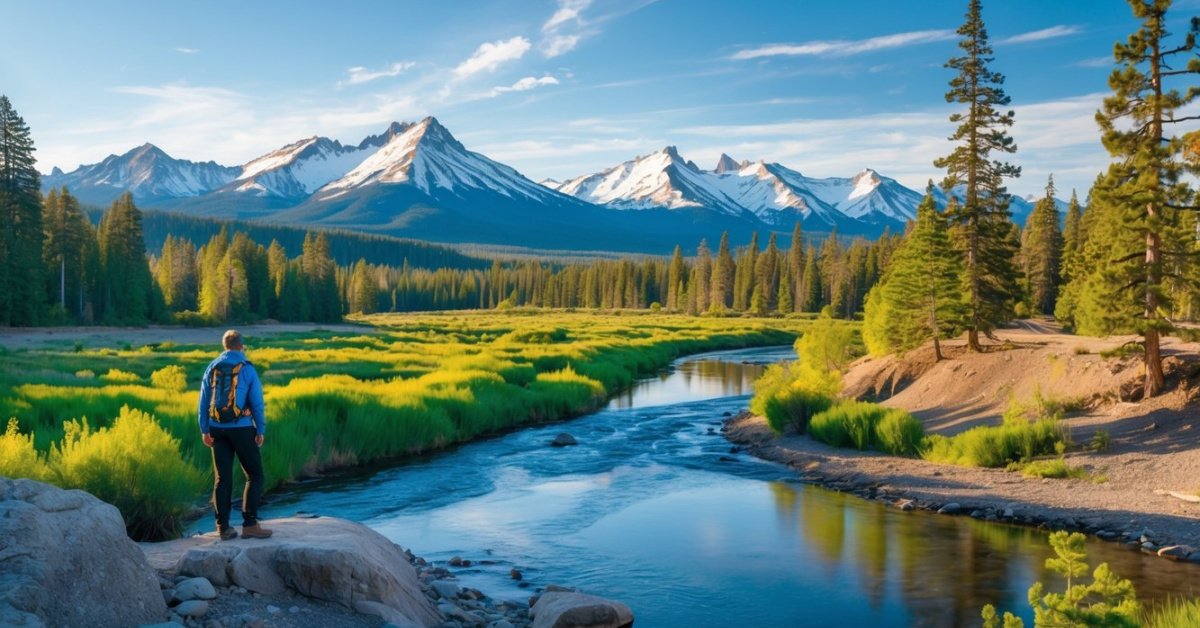
Scenic diversity stands out along the Rogue River’s 215 miles. Dense Douglas fir forests, grassy meadows, and sheer volcanic bluffs line the banks. Waterfalls such as Rainie Falls thunder beside the river, while moss-draped maples and towering ponderosa pines shade campsites and eddies.
Wildlife sightings feel common, especially early in the morning. Bald eagles soar above most river bends. Ospreys hunt trout in quiet pools. On calm floats, I often spot river otters swimming near gravel bars. Black-tailed deer and wild turkeys graze in meadows adjoining the Wild and Scenic corridor. Lucky rafters sometimes glimpse black bears or even the rare Pacific fisher along remote stretches, though these encounters stay brief and distant.
Chinook salmon and steelhead runs add movement below the surface. In September and October, salmon leap through shallows and over rocks during their upstream migration. Local guides point out spawning beds—gravel patches that glitter with life on clear days.
Wildflower clusters flourish in late spring. Oregon iris and lupine blanket sunlit slopes in dense purple and gold. Rhododendron shrubs bloom in shady draws, especially around Mule Creek Canyon and Blossom Bar. Insect life appears vibrant in June. Swallowtail butterflies and dragonflies dart among riverbanks and campsites.
I often hear western tanagers and varied thrushes singing in the early hours. Red-legged frogs and rough-skinned newts remain common in side channels and backwater pools. If you paddle quietly, painted turtles sometimes bask on sun-warmed rocks or log jams.
Scenery changes dramatically by section. The Upper Rogue’s cold water rushes past basalt outcrops and deep evergreen forest, while the Wild and Scenic stretch showcases high cliffs, sun-bleached forests, and hidden side creeks, each with its own ecosystem. Lower Rogue riverbanks flatten near Agness, replaced by willows and sandy bars crowded with waterfowl—great blue herons, mergansers, and kingfishers among them.
In every season I visit, Rogue River wildlife and scenery combine for a distinctively Oregon experience, shaped by a landscape that feels wild, alive, and full of opportunity for surprise.
Top Tips for an Unforgettable Experience
- Arrive Early for Launch Flexibility
I reach the riverfront at least 30 minutes before launch to sort out last-minute gear, check current water conditions, and chat with guides or rangers. Early mornings near Galice or Grave Creek bring quieter put-ins and increase chances to watch undisturbed wildlife like osprey and deer grazing along the shore.
- Buddy Up with Locals or Guides
I always connect with veteran guides, especially from established Rogue outfitters. Locals know micro-currents, recent logjams, and optimal lunch stops—details maps or apps rarely provide. On the Wild and Scenic section, they point out hidden swimming holes and safe portages for Class IV drops.
- Keep Essentials Dry and Accessible
Dry bags save my phone, map, and snacks every trip. I keep extra zip-top bags inside for small items and stash everything in an easily accessible spot, since flipping a raft or quick swim at Blossom Bar can mean lost gear.
- Dress for Conditions, Not Just Forecasts
I use moisture-wicking layers under splash jackets, even in July, since Rogue morning fog and sudden rain squalls are common. For spring trips, a neoprene cap and gloves make a difference when paddling through chilly rapids, especially at Mule Creek Canyon.
- Practice Team Paddling Skills
Before hitting Class III or higher, I join my team in a short “dry run” on flat water, using basic paddle commands like “all forward” and “high side.” This helps everyone react instantly when hitting big hydraulics or technical rock gardens.
- Pack River-Friendly Snacks and Hydration
Energy bars, dried fruit, and reusable water bottles fit easily in my jacket pockets. Hydration breaks prevent cramping and energy slumps, especially during multi-mile floats between Rainie Falls and Paradise Creek.
- Respect Local Regulations and Etiquette
I check for updated permit requirements and respect all posted campsites or restricted zones, especially from May to September. Where possible, I follow Leave No Trace practices—packing out trash and minimizing camp impact—to help keep the Rogue as wild as I found it.
- Take a Moment to Disconnect
Cell service vanishes quickly near Horseshoe Bend, so I silence my phone and focus on the pulse of the river. I pause near quiet coves, close my eyes, and imprint the waterfall echoes and old-growth pine scents that make the Rogue uniquely Oregon.
Conclusion
Rafting on the Rogue River always leaves me with a sense of awe and gratitude for Oregon’s wild places. Each trip brings something new whether it’s spotting a bald eagle or sharing laughs with friends as we paddle through the rapids.
If you’re craving adventure and a true escape into nature the Rogue has a way of delivering both. I hope this guide inspires you to grab a paddle and create your own story on these legendary waters. There’s nothing quite like the rush of the river and the quiet moments in between.