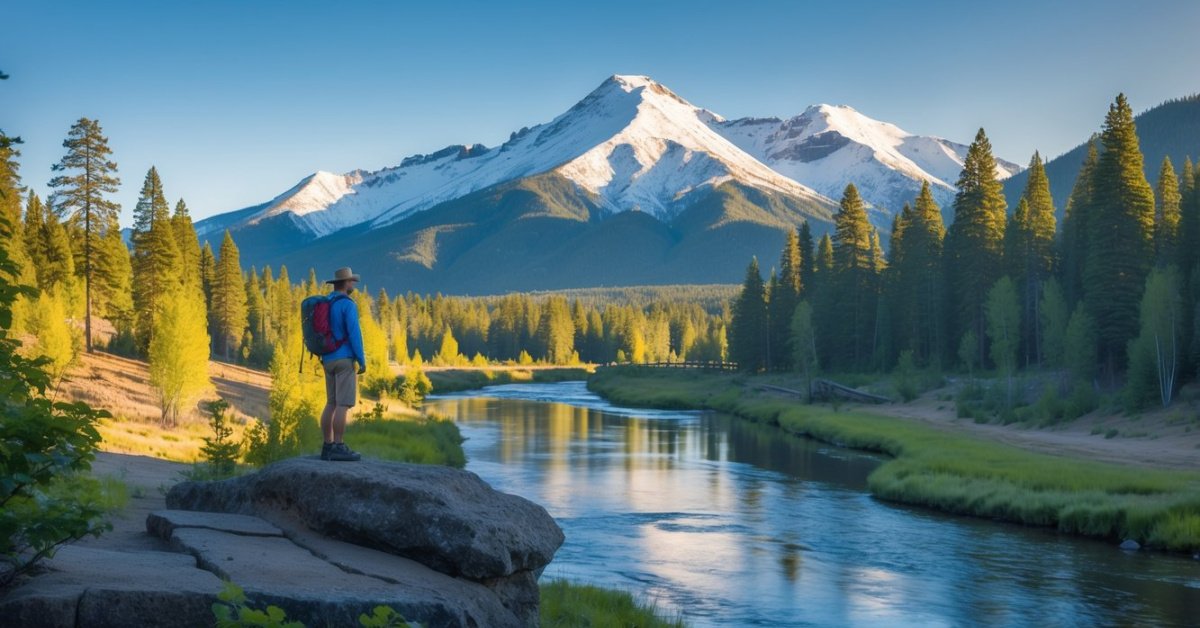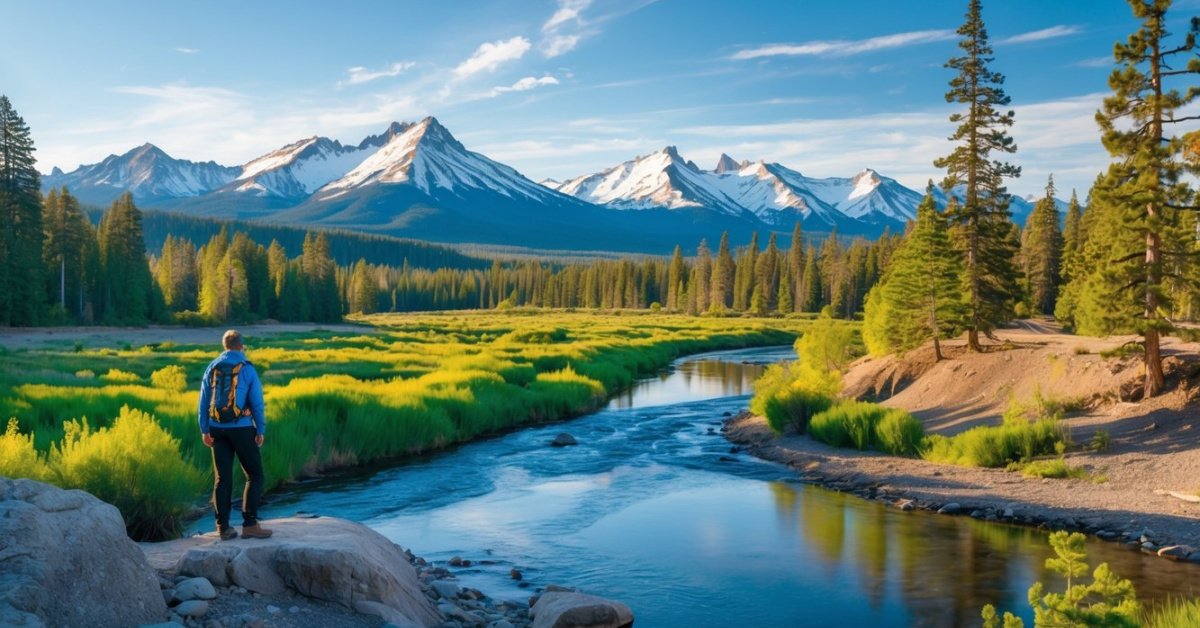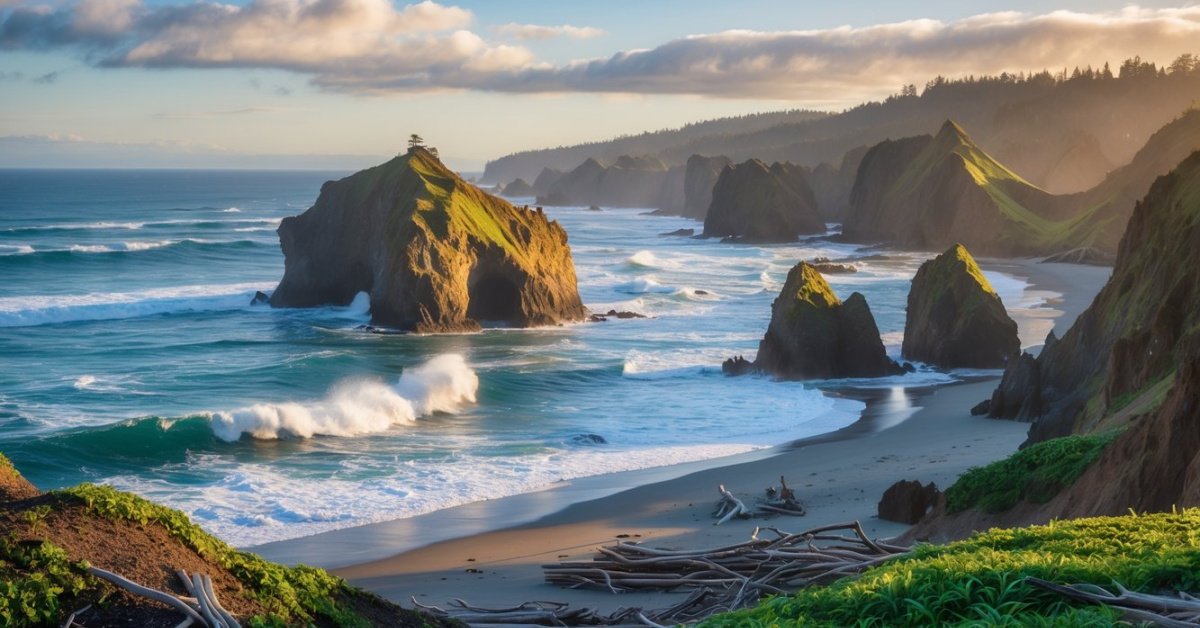
Oregon always calls to my adventurous side with its wild landscapes and endless possibilities. Whether I’m craving a quiet hike through mossy forests or itching to carve fresh tracks down a snowy slope there’s always something to get my heart racing. The state’s natural beauty just begs me to step outside and explore.
I love how every season brings a new way to play. One day I’m soaking in sweeping mountain views on a summer trail and the next I’m bundled up for a chilly morning on the ski lifts. It’s the thrill of the unknown and the promise of discovery that keep me coming back for more.
Exploring Outdoor Sports in Oregon: Hiking to Skiing
Hiking opportunities in Oregon cover old-growth forests, high desert, and coastal headlands. I frequent trails like the Eagle Creek Trail in the Columbia River Gorge for waterfalls, the Misery Ridge Trail at Smith Rock for basalt cliffs, and Cape Lookout for sweeping ocean views. Trailhead access stays open year-round in regions west of the Cascades, while snow covers high passes like Mount Jefferson from November through May.
Skiing areas in Oregon provide options for alpine skiing, snowboarding, and Nordic skiing. I ski on Mount Hood at Timberline and Mount Bachelor near Bend for reliable snow, long seasons, and wide-ranging terrain. Timberline Lodge has North America’s only year-round lift-served skiing due to its high elevation. Cross-country trails at Teacup Lake and Willamette Pass offer groomed tracks suited for families as well as advanced skiers.
Climbing and bouldering sites spread across the state. I recommend Smith Rock State Park for sport climbing routes that attract international visitors, with grades from 5.6 to 5.14. Southern Oregon’s Cascade-Siskiyou National Monument hosts quieter multi-pitch trad climbs and volcanic tuff boulders, with easy access from Ashland.
Water-based outdoor recreation features guided rafting on the Rogue and Deschutes Rivers each summer, plus kayaking at Clear Lake and the Siltcoos River. Anglers focus on steelhead runs in the Umpqua and trout in the Metolius, with local guides increasing success rates on fly or spin gear. Coastal spots like Cannon Beach and Short Sand Beach bring consistent surfing conditions, with best breaks from September to April.
Best Hiking Destinations in Oregon
Oregon’s hiking trails span forested valleys, wild coastline, and volcanic peaks. My years on these trails have shown me the best spots for every skill level and season.
Top Trails for Beginners
- Tryon Creek State Natural Area
Easy access and well-maintained paths define Tryon Creek right in Portland. I often see families and birders exploring loops like the 2.1-mile Old Main Trail, under tall maples and red alders.
- Silver Falls State Park
Flat segments along the Trail of Ten Falls let new hikers walk through a temperate rainforest. Walk behind South Falls and Lower South Falls—features found only here.
- Tualatin Hills Nature Park
Wide paved trails with signage wind through wetlands and forests in Beaverton. I spot deer in the morning and enjoy the quiet 1.5-mile Vine Maple Trail.
Advanced Hiking Adventures
- Eagle Creek Trail, Columbia River Gorge
Steep, rocky terrain and narrow ledges put this trail at a high difficulty level. I navigate 12 miles round-trip to reach Tunnel Falls, seeing dramatic canyon walls and waterfalls along the way.
- Mount Defiance Trail
Gain of 4,900 feet in just 5 miles challenges even veteran hikers like me. Views at the summit include the Columbia River and snow-capped peaks on clear days.
- Misery Ridge, Smith Rock State Park
Exposure and steep switchbacks pack this 3.7-mile loop. I scramble over basalt and spot rock climbers as I ascend for panoramic high desert views.
Oregon’s Prime Skiing Locations
I find Oregon’s skiing scene as dynamic as its hiking, shaped by the state’s unique mountain geography and legendary winter storms. Prime resorts and untamed backcountry runs both offer memorable experiences through long ski seasons and dramatic alpine settings.
Popular Resorts and Slopes
- Mount Hood: I often head to Mount Hood, located 50 miles east of Portland, for its wide terrain and reliable snow. Timberline Lodge operates North America’s only year-round lift-served skiing, with Palmer Snowfield open through most summers. Mount Hood Meadows draws advanced and intermediate skiers with over 2,150 vertical feet and 2,150 acres, while SkiBowl features the largest night skiing terrain in the US with 960 acres.
- Mount Bachelor: Located just west of Bend, Mount Bachelor is Oregon’s largest ski area with 4,323 acres and a 3,365-foot vertical drop. The resort’s dry powder and bowl skiing keep me coming back, and the Nordic center offers 56 kilometers of groomed trails—one of the top cross-country destinations in the Pacific Northwest.
- Hoodoo Ski Area: For a less crowded option, I recommend Hoodoo near Sisters, established in the 1930s. With 800 skiable acres and affordable pricing, Hoodoo attracts families and locals, and its night skiing covers 23 runs.
- Willamette Pass: I enjoy Willamette Pass for the steeper runs and tree skiing, featuring 29 runs and 1,563 vertical feet just off Highway 58 in the Cascades.
Backcountry and Cross-Country Skiing
- Mount Hood National Forest: Backcountry skiing in Mount Hood National Forest delivers fresh tracks and solitude. I follow the White River Canyon area for reliable powder and clear mountain views. The Tilly Jane trail provides a steady uphill tour through historic fire cabins.
- Three Sisters Wilderness: For ski touring, I explore the Three Sisters Wilderness south of Sisters. Broken Top and Tumalo Mountain draw experienced backcountry skiers with steep bowls and open glades. Avalanche training is essential on these routes.
- Deschutes National Forest: Cross-country networks wind through areas like Swampy Lakes, Meissner Sno-Park, and Virginia Meissner, each offering marked loops of varying difficulty. I favor the groomed Nordic trails near Bachelor for classic and skate skiing.
- Willamette National Forest: Gold Lake Sno-Park and Ray Benson Sno-Park provide cross-country trails through quiet forest corridors. The snow tends to be deep and soft most winters, creating excellent gliding conditions.
I see a diverse mix of experiences each winter, from high-speed resort riding to quiet snowshoe approaches in Oregon’s vast wild lands.
Essential Tips for Outdoor Sports Enthusiasts
Exploring Oregon’s outdoors takes some planning—weather and terrain change fast, and local knowledge makes every trip easier. I’ve picked up practical tips after countless hikes, ski trips, and river runs all over the state.
Safety and Preparedness
Checking local weather changes matters, since Oregon’s mountain and coastal conditions can shift in minutes. I always tell people to review avalanche forecasts on sites like the Northwest Avalanche Center before heading into the mountains from November through April. If I’m out on the coast, I keep an eye on tide tables and sneaker wave advisories—especially on rocky beaches or near headlands.
Packing a paper topographic map pays off, since cell coverage vanishes on trails like those in Mount Jefferson Wilderness or the Wallowas. I always text a friend my trip plan—location, expected return, and a backup location—before leaving. For winter, I carry a headlamp, space blanket, and a small first aid kit, even for short snowshoe hikes. When hiking in exposed areas like Smith Rock, I pack extra water and electrolyte powder, since heat spikes dry out the terrain fast by midday.
Gear Recommendations
Proper layering keeps me comfortable and safe year-round. For hikes, I start with wool socks and a moisture-wicking base layer, since Oregon’s humidity and rain chill more than they seem. Out in the Cascades, I rely on waterproof shell jackets—brands like Patagonia and Outdoor Research handle wet branches and sudden storms. In winter, ski gloves and goggles are musts, especially at Mount Bachelor or Hoodoo, where wind freezes bare skin in minutes.
For backpacking or multi-sport days, I use a pack with a rain cover, and I always include a basic water filter—melting snow or drinking from lakes like Clear Lake needs extra care. Traction devices like Microspikes or Yaktrax work well on icy trails below Mount Hood, and adjustable trekking poles help my knees on long descents. On the coast, I keep a windbreaker handy even on warm mornings—wind picks up without warning near spots like Cape Perpetua.
Here’s a summary of Oregon-tested outdoor gear essentials:
| Gear Item | Typical Use | Oregon Example Location |
|---|---|---|
| Wool base layers | Warmth, moisture control | Eagle Cap Wilderness |
| Waterproof shell | Rain and wet brush | Silver Falls State Park |
| Traction devices | Icy/snowy trail safety | Mount Hood |
| Water filter | Stream or lake refills | Three Sisters Wilderness |
| Headlamp | Low-light or emergency navigation | Deschutes River Trail |
| Trekking poles | Steep descents, river crossings | Mount Defiance Trail |
Test all gear close to home before longer trips—Oregon’s trails reward preparation, not improvisation.
Seasonal Considerations for Outdoor Activities
Winter conditions in Oregon heavily influence outdoor sports like skiing, snowboarding, snowshoeing, and fat biking. I see the deepest snowpack on Mount Hood, Mount Bachelor, and the Wallowas from December through March. Highways near popular destinations close during blizzards, so I always check the Oregon Department of Transportation tripcheck service before driving on mountain routes. Nighttime temperatures at elevation drop below 15°F consistently by January.
Spring in western Oregon means muddy trails and rapidly changing weather. I watch wildflower blooms in the Columbia River Gorge most years between late March and early May, but some trails remain closed due to landslides or high water. Snowmelt makes river crossings challenging on hikes in the Cascades, so I pack quick-drying gear and check water levels for trails like Maple Pass and Jefferson Park.
Summer brings stable weather to most of Oregon but also wildfire risk across southern and eastern areas. Campfire bans often take effect by July. I monitor the Oregon Department of Forestry’s fire danger updates before planning overnight trips. Popular hiking routes like Dog Mountain and South Sister get crowded, especially on weekends, which makes weekday trips the best option for solitude. High-elevation trails in the Elkhorns and the Wallowas become accessible from late June until early September, depending on snowmelt.
Autumn is my favorite hiking season in Oregon thanks to cool temperatures, brilliant foliage, and fewer crowds. I explore areas like the McKenzie River Trail and Silver Falls State Park through October. Hunting seasons begin in many forested regions, so I wear bright colors and listen for activity. Early snow at higher elevations sometimes cuts off access to mountain passes by mid-October.
I plan every trip with Oregon’s varied microclimates in mind, from rain on the Coast to blazing summer sun in central deserts. Flexible plans, updated forecasts, and season-specific gear make every outing safer and much more enjoyable anywhere in the state.
Conclusion
Oregon never fails to surprise me with its endless options for outdoor adventure. Every season brings a new reason to get outside whether I’m chasing waterfalls or carving fresh snow.
No matter how many trails I hike or slopes I ski there’s always something left to discover. If you love the outdoors as much as I do you’ll find that Oregon’s wild beauty has a way of drawing you back again and again.