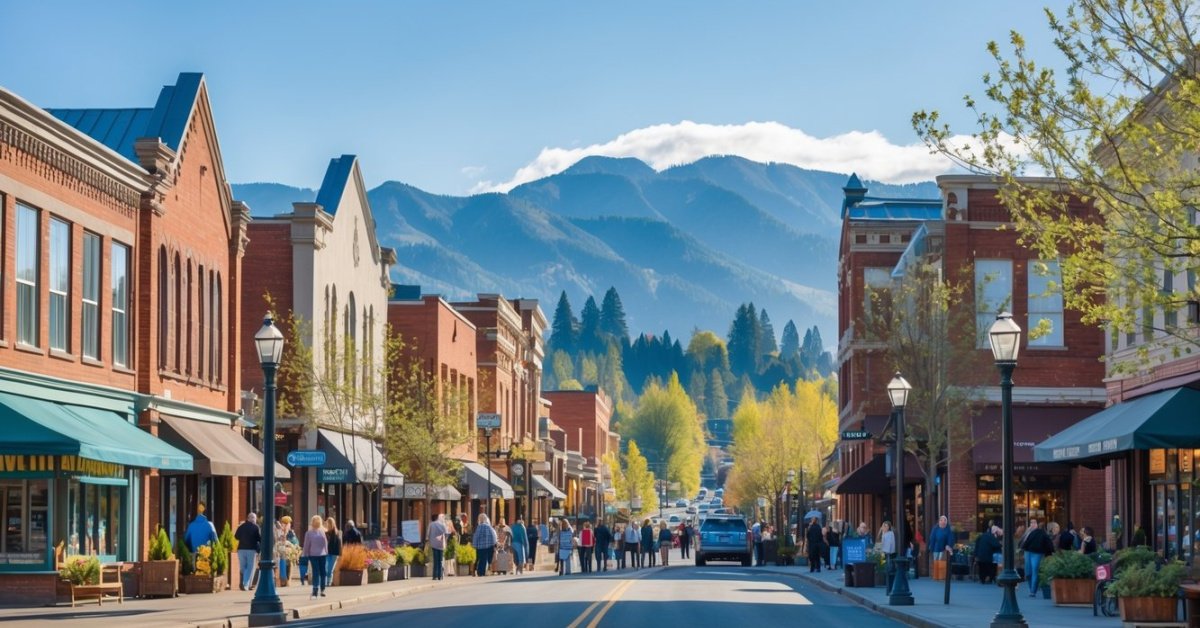
There’s something magical about wandering through Oregon’s craft fairs. I love the feeling of discovering unique treasures made by passionate hands and creative hearts. Each booth tells a story and every handmade item has a touch of personality you just can’t find in big-box stores.
I find myself drawn to the vibrant colors the scent of fresh wood and the friendly chatter that fills the air. Whether I’m searching for a one-of-a-kind gift or just soaking up the local vibe I always leave inspired. Oregon’s craft fairs aren’t just about shopping—they’re about connection and community.
Exploring Oregon’s Craft Fairs: Handmade Goods
Walking into Oregon’s craft fairs, I find endless rows of handmade goods by craftspeople from Ashland to Astoria. Pottery pieces shaped in Bend, jewelry crafted in Eugene, and textile arts dyed in Pendleton show off regional influences. At Salem’s Saturday Market, I see ceramics with local wildflowers pressed into the clay, woodworkers at Corvallis fairs using reclaimed Douglas fir beams, and candle makers in Portland using beeswax from Willamette Valley apiaries.
Shoppers usually come for the variety of handmade goods. I see artisan soaps, one-of-a-kind glass art, handcrafted leather wallets, fused metal earrings, and even handspun alpaca yarn. Many vendors talk about their ingredients and sourcing. At small booths, I’ve heard why a particular willow is used for baskets or where wool for hats grew on a Cascade farm. These stories thread through each product, whether I’m at the Lane County Fairgrounds or a pop-up event in Hood River.
Every part of Oregon puts its mark on what crafters sell at fairs. Coastal artisans use driftwood and oyster shells for decor, high desert painters capture rimrock views in watercolors, and mountain smiths sometimes hammer silver at their stalls. Because I’ve watched these artists at work across Oregon, I know craft fairs here aren’t just for shopping—they’re a showcase of local skill and Oregon’s distinct sense of place.
What Makes Oregon’s Craft Fairs Unique
Oregon’s craft fairs stand out with their sense of place and deep artisan roots. Living here all my life, I’ve seen that every fair pulses with local identity and care built by makers who call Oregon home.
Local Artisan Community
Oregon’s craft fairs pulse with a true community of makers. Artisans often live in the same towns where they sell pottery, textiles, jewelry, or woodwork, like the ceramicists in Bend or leather workers in the Willamette Valley. Vendors greet shoppers by name and share stories about river hikes, Eugene studio sessions, or family traditions behind each piece. Regulars recognize artists across multiple events, creating a genuine connection that’s rare outside Oregon. I’ve met glass artists from Ashland trading feedback with metalworkers from Portland, each one rooting their creations in the landscapes and neighborhoods they represent.
Emphasis on Sustainability and Quality
Oregon’s craft fairs focus on sustainable practices and high-quality goods. Many vendors prioritize regionally sourced materials, like reclaimed fir for cutting boards or Pendleton wool for bags. Shoppers find goods crafted without shortcuts, from herbal soaps using native lavender to jewelry with responsibly mined Oregon sunstones. Makers often describe their environmental practices face to face, such as reusing rainwater in their dye work or avoiding plastics in packaging. Each purchase at Oregon’s fairs supports artisans who care about their impact and craft, reflecting values I see embraced statewide.
Types of Handmade Goods You’ll Find
Oregon’s craft fairs fill each row and booth with unique handmade goods I rarely see anywhere else. Each region brings a distinctive mix, shaped by local talent and materials.
Jewelry and Accessories
Artisan jewelry and accessories stand out at almost every Oregon craft fair. I often see hand-forged silver earrings, locally sourced agate pendants, and beaded necklaces with Willamette Valley seed beads. Makers from Eugene to Portland offer upcycled leather wallets, felted hats, and eco-friendly tote bags, reflecting a clear blend of function and artistry.
Pottery and Ceramics
Pottery and ceramics from Oregon’s craft fairs capture the feel of the state’s diverse landscapes. I find earthy mugs glazed with Cascade Mountain hues, vases painted with wildflower motifs, and decorative plates using Oregon Coast driftwood for patterning. Bend and Ashland potters experiment with Raku and stoneware, showing off impressive skill honed in local studios.
Textile Arts and Clothing
Textile arts and clothing display Oregon’s rich weaving and fiber tradition. I come across hand-dyed scarves using indigo grown near Junction City, Pendleton wool caps, and embroidered aprons featuring local flora. Knitted socks and mittens from sheep raised in eastern Oregon appear next to felted purses, each piece crafted for everyday use and durability.
Woodwork and Home Decor
Woodwork and home decor offer the most direct link to Oregon’s forests. I spot cedar cutting boards, maple jewelry boxes, and lamps made from salvaged barn beams. Artisans shape hand-carved spoons, coastal driftwood mirrors, and mid-century inspired reclaimed oak shelves, all with visible Pacific Northwest influences.
Each category in Oregon’s craft fairs reveals dedicated craftsmanship and a strong sense of place, with every purchase supporting local creative work.
Noteworthy Craft Fairs in Oregon
Oregon’s craft fairs feature diverse handmade goods that highlight the state’s creativity. I’ve attended these fairs over several years and noticed their distinct atmospheres and top artisan offerings.
Portland Saturday Market
Portland Saturday Market, open March through December along Tom McCall Waterfront Park, is the largest continually operating outdoor arts and crafts market in the US. Each weekend, I find over 250 local vendors selling everything from hand-thrown pottery and letterpress prints to screen-printed shirts and intricate leatherwork. Food carts and live music add to the market’s vibrant spirit, drawing visitors and locals alike. With vendors like Wild Rose Herbals and Portland Caramel Company, the market’s product selection ranges from botanical skincare to small-batch treats—all crafted by Oregon hands.
Eugene Holiday Market
Eugene Holiday Market transforms the Lane Events Center every November and December into a festive bazaar celebrating regional art. Vendors offer one-of-a-kind works including lampworked glass jewelry, wooden toys, hand-poured candles, and tie-dyed clothing. I always appreciate the diversity here: over 200 booths showcase gifts for every taste, including award-winning ceramics from local potters and stitched goods from Willamette Valley sewists. The market also features a packed schedule of live music, making each visit lively and memorable.
Oregon Flock and Fiber Festival
Oregon Flock and Fiber Festival, held at the Linn County Expo Center in Albany each fall, celebrates Oregon’s fiber arts culture. This fair stands out for its hands-on feel; visitors watch sheep shearing demonstrations, take spinning and weaving classes, and shop for raw fleece and colorful yarn from Pacific Northwest breeders. I enjoy seeing rare sheep breeds and meeting artisans who create handwoven clothing, felted soaps, and natural fiber baskets. The festival’s workshops and farm-to-fiber focus attract both crafters and curious shoppers invested in sustainable, handmade traditions.
Tips for Visiting and Shopping at Craft Fairs
I find Oregon’s craft fairs offer more than goods—they’re about connecting with makers and soaking in the local energy. For anyone wanting authentic finds, try these insider tips.
Supporting Local Makers
I always recommend talking with artisans about their process and materials. Most vendors love sharing details, from how they harvest juniper for cutting boards to where their wool is spun. My favorite connections happen when I ask about the inspiration behind a piece—stories often reveal deeper value you won’t find on a price tag. Buying directly from makers supports Oregon’s creative economy, so each purchase can make a real difference. Look for vendors using reclaimed wood, wildflowers, or locally sourced clay. I’ve noticed most artisans here price their goods fairly, reflecting labor and local materials.
Navigating Crowds and Booths
I usually arrive early, especially at big events like the Portland Saturday Market or Eugene Holiday Market—mornings mean smaller crowds and time to browse without rushing. Maps are often handed out at entrances; I grab one so I can circle back for pieces I’m considering. I walk each aisle first just to get a feel for what’s on offer, taking photos or notes on my phone so I remember favorite booths. Popular booths can get crowded by midday, so hitting top spots first keeps things relaxed. If you visit towards closing time on Sundays, some artisans are open to chatting about their creative process or upcoming fairs. I always bring cash—many booths take cards now, but some rural vendors prefer cash, especially at smaller county fairs.
Why Oregon’s Craft Fairs Matter
Local craft fairs in Oregon shape how communities connect with one another. I find that these gatherings bring neighbors together, spark conversations between strangers, and build trust between buyers and makers. Craftspeople like the weavers in Corvallis or ceramicists from Ashland use these events to share expertise and traditions that reflect their towns’ personalities. When I visit fairs in small towns or Portland neighborhoods, I see familiar faces, repeated smiles, and a constant sense of belonging.
Handmade goods at Oregon’s craft fairs support local economies and preserve regional identity. Every purchase at a Eugene jewelry booth or a Pendleton textile stall directly boosts an artisan’s livelihood. Money spent with local creators stays in Oregon, helping small businesses thrive. By backing makers who use materials like reclaimed Willamette Valley wood or Cascade-grown wool, shoppers reinforce the distinct style of their area.
Environmental responsibility underpins many Oregon craft fairs. Vendors sourcing sustainable materials—such as soy-based wax, recycled glass, or local wildflowers—keep the environmental footprint low. Many artisans practice eco-conscious woodworking or natural dyeing techniques, especially in communities like Bend or Hood River that prize green values.
Learning and cultural exchange happen constantly at these fairs. When I ask a glassblower about her process or watch a spinner at the Flock and Fiber Festival, I gain new appreciation for each skill. Interactive booths and demonstrations help visitors of all ages understand Oregon’s creative heritage firsthand.
Oregon’s craft fairs also bridge urban and rural traditions. Artisans from Eastern Oregon ranches share booths with Pacific coast jewelry designers, allowing styles and stories to mingle. This blend highlights how diverse—and yet connected—the creative community remains across the state.
Conclusion
Every time I wander through Oregon’s craft fairs I’m reminded just how much heart and talent our communities have to offer. There’s always something new to discover and every booth feels like an invitation to connect with the maker’s story.
Supporting local artisans means more than just picking up a beautiful item—it’s about celebrating creativity and the spirit that makes Oregon so special. I can’t wait for my next visit and the chance to find another handmade treasure that feels uniquely ours.