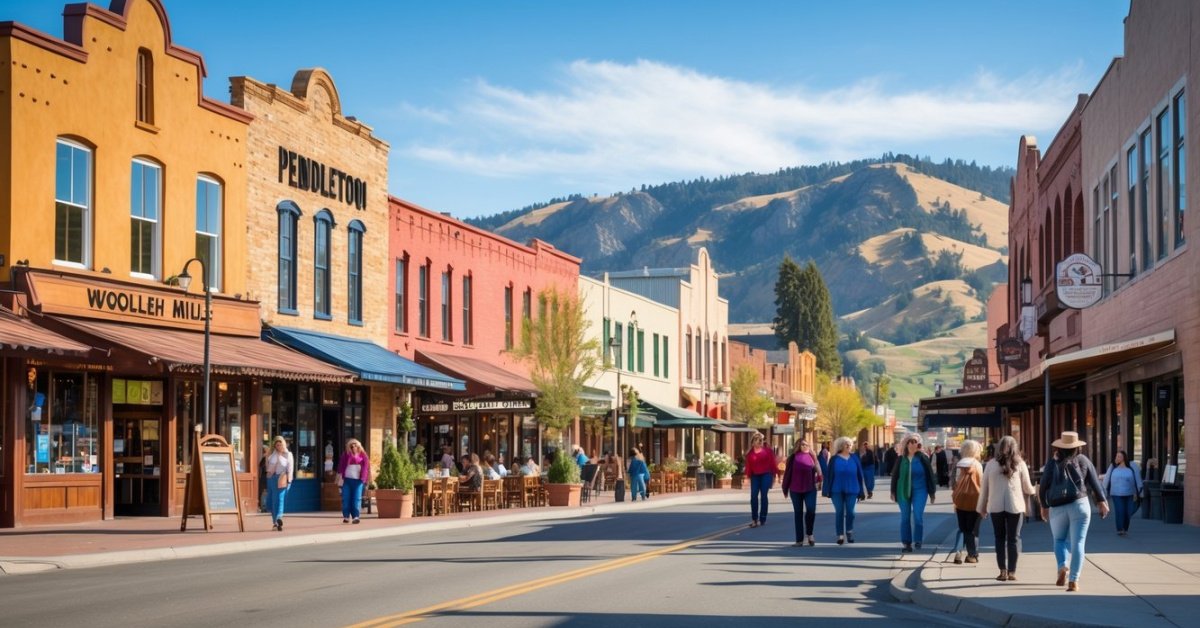
When I think about Oregon’s music scene, I can’t help but picture rainy days and the sound of guitars drifting through cozy coffee shops. There’s something about this state that inspires creativity and draws in musicians who want to tell honest stories. Two names always stand out to me—The Decemberists and Elliott Smith.
Their music captures the spirit of Oregon in such different yet powerful ways. The Decemberists bring literary flair and theatrical energy, while Elliott Smith’s songs feel intimate and raw. Both have shaped how I see the Pacific Northwest and what it means to make music here.
The Musical Landscape of Oregon
Oregon’s music venues foster creative growth for emerging and established acts. I often visit Portland’s Mississippi Studios and Eugene’s WOW Hall, where crowds gather for diverse performers ranging from folk bands to indie rockers. These hubs serve as launching pads for local groups and national artists alike.
Local festivals showcase Oregon’s wide musical reach. I see steady crowds each summer at Pickathon and the Waterfront Blues Festival. Regional fests highlight bluegrass, electronic, and jazz scenes, drawing fans from across the Pacific Northwest.
Portland record stores like Music Millennium anchor a thriving vinyl culture. Shoppers often discover rare Elliott Smith pressings or early Decemberists albums among Oregon-only releases. These shelves connect listeners to music history unique to the state.
University music programs play a major role in developing talent. I meet students writing original works at the University of Oregon in Eugene. Campus open mics and collaboration shape the sounds that echo through local coffee shops and theaters.
Community support strengthens the music landscape. Volunteer-run radio KBOO gives airtime to Oregon bands, and local labels distribute tracks by Portland and Salem songwriters. This grassroots energy keeps the scene both dynamic and welcoming for musicians and listeners.
The Decemberists: Storytelling Through Indie Folk
The Decemberists represent the storytelling tradition in Oregon’s indie folk scene. I’ve followed their journey from small Portland clubs to international tours, tracing their roots in the very neighborhoods I know best.
Origins and Rise to Fame
The Decemberists formed in 2000 in Portland, where frontman Colin Meloy brought together musicians from local circles. Early gigs took place at venues like Berbati’s Pan and the Doug Fir Lounge, places I’ve walked past for years. Their Celtic-inspired sound and narrative lyrics quickly gained fans. By 2005, they signed with Capitol Records after the local buzz around albums like “Castaways and Cutouts” spread beyond the Willamette Valley. Locals in Portland often mention seeing them before national press noticed.
Notable Albums and Songs
The band’s discography showcases Oregon’s indie creativity. Albums like “Picaresque” (2005) and “The Crane Wife” (2006) weave historical subjects with Northwest influences. The single “O Valencia!” tells a tragic romance against rainy Portland backdrops, while “Here I Dreamt I Was an Architect” draws from Meloy’s explorations of city spaces. My personal favorite, “The King Is Dead” (2011), tipped its hat to rural Oregon life, with “Down by the Water” echoing the region’s roots-rock tradition. These tracks pop up on playlists in coffee shops throughout Portland.
Impact on Oregon’s Music Scene
The Decemberists inspired many local musicians to experiment with narrative songwriting. Bands like Blind Pilot cite them as an influence. They’ve supported charity concerts for local causes and hosted festivals like Travelers’ Rest in Missoula, connecting Oregon artists with others across the Northwest. I’ve seen their presence boost attendance at neighborhood venues and spark more fans to explore the folk and indie festivals throughout the state. Their success reinforced Portland’s reputation as a hub for innovative storytelling in American music.
Elliott Smith: The Voice of Melancholy
Elliott Smith shaped the sound of Portland’s music scene with honesty in every chord. Living in Oregon my whole life, I’ve seen how Smith’s legacy continues to echo from neighborhood cafés to city venues.
Early Life and Portland Roots
Smith grew up in Texas but moved to Portland as a teenager in the 1980s. I noticed that Portland’s rainy, introspective atmosphere shaped his songwriting—just like it does for many of us here. He started with the band Heatmiser, playing small local sets I’d hear about from friends. After Heatmiser, Smith became a solo act, recording his first albums in rented apartments and basement studios around southeast Portland.
Key Releases and Iconic Songs
I often hear Elliott Smith’s signature sound in “Either/Or” and “XO.” “Miss Misery,” featured in the film Good Will Hunting, put his fragile vocals on the national stage, though Portland fans already considered songs like “Say Yes,” “Waltz #2 (XO),” and “Between the Bars” local classics. Record shops on Hawthorne and Alberta still play these tracks, and people recognize lines about Portland streets and landmarks in his lyrics.
Legacy and Influence in Oregon
Smith’s soft voice and candid lyrics changed how musicians in Oregon approach songwriting. I talk to younger Portlanders—many cite Smith as a main influence, especially at open mics in places like Laurelthirst Pub or Alberta Street Pub. Murals and fan tributes appear across the city, with an annual birthday tribute at Lincoln Street’s “Elliott Smith” mural drawing locals every August. Independent artists, college students, and longtime Oregonians see his music as a bridge between Oregon’s quiet beauty and creative struggle, echoing far beyond his years here.
Comparing The Decemberists and Elliott Smith
Both The Decemberists and Elliott Smith shape Oregon’s music scene in unique ways I see every day among Portland locals and fans statewide. Each artist captures a different side of what it means to make music rooted in the Pacific Northwest—something I hear discussed in coffee shops, music stores, and venues all over Oregon.
Musical Styles and Lyrical Themes
The Decemberists create intricate indie folk that blends literary storytelling with baroque instrumentation. Albums like “Picaresque” and “The Crane Wife” use vivid, historical narratives—often referencing explorers, outlaws, and the landscapes around Portland. Songs like “The Island” and “Yankee Bayonet” layer harmonies and accordion with theatrical flair, which I’ve seen excite live crowds at places like the Crystal Ballroom.
Elliott Smith crafts stripped-down, confessional songs defined by soft vocals and delicate guitar lines. I find his lyrics far more personal, sometimes even bleak, exploring themes of alienation, longing, and fleeting hope. Tracks like “Between the Bars” and “Say Yes” distill emotion into intimate moments, echoing Oregon’s rainy greys and solitary parks. Where The Decemberists use elaborate stories, Smith finds meaning in the small, overlooked details of daily life.
Contributions to Oregon’s Identity in Music
The Decemberists amplify Oregon’s reputation for creative boldness. Portland’s quirky, literary spirit comes through in their music, and the band’s fundraising shows and community events—such as their annual “January Hymn” benefit—energize the local music scene. They put Oregon on the national map by intentionally referencing regional lore and supporting other Oregon artists.
Elliott Smith brought global attention to Portland’s indie community in the 1990s by showing how introspective songwriting could thrive here. He helped position Oregon as a haven for authenticity and vulnerability in music, which I see reflected in many local artists’ work today, from open mic nights at small bars to larger acts at Pioneer Courthouse Square. Smith’s murals and tributes across the city keep his legacy alive and underscore how deeply woven he is into the everyday fabric of Oregon’s music story.
The Broader Influence of Oregon’s Music Scene
Oregon’s music scene sparks new creative directions and spreads influence far beyond Portland city borders. I’ve seen artists from Eugene, Bend, and Ashland gain recognition after honing their craft at open mics or recording at local studios. Singer-songwriters like Laura Veirs and bands such as Blitzen Trapper draw on the DIY spirit and communal support I’ve always found in small Oregon towns. Local venues, even in more rural areas—think The Belfry in Sisters—host acts that mix bluegrass, alt-country, and indie pop, leaning into Oregon’s diverse tastes.
Regional festivals build connections between cities. You’ll hear bands from Astoria playing alongside talent from Medford at events like the Oregon Country Fair and Sisters Folk Festival. KEXP radio in Seattle and NPR’s Live Wire feature Oregon artists often, bringing names like Typhoon and Y La Bamba national attention while still rooted here. I’ve watched these platforms boost new musicians by sharing authentic Pacific Northwest songwriting with wider listeners.
Universities foster collaboration across genres. University of Oregon’s School of Music and Lewis & Clark College invite jazz, experimental, and classical musicians to cross paths with local bands. Academic programs often lead to innovative projects, like orchestral arrangements for indie acts—something I’ve seen emerge from campus partnerships in Eugene and Portland.
Music stores, radio stations, and independent labels shape the ecosystem. Everyday I walk by shows posted on Music Millennium’s wall, discover new releases at Jackpot Records, or hear community radio support on XRAY FM. Labels like Tender Loving Empire and Fluff & Gravy Records champion Oregon-grown sounds, building national profiles for regional bands. With every LP, playlist, and live gig, Oregon’s music scene reflects its open-minded, collaborative culture. I’ve noticed that whether a fan or musician, everyone invests in the creative life of this state.
Conclusion
Exploring Oregon’s music scene through the lens of The Decemberists and Elliott Smith has deepened my appreciation for the region’s creative spirit. Their music reminds me how place and artistry intertwine to shape unforgettable sounds.
Every time I walk past a mural or hear a local band in a cozy venue I feel the ongoing influence of these artists. Oregon’s music culture isn’t just about the past—it’s alive and growing with every new voice that picks up a guitar or steps onto a stage.