There’s something magical about gliding across the water with nothing but the sound of a paddle dipping in and out of the current. Whenever I need to unwind or crave a little adventure I grab my kayak or canoe and set out to explore Oregon’s stunning waterways. From crystal-clear lakes to winding rivers this state offers some of the most breathtaking spots for paddling.
I love how each trip feels different—sometimes it’s peaceful and slow other times the water rushes by and gets my heart racing. Whether you’re a seasoned paddler or just looking to try something new Oregon’s diverse landscapes promise an unforgettable experience on the water.
Exploring the Appeal of Kayaking and Canoeing in Oregon
Navigating Oregon’s waterways offers scenery and adventure found nowhere else. I find that every river and lake displays different character—smooth stretches on Waldo Lake, bustling runs of the Rogue River, or the coastal intrigue of Siltcoos. Spring brings snowmelt swells, drawing whitewater paddlers to McKenzie River and North Umpqua, each with rapid-filled miles framed by firs and basalt.
Gliding through Oregon’s lakes means catching mountain reflections at dawn. Places like Crescent Lake and Trillium Lake keep waters calm for hours, letting beginners and photographers enjoy pristine mirrored landscapes, osprey overhead, and trout beneath.
Canoeing and kayaking near towns add another layer. The Willamette River flows right through Portland and Eugene, linking urban access to natural escapes. Residents paddle just minutes from city centers, spotting herons nesting under bridges and paddling by riverside parks.
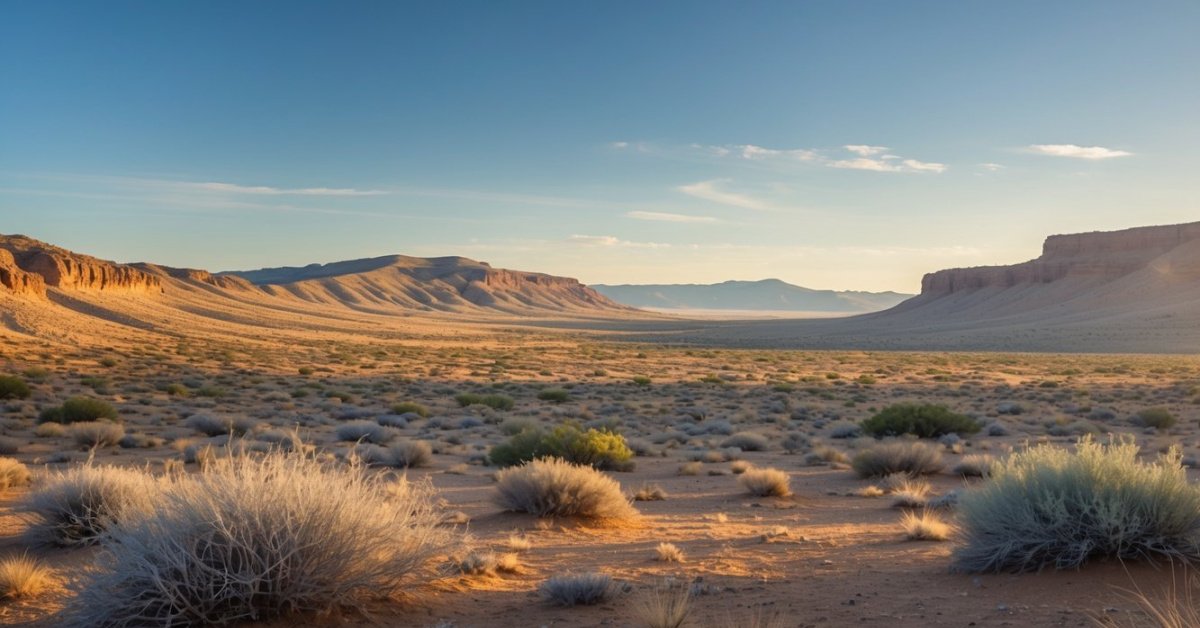
Many paddlers, me included, seek the solitude of high desert. The Deschutes River reveals volcanic formations, rimrock cliffs, and warm sunny days, rarely crowded outside of peak holidays. These remote stretches create space to spot eagles, otters, and unique high country plants.
Season after season, Oregon’s diverse waterways turn familiar trips into new experiences. I continue to find fresh routes by timing float seasons, pairing with local guides, or watching for seasonal wildlife that come and go with the changing flows.
Top Waterways for Kayaking and Canoeing in Oregon
Oregon offers diverse options for every paddling style. I spend countless days on these top waterways, and each one has its own personality, from long meanders through cities to clear, alpine escapes.
Willamette River: Urban Adventure Meets Natural Beauty
Willamette River trips blend urban discoveries with quiet stretches of nature. I paddle past Portland’s skyline, then drift into farmland and wildlife refuges south of Salem. City access points, like Willamette Park and Sellwood Riverfront Park, make it easy for a spontaneous outing. Otters, great blue herons and osprey add surprise encounters along this 187-mile waterway.
Deschutes River: Rapids and Scenic Views
Deschutes River runs through high desert canyons and delivers both calm and rushing sections. I guide beginners along the upper Deschutes near Sunriver for gentle curves and wildlife. Further north, near Maupin, I tackle Class II and III rapids that draw expert boaters nationwide. Dramatic cliffs, sage, and the sound of chukars create a uniquely Oregon atmosphere.
Rogue River: A Classic Paddling Escape
Rogue River paddling gives me everything from gentle current to multi-day whitewater trips. Day outings near Grants Pass offer riffles and flatwater, while the Wild and Scenic stretch west of Galice delivers rolling Class II-IV rapids. I often spot bald eagles, black bears and spawning salmon in May and June. Campgrounds dot the river for those wanting a longer adventure.
Columbia River Gorge: Striking Vistas and Varied Routes
Columbia River Gorge routes let me combine wind, waves, and spectacular basalt cliffs. I favor early mornings at Rooster Rock State Park or Cascade Locks to beat the wind. The Bonneville area’s sloughs offer quiet water and good wildlife viewing for canoes. Paddling under massive cliffs and waterfalls makes this stretch especially memorable.
Cascade Lakes: Alpine Serenity and Clear Waters
Cascade Lakes, like Hosmer, Waldo and Sparks, provide some of my favorite high-elevation paddling. I float over crystal-clear water with views of South Sister or Mt. Bachelor in the background. Early summer mornings reward me with glassy conditions and maybe a curious otter or bald eagle overhead. These lakes stay cold and clear all season, perfect for quiet escapes or photography.
Choosing the Right Waterway for Your Skill Level
Choosing the right Oregon waterway shapes the kayaking or canoeing experience. I match skill levels with the right stretches, ensuring safety and fun on every trip.
Beginner-Friendly Rivers and Lakes
I recommend flatwater lakes and slow-moving rivers for those building foundational paddling skills. Trillium Lake near Mount Hood offers steady, mirror-flat water and views of snow-capped peaks, making it ideal for new paddlers and families. I see Crescent Lake and Waldo Lake host calm mornings, where wind usually rises in the afternoon, providing both serenity and gentle learning curves. The upper Willamette River from Eugene to Harrisburg flows slow and wide, with easy launch points and plenty of chances to spot osprey and heron. Tualatin River near Portland stays mellow, with several parks and outfitters providing easy rental access for first-timers. North Umpqua’s lower stretches offer sun-dappled water and shaded banks, great for practicing strokes and improving stability.
Intermediate and Advanced Routes
I look for more dynamic rivers and exposed lakes as skills grow. The middle Deschutes River near Bend boasts swift currents, narrow bends, small waves, and basalt walls—excellent for those seeking variety and challenge without class IV rapids. Rogue River’s upper section from Grants Pass to Galice features technical moves with swift riffles and class II-to-III whitewater, attracting seasoned paddlers. North Umpqua’s upper reaches run wilder with boulder gardens and fast drops in spring or early summer. I find adventure at Columbia River Gorge, where wind chop, strong eddies, and tidal influence demand tight maneuvers and group coordination. Siltcoos River near Florence delivers diverse sections, shifting from winding forested channels to open wetlands—perfect for tuning technique. Cascade Lakes’ Windy Point on Odell Lake tests my strokes under sudden gusts and choppy surface, favoring advanced skills.
My advice is to match waterway choice with your comfort, group ability, and the seasonal flow, as Oregon’s waterways change character each month.
Essential Tips for a Safe and Enjoyable Experience
My time paddling Oregon’s rivers and lakes has shown me how just a few steps can make every trip safer and a lot more fun. I always pay close attention to safety basics and choose the best moments to hit the water.
Safety Precautions and Equipment
Wearing gear that fits Oregon’s waterways is non-negotiable for me. I always use a U.S. Coast Guard-approved life jacket—state law requires this for kids under 13, and I never go without one myself. When I’m on cold rivers like the McKenzie or mountain lakes, I grab a wetsuit or drysuit, because water temperatures can sink below 60°F most months. I bring a whistle for signaling, pack a dry bag with first-aid supplies, sunscreen, snacks, and stow an extra paddle for longer routes. Checking Oregon Marine Board rules helps me know about day-use fees, invasive species permits, and local regulations on spots like the Willamette or Deschutes. I avoid paddling alone, and whenever it’s my group, we review safety signals and stick together—especially in currents or shifting weather.
Planning Your Trip and Best Times to Visit
Timing makes a huge difference for Oregon kayaking and canoeing trips. I watch snowmelt forecasts for rivers like the Deschutes, since water levels and currents run highest late spring through early summer. For lakes such as Trillium or Waldo, June through September brings the calmest water and the best views of forest and mountain reflections. I always scan wind reports before choosing Cascade Lakes or the Columbia River Gorge, since gusts can kick up suddenly even on warm days. Early morning outings have worked best for wildlife sightings and quieter water, especially around Portland’s Ross Island or Dexter Lake near Eugene. I double-check put-in points, shuttle logistics, and trail access, as some launches fill fast or get muddy after a wet week.
Conclusion
Every time I set out on Oregon’s waters I discover something new—whether it’s a hidden cove a curious osprey or just a moment of quiet reflection. There’s a sense of freedom that comes with paddling here that I haven’t found anywhere else.
If you’re ready for adventure or just want to unwind there’s always a perfect spot waiting. Grab your paddle and see where Oregon’s waterways take you—you might just find your new favorite escape.