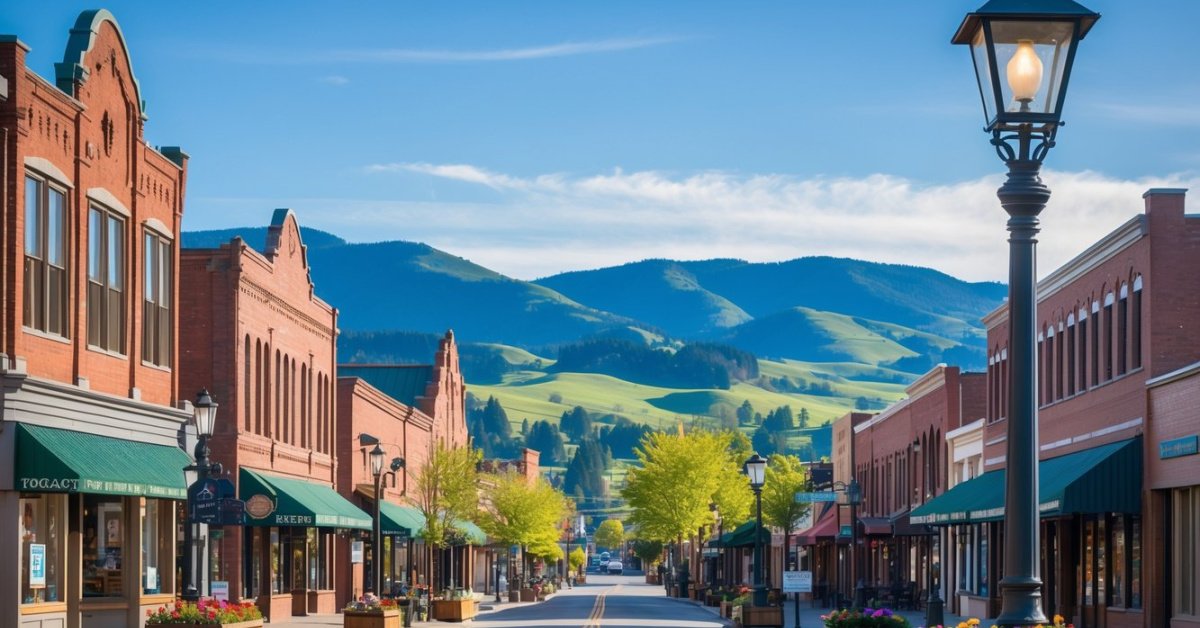
When I first moved to Oregon I was struck by how different life felt depending on where I landed. The buzz of Portland’s city streets couldn’t be more different from the quiet charm of small towns tucked between forests and farmland. Each place has its own vibe but what really caught my attention was how much the cost of living can change from one spot to another.
Choosing between urban and rural Oregon isn’t just about scenery or pace—it’s about how far my paycheck stretches. Whether I’m drawn to the city lights or the wide-open spaces understanding these differences helps me make smart choices about where to call home.
Overview of Cost of Living in Oregon
Average costs differ greatly across Oregon, with urban hubs like Portland, Eugene, and Salem reporting higher prices than rural towns such as Burns or John Day. Living expenses—housing, transportation, groceries, and healthcare—shift region by region, based on my own years spent exploring both city streets and forest roads.
Housing often stands as the biggest cost driver. In metro areas, average apartment rents can exceed $1,500 per month, while rural counties sometimes drop below $900. The Oregon Employment Department (2024) notes that home prices in Multnomah County average around $540,000, compared to $290,000 in outlying areas like Grant County.
Transportation, another major factor, varies with population density and access to public transit. In Portland, I often use Trimet’s MAX and bus network, paying under $100 per month, but in rural regions, limited public options push residents to own vehicles, increasing monthly budgets with gas and maintenance.
Groceries and dining costs trend higher close to the cities, thanks to increased demand and specialty options. For example, a typical grocery bill in Deschutes County often reaches $550 monthly, compared to $400 in smaller eastern counties, based on data from Numbeo (2024).
Healthcare expenses remain higher across Oregon than the national average, yet urban centers offer broader provider choices and shorter wait times.
Oregon’s variety—sprawling cities, remote timber towns, and everything in between—creates unique cost-of-living patterns, so moving within the state connects living standards with geography.
Understanding Urban and Rural Differences
Urban and rural Oregon look and feel different, and I’ve seen these differences play out first-hand. Each region shapes daily life and budgets in unique ways, so I break down what really sets them apart.
Key Factors Influencing Cost
Housing prices change fast from city to country. City apartments in Portland or Eugene typically run over $1,500/month, while rentals in smaller towns like Lakeview or Madras dip below $900/month. Property values and available amenities in each place drive these disparities.
Transportation shifts with geography. In cities, public transit trims commuting costs—TriMet passes in Portland start at $100/month. In rural counties like Harney, owning a car becomes essential since buses and trains are rare, raising insurance and fuel outlays.
Grocery and dining expenses climb higher in urban Oregon. Grocers in Portland or Bend stock more specialty items but charge up to 15% more for basics such as milk or eggs than local markets in smaller communities. In outlying towns, selection shrinks but affordability increases.
Healthcare access widens in cities. Portland and Eugene offer more network doctors and specialty services, but visit costs sit above the national average. Rural clinics cost less up front yet may have longer wait times and cover fewer specialties.
Popular Urban and Rural Areas Compared
| Area | Monthly Rent (Avg) | Public Transit Access | Grocery Price Index (100 = US Avg) | Healthcare Facility Count |
|---|---|---|---|---|
| Portland (Urban) | $1,680 | Extensive (TriMet) | 110 | 40+ |
| Eugene (Urban) | $1,350 | Good (LTD) | 107 | 20+ |
| Salem (Urban) | $1,200 | Moderate (Cherriots) | 104 | 18+ |
| Bend (Urban) | $1,600 | Limited (CET) | 114 | 15+ |
| Burns (Rural) | $820 | None | 95 | 3 |
| John Day (Rural) | $850 | None | 98 | 2 |
| Lakeview (Rural) | $795 | None | 93 | 1 |
| Madras (Rural) | $880 | None | 97 | 3 |
Portland offers the most services and highest prices. Smaller towns like John Day or Lakeview present cheaper rent and core costs but limited amenities. I’ve found each community in Oregon brings trade-offs in affordability and lifestyle, shaped by its urban or rural identity.
Housing Costs: Urban vs Rural Oregon
Housing costs create the biggest gap between city and country living here in Oregon. In every region I’ve visited, the price of homes and rent shapes what life looks like day to day.
Home Prices and Rent
Home prices in urban Oregon, especially places like Portland and Eugene, reflect high demand and limited space. In 2024, Portland’s median home price neared $550,000 according to Redfin, while Eugene’s approached $435,000. Average rent for a one-bedroom apartment sits above $1,500 per month in these cities. In rural counties, I’ve found homes for under $300,000 in towns like John Day or Burns, and rent often drops below $900 for a similar one-bedroom. Urban buyers compete with more offers and pay higher property taxes. Rural properties offer more land and privacy, though inventory’s limited and sales move slower.
| Area | Median Home Price | Average 1BR Rent |
|---|---|---|
| Portland Metro | $550,000 | $1,550 |
| Eugene | $435,000 | $1,500 |
| Rural Oregon | $275,000 | $850 |
Utilities and Maintenance
Utility costs run higher in urban apartments, with monthly water, sewer, and electric bills topping $200 (source: Portland General Electric and city utility reports). Rural homes, especially those outside city water or sewer service, often rely on wells or septic systems, reducing monthly bills to $80–$130 but requiring occasional costly maintenance. Urban homes usually get city trash pickup as part of the bill, but in the country, I’ve had to budget separately for private services or hauling waste. Maintenance costs vary—rural homes occasionally need repairs on private roads, wells, or heating systems, while cities deal with higher repair fees and frequent inspections.
Transportation and Daily Expenses
Getting around Oregon and covering daily costs looks different in every part of the state. Urban hubs and rural communities each shape my spending patterns in unique ways.
Public Transit and Commuting
Public transit in urban Oregon, like Portland’s TriMet, offers buses, MAX light rail, and streetcars across the city. My city transit pass in Portland runs $100 per month, while Eugene’s LTD pass costs about $50. In Salem, monthly bus passes fall around $45. I never found these services outside the bigger cities—rural towns such as Baker City, Burns, or La Grande rely mostly on private vehicles.
Commuting distances in rural areas average 15–30 miles daily. My gas costs reach $250–$320 per month when driving highways between towns, with Oregon’s 2024 average gas price at $4.45 per gallon (AAA). Even basic car maintenance—oil changes, repair bills, increased insurance—adds an extra $60–$120 per month in places where I drive more often. In contrast, urban commutes in Portland, Eugene, or Salem often involve biking or walking, with city infrastructure supporting those options.
Grocery and Essential Goods
Grocery costs shift depending on where I shop in Oregon. Big city stores like Safeway, Whole Foods, and New Seasons in Portland raise prices by about 15% compared to smaller-town grocers in places like Ontario or McMinnville. For example, I pay $5.49 for a dozen eggs in the city, while rural stores average $3.69. In Portland or Bend, organic produce and specialty items have a far broader selection, but regular essentials cost more.
Rural living sometimes limits my access to variety, with stores stocking fewer specialty brands. I also notice higher transportation fees in remote areas, boosting prices for essentials that travel farther. In Roseburg or Prineville, I find bulk buying at WinCo or Costco keeps my monthly food bill under $350, while the same items in Portland often reach $400–$470. Household products—laundry detergent, paper towels, personal care—also follow this trend: cheaper in smaller towns, higher in metro areas.
Quality of Life Considerations
Quality of life in Oregon often shifts based on location, with key differences in healthcare, education, and daily experience. I’ve found these factors influence not just cost, but also overall satisfaction and opportunity.
Healthcare and Education Access
Healthcare and education access in Oregon varies sharply between urban and rural areas. Metro centers like Portland or Eugene host large hospital systems such as OHSU and PeaceHealth, bringing specialist services and short emergency wait times. Rural clinics in towns like Enterprise or Burns may provide basic care, but specialists and advanced treatments often require long drives—sometimes more than 70 miles.
Public schools in cities benefit from higher funding, newer facilities, and a wide range of programs, from STEM to arts. For example, Portland Public Schools offer AP classes and special language immersion programs. Small districts—like those in Lake County—usually have fewer resources, smaller staff, and limited advanced courses, though some rural high schools excel with close-knit, supportive student communities and lower teacher-student ratios. Access to higher education, including community colleges and universities, is concentrated in places like Corvallis or Salem, with remote towns relying more on online options.
Lifestyle and Community
Lifestyle and community shape daily living in every Oregon region. Urban centers foster diversity, downtown events, concerts, galleries, major food scenes, and public parks. Portland’s Saturday Market, Eugene’s track culture, and Salem’s state fair create vibrant atmospheres that attract newcomers and longtime residents alike.
Rural towns value slower pace, outdoor recreation, tight-knit relationships, and tradition. Places like Joseph or Fossil offer quick access to trails, rivers, and star-filled skies, with local fairs and farmer’s markets acting as social anchors. I’ve experienced rural neighbors helping each other with harvest or winter snow, while city living brings constant new faces, wider networking, and a broader range of social activities. Each lifestyle appeals to different personalities and priorities, making the split between urban convenience and rural peace an essential part of choosing where to live in Oregon.
Pros and Cons of Urban and Rural Living in Oregon
Urban Pros
- Access to amenities: Living in cities like Portland or Eugene means I’m never far from theaters, coffee shops, local boutiques, and farmers markets.
- Public transportation: I’ve used MAX light rail and TriMet buses regularly, letting me skip long commutes by car.
- Job opportunities: Major employers, universities, and tech startups cluster in urban centers, expanding my career choices.
- Diversity and culture: I get exposed to different foods, art galleries, music festivals, and cultural events each month.
- Healthcare access: I can easily schedule visits at large hospital networks like OHSU and Legacy, with hundreds of specialists to choose from.
Urban Cons
- Higher housing costs: Median home prices in Portland hover close to $550,000, and even small apartments often rent above $1,500 monthly.
- Traffic and congestion: Commuting in I-5 or I-84 corridors takes longer, especially during rush hour.
- Higher prices: Groceries and restaurants in urban areas cost up to 15% more than the state’s rural average.
- Noise and density: It’s rare for me to find true quiet or privacy south of downtown or in city neighborhoods.
- Parking challenges: Street parking competition in places like NW Portland or the University District gets intense.
Rural Pros
- Lower cost of living: Home prices regularly fall below $300,000 and rent averages under $900 in towns like John Day and Lakeview.
- Scenic beauty: I can step outside to see fields, forests, or mountain backdrops daily.
- Tight-knit communities: Neighbors help each other; I’ve experienced potlucks, local festivals, and supportive small-town attitudes.
- Space and privacy: Larger yards and limited traffic make relaxing and recreation easy.
- Slower pace of life: It’s simple to disconnect and focus on hobbies and family without city distractions.
Rural Cons
- Limited amenities: Fewer restaurants, theaters, and shopping options exist; specialty stores might be an hour’s drive away.
- Fewer job choices: Most positions relate to agriculture, schools, or local services, with less competition and lower pay.
- Healthcare access: Clinics with reduced staff and fewer specialist providers often serve rural areas, with patients sometimes traveling to Salem or Bend for major procedures.
- Transportation dependency: Almost everyone owns a car since buses or trains don’t operate in places like Lake or Harney County.
- Less public infrastructure: Fewer bike paths, sidewalks, and public parks mean I drive almost everywhere.
Conclusion
After living in both urban and rural Oregon I’ve seen firsthand how much location shapes not just my budget but my daily life. Whether you’re drawn to the energy of the city or the calm of the countryside Oregon has a place that fits your lifestyle and priorities.
If you’re thinking about making a move here I’d encourage you to weigh what matters most to you—be it affordability access to amenities or a sense of community. No matter where you land Oregon’s unique character is sure to offer something special.