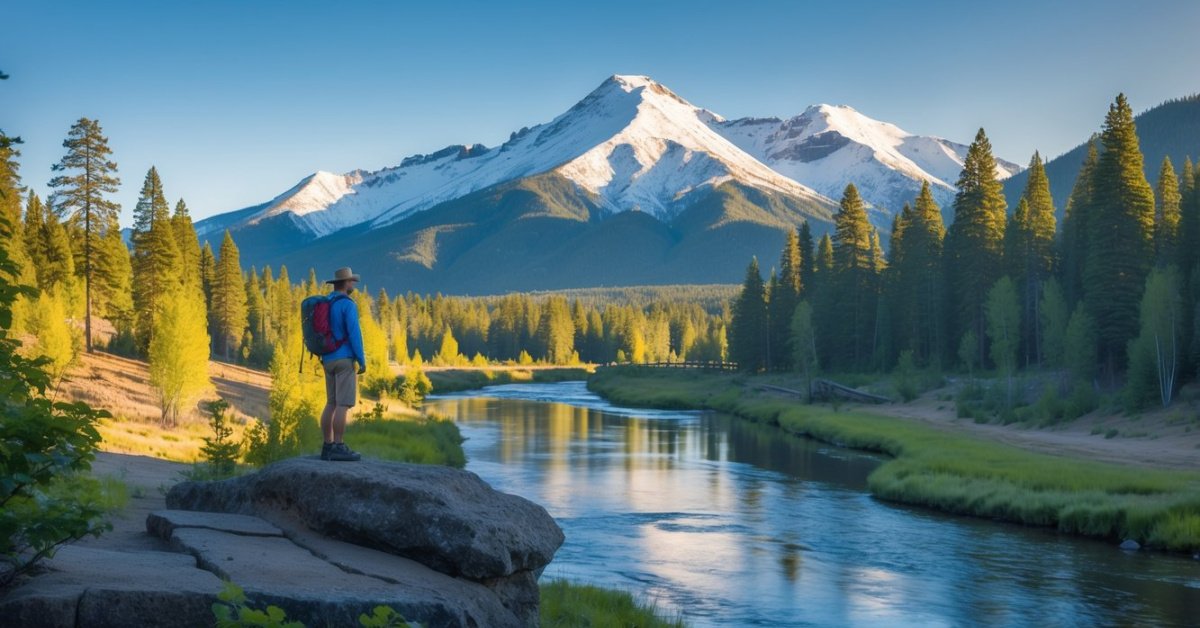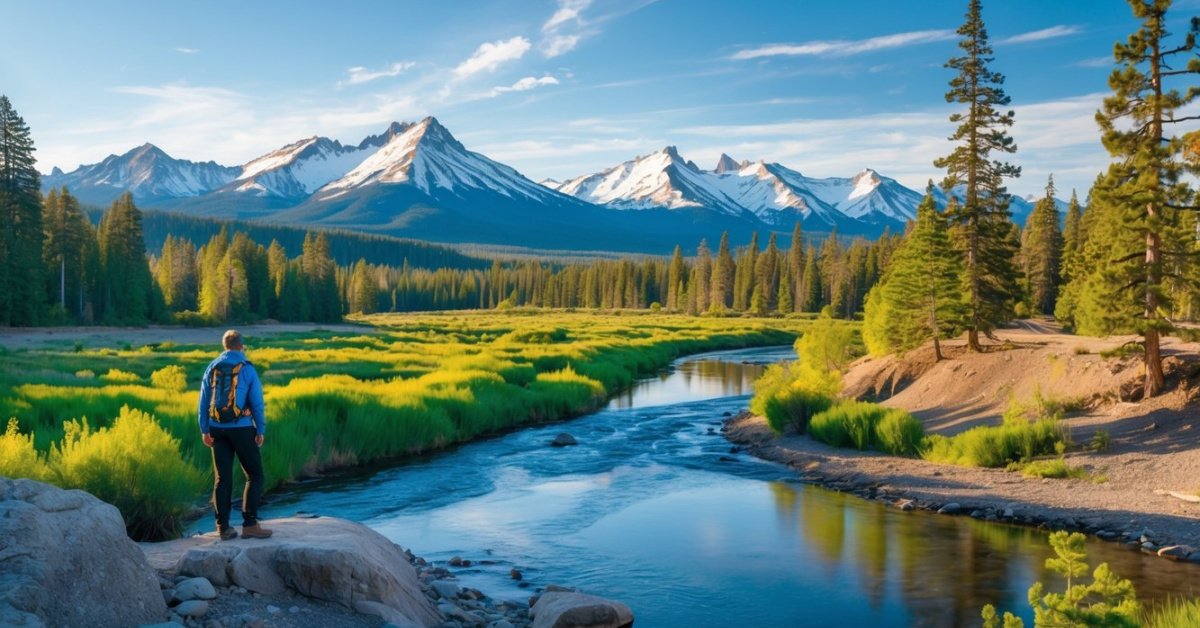
Oregon’s wild beauty always calls to me when I’m craving adventure. From misty forests to rugged coastlines and snow-capped peaks there’s no shortage of breathtaking spots to pitch a tent or park a camper. It’s the kind of place where I can wake up to birdsong one morning and fall asleep to the sound of crashing waves the next.
Finding the perfect campground in Oregon can feel overwhelming with so many options. I love discovering hidden gems and well-loved favorites that offer a little something for everyone. Whether I’m after solitude deep in the woods or a family-friendly site near a lake I know Oregon’s campgrounds never disappoint.
Why Oregon Is a Camper’s Paradise
Hiking trails, pristine lakes, and rugged coastlines define Oregon’s camping opportunities. I’ve camped near the waterfalls of the Columbia River Gorge, wandered the high desert canyons around Smith Rock, and slept under the stars in old-growth forests like those in the Willamette National Forest. Wildlife, including Roosevelt elk and bald eagles, often appears when sunrise breaks through Douglas firs.
Variety, accessibility, and preservation set Oregon apart. State parks offer reservable sites with amenities for families, while national forests provide quiet, dispersed camping spots—like those I’ve found around Mount Hood and the Ochoco Mountains. Campgrounds near rivers, such as the Metolius or Umpqua, draw anglers and paddlers every summer.
Distinct seasons bring unique experiences. Crisp fall mornings make Eastern Oregon’s Wallowa Lake campsites tranquil and photogenic. Spring brings wildflowers throughout the Cascades. Summer temperatures stay mild at the coast, perfect for pitching a tent near the ocean at places like Cape Lookout.
Local stewardship, strong outdoor culture, and public access make Oregon an unmatched destination for campers, no matter their experience level. My lifetime exploring every region has convinced me that Oregon’s wild places offer something for everyone searching for the best campgrounds in the Pacific Northwest.
What to Look For in the Best Campgrounds
Oregon’s campgrounds offer more than just a spot to sleep. I always check a few key details before choosing where to stay for a night outdoors.
Location and Scenery
Location shapes every camping experience in Oregon. I look for campgrounds near iconic landscapes—like Crater Lake’s rim, the Oregon Coast’s seaside bluffs or deep forests along the McKenzie River. Views of rivers, lakes, or volcanoes add something special. Proximity to hiking trails, waterfalls, or fishing spots gives me more ways to enjoy the Oregon outdoors.
Amenities and Facilities
Amenities influence comfort level at any Oregon campground. Running water, clean restrooms and showers matter when I’m camping with family or friends. Many state park sites offer electrical hookups, picnic tables, and fire rings—helpful for longer stays. Some private campgrounds around Bend or along the Columbia Gorge add extras like playgrounds, laundry, or camp stores for forgotten essentials.
Accessibility and Reservations
Accessibility decides how easily I can reach each site through Oregon’s changing seasons. Paved access roads, ADA-compliant restrooms, or level campsites help everyone enjoy the outdoors. I always check reservation systems—especially if camping at spots like Silver Falls or Fort Stevens State Park, where summer weekends fill up months in advance. A few remote or dispersed sites in places like the Ochoco National Forest remain first-come, first-served for those who prefer more spontaneity.
Top Campgrounds on the Oregon Coast
Camping on the Oregon Coast lets me wake to ocean air and hear waves crashing outside my tent. I’ve visited every stretch of coastline, so here’s where I camp for the best ocean views and easy access to scenic trails.
Best Beachfront Sites
Oceanside Beach State Recreation Site
I drive to Oceanside Beach for back-to-basics tent camping with direct sand access and sea stacks towering off the shore. Campsites sit steps from the tide, foghorns echo at night, and tide pools shelter purple starfish in the mornings.
Harris Beach State Park
I camp at Harris Beach near Brookings when I want rugged coastline and dramatic sunsets. Sites sit above the cliffs, with trails dropping down to driftwood-covered beaches. Harris offers hot showers, reservable sites, and beach walkways where I spot tufted puffins and seals.
Nehalem Bay State Park
I stay at Nehalem Bay for wide, sandy beaches, forested dunes, and easy biking between the waves and Nehalem River. Sites include both tent and RV spots, and the paved bike path provides a quick ride into the coastal town of Manzanita for espresso or fresh seafood.
Family-Friendly Options
Fort Stevens State Park
I bring my family to Fort Stevens for history and fun—kids love exploring the rusted Peter Iredale shipwreck on the beach. The campground includes 500+ sites for tents or RVs, bike rentals, freshwater lake swimming, and a nature center with interpretive programs.
Beverly Beach State Park
At Beverly Beach, I pick creekside sites shaded by tall spruce within walking distance to agate-hunting on the shore. The park provides flush toilets, showers, hot water, a playground, and junior ranger activities, making it an easy favorite for families.
Cape Lookout State Park
Cape Lookout blends old-growth forest with wide-open beach, and I recommend it for families thanks to yurts, easy hiking trails, and direct beach access. My nephews dug in the sand while I hiked the 5-mile Cape Lookout Trail for panoramic coastline views.
| Campground | Beachfront | Family Amenities | Unique Feature | Location |
|---|---|---|---|---|
| Oceanside Beach | Yes | No | Sea stacks, tide pools | Oceanside |
| Harris Beach | Yes | Showers, reservable | Seabird, seal watching | Brookings |
| Nehalem Bay | Yes | Bike paths | Dunes, river, easy access | Manzanita |
| Fort Stevens | No (nearby) | 500+ sites, events | Shipwreck, lake swimming | Astoria |
| Beverly Beach | Short walk | Playground, showers | Agate collecting | Newport |
| Cape Lookout | Yes | Yurts, hiking | Forest-to-beach camping | Tillamook |
Must-Visit Campgrounds in Central and Eastern Oregon
Central and Eastern Oregon offer rugged, wide-open landscapes and some of my favorite quiet escapes in the state. My local experience exploring these regions gives me plenty to recommend, from remote desert oases to hidden lakes tucked beneath pine forests.
High Desert Retreats
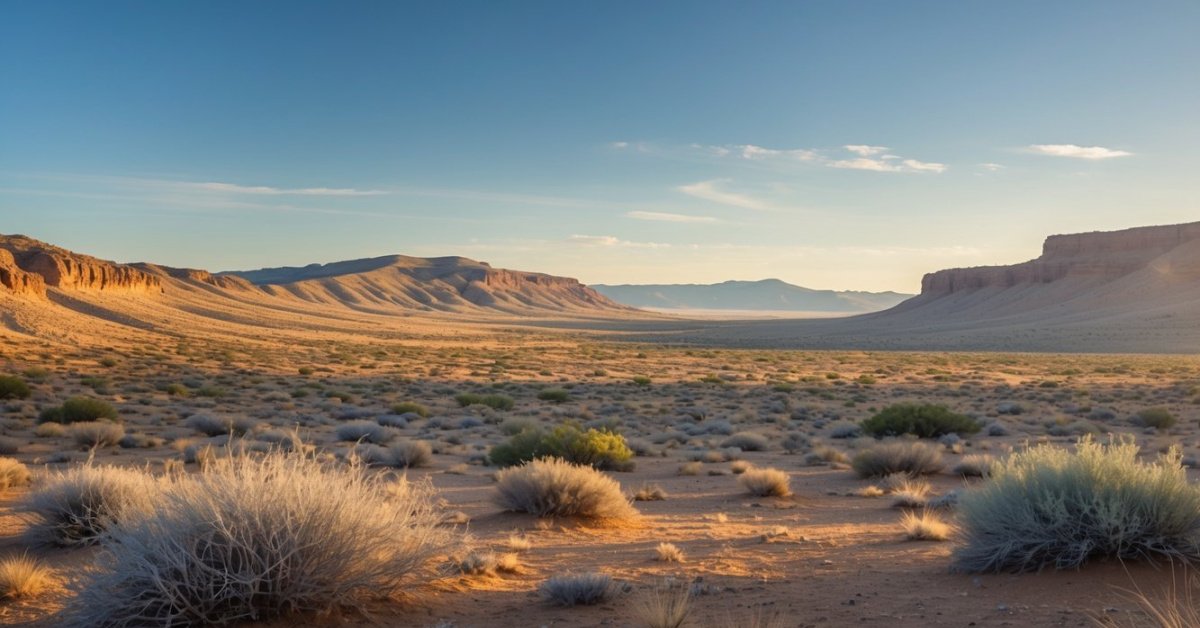
High desert campgrounds deliver stunning night skies and a genuine sense of solitude.
- Chandler State Wayside Campground: Chandler sits along Highway 395 near Lakeview. It’s popular with road trippers and folks seeking a peaceful spot beneath cottonwoods. I often see pronghorn antelope grazing here in early summer.
- Ochoco Divide Campground: In the Ochoco National Forest outside Prineville, this forested campground stays cool even in July. I’ve hiked wildflower-covered ridges in the mornings and spotted mule deer tracks near my tent.
- Page Springs Campground: On the edge of Steens Mountain and the Malheur National Wildlife Refuge, Page Springs draws serious birders each spring and fall. Jackrabbits dart across the sagebrush outside my camper most evenings.
Lakeside and Forested Escapes
Mountain lakes and pine woods provide classic Oregon backdrops for camping in this part of the state.
- Wallowa Lake State Park: Wallowa Lake Campground sits in a glacial valley at the base of the Wallowa Mountains. Summer brings families for paddleboarding on the glassy lake, while fall turns the surrounding trees golden. I never skip the Tramway ride up to the mountain summit for the view.
- Crescent Lake Campground: Crescent Lake offers sandy beaches and shady tent sites within the Deschutes National Forest. I usually fish for kokanee or launch kayaks—both remain favorite pastimes for locals.
- LaPine State Park: South of Bend, LaPine has spacious forested sites popular with both RVers and tent campers. Wildlife sightings, such as owls and river otters, happen frequently along the Deschutes River and Twin Lakes trails here.
- Anthony Lake Campground: In the Elkhorn Mountains near Baker City, Anthony Lake delivers dramatic views and access to alpine trails. Photographers flock in July for the wildflower bloom, and each morning I often spot early-morning anglers trying for rainbow trout.
Each spot I’ve listed here brings its own character, shaped by the land and seasons, and offers the kind of deep Oregon experiences I love sharing with others.
Hidden Gems in Southern Oregon
Southern Oregon’s campgrounds offer pockets of peace far from crowded areas, with landscapes that only locals seem to find. I love showing visitors my favorite tucked-away sites, along with a few widely loved campgrounds for easy access to iconic views.
Secluded Spots for Nature Lovers
- Bolan Mountain Campground
Bolan Mountain Campground, deep in the Siskiyou Mountains, offers only 12 sites, so it stays uncrowded even in July. Each site puts you right next to wildflower meadows—lupine, Indian paintbrush, and beargrass in late spring jump out against the ridges. The short walk to Bolan Lake means clear water for swimming, with no motorboats to break the quiet. I catch sunrise views over the Siskiyous in minutes on the summit trail.
- Tyee Campground (Umpqua National Forest)
Tyee Campground sits beside the Umpqua River, 70 miles from any major city. I go for fly-fishing and peaceful evenings, since the cottonwood groves keep campsites shaded and private. The sites fill mostly with local anglers, and I rarely see more than ten campers on a weekday. Ospreys and kingfishers nest overhead, so birders can spend hours along the slow current.
- Stewart State Park (Rogue River region)
Stewart State Park has quiet tent sites tucked beneath pines, with direct access to Lost Creek Lake by way of a trail near the boat ramp. Most visitors forget this side of the park, since it’s away from the main RV loops. I hike the Rogue River Trail early for wild turkeys and fox sightings, and I’ve never needed a reservation outside of weekends in August.
Popular Campgrounds Near Crater Lake
- Mazama Village Campground
Mazama Village Campground remains the main spot for visitors wanting proximity to Crater Lake’s rim. My best advice is to book in advance for peak summer, since all 214 sites fill fast. Each spot has easy trail access along Annie Creek Canyon, and the amphitheater runs ranger talks about the volcanic landscape at dusk.
- Joseph H. Stewart State Recreation Area
Joseph H. Stewart State Recreation Area, 35 miles from Crater Lake’s south entrance, fits families and groups wanting lakeside camping. Every time I stay in May or September, I spot deer along the trails to Lost Creek Lake, with views of Mount McLoughlin rising above the water. Kids bike between loops and swim at the day-use beach.
- Diamond Lake Campground
Diamond Lake Campground, a classic summer base camp for fishing and mountain biking, sits just north of Crater Lake in the shadow of Mount Bailey. Nearly 200 campsites make it busy in July, but I always find less crowded tent loops along the west shore. Boat rentals, trailheads, and sunset lake views define the busy season.
| Campground | Sites | Best for | Unique Feature |
|---|---|---|---|
| Bolan Mountain | 12 | Seclusion, lakes | Wildflowers, summit views |
| Tyee (Umpqua Forest) | 30 | Anglers, birders | Riverfront, shade |
| Stewart State Park | 50 | Quiet, forest | Hidden tent loops, wildlife |
| Mazama Village | 214 | Crater Lake access | Amphitheater, full services |
| Joseph H. Stewart SRA | 200+ | Families, lakeside | Swimming beach, biking |
| Diamond Lake | 194 | Fishing, trails | Boat rentals, mountain views |
Tips for Camping in Oregon
Camping in Oregon brings fresh discoveries every season. I count on a few tried-and-true tips to make each trip safe and comfortable, no matter where I set up camp.
Weather Considerations
Oregon’s weather patterns shift quickly across regions. I always prep for cool nights, even during July or August—temperatures in high-elevation sites like the Cascades or Wallowas often dip below 40°F. Rain gear stays in my pack year-round; the Coast and western forests get regular showers, while clear days sometimes turn to sudden mist. Locals check mountain snowpack and river conditions before spring or early summer trips, since late snowmelt sometimes closes roads above 4,000 feet. I bring a detailed weather app—NOAA.gov and local forecasts help me plan dry outings.
Wildlife and Safety
Wildlife encounters add extra excitement to Oregon camping. I use sturdy food storage solutions, especially east of the Cascades, where black bears roam near campgrounds like Wallowa Lake and Timothy Lake. I’ve seen elk herds and deer at dusk, so I drive slowly at sunrise and sunset near forested camps. In late spring and summer, I stay alert for mosquitoes around lakes and streams, using effective repellent and wearing long sleeves. Poison oak grows in southern and western sites—learn to recognize its shiny leaves. I always pack a first-aid kit and practice Leave No Trace principles, keeping wildlife wild and campsites clean for everyone.
Conclusion
Every trip I’ve taken to Oregon’s campgrounds has left me with a new story and a deeper appreciation for the outdoors. Whether you’re drawn to ocean breezes the call of the forest or the quiet of high desert nights there’s a place here that feels just right.
I hope my experiences and tips help you find your own favorite spot under the Oregon sky. Wherever you set up camp take a moment to soak in the beauty around you and let the adventure unfold. Happy camping!