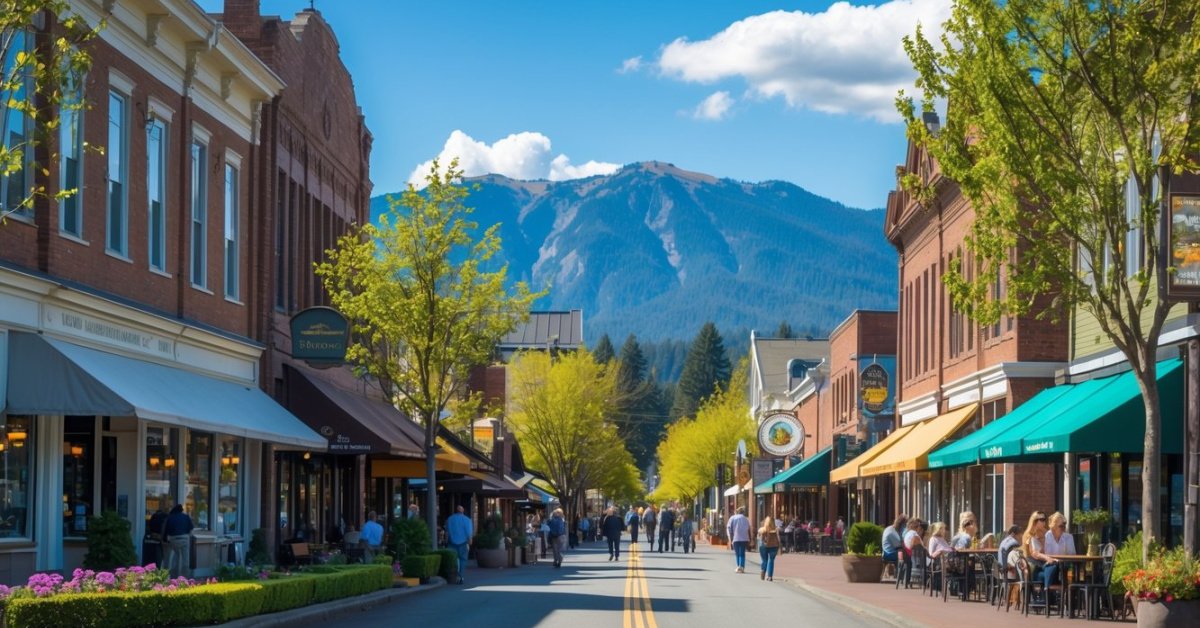
Moving to Oregon or thinking about a new place to call home? I know how exciting—and sometimes overwhelming—it can be to navigate the rental market in a new state. With its stunning landscapes and vibrant cities Oregon attracts people from all walks of life but finding the right spot that fits your budget takes a little research.
I’ve spent time exploring what it really costs to rent in different Oregon cities and I’m here to share what I’ve learned. Whether you’re drawn to the lively streets of Portland or the quieter charm of smaller towns you’ll want to know what to expect before signing a lease. Let’s take a closer look at how rents stack up across the state and what makes each city unique for renters.
Overview of Renting in Oregon
Renting in Oregon means encountering a diverse range of prices, neighborhoods, and lifestyles. Urban centers like Portland or Eugene feature higher rent averages, with two-bedroom apartments around $1,700 and $1,400 per month based on 2024 Apartment List data. Smaller towns, including Pendleton or La Grande, list two-bedroom rents under $1,200 monthly.
Rental availability in most Oregon cities varies seasonally, so I notice fluctuations every summer and winter when student moves change vacancy rates. Lease terms often run 12 months, with occasional opportunities for shorter or month-to-month rentals, especially in college communities. Most renters submit background and credit checks, pay a security deposit (usually one month’s rent), and cover utilities unless a unit is all-inclusive.
Landlords in Oregon legally can’t collect more than 1.5 times the monthly rent for security deposits, and rent hikes rarely exceed 7% annually due to statewide rent control laws (Oregon State Legislature, SB608). For anyone with pets, pet deposits and monthly pet rent commonly apply, with exceptions for assistance animals.
I’ve found local rental markets frequently reflect the character of the surrounding area. Portland’s neighborhoods, for instance—Hawthorne for culture or Nob Hill for upscale living—offer unique rental vibes distinct from Bend’s outdoorsy communities or Medford’s more affordable family-oriented neighborhoods. Frequent demand in well-rated school districts, walkable downtowns, or areas near tech employers often raise the competition and price.
Property types range from historic craftsman homes and high-rise apartments in cities to duplexes and cabins in smaller towns. Renting options meet a wide spectrum of budget, commute, and lifestyle preferences for people making Oregon their home.
Popular Cities for Renters in Oregon
Finding the right city in Oregon shapes every part of a renter’s daily life. Using my own experience moving around Oregon, I’ve identified cities that consistently attract newcomers seeking a mix of affordability, amenities, and authentic local culture.
Portland
Portland draws renters looking for urban amenities and diverse neighborhoods. In 2024, average rents for a two-bedroom apartment come in around $1,700, with popular neighborhoods like Hawthorne, Alberta, and Nob Hill offering everything from vintage walk-ups to modern lofts. Every corner of the city gives access to parks, public transit, and some of the state’s best food. People come for walkability and a strong arts scene—they stay for farmer’s markets, biking trails, and proximity to the Columbia River Gorge.
Eugene
Eugene attracts renters who want college-town energy and natural surroundings. Averaging $1,400 for a two-bedroom, Eugene delivers a strong sense of community and plenty of green space. The Whiteaker neighborhood and South Hills both deliver local flavor, with craft breweries, music venues, and hiking trails minutes from most homes. I always notice Eugene’s bike-friendly planning and easy access to the Willamette River. Renters here combine academic vibrancy with outdoor living.
Salem
Salem, Oregon’s capital, appeals to renters searching for moderate prices and short commutes. Rent for a two-bedroom typically sits near $1,350, with neighborhoods like West Salem and Englewood offering well-kept rentals, quiet streets, and quick access to state offices. Residents favor Salem for its historic architecture, Capitol Mall, and flourishing coffee scene. With less congestion than Portland, I’ve found Salem inviting for anyone seeking a blend of relaxed living with city convenience.
Bend
Bend gives renters quick access to recreation with views of the Cascades. Rents for a two-bedroom usually land between $1,700–$2,000, with Northwest Crossing and Old Mill District especially in demand. People come to Bend for riverfront paths, ski slopes, and downtown’s craft breweries. As a local, I see Bend as the top choice for anybody set on combining urban living with outdoor adventures—especially if you value privacy and easy access to lakes, forests, and mountains.
Average Rental Costs by City
Average rent varies widely across Oregon, shaped by each city’s size, location, and local demand. I’ve spent years tracking rental trends in communities all over the state, from coastal towns to major metro areas.
Comparison of Major Cities
Rental prices show significant differences among Oregon’s cities. Portland always sticks out, with apartments in neighborhoods like the Pearl District often costing $1,700 or more for a two-bedroom. In Eugene—a place I know for its campus energy—two-bedrooms usually rent for about $1,400, especially near the University of Oregon.
Salem, my state’s capital, stays more affordable, offering two-bedroom places for around $1,300, while Bend commands higher rent, about $1,600, thanks to its outdoor scene and popularity with newcomers. In Medford and Corvallis, you’ll see average prices between $1,200 and $1,400, with proximity to colleges, hospitals, and local employers playing a role. Smaller eastern cities like Pendleton and La Grande drop even lower, with two-bedrooms close to $1,000–$1,100.
| City | Avg. 2-Bedroom Rent (USD) | Notable Neighborhoods |
|---|---|---|
| Portland | $1,700 | Pearl District, Hawthorne |
| Eugene | $1,400 | South Eugene, Downtown |
| Salem | $1,300 | West Salem, Northgate |
| Bend | $1,600 | Old Mill, River West |
| Medford | $1,200 | East Medford, Jacksonville |
| Corvallis | $1,350 | Downtown, Northwest Corvallis |
| Pendleton | $1,050 | North Hill, Blue Mountain |
| La Grande | $1,000 | Downtown, Southside |
Factors Affecting Rental Prices
Rental costs in Oregon change depending on several critical factors. Location dominates—urban downtown zones almost always cost more than suburbs or rural areas. Neighborhood reputation and amenities—such as restaurants, public transport, or outdoor spaces—influence prices in places like Portland’s Nob Hill or Bend’s River West.
Seasonal demand hits in college towns like Eugene and Corvallis, especially around the school year. Property size, age, and updates make a difference; newer buildings or those with mountain or river views tend to run pricier. Rent control limits statewide increases, but local supply-and-demand imbalances cause neighborhoods and cities to move out of sync with state averages.
I’ve noticed listings move fastest in high-demand areas, especially apartments close to major employers, hospitals, and schools. Each of these factors creates pockets of affordable or premium rent, even within the same city.
Tips for Finding Affordable Rentals
Explore smaller cities and neighborhoods
I check cities like Albany, Corvallis, or Roseburg when Portland or Bend rents stretch my budget. Surrounding neighborhoods in bigger cities, like Lents (Portland) or Gateway (Medford), often list lower-priced rentals than their trendier downtown cores.
Search early and set alerts
I start searching 30-60 days ahead, using local sites like OregonLive and rental apps that let me set price limits and instant notifications. This helps me spot new listings before high demand drives up prices—especially in spring or late summer.
Visit rentals in person
I always tour apartments or houses before signing anything. This gives me a real feel for the area, lets me check transit access, and helps me confirm the property matches online photos.
Review rental terms and fees
I check lease details closely, watching for extra costs like utilities, pet fees, or required renter’s insurance. Oregon law limits security deposits and deposits are usually negotiable—asking landlords about upfront costs has saved me hundreds.
Network with locals and use community resources
I ask coworkers, friends, and local Facebook groups for leads on rentals. Word-of-mouth referrals often lead me to hidden deals not listed online.
Consider timing and flexibility
I’ve noticed winter offers better chances to negotiate rent, with fewer renters moving. Flexible move-in dates sometimes land me better prices or waived fees, especially in college towns after graduation.
Track market trends in Oregon
I keep updated on local rental reports from Oregon Housing and Community Services and Zillow. These give real-time data for my city or neighborhood and help me understand if prices are rising or leveling out.
Use Oregon tenant resources
I use guides from Oregon’s Community Alliance of Tenants and Legal Aid Services of Oregon. They explain renter protections, average markets, and ways to dispute unfair increases—tools I rely on to stay informed and protected.
Navigating Rental Laws and Regulations in Oregon
Oregon rental laws shape the renting experience by setting clear protections for tenants and landlords. My experience finding homes in cities like Corvallis, Salem, and Portland keeps me focused on key legal details that impact real renters.
Understanding Oregon’s Rent Control
Oregon state law sets a maximum yearly rent increase at 7% plus inflation, as confirmed by the Oregon Legislature. Landlords can’t raise rent more than this, unless the unit’s exempt due to age or ownership type. In places I’ve rented, like Eugene and parts of southern Oregon, landlords often follow the state cap closely, especially for units built before 2015.
Security Deposit Standards
Oregon law caps security deposits at 1.5x the monthly rent for new leases. Landlords must return deposits within 31 days after a tenant moves out, minus documented damages or unpaid rent. In dozens of leases I’ve reviewed from Bend, Ashland, and suburban Gresham, property managers consistently list deposit amounts in writing and explain deductions in detail upon move-out.
Notices and Lease Termination Rules
Oregon requires at least 30 days’ written notice from landlords or tenants when ending a month-to-month rental. In my experience, larger complexes in Portland and Eugene often use 60-day notices for longer-term tenants or specific circumstances. For fixed-term leases, landlords must give a 90-day notice for non-renewal if the renter’s lived there more than a year.
Habitability and Maintenance Rights
Oregon law requires landlords to provide safe, livable homes. Necessary services—like heating, plumbing, hot water, smoke alarms—must work, as stated in ORS Chapter 90. I always remind renters: document any problems by email or text, since prompt written requests speed up repairs and protect your right to rent reduction if repairs aren’t done in a reasonable time.
Access and Privacy Limits
Landlords need to give tenants 24 hours’ notice before entering for repairs or inspections, except in emergencies. I’ve noticed property managers in Medford and Salem often provide written or digital door tags when giving notice. Unannounced entry isn’t allowed unless there’s immediate risk to safety or property.
Discrimination Protections
Fair housing laws apply across Oregon. Landlords can’t discriminate by race, religion, gender, family status, disability, or legal source of income. I’ve worked with renters in Astoria and Redmond who found success appealing to the Oregon Bureau of Labor & Industries when denied for using Section 8 vouchers.
Eviction Processes
Evictions in Oregon must follow state process, starting with written notice. Most landlords use a 72-hour pay-or-quit notice for unpaid rent after the 7th of the month. With COVID-19, the state temporarily required longer grace periods, but since July 2023, timelines have returned to normal. Each court eviction filing involves official paperwork and a potential hearing.
Local Differences and Additional Resources
City rules sometimes add protections; Portland, for example, requires relocation payments in some no-cause evictions. I keep up with municipal ordinances from city government webpages and tenant associations. For renters anywhere in Oregon, I always suggest checking Oregonlawhelp.org or calling their local Legal Aid office whenever legal questions come up.
Conclusion
After exploring Oregon’s rental landscape I can say that finding the right place here is as much about understanding your own needs as it is about navigating the market. Every city and neighborhood brings something unique to the table so it’s worth taking your time to explore your options.
If you’re planning a move or just curious about what’s out there don’t hesitate to reach out to local resources or talk with people who’ve made the move themselves. With a little patience and research you’ll find a spot that fits your lifestyle and budget. Happy house hunting!