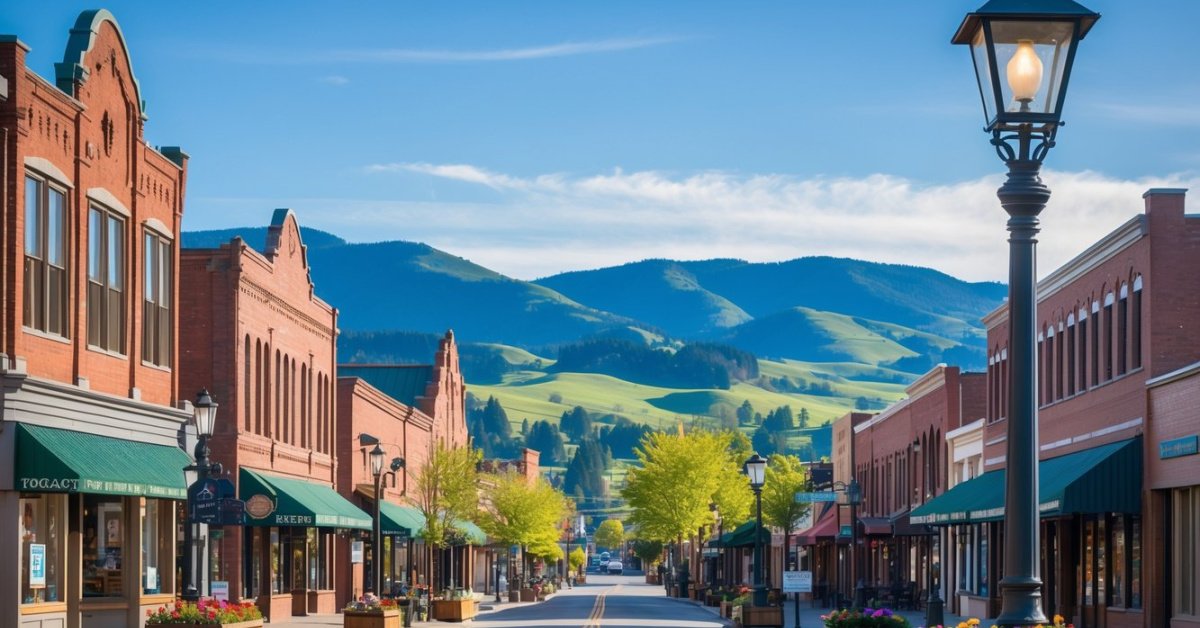
When I first moved to Oregon I noticed something different about how people approach health here. It’s not just about treating symptoms—there’s a real focus on the whole person. From herbal remedies to acupuncture and yoga I found a community that believes in blending ancient wisdom with modern practices.
Exploring holistic health in Oregon opened my eyes to a world where wellness means more than just doctor visits. People here embrace alternative medicine as a way to nurture both body and mind. I can’t wait to share what I’ve learned about this vibrant and growing movement.
Overview of Alternative Medicine in Oregon
Oregon offers one of the most diverse environments for alternative medicine in the Pacific Northwest. I find practitioners everywhere from Portland to Ashland, all dedicated to holistic health approaches. Clinics and independent providers specialize in methods like naturopathy, massage therapy, and energy healing. Naturopathic doctors in Oregon receive state licensing and complete about 4,100 hours of medical training, which includes botanical medicine and nutrition, according to the Oregon Board of Naturopathic Medicine.
Community clinics hold classes on mindfulness and natural remedies monthly in Eugene, Bend, and Salem. Yoga studios and integrative wellness centers operate in nearly every major municipality. Farmers’ markets in places like Corvallis and Hood River feature local herbalists with tinctures, teas, and topical balms. I often see acupuncturists collaborating with primary care clinics, especially in urban neighborhoods where demand for integrative and Asian medicine runs high.
Regulations support diverse holistic health practices. Oregon became the first state to license acupuncturists in 1987, and currently, the Oregon Medical Board oversees licensing requirements for multiple alternative medicine professions. Insurance plans often reimburse patients for certain services, including acupuncture and naturopathic visits, if the provider is licensed and the treatment is deemed medically necessary. These factors combine to make alternative medicine a common part of daily health and self-care in Oregon.
Key Practices in Holistic Health
Oregon’s holistic health scene stands out with many approaches rooted in local culture and natural resources. Everywhere I go, I see these key practices shaping daily life and wellness conversations.
Naturopathy
Naturopathy in Oregon involves licensed doctors using both modern science and natural healing methods. I often visit clinics where naturopathic doctors (NDs) help with chronic conditions, allergies, and digestive issues using nutritional counseling, botanical medicine, and lifestyle changes. Local NDs complete at least four years at accredited naturopathic medical schools and pass state licensing exams, making them a trusted healthcare choice for many Oregonians.
Acupuncture and Traditional Chinese Medicine
Acupuncture and Traditional Chinese Medicine (TCM) appear in community clinics and private offices statewide. Whenever I explore neighborhoods in Portland or Ashland, I see acupuncture treating pain, anxiety, insomnia, and even allergies. Practitioners in Oregon follow state regulations requiring national certification and hands-on training. Herbal formulas, cupping, and moxibustion often accompany acupuncture sessions, creating a uniquely Oregon TCM experience.
Herbal Medicine and Supplements
Herbal medicine and supplements seem woven into Oregon’s wellness culture, especially in natural food stores and farmers’ markets. I regularly find Oregon-grown herbs like peppermint, lavender, and echinacea sold alongside tinctures and teas. Herbalists advise people on safe use, with many collaborating closely with naturopaths and nutritionists. Oregon law allows licensed practitioners to recommend herbs as part of individualized wellness plans, supporting both prevention and symptom management.
Mind-Body Therapies
Mind-body therapies gain popularity here through yoga studios, meditation centers, and mindfulness workshops. I attend yoga classes that focus on breathwork, posture, and relaxation to help reduce stress and improve mobility. Meditation groups, tai chi, and guided relaxation sessions are common, especially around Eugene and Bend. These approaches, based on scientific research from sources like the NIH, show benefits for anxiety, chronic pain, and overall resilience, and they’re well-integrated into Oregon’s health community.
Benefits and Challenges of Holistic Medicine
Holistic medicine’s rise in Oregon brings both rewards and obstacles for patients and practitioners. My experience growing up here shows how these elements shape healthcare for locals seeking alternatives beyond conventional treatments.
Patient Experiences and Outcomes
People across Oregon report improved well-being, less reliance on prescription drugs, and better management of chronic pain with holistic care. For example, many folks I know in Eugene have used acupuncture for migraines and seen fewer severe episodes. Practitioners like naturopathic doctors often spend over an hour per visit, leading to more personalized support compared to typical clinics—something my neighbors in Ashland really value. However, outcomes vary widely. While some see quick results with herbal supplements or yoga, others need months of combined therapies to notice any change. Cultural fit plays a part too—rural residents sometimes feel less access or less connection to urban wellness trends, affecting satisfaction. Scientific evidence still varies by practice, so some methods like energy healing remain less proven, despite local anecdotes about their efficacy.
Regulatory Environment and Practitioner Licensing
Oregon holds some of the strongest licensing standards for alternative medicine practitioners, making it a leader among states. Naturopathic doctors must complete four years of graduate training and pass national board exams, which I’ve seen lead to higher trust in cities like Portland and Bend. Acupuncturists are licensed only after rigorous state-approved coursework and clinical hours, with over 1,200 active practitioners statewide as of 2023 (Oregon Medical Board). Oversight reduces risks, but insurance coverage varies by provider and treatment—so patients sometimes face out-of-pocket costs for therapies like massage or homeopathy. Changing rules and ongoing debates around alternative therapies mean practitioners adapt their offerings to stay compliant, especially as new treatments emerge.
Integrating Alternative and Conventional Care
Integrating holistic and conventional medicine in Oregon shapes how I experience healthcare every day. Primary care clinics in Portland partner with acupuncturists, naturopaths, and nutritionists, creating networks that let patients access both prescription medication and herbal protocols under one treatment plan. Hospitals like Oregon Health & Science University (OHSU) employ integrative care teams that consult patients together, offering acupuncture for pain, mindfulness classes for stress, and nutritional counseling for chronic conditions.
Routine collaboration happens most often in urban areas. In Eugene, I see clinics scheduling naturopathic consults alongside lab tests or preventive screenings. Patients with chronic conditions like fibromyalgia or diabetes can receive recommendations from both MDs and holistic practitioners in a single coordinated care visit. These partnerships allow for tailored wellness plans, with schedules that combine yoga, physiotherapy, conventional diagnostics, and evidence-based supplements.
Insurance providers in Oregon, such as Regence BlueCross BlueShield and Providence, often reimburse for licensed services from both conventional and alternative practitioners, if state standards are met and practitioners hold approved credentials. This broadens patient options for care, especially in cities with dense provider networks.
Pharmacies in my neighborhood now stock both prescription medications and local herbal tinctures, and pharmacists coordinate with naturopathic doctors regarding potential interactions. Educational programs for providers, including continuing medical education at OHSU, incorporate modules on acupuncture safety, herbal prescribing, and patient-centered integrative care models.
Barriers remain in rural communities, where provider shortages limit integrative team care, and insurance may reimburse at lower rates outside urban centers. Telehealth platforms, though, are expanding access, connecting patients statewide with both specialists and alternative medicine experts for virtual consultations.
People invested in their health find Oregon’s blended model lets them move between modalities, drawing support from diverse therapies and evidence-based best practices within a single community.
Notable Clinics and Practitioners in Oregon
I’ve explored clinics and holistic practitioners all over Oregon, gathering real insights from both cities and small towns. These standouts reflect the diverse strengths of Oregon’s alternative medicine landscape.
- National University of Natural Medicine (NUNM) Clinics, Portland: NUNM clinics combine naturopathic medicine, acupuncture, and nutrition. Student doctors work alongside licensed practitioners to create personalized plans. NUNM offers sliding scale rates, making holistic care more accessible in Portland.
- Oregon College of Oriental Medicine (OCOM) Clinic, Portland: OCOM delivers acupuncture, herbal therapy, and Traditional Chinese Medicine backed by state-licensed practitioners. The teaching clinic supports ongoing research and provides affordable appointments.
- True Nature Healing Arts, Ashland: True Nature blends acupuncture, bodywork, herbal remedies, and mindfulness instruction. Experienced practitioners offer integrative services that align with southern Oregon’s holistic values.
- The Wellness Center, Eugene: The Wellness Center offers massage therapy, chiropractic, naturopathy, and nutrition counseling. This practice emphasizes collaborative care and client education for chronic pain and wellness.
- Siskiyou Vital Medicine, Medford: Siskiyou Vital Medicine features direct primary care alongside naturopathic treatments. Members receive unlimited visits and urgent care, bridging conventional and alternative medicine.
- Community Supported Clinics, Various Cities: Community clinics in Bend, Salem, and Corvallis host rotating herbalists and acupuncturists. These clinics often include low-cost wellness classes and walk-in hours.
- Dr. Amanda Millar, ND (Bend): Focuses on women’s health and integrative nutrition.
- Michael Berletich, LAc (Ashland): Combines Classical Chinese Medicine with bodywork and mindfulness.
- Monica Hajkova, LMT (Portland): Specializes in trauma-informed massage and somatic therapy.
- Dr. Steven Sandberg-Lewis, ND (Portland): Gastrointestinal health expert at NUNM.
Each of these clinics and practitioners uses evidence-based alternative medicine, adapting care for Oregon’s climate and communities. Many collaborate with local farms, yoga studios, and community events, reinforcing the state’s holistic, community-driven culture.
Conclusion
Living in Oregon has opened my eyes to just how many paths there are to health and well-being. Every day I’m inspired by the creativity and dedication of practitioners and the openness of the community to new ideas.
It’s clear to me that holistic health isn’t just a trend here—it’s a way of life that keeps evolving. I’m excited to keep exploring and sharing what I learn as this vibrant field continues to grow.