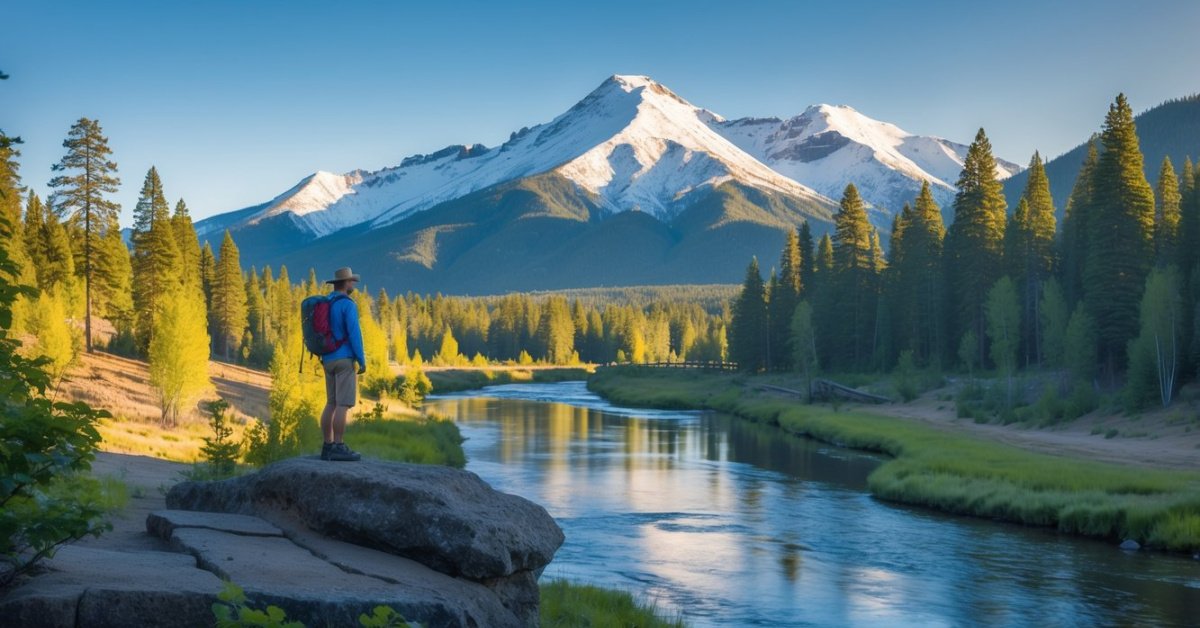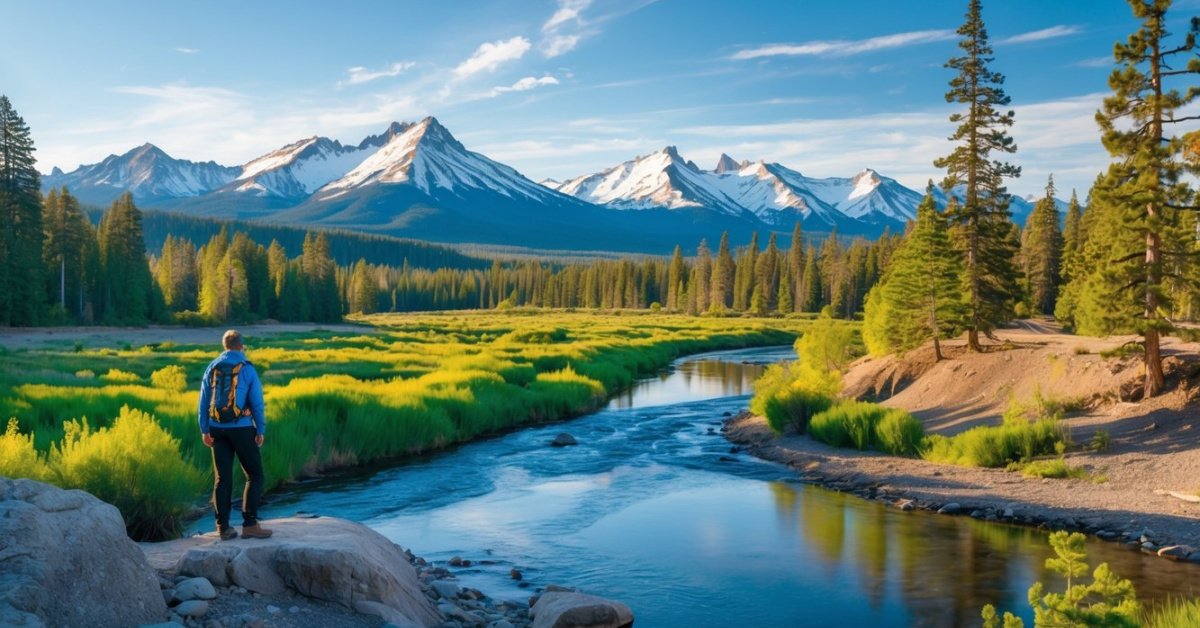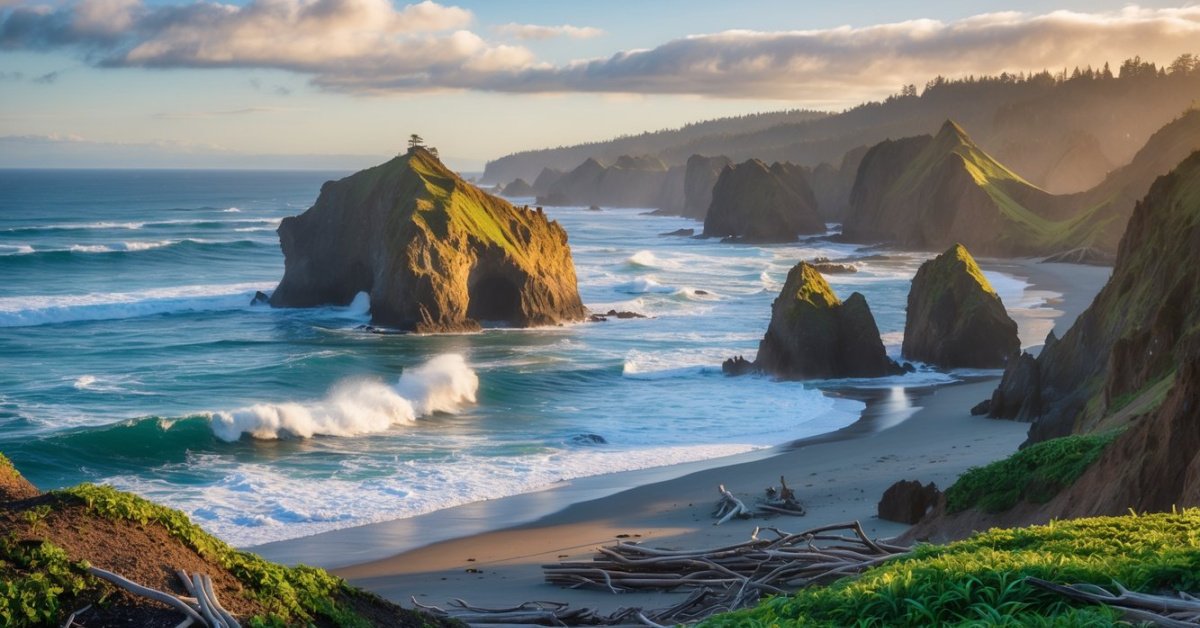
There’s nothing quite like hitting the open road in my RV and exploring Oregon’s wild beauty. From misty coastlines to towering forests and volcanic peaks this state feels like it was made for adventure. Every turn reveals a new place to park and soak in the scenery.
I’ve spent countless nights under Oregon’s starry skies and I’m always amazed at how many incredible RV camping spots I find. Whether I’m craving the sound of crashing waves or the peace of a quiet mountain lake Oregon never disappoints. Let me take you on a journey to some of my favorite RV camping destinations across the state.
Why Choose Oregon for RV Camping
Counties across Oregon offer quick access to varied landscapes, from Crater Lake National Park in southern Klamath County to the Pacific coastline in Tillamook and Lincoln Counties. Every region supports unique experiences, with ocean views, mossy fir forests, and high-desert scenes often within a day’s drive.
Weather patterns in Oregon create year-round RV camping opportunities. Western valleys stay mild well into October. Eastern plateaus see sunshine and dramatic night skies from June through September. Coastal parks stay cool even in August, which offers relief during heat waves.
Public lands support RV camping flexibility in Oregon. State parks, BLM sites, and national forests welcome both reservations and first-come sites. Examples like Harris Beach State Park, Wallowa Lake State Park, and Deschutes National Forest provide RV hook-ups plus direct access to hiking, paddling, or fishing.
Wildlife sightings enrich every outing. Herds of elk graze near Newport. Bald eagles and ospreys nest around Waldo Lake. Gray whales migrate along the coast in spring and winter.
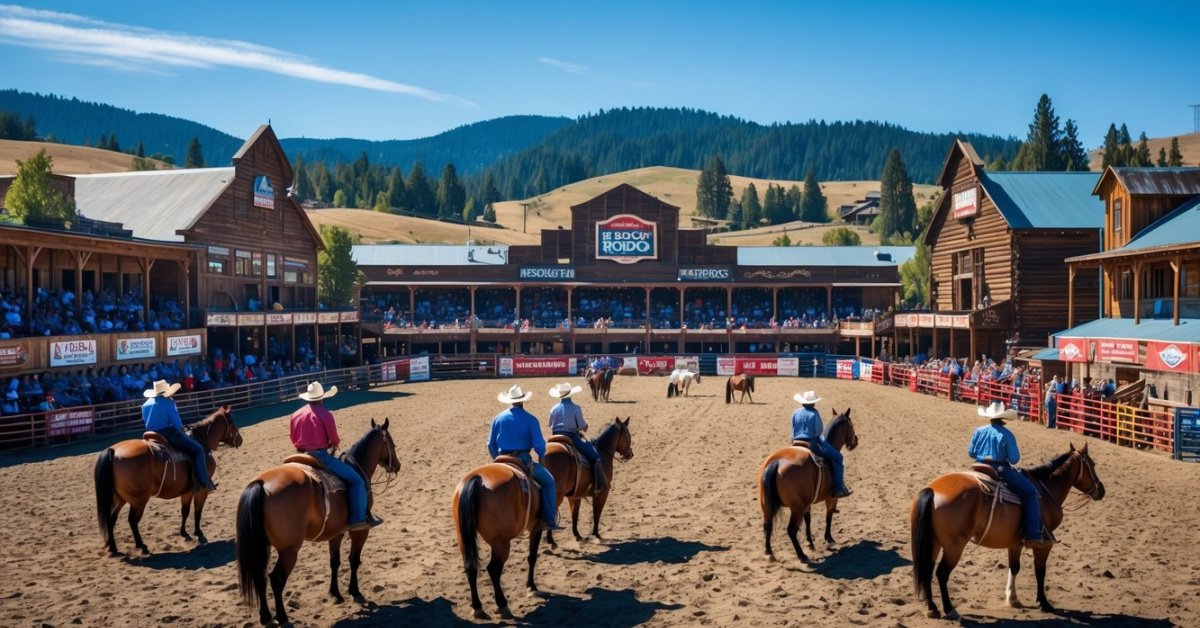
Communities value travelers throughout Oregon, from Astoria’s seafront festivals to Sisters’ small-town rodeos. Local events, farm stands, and microbreweries give RV campers a true taste of Oregon culture between outdoor adventures.
Essential Tips for RV Camping in Oregon
Weather Readiness
Oregon’s weather changes fast, even in the same day. I always pack rain gear, warm layers, and fast-drying clothes for coastal trips or Cascade campgrounds. I check updated weather sources like the National Weather Service just before heading out.
Road & Campground Conditions
Roads in rural Oregon, such as those in the Wallowas or Steens, get rough or snow-covered seasonally. I use ODOT TripCheck for current closures and always slow down on winding mountain passes. I book state park RV sites ahead, especially from June through August.
Local Wildlife Awareness
Wildlife such as black bears, elk, and deer appear often near forested sites and rivers. I store food securely and never leave trash outside my RV. In early summer, mosquitoes swarm near mountain lakes, so I pack repellent and fine mesh screens.
Water & Power Resources
Rural parks and dispersed campsites, especially in Eastern Oregon, rarely offer full hookups. I fill my fresh water tank before heading to places like Alvord Desert. I carry a generator for power and bring backup batteries for devices.
Responsible Recreation
Leave No Trace rules get enforced at most destinations. I bring reusable containers for garbage, stick to marked camping areas, and never gather firewood where it’s prohibited. Oregon’s burn bans change fast, especially in August, so I always check local restrictions at campgrounds and forest service sites.
Navigation Tools
Cell signals drop out in mountainous or coastal areas like the Rogue-Umpqua Divide. I load Google Maps offline and carry an Oregon Gazetteer for backup navigation. I also share my travel plan with a friend, since remote sites can get isolated fast.
Local Culture & Connections
Town markets, festivals, and local eateries, such as in Sisters or Astoria, offer authentic Oregon experiences. I ask campground hosts for insider tips on hiking trails, paddling spots, or hidden viewpoints—locals always know the best spots for your RV stay.
Oregon Camping Quick Reference
| Item | Details | Example Locations |
|---|---|---|
| Weather Gear | Rain jacket, warm layers | Tillamook Coast, Mt. Hood |
| Reservation Season | June–August (peak demand) | Silver Falls, Valley of the Rogue |
| Wildlife Precautions | Food storage, use of repellents | Deschutes River, Cascade Lakes |
| Water Availability | Often limited at remote public lands | Alvord Desert, Hart Mountain |
| Power Options | Generator, extra batteries recommended | Steens Mountain, Owyhee Plateau |
| Navigation | Offline maps, Gazetteer, share itineraries | Coast Range, Wallowa Mountains |
Top Destinations for RV Camping in Oregon
Locals often share the best spots for Oregon RV camping, and I’ve spent years exploring these unique places. Each destination listed here pairs natural variety with practical RV amenities, all based on my own experiences.
Crater Lake National Park
Crater Lake National Park offers clear water views and dramatic caldera scenery, creating Oregon’s most iconic RV camping experience. Mazama Village Campground, the main RV site, runs from late June through late September and supports full and partial hookups for rigs up to 50 feet. I’ve found early morning lake views from the campground quiet and impressive. Rim Drive’s 33-mile loop lets you park at overlooks for sunrise photos when the crowds thin.
Oregon Coast: Cannon Beach and Tillamook
Cannon Beach and Tillamook sit on the north Oregon coast, where oceanfront RV parks offer direct access to wide beaches and historic headlands. In Cannon Beach, RV Resort at Cannon Beach sets you two blocks from downtown galleries and Haystack Rock tidepools. In Tillamook, Netarts Bay Garden RV Resort delivers bayfront hookups and fresh seafood options within a 10-minute drive of the Tillamook Cheese Factory. I visit spring and fall for fewer crowds and easy parking near the dunes.
Mount Hood National Forest
Mount Hood National Forest balances easy access from Portland with forested campgrounds and alpine lakes. Trillium Lake Campground supports RVs under tall trees, framed by views of Mount Hood, and my favorite feature is the lakeshore nature trail loop. Lost Lake Resort and Campground offers a remote feel with basic RV sites and rentable kayaks. Huckleberry picking season, usually August, brings locals for weekends of berry-filled trails.
Smith Rock State Park
Smith Rock State Park gives RV travelers access to high desert hiking, world-class rock climbing, and Crooked River scenery. Bivouac Area doesn’t provide hook-ups but welcomes self-contained RVs on gravel pads, with two-day maximum stays. I’ve often combined sunrise walks around Misery Ridge with night photography, since the park’s dark sky conditions create ideal stargazing.
Alvord Desert
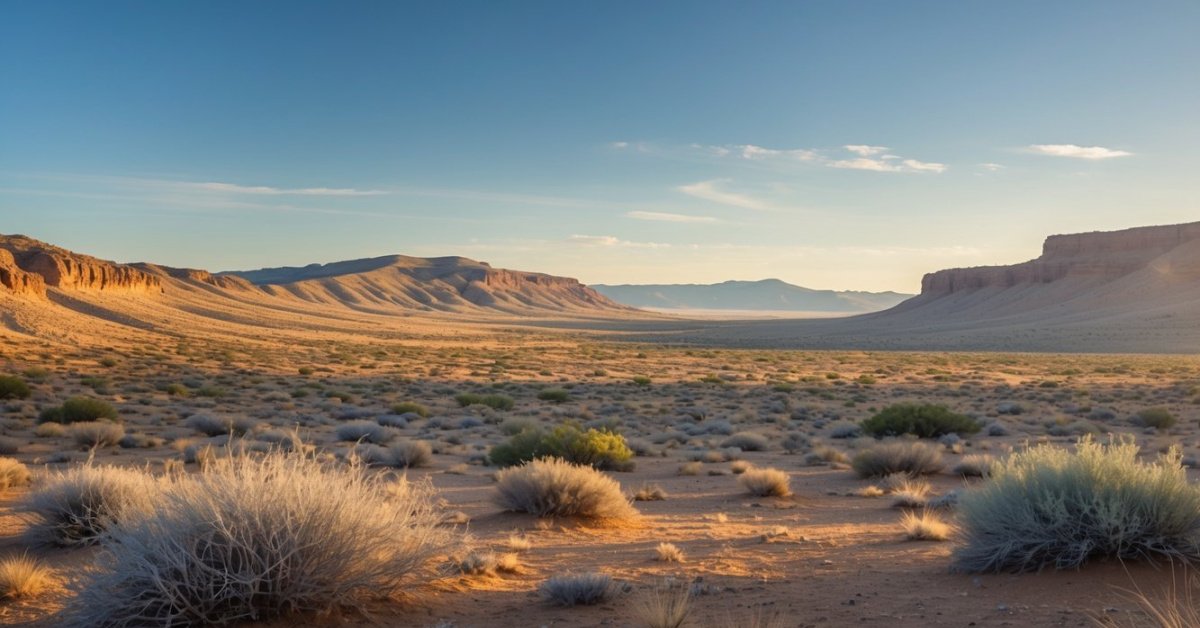
Alvord Desert sits in southeast Oregon, a remote playa flanked by Steens Mountain. Dispersed camping is standard here, with wide-open stretches for off-grid RVs and zero hookups. I camp at the edge of the playa for sunrise views and a direct path to Alvord Hot Springs, a local favorite for soaking. For milky way photography and total quiet, late summer and fall bring the clearest skies and warm days.
Best Time to Visit Oregon for RV Camping
Spring, summer, and early fall offer the best RV camping conditions in Oregon. In spring, from late March through June, wildflowers bloom across the valleys and mountain meadows. Daytime temperatures stay mild—often between 50 and 70°F—making it comfortable for hiking and sightseeing. Rain falls most frequently on the west side, especially between April and early June, so I pack waterproof gear when exploring coastal campgrounds like Nehalem Bay.
Summer months—July through September—see the driest weather. Almost all campgrounds east and west of the Cascades stay open, with high elevation sites around Mount Hood and Crater Lake accessible by late June. Temperatures in the valleys reach 80°F, but I find cooler nights at forested sites like Silver Falls or under the stars in the Alvord Desert. Crowds peak in July and August, particularly near iconic destinations. I make advance reservations for state parks like Beverly Beach or get to dispersed camping spots early in the week.
Early fall, from mid-September into October, brings vibrant autumn colors to the forests and lighter visitor traffic. Rain returns gradually, especially on the coast and in higher elevations, so I check weather forecasts before heading to places like the Wallowa Mountains. I recommend this season for those who want solitude at popular campgrounds without summer congestion.
Winter conditions restrict access to many mountain campgrounds. While some coastal and Willamette Valley RV parks stay open year-round, storms and cooler temperatures—often between 30 and 50°F—limit activities and increase road hazards in regions like the Cascades. I stick to low-elevation sites in winter and monitor road advisories closely.
Here’s a seasonal summary for quick reference:
| Season | Typical Weather | Best Regions | Key Activities | Crowds |
|---|---|---|---|---|
| Spring | 50–70°F, wet | Coast, valleys, low forests | Hiking, wildflower viewing | Low–Moderate |
| Summer | 60–90°F, dry | Mountains, lakes, desert, coast | All outdoor activities | High |
| Early Fall | 40–75°F, mild | Woods, mountains, coast | Leaf peeping, boating | Low–Moderate |
| Late Fall/Winter | 30–50°F, stormy | Coast, lower valleys | Storm watching, short hikes | Low |
Oregon’s variety rewards flexibility—by picking your dates and regions based on these patterns, you’ll catch the best RV camping experiences my home state has to offer.
What to Pack for Your Oregon RV Adventure
Packing the right gear for RV camping in Oregon lets me adapt to our state’s changing conditions and unique landscapes.
- Layered Clothing: I bring a waterproof shell, fleece, and moisture-wicking base layers for shifting weather in spots like the coast, Mount Hood, or the high desert.
- Waterproof Footwear: I wear sturdy hiking boots for muddy trails near Silver Falls or rocky beaches around Tillamook.
- Navigation Tools: I carry paper maps and a GPS, since cell service drops in places like the Ochoco National Forest and Santiam Pass.
- Full Pantry: I stock non-perishable foods and local snacks because rural stores like those in Alvord or Wallowa close early or have limited options.
- Extra Water: I stash extra gallons for dry campgrounds, including those near the Alvord Desert and some forest service sites.
- Outdoor Gear: I pack folding chairs, a portable grill, fishing tackle for Cascade lakes, binoculars for birding in Klamath, and a sturdy headlamp.
- Power Backup: I carry backup batteries and a solar panel, especially for off-grid nights or cloudy days along the coast.
- Waste Kits: I use biodegradable soap and bring trash bags to keep Oregon’s sites—like Crater Lake’s Mazama Village—pristine.
- Insect Repellent: I always have bug spray for coastal mosquitoes, Cascade mountain flies, or valley gnats.
- First Aid Kit: I assemble a kit with Oregon-specific items like anti-itch cream for poison oak, plus bandages and tweezers for ticks.
These essentials set me up for any Oregon RV adventure, whether I’m parking riverside in Hood River or backing into a forested spot in the Willamette foothills.
Conclusion
RV camping in Oregon always leaves me feeling refreshed and inspired. Every trip brings a new sense of wonder whether I’m waking up to the sound of ocean waves or the quiet rustle of pines in the mountains. There’s something magical about the freedom to roam and the chance to connect with nature and local communities along the way.
If you’re thinking about your next adventure I can’t recommend Oregon enough. Pack your sense of curiosity and let the road lead you to unforgettable places. Happy travels and see you out there!