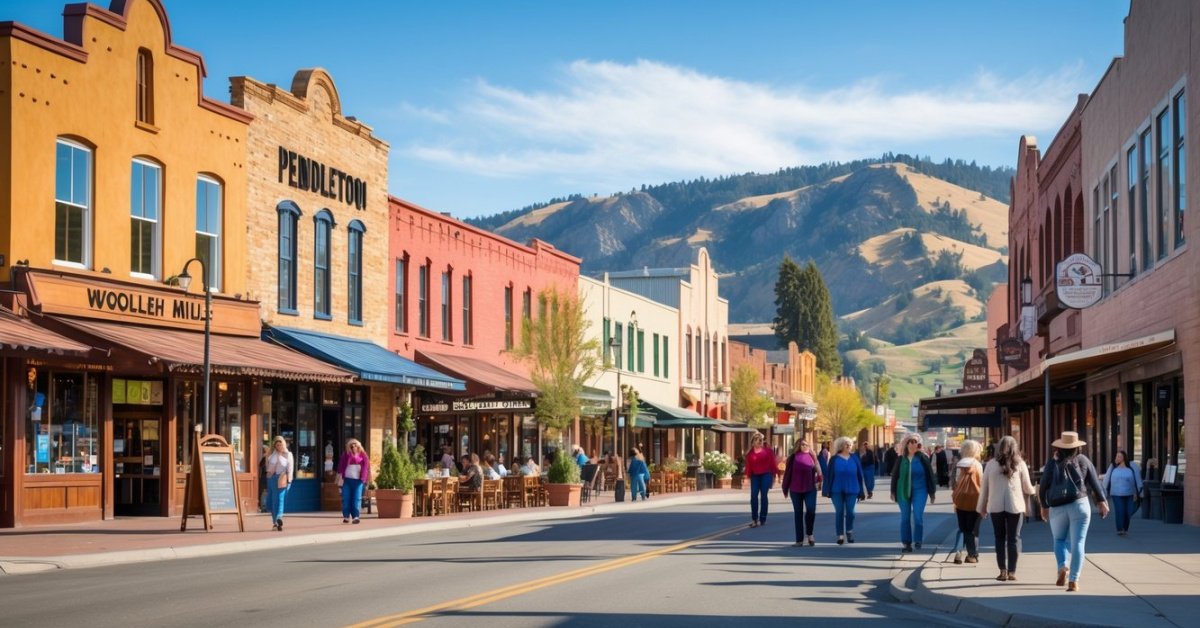
Whenever I crave a road trip packed with breathtaking views and a touch of history, the Columbia River Highway always comes to mind. Winding along Oregon’s lush cliffs and waterfalls, this legendary route feels like a journey back in time. Every curve offers a postcard-worthy scene that makes me want to pull over and soak it all in.
I love how the highway blends natural beauty with fascinating stories from the past. Whether I’m chasing waterfalls or just enjoying the drive, there’s something magical about cruising this historic scenic route. It’s the kind of adventure that makes me fall in love with the Pacific Northwest all over again.
History of the Columbia River Highway
The Columbia River Highway reflects the deep connection between Oregon’s history and its landscape. I’ve explored every twist and overlook, piecing together stories that shaped this remarkable route.
Vision and Construction
Visionaries Samuel Lancaster and Samuel Hill shaped the highway’s early plans around 1913, aiming to weave scenic viewpoints, waterfalls, and engineering innovation together. Crews carved the road using hand labor and dynamite, spanning fourteen years through steep basalt cliffs and lush forests. Arched concrete bridges and stone guardrails remain from the original design, with Crown Point’s Vista House (completed in 1918) as a signature feature. This vision set a new standard for harmony between infrastructure and the environment.
Significance in American Roadways
The Columbia River Highway opened to the public in 1916 and became the first scenic highway in the US, according to the National Park Service. It introduced techniques that influenced future road projects nationwide, notably its careful grading and sightline preservation. Travel guides from the 1920s called it the “King of Roads.” Oregon historians and transportation agencies often cite it as a benchmark for combining beauty, recreation, and automobile access. My research confirms it remains a standout among American roads for both its cultural and engineering significance.
Scenic Highlights Along the Route
Scenic highlights stand out on every stretch of the Columbia River Highway. My firsthand experience exploring these spots gives me insider knowledge of what truly makes this drive remarkable.
Iconic Viewpoints and Waterfalls
Viewpoints define the Columbia River Highway, each offering a new angle on the Gorge. Crown Point stands out, especially at Vista House, where I’ve watched fog roll over the river at sunrise and seen the entire Gorge on clear winter days. Multnomah Falls remains the tallest waterfall in Oregon at 620 feet. Horsetail Falls, Bridal Veil Falls, and Wahkeena Falls group together within a 5-mile segment, providing easy stops for trailheads and photo opportunities. Latourell Falls, my favorite for its yellow lichen and overhanging basalt amphitheater, sits just off the main road, and the quick hike near the parking lot lets you feel the spray in every season.
Unique Bridges and Tunnels
Bridges showcase early engineering with Northwest flair. The Benson Bridge at Multnomah Falls lets visitors stand between the two cascade tiers for rare perspectives. The Shepperd’s Dell Bridge includes reinforced concrete arches, blending with cliffs and forests. Tunnels like the Oneonta Gorge Tunnel—recently restored—create picture-perfect moments, especially when light streams through the stonework. Mosier Twin Tunnels now serve as a scenic pathway for hikers and cyclists, with windows carved into basalt walls for panoramic river views. These bridges and tunnels, distinct to the Historic Columbia River Highway, combine utility with artistry and highlight the landscape’s rugged personality.
Driving Experience and Road Conditions
Driving the Columbia River Highway gives a sense of traveling through Oregon’s history set against striking landscapes. Roads follow the original winding design from the early 20th century, making each mile feel thoughtful and deliberate.
Best Times to Visit
Late spring through early fall creates the best road conditions for driving the Columbia River Highway. I see the fewest weather-related closures and the most accessible viewpoints from May to September. Winter months bring rain, fog, and icy patches, especially between Crown Point and Ainsworth State Park, which sometimes limit access. Early mornings and weekdays from June to August, I notice fewer cars and more chances to enjoy the waterfalls without crowds.
Tips for Travelers
I drive the historic sections regularly and always plan for slower speeds—sharp curves, narrow lanes, and low bridges are common, especially near Multnomah Falls and Latourell Falls. Parking fills up by 10 a.m. at major attractions between late spring and early fall, so arriving early works best for me. Cell service disappears near Shepperd’s Dell and Oneonta Tunnel, so I keep a printed map. Potholes sometimes develop on older stretches, particularly after winter storms. For a quieter experience, I often explore east of Hood River, where light traffic and sweeping views of the Columbia Plateau offer a different feel.
Points of Interest and Attractions
Local knowledge about the Columbia River Highway helps me spot gems most visitors miss. Broad views, waterfall trails, and historic sites line every stretch.
Must-See Stops Along the Highway
- Crown Point and Vista House: Crown Point rises 733 feet above the river and Vista House crowns it with 360-degree Gorge views. Inside, local history displays add context while the art glass windows showcase sunlight in the afternoons.
- Multnomah Falls: Multnomah Falls stands at 620 feet, making it Oregon’s tallest. I always point out the Benson Bridge, a short walk from the parking area that gives close-up views of the upper falls. Fall and spring bring the strongest water flows.
- Latourell Falls: Latourell Falls plunges 224 feet in a single dramatic drop. The yellow lichen and sheer basalt column backdrop give it a distinctive look—one of my favorite photography spots early in the morning.
- Bridal Veil Falls: Bridal Veil’s two-tiered cascades are tucked into a mossy ravine. I find the half-mile trail to the view platform especially lush after winter rains.
- Wahkeena and Horsetail Falls: Wahkeena fans out over lava rock, while Horsetail spills straight into a pool. Both make easy, accessible stops from the highway—great for anyone new to Gorge hiking.
- Historic Bridges and Tunnels: The Shepperd’s Dell Bridge blends into a wooded canyon, and the Mosier Twin Tunnels lead to rock-hewn passageways on the highway’s east end, now part of the Historic Columbia River Highway State Trail.
- Rowena Crest: The Rowena Loops twist through wildflower hillsides to a broad panoramic overlook. Wildflower season in April and May puts on a show, blanketing the hills in color.
Outdoor Activities and Recreation
- Waterfall Hikes: Multiple short trails lead to waterfalls, with Wahkeena, Latourell, and Multnomah Falls hikes each under 2.5 miles. I prefer weekday mornings for quiet trails.
- Cycling and Pedestrian Trails: The Historic Columbia River Highway State Trail features vehicle-free stretches. I ride the Mosier Twin Tunnels segment for river and bluff views with minimal crowds.
- Picnicking and Photography: Designated spots at Vista House, Guy Talbot State Park, and Rowena Crest provide tables and scenic picnic settings. I often bring my camera when fog hugs the river or autumn colors peak in October.
- Wildflower and Wildlife Viewing: Tom McCall Nature Preserve above Rowena Crest becomes a wildflower hotspot in spring. Eagles and hawks often soar near open sections of the Plateau.
- Windsurfing and Water Sports: Hood River’s steady winds attract windsurfers and kiteboarders statewide. I recommend the Hood River Waterfront Park for easy river access and beginner-friendly conditions late summer.
- Scenic Drives and Photo Ops: Sunrise and sunset light up cliffs, falls, and Columbia River viewpoints. I often catch a sunrise at Crown Point or a golden-hour photo at Rowena Crest for deserted vistas.
Local insight turns Columbia River Highway stops into memorable experiences, ranging from quick photo pulls to all-day hikes and windy river adventures.
Preserving the Legacy
Preserving the Columbia River Highway is a personal passion for me, having grown up near these iconic roads and cliffs. I see neighbors and dedicated groups giving time and resources to keep this place intact for future generations.
Restoration and Conservation Efforts
Restoration and conservation efforts in the Columbia River Highway corridor center on protecting historic features, native habitats and scenic integrity. Organizations like the Friends of the Historic Columbia River Highway and Oregon Department of Transportation (ODOT) lead bridge and tunnel restorations, resurfacing projects, and invasive species removal. The Mosier Twin Tunnels reopening in 2000 stands out as a successful blend of historical preservation and recreation, linking The Dalles and Hood River for cyclists and hikers. Agencies coordinate with groups like Oregon State Parks to replant native ferns and maples after storm damage or wildfires. Towns—Corbett and Cascade Locks, for example—often join cleanups, making sure trails and vista pullouts remain safe and accessible. My own volunteer work in salmon habitat restoration reminds me that highway conservation supports both culture and wildlife, connecting people to the landscape they love.
Role in Local Communities
The Columbia River Highway plays a vital economic and cultural role for local communities along its route. Small businesses in Troutdale, Hood River and Mosier rely on travelers stopping for food, lodging or handmade crafts. Seasonal festivals—like Hood River’s Blossom Festival—celebrate the connection between the highway and regional farming history. School groups use the route for field trips, learning local geology at Latourell Falls and history at the Vista House. My friends running guiding businesses near Bridal Veil and Rowena Crest point to the highway’s importance for tourism-driven jobs. Residents, myself included, cherish annual events to recognize progress in preserving the King of Roads—for example, highway closures for car-free bike days. Local voices shape decisions about parking, signage and trail improvements through town halls and surveys, keeping the spirit of stewardship alive for everyone who calls this stretch of Oregon home.
Conclusion
Every time I travel the Columbia River Highway I find something new to appreciate. Whether it’s the play of light on the Gorge or a quiet moment at a hidden waterfall this route always manages to surprise me. The blend of history and scenery never gets old and I love knowing that so many people are working to keep its legacy alive.
If you’ve never experienced this drive I hope you’ll make time for it soon. There’s nothing quite like the feeling of winding through Oregon’s most iconic landscapes and making your own memories along the way.