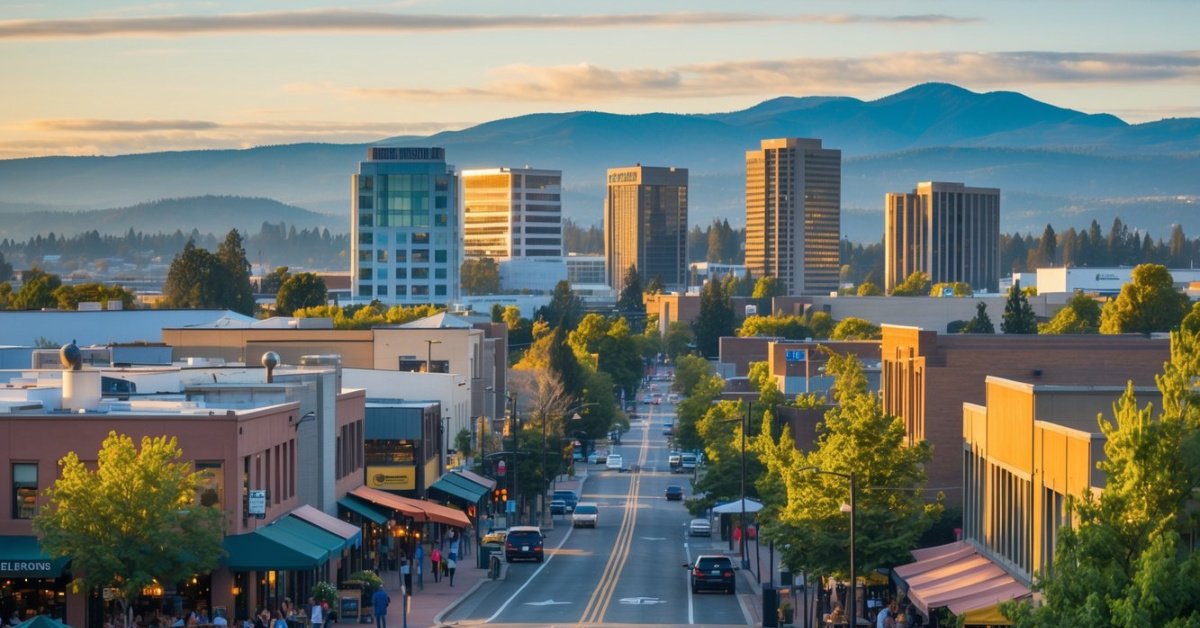
When I think about the heart of Portland, I can’t help but picture Portland State University right at its core. The city’s energy flows through the campus, shaping a unique experience that’s hard to find anywhere else. It’s not just about textbooks and lectures—it’s about learning in a place where the city itself becomes part of the classroom.
Urban education at PSU means I get to connect with real-world issues and diverse communities every single day. I love how the university blends academic life with city living, making every moment a chance to grow and discover something new. It’s a place where education feels alive and always evolving.
Overview of Portland State University
Portland State University sits in downtown Portland, anchoring the city’s education scene. I see over 22,000 students from more than 80 countries enrolled here each year. Campus buildings mix with local coffee shops, theaters, and green spaces like the South Park Blocks, blurring lines between urban life and university life.
Academic programs cover over 200 fields, ranging from environmental engineering to urban studies. PSU’s motto, “Let Knowledge Serve the City,” appears in everything from service projects to internships with Portland’s businesses and nonprofits. I find that classes often partner with city agencies or community groups on real projects—housing studies, sustainability plans, or public art installations.
Research centers, including the Toulan School of Urban Studies and Planning and the Institute for Sustainable Solutions, focus on Oregon’s ecology, housing challenges, and transportation needs. Faculty often work alongside city leaders on issues I see making news—climate action, affordable housing, and equity.
Residence halls cluster near MAX Light Rail lines for easy, car-free commuting. Students get free public transit passes, which means most folks I meet on campus move easily through the city for both study and recreation.
Athletics at PSU play NCAA Division I in the Big Sky Conference. The university’s focus leans more toward academics and community involvement than sports, but Viks games at the Stott Center draw crowds from the neighborhood.
I notice PSU stands apart for its close ties to Portland’s neighborhoods, museums, tech startups, food scene, and environmental initiatives. The campus isn’t walled off; instead, it mixes fully into the city’s daily movement and culture, making the university a living reflection of Portland itself.
Defining Urban Education at Portland State University
Urban education at Portland State University focuses on learning rooted in the real contexts of city life. I see faculty shaping courses around challenges that actually affect Portland—issues like affordable housing, sustainability, and social diversity. Students tackle practical problems through fieldwork in local neighborhoods, internships with city partners, and community-based research.
I interact with classmates from at least 80 countries, and those connections mirror the diversity right outside campus doors. PSU weaves everyday city experiences into the curriculum, using Portland’s transit systems, green spaces, and cultural hubs as extended classrooms.
Professors at PSU encourage hands-on engagement. For example, in public health classes, we organize outreach events downtown. In urban studies, we analyze traffic data in partnership with city planners. This applied approach shapes every class, from social work to environmental science.
The university’s mission—“Let Knowledge Serve the City”—means students turn research into civic impact. Community partnerships mark nearly every discipline, especially in education, public policy, and urban planning. I notice PSU’s focus on equity, with initiatives supporting underserved groups and projects addressing systemic barriers.
Urban education at PSU blends classroom theory with fieldwork, service learning, and civic involvement. For Oregonians like me, it’s a model that reflects not just city life, but also Oregon’s forward-thinking identity.
Academic Programs and Curriculum
Academic programs at Portland State University tie classroom learning to the unique pulse of Portland. I see PSU’s curriculum designed to address the real challenges and opportunities of living in Oregon’s largest city.
Undergraduate Offerings
Undergraduate offerings at PSU cover a wide range of majors connected directly to Portland’s diverse needs. I’ve noticed strong programs in urban studies, public health, environmental science, social work, and business. Students take part in field projects across the city, whether that’s mapping tree canopies in Southeast Portland, partnering with local nonprofits, or interning with city planners. My conversations with PSU students tell me courses often include practical components—like site visits, community research, and team-based projects reflecting Portland’s culture and challenges.
Graduate and Certificate Programs
Graduate and certificate programs at PSU give students advanced training in fields central to Oregon life. I’ve seen graduate programs in education, urban and regional planning, engineering, public administration, and social work stand out. In many cases, faculty collaborate with city leaders, offering students hands-on roles in shaping policies and studying issues like housing equity or green infrastructure. PSU’s graduate certificates—examples include sustainable food systems and digital city development—let working professionals deepen their expertise. From what I’ve researched, most programs encourage internships or research partnerships with local agencies and businesses, keeping PSU’s urban education focus front and center.
Campus Life and Urban Engagement
Campus life at Portland State University connects directly with downtown Portland’s rhythm. My days on campus blend city living and university experiences, shaped by the real-world pulse of Oregon’s largest city.
Community Partnerships
Community partnerships at PSU support meaningful urban engagement. I see university centers teaming up with groups like the City of Portland Bureau of Planning, Prosper Portland, and nonprofits such as the Oregon Food Bank. These collaborations drive projects targeting affordable housing, climate resilience, and youth education—three priorities Portlanders care deeply about. Joint programs like PSU’s Institute for Sustainable Solutions connect students with internships and research in public schools, regional transit agencies, and neighborhood coalitions. Partnerships with the Portland Downtown Clean & Safe Program allow students to get involved with safety, environmental, and public art efforts right outside the university’s doors.
Student Organizations and Activities
Student organizations and activities on PSU’s campus create spaces for real connections. Over 150 student-run groups operate here, including the Environmental Club, Black Student Union, and international associations for Korean and Latinx students. I often join campus events like the Portland Farmers Market, public lectures at the Smith Memorial Student Union, and volunteer days with the local chapter of Habitat for Humanity. Outdoor recreation thrives too, thanks to proximity to Forest Park and the Willamette River, with outdoor programs organizing group hikes, kayaking, and city cycling tours every week. Living and learning here means joining a community rooted in civic engagement and the everyday culture of Portland.
Faculty Expertise and Research Initiatives
Portland State University’s faculty drive urban education through applied research and local involvement. Many professors, including urban sociologist Dr. Lisa Bates and sustainability expert Dr. Vivek Shandas, anchor their teaching in Portland’s diverse communities. Their work often links directly to issues residents face every day, like affordable housing, environmental risks, and neighborhood change.
Faculty collaborate with city agencies, nonprofits, and businesses to shape the university’s research priorities. My experience watching PSU’s Homelessness Research and Action Collaborative team up with the city to map encampments shows how research informs policy decisions in real time. Oregon Transportation Research and Education Consortium researchers, for example, test new public transit models on Portland streets before cities nationwide adopt them.
Research at PSU focuses on interdisciplinary projects, blending social sciences, engineering, urban planning, and health. Professors regularly lead multi-year research initiatives tackling climate justice, air quality, and public health equity, with findings that guide action from Portland to rural Oregon towns. Faculty-led student groups gather community data for city improvement projects, supporting everything from transit design to tree canopy mapping.
PSU’s research centers, like the Population Research Center and Institute for Sustainable Solutions, strengthen the university’s reputation for actionable scholarship. Urban education here means research that’s rooted in Oregon’s realities—a core reason why PSU’s faculty continue to shape policy and spark change across the state.
Student Experiences and Success Stories
Every term at Portland State University, I see students put urban education into action in ways unique to Portland. Graduates lead youth programs in East Portland middle schools, using PSU coursework on social justice to create mentorship programs for immigrant teens. Public health majors, like Mia Tran, run wellness pop-ups in Lents neighborhood parks, providing bilingual COVID-19 education and resources for local families.
Environmental science students work alongside Friends of Trees, planning street tree inventories and designing green corridors near the South Waterfront. I watch these students present data on canopy gaps to city planners, helping to shape policy. In urban studies, capstone teams regularly tackle affordable housing barriers, such as the student cohort that built a digital resource map for tenants facing displacement in North Portland.
Business graduates build neighborhood-focused startups—over the last three years, I’ve met four alumni who launched food carts along the MAX lines, emphasizing locally sourced ingredients from Portland-area farmers.
I’ve seen plenty of first-gen students use PSU’s flexible schedules and downtown resources to juggle work and study, often interning with local nonprofits like Street Roots or Volunteers of America, then building careers in public service right after graduation. Education majors, guided by Portland Unified School District mentors, often secure full-time teaching roles within city schools—more than 40 PSU education alumni joined PPS in the last two academic years.
For many students, these experiences tie directly into local success. Here’s a quick look at the kinds of real outcomes I encounter regularly:
| Student Name | Major | Impact Example | Portland Connection |
|---|---|---|---|
| Mia Tran | Public Health | Wellness pop-ups, bilingual health outreach | Lents neighborhood, parks |
| Carlos Jimenez | Urban Studies | Tenant resource mapping, anti-displacement work | North Portland, city agencies |
| Anna Lee | Environmental Sci. | Tree inventory, green corridor planning | South Waterfront, city planners |
| Jasmine Wilson | Education | Classroom placement, full-time teaching role | PPS elementary schools |
| Marcus Carter | Business | Local food cart startup, urban market catering | MAX transit corridors, Pearl |
These student stories reflect the blend of classroom theory, fieldwork, and city connections that define PSU’s urban education. I see results all over Portland: thriving in green spaces, supporting schools, driving new business, and shaping policies for a better Oregon.
Career Opportunities After Graduation
Portland State University urban education graduates enter diverse fields across Portland and the broader Pacific Northwest. Employers in government, nonprofits, and private industry seek out PSU alumni for their experience with urban challenges and community engagement. For example, the City of Portland, Oregon Health Authority, Metro, and Ecotrust often recruit PSU graduates for roles in public policy, health outreach, and sustainability project management.
Many students leverage internships from PSU’s city partnerships into full-time positions addressing issues like housing affordability, public transit improvement, or environmental planning. I’ve seen friends join local firms like ZGF Architects or Portland General Electric as urban planners and analysts, using skills developed through hands-on coursework and research with city agencies.
PSU’s School of Social Work and College of Education send teachers, counselors, and social workers into Portland-area schools, community organizations, and state agencies. Grads from these programs support multicultural education, equity advocacy, and youth development—reflecting the diversity of Portland’s neighborhoods. Local district superintendents and nonprofit directors regularly highlight PSU’s graduates for their unique blend of classroom and real-world experience.
Technology and business grads stay competitive with training in data science, entrepreneurship, and economic development. Startups in Portland’s Central Eastside and organizations like Prosper Portland frequently hire PSU alumni for roles in tech support, business analytics, and community investment. I know several PSU business graduates who launched small businesses on the east side, citing the university’s entrepreneurial support as a key advantage.
Below is a table listing key employers and sectors hiring PSU urban education graduates:
| Employer/Organization | Role Example | Sector |
|---|---|---|
| City of Portland | Urban Policy Analyst | Government |
| Oregon Health Authority | Health Program Specialist | Public Health |
| Portland Public Schools | School Social Worker | Education |
| Metro | Community Engagement Lead | Regional Planning |
| Ecotrust | Sustainability Project Mgr | Nonprofit/Environment |
| ZGF Architects | Urban Planner | Private Industry |
| Portland General Electric | Data Analyst | Utilities/Energy |
| Prosper Portland | Economic Development Assoc. | Business Development |
Networking with PSU’s alumni community opens doors throughout Oregon’s cultural, civic, and economic landscape. Each year, PSU’s Urban Center hosts career fairs, making local connections accessible, and I see former students frequently return as mentors or employers. This cycle keeps PSU’s urban education model deeply woven into Portland’s ongoing transformation.
Conclusion
My experience at Portland State University has shown me just how powerful urban education can be. Every day offers a new way to connect with the city and its people and I love how learning here feels alive and rooted in the real world.
PSU’s commitment to community and hands-on problem-solving makes me proud to be part of this vibrant campus. If you’re looking for an education that goes beyond the classroom and truly shapes the city around you PSU is the place to be.