Whenever I think about Oregon’s film scene, Gus Van Sant’s name immediately comes to mind. He’s not just a celebrated director—he’s a creative force who helped put Oregon on the cinematic map. His movies capture the beauty and quirkiness of the Pacific Northwest in a way that feels both personal and universal.
I’ve always admired how Van Sant’s work draws in local talent and showcases Portland’s streets like nowhere else. Thanks to his vision, Oregon’s film industry has grown into a vibrant community where indie filmmakers and big productions thrive side by side. It’s amazing to see how one filmmaker’s passion can inspire an entire region’s creative spirit.
The Rise of Oregon’s Film Industry
Oregon’s film industry grew fast after the 1980s, with Portland and Eugene becoming major filming locations. Local crews, production companies, and skilled artists—like grips, set designers, and sound engineers—settled here as movies like “Drugstore Cowboy” and “Stand by Me” hit theaters.
Top productions brought steady jobs and investment. According to the Oregon Governor’s Office of Film & Television, film and TV spending hit $221 million in 2022, up from less than $40 million in 2009. Major projects included shows like “Portlandia” and movies such as “Wild,” filmed in the Columbia River Gorge.
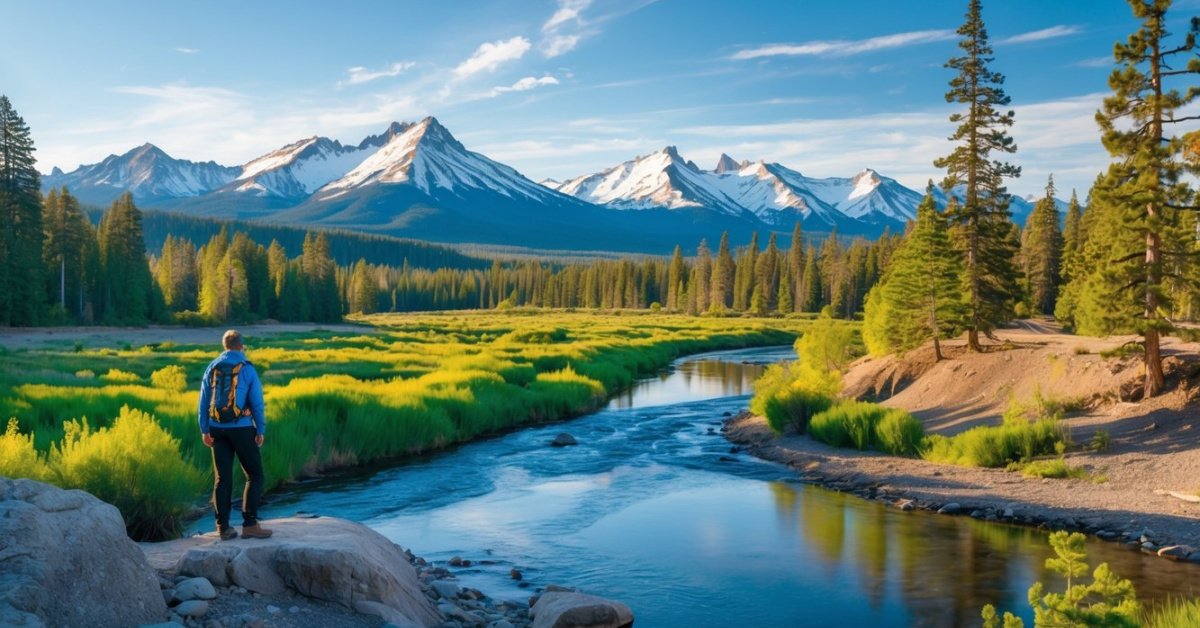
Supportive tax incentives and the easy access to stunning locations—Mt. Hood peaks, urban Portland, Willamette Valley farms—pulled in filmmakers from outside Oregon. I’ve watched productions take over downtown streets, forest roads, and even tiny coastal towns.
Film festivals boosted the local scene, too. The Portland International Film Festival, Ashland Independent Film Festival, and BendFilm Festival all celebrated local talent and helped attract industry attention to Oregon.
Community support remains high. Locals open their homes for shoots, offer up historic buildings, and volunteer at festivals. Film students from places like Portland State and University of Oregon find plenty of projects to join, getting hands-on experience right away.
Gus Van Sant: A Pioneering Influence
I see the impact Gus Van Sant’s had on Oregon everywhere from local conversations about films to actual filming crews on our streets. His work put Portland on the cinematic map, and almost everyone in the local industry here has a story about working near his sets or meeting someone inspired by his legacy.
Early Works and Oregon Roots
Van Sant started connecting Oregon’s visuals and creative energy with world cinema in the 1980s. He moved to Portland before his breakout film, “Mala Noche” (1986), which he filmed here on a modest budget, using real Portland streets and mostly local actors. Locals often mention how scenes capture familiar blocks and actual people, not just professional extras—his films reflect the real Portland atmosphere. His early work created a blueprint for the region’s indie film scene, encouraging lots of new Portland filmmakers to keep productions small and authentic and to source local talent.
Signature Films Set in Oregon
I recognize several spots in Van Sant’s most well-known Oregon-set films—“Drugstore Cowboy” (1989), “My Own Private Idaho” (1991), and “Paranoid Park” (2007)—as places I’ve walked or biked myself. “Drugstore Cowboy” highlighted Portland’s then-undocumented neighborhoods with a raw, unvarnished lens. “My Own Private Idaho” showcased both the city and Oregon’s distinctive landscapes—locals point out the stretches of rural highway and iconic bridges because they know them by heart. He returned to Portland’s eastside skate parks for “Paranoid Park,” again using the city’s light, rain, and youth culture as more than just a backdrop. Audiences from outside often ask me why the city feels so real in his films—it’s because Van Sant shot here, with people from here, and captured details only someone living in Oregon would notice.
Impact on Local Filmmaking and Culture
Gus Van Sant’s projects connect deeply with Oregon’s active film community. Local conversations, training programs, and on-set practices all reflect his approach to filmmaking.
Inspiring a New Generation of Filmmakers
Living in Oregon, I see Van Sant’s influence in film schools and creative circles across the state. Young directors cite films like “My Own Private Idaho” and “Elephant” as motivation when pursuing authentic storytelling. Student festivals at the Northwest Film Center or the University of Oregon often spotlight work influenced by his minimalist style and focus on local character. Portland’s micro-budget scene follows his blueprint—casting Oregon locals, using natural lighting, and selecting familiar neighborhoods as backdrops. Emerging voices like Kelly Reichardt, Alicia J. Rose, and Matt McCormick echo Van Sant’s visual style and Oregon-based narratives in their films.
Boosting Oregon’s Creative Economy
Van Sant’s films help drive Oregon’s creative economy by attracting both independent productions and major studios. I’ve witnessed local businesses—cafés, vintage shops, bike rentals—benefit directly when film crews shoot in their neighborhoods. Tax incentives combine with industry momentum sparked by Van Sant’s success, making productions like “Wild,” “Lean on Pete,” and IFC’s “Portlandia” possible. In 2022, Oregon’s film and TV spending totaled $221 million, with nearly 5,000 Oregon residents employed in the sector (Oregon Film Office). Community festivals, such as the Portland International Film Festival, draw filmmakers and boost hotel, restaurant, and transportation revenue across the state. College students find internships with local productions, building pathways into the industry that didn’t exist before Van Sant’s rise.
Oregon on the Big Screen: Memorable Locations and Stories
Broadway Bridge in Portland appears in “My Own Private Idaho”. I see work crews carefully blocking off traffic and curious locals gathering every time a production uses this site. The bridge’s steel arches and Willamette River backdrops turn simple scenes into cinematic moments.
South Park Blocks, a leafy stretch in downtown Portland, gives “Drugstore Cowboy” its haunting city pulse. I walk these shaded paths often, passing the same old trees and concrete benches that anchor the story’s fleeting encounters. Students, artists, and movie fans recognize Van Sant’s signature camera work from their own walks here.
Forest Park, sprawling nearly 5,200 acres, forms the shadowy setting for “Paranoid Park”. I meet skateboarders at the park’s entrance who talk about how the film put their hidden world on the map. Moss-covered trails, creeks, and city views help shape stories of isolation and connection that feel distinctly Portland.
Cathedral Park under the St. Johns Bridge hosts dreamy shots from “Restless”. I bring friends here for picnics beneath gothic towers where filmmakers chase golden light at sunset. Community groups often recall when film crews camped out, weaving local life and legend into every frame.
Astoria’s waterfront features scenes from “Kindergarten Cop” and “The Goonies”. I talk to shop owners who share stories of actors racing up 14th Street or film buffs posing by the historic Flavel House. These towns celebrate their screen fame through guided tours and bustling summer crowds.
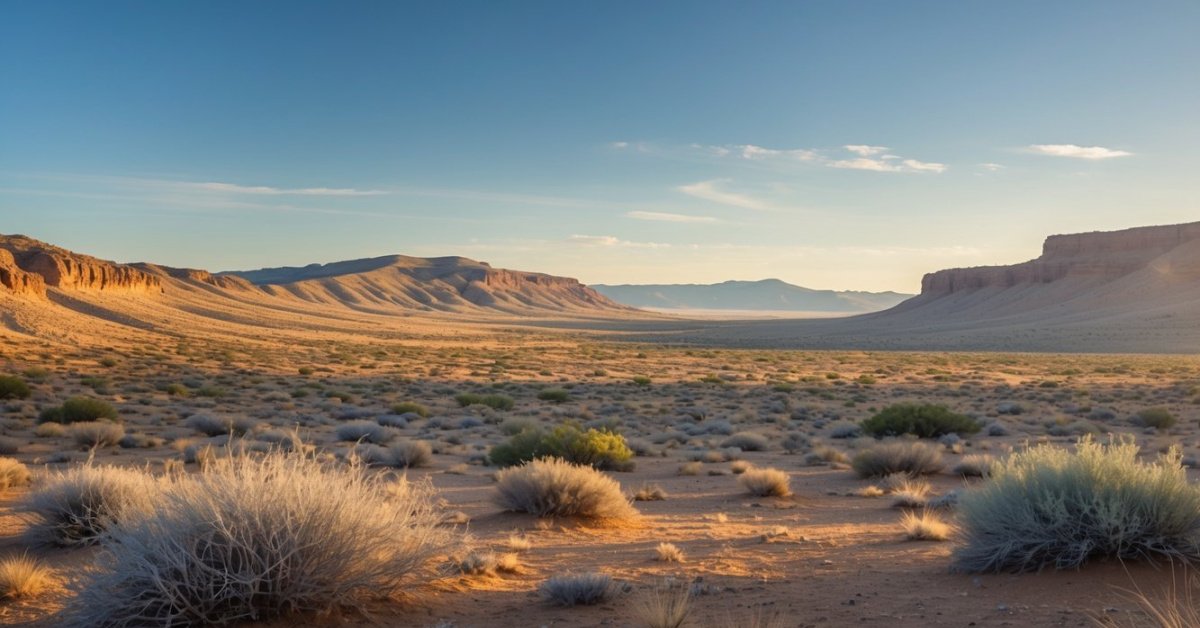
Eastern Oregon’s high desert lands starred in “Meek’s Cutoff”. I hike the sun-bleached oaks and sagebrush, passing locals eager to recount the time filmmakers camped among frozen creeks and open skies. Rural communities often provide support, extras, and unique textures that define a film’s authenticity.
Downtown Eugene buzzes when productions use Fifth Street Market or Oak Street. I hear stories of aspiring actors recruited straight from nearby coffeehouses. Local businesses get steady boosts when crews flood restaurants, book stores, and hotels for weeks.
Filmmakers, inspired by Van Sant, continue to cast Oregon locations for their beauty and character. Every square mile offers something distinct—from coastal fog in Cannon Beach to neon-lit Portland blocks. Throughout the year, I meet people revisiting or discovering these iconic sites, creating new Oregon film stories with every step.
Continuing Van Sant’s Legacy in Modern Oregon Cinema
Local filmmakers honor Van Sant’s legacy by grounding their stories in authentic Oregon locations and experiences. I’ve watched directors like Kelly Reichardt and James Westby showcase the nuances of Portland in films such as “Old Joy” and “Rid of Me.” These stories use real neighborhoods, shop fronts, and riverbanks, capturing a mood I recognize from my own walks around the city. Production companies hire Oregon-based crews, mirroring Van Sant’s habit of casting local talent for both leading and supporting roles.
Independent productions fuel growth in the micro-budget scene. I’ve seen teams shooting in Forest Park or on the Oregon coast, following Van Sant’s tradition of using the landscape as a character. Productions like “Wild” and “Leave No Trace” pulled in crews from Portland and Eugene, while Oregon’s landscapes feature prominently on screen. Film students from Portland State University and the Northwest Film Center continue experimenting with documentary-style techniques and improvisational scripts, often referencing Van Sant’s influence in campus screenings.
Economic data show that the industry builds on Van Sant’s foundation. In 2023, media productions involved over 5,300 Oregonians in jobs from camera operations to location scouting (Source: Oregon Film). Film incentive programs attracted new series and films, driving spending above $230 million that year. My neighbors in communities like Astoria and Silverton share stories about crews shopping locally, eating at small diners, and booking out motels during filming—a direct impact I see across the state.
Festivals amplify Oregon voices. I attend Portland’s long-running festivals and watch how they highlight boundary-pushing work. Directors inspired by Van Sant present stories with local actors, distinct Pacific Northwest backdrops, and contemporary themes tied directly to our region. Community-driven groups like Open Signal host workshops to teach up-and-coming creatives the same storytelling techniques that define Van Sant’s legacy.
Oregon’s modern film scene channels Gus Van Sant’s ongoing influence, blending visual authenticity with a commitment to showcasing real people and places. My firsthand experience across the state confirms that his spirit remains part of Oregon’s creative DNA, in projects ranging from major features to experimental shorts filmed on neighborhood streets.
Conclusion
Whenever I walk through Portland or spot a film crew tucked into a corner of Eugene I can feel Gus Van Sant’s influence lingering in the air. His dedication to authenticity and local stories has shaped not only the movies filmed here but also the way we see ourselves as a creative community.
Oregon’s film industry keeps evolving yet that sense of pride and possibility Van Sant sparked is as strong as ever. I’m excited to see how new voices continue to build on this legacy and share the unique spirit of our state with the world.