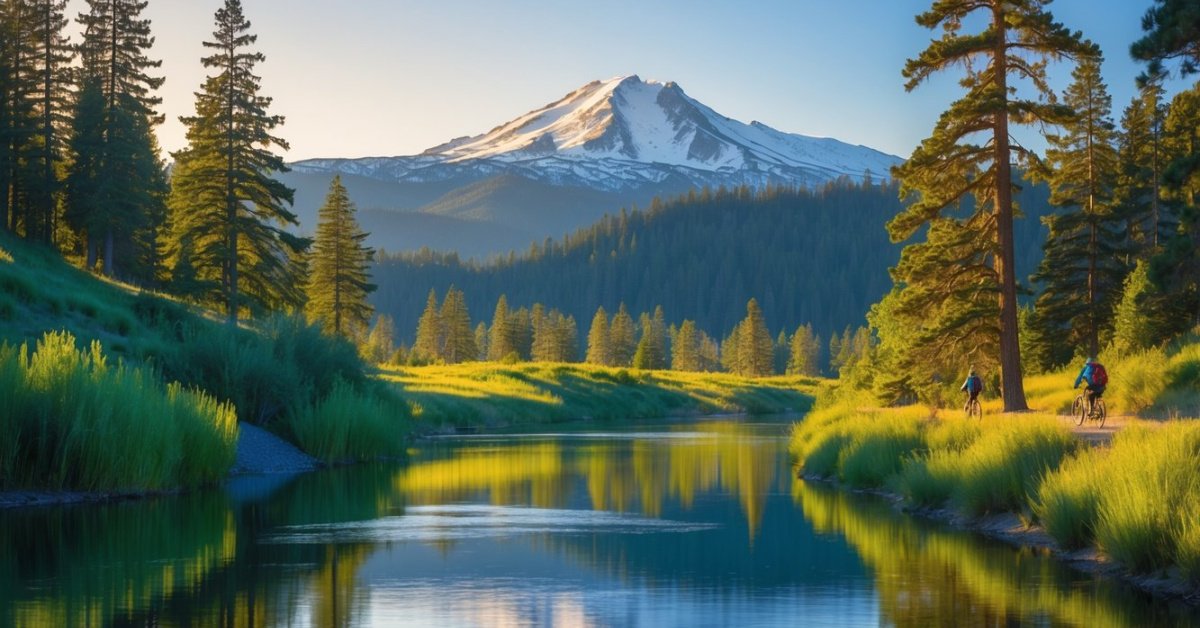
Every time I drive the McKenzie Pass-Santiam Pass Loop I feel like I’ve stepped into another world. Towering lava fields stretch out beside the road and ancient volcanic peaks rise dramatically against the sky. There’s something magical about watching forests give way to rugged rock and wildflower meadows as the landscape shifts around every curve.
I can’t help but slow down and soak in the views. With every mile the scenery changes and I find new reasons to pull over and snap a photo or just breathe in the crisp mountain air. This loop isn’t just a drive—it’s an adventure through Oregon’s volcanic heart and I’m always eager to explore what’s around the next bend.
Overview of the McKenzie Pass-Santiam Pass Loop
The McKenzie Pass-Santiam Pass Loop links two Cascade mountain passes—McKenzie Pass (Oregon Route 242) and Santiam Pass (US Highway 20)—in a 82-mile drive circling through Central Oregon’s most iconic volcanic scenery. I always find this loop gives a direct window into Oregon’s volcanic history, lava flows, and high-elevation forests.
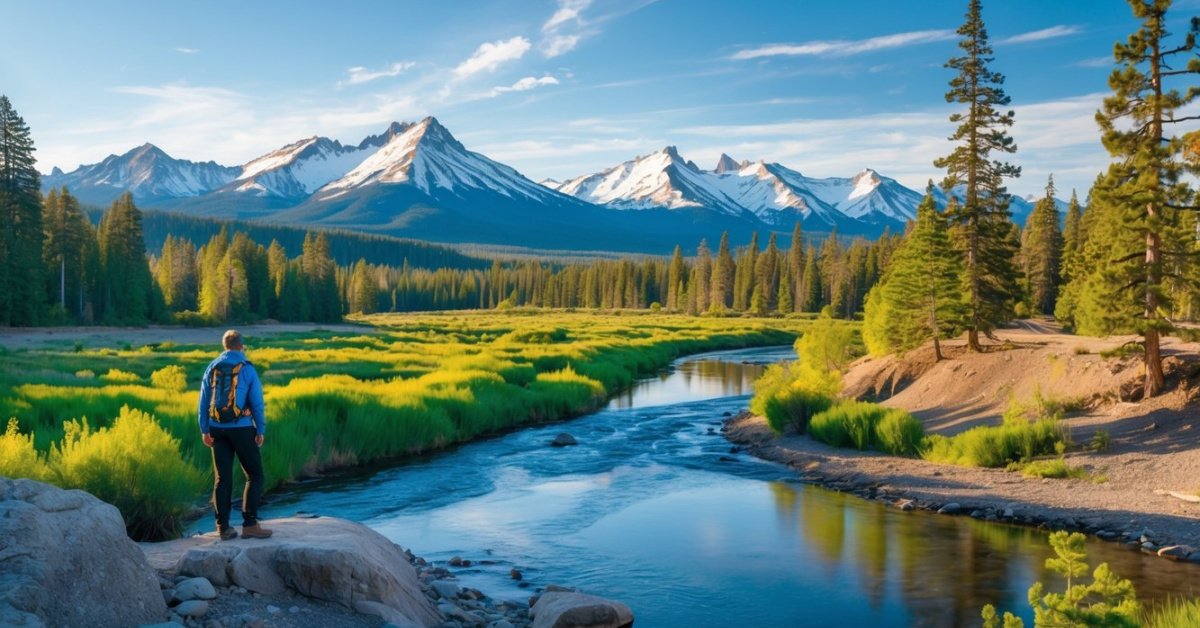
Driving this loop, I pass through the lava fields of Dee Wright Observatory, forests dense with Douglas fir, and open views of volcanic mountains like the Three Sisters, Mount Washington, and Mount Jefferson. I see evidence of past eruptions in black rock formations, witness wildflower meadows in early summer, and spot clear blue lakes such as Clear Lake along the way.
Many sections close from late fall to mid-spring due to heavy snowfall, since McKenzie Pass sits at 5,325 feet. I plan rides from late June through October for the full route. Roads offer sharp switchbacks, narrow shoulders, and several scenic turnouts. Towns like Sisters and McKenzie Bridge provide supplies, food, and base camps before and after the loop drive.
This route incorporates state park access, hiking trailheads like the Proxy Falls trail, and interpretive sites explaining the Cascade Range geology. Throughout the drive, I take the time to stop for overlooks and short hikes to learn more about the terrain shaped by Oregon’s ancient volcanoes.
Highlights of the Volcanic Views
Every turn on the McKenzie Pass-Santiam Pass Loop frames the Cascade Range’s volcanic legacy right from the roadside. I always notice how ancient lava flows meet snow-dusted peaks, with each overlook bringing another perspective on Oregon’s fire-forged past.
Notable Volcanic Landmarks
- Dee Wright Observatory lava fields
Basalt flows surround the observatory for miles, proof of eruptions from nearby Belknap Crater. From the stone viewing platform, I trace the sharp outlines of ancient vents and tubes across the black landscape.
- Three Sisters
These triple summits—South Sister, Middle Sister, North Sister—dominate the skyline near McKenzie Pass. Each one tells a different volcanic story, from South Sister’s broad shield to North Sister’s rugged spires.
- Mount Washington
Jagged lava spires form the peak’s distinctive profile, making Mount Washington easy to spot above the dark forests. The sharp contrasts are especially vivid on clear summer mornings.
- Black Crater
Rising just east of McKenzie Pass, this steep-walled cinder cone creates a striking, moonlike foreground when I look back west from higher elevations.
- Belknap Crater
North of McKenzie Pass, Belknap’s rounded summit and vast lava fields remain central features in the Santiam Pass region’s volcanic scenery.
Best Viewpoints Along the Loop
- Dee Wright Observatory
Panoramic windows in the lava-stone building frame all major Cascade volcanoes, with interpretive panels helping visitors like me identify summits up to 120 miles away.
- Lava Fields turnout near McKenzie Pass
Just east of the summit, roadside pullouts offer up-close views of the twisted lava. Here, I sometimes find wildflowers clinging to the rough landscape in late summer.
- Scott Lake overlook
Off Highway 242, Scott Lake mirrors surrounding firs and peaks in clear weather, with unobstructed views of the South and Middle Sisters.
- Santiam Pass summit pullout
North-facing viewpoints capture Mount Washington in profile and highlight the dramatic divide between forest and open lava.
- Proxy Falls trailhead
Marking the western edge of volcanic terrain, this popular trail crosses recent lava flows before leading to one of Oregon’s best photogenic waterfalls. I always suggest stopping here for an easy walk into the heart of Cascade geology.
Outdoor Activities and Recreation
Outdoor activities along the McKenzie Pass-Santiam Pass Loop highlight the area’s unique volcanic terrain and dramatic scenery. I’ve explored these landscapes year-round, finding every turn packed with local adventure.
Hiking and Biking Trails
Hiking and biking trails near McKenzie Pass-Santiam Pass Loop cut through ancient lava, forests, and alpine meadows. I’ve logged dozens of miles along paths like the Obsidian Trail, which winds through obsidian flows and wildflower meadows, offering views of the Three Sisters. Proxy Falls Trail delivers a quick hike to Oregon’s most photogenic waterfall, dropping 226 feet in two tiers. Dee Wright Observatory links to short interpretive trails over moonlike lava, while PCT sections near Santiam Pass see through hikers during July and August. For road cycling, the McKenzie Pass highway (closed to vehicles in spring) opens up to bikes before drivers return—locals consider it the premier Cascade ride with unobstructed peaks and silence.
Photography Opportunities
Photography opportunities arise at nearly every overlook and trailhead on the loop. Mornings at Scott Lake reflect the jagged skyline of the Three Sisters, while sunrise at Dee Wright Observatory casts orange light on lava ridges. Late summer brings golden hour at Belknap Crater, where wildflowers brighten black volcanic soil. I’ve captured dense stands of Douglas fir shrouded in mist near Clear Lake and fall colors in early October along the Santiam Wagon Road corridor. Proxy Falls, with its mossy basalt and heavy spray, remains a go-to for long-exposure shots, especially when volumes peak during late spring runoff.
Tips for Planning Your Visit
I rely on local experience and seasonal knowledge to make every drive around the McKenzie Pass-Santiam Pass Loop spectacular. Careful planning goes a long way, especially with Oregon’s wild volcanic landscapes and shifting mountain weather.
When to Visit for Optimal Views
I find the best views along the McKenzie Pass-Santiam Pass Loop from late June through mid-October since both passes are open and clear of snow. Wildflowers hit their peak by mid-July, especially in burn areas and near Belknap Crater. For vibrant fall color and fewer crowds, I drive in late September or early October after the first frost. Cloudless days are rare in spring or fall, but offer incredible clarity—on those mornings I catch most of the Cascade peaks in one line from Dee Wright Observatory. Winter and early spring often bring closures, icy roads, and zero visibility.
Essential Travel Tips
I make my loop clockwise starting from Sisters for safer, easier turnouts at major overlooks along the McKenzie Highway. Cell service disappears between Belknap Springs and Dee Wright Observatory, so I download maps and pick up a free Forest Service road guide in Sisters or McKenzie Bridge. For a smooth trip, I fill up on gas in Sisters, Eugene, or near Detroit Lake since there’s nothing for 40 miles on the route. Layers and raingear are essential—mountain weather jumps from sunny to snow squall within a half hour. Parking lots at Dee Wright Observatory, Scott Lake, and Proxy Falls fill before 10 a.m. on weekends, so I head out before 8 a.m. or aim for weekdays. If wildfire smoke is thick, I skip the drive—views disappear fast, and conditions become unhealthy. For the full volcanic geology experience, I stop at interpretive sites and hike a short distance from each main overlook, where fewer people go and the landscape really shines.
Conclusion
Every time I travel the McKenzie Pass-Santiam Pass Loop I find something new to appreciate. The ever-changing volcanic landscape never fails to leave me feeling inspired and refreshed.
Whether I’m chasing wildflower blooms or capturing the mountains in the golden light of autumn this route always feels like an adventure waiting to happen. If you’re craving a memorable drive with a side of Oregon’s dramatic beauty this loop should be at the top of your list.