
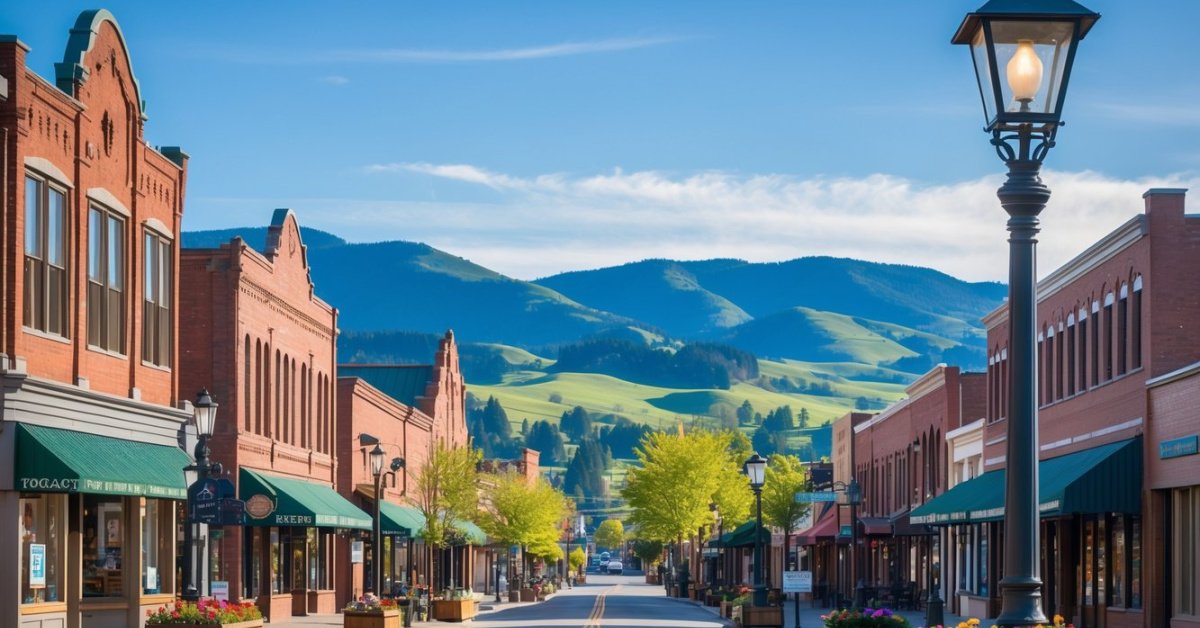
There’s something magical about Eastern Oregon that always calls me back. Steens Mountain rises out of the high desert like a secret waiting to be discovered and every visit feels like a brand new adventure. The sheer cliffs and sprawling valleys promise solitude and breathtaking views at every turn.
I love how the landscape changes with each mile—one moment I’m winding through wildflower meadows and the next I’m gazing out over dramatic gorges. Whether I’m chasing the sunrise or just soaking up the quiet beauty I always find a sense of freedom here that’s hard to match. Steens Mountain isn’t just a destination—it’s an experience that stays with me long after I leave.
Discovering Steens Mountain: Eastern Oregon Adventure
Every time I travel to Steens Mountain, I notice new elements in Eastern Oregon’s remote landscapes. Forested canyons, high-elevation plateaus, and sculpted ridgelines dominate the scenery for over 30 miles, with Wildhorse Lake, Kiger Gorge, and the Alvord Desert creating a dramatic backdrop.
Local roads like Steens Mountain Loop Road reach above 9,700 feet in elevation, providing access to panoramic views and wildflower displays every June and July. Summers bring sudden storms, so I pack layers even if it’s sunny when I start my trip. Wildlife—pronghorn antelope, wild horses, bighorn sheep—often cross these roads, especially near Fish Lake and South Steens Campground.
Ranching culture is visible in places like Frenchglen and along the slopes, where family cattle operations shape the region’s character. I explore small towns nearby for local meals, strong coffee, and conversation about current conditions—a habit that always uncovers new trails or viewpoints that aren’t obvious on printed maps.
My favorite trips combine hiking Steens’ summit with soaking in Alvord Hot Springs below or watching dark skies fill with stars above Page Springs. When I share advice with visitors, I stress that cell service is rare, fuel is limited after Burns or Fields, and the weather changes quickly. Exploring Steens Mountain always promises rugged beauty, unexpected encounters, and a true taste of untouched Oregon.
Getting to Steens Mountain
Steens Mountain sits deep in southeastern Oregon, far from highways and crowded trails. Every time I head out there, I’m reminded just how remote and special it feels.
Best Routes and Travel Tips
Driving from Portland, Bend, or Eugene, I usually take US-20 or OR-78 east toward the small town of Burns. From Burns, I follow OR-205 south about 60 miles, passing Malheur National Wildlife Refuge and stopping for gas in Frenchglen, since it’s the last stop for supplies. The Steens Mountain Loop Road begins just past Frenchglen and rises quickly, with gravel sections that get rough after storms. High-clearance vehicles handle the road better, especially if I’m planning to reach viewpoints near the summit or explore Wildhorse Lake. I always check Harney County road conditions at tripcheck.com before leaving. Cell service drops out quickly, so I download offline maps and keep a paper map handy. Gas stations are scarce; I fill up in Burns or Fields and carry extra snacks and water.
When to Visit
Access to Steens Mountain depends on the season, since snow keeps the Loop Road closed much of the year. Spring brings wildflowers to the lower slopes, while late June through early October opens the high-country road and reveals views from the ridgeline. July and August offer the best chance for clear skies and warmer temps, but afternoon thunderstorms roll through fast. I avoid visiting after the first autumn snowfall, as road access closes without warning. Summer weekends draw more campers, but even then, the area never feels crowded. If I want solitude or stargazing, I visit midweek in July or September, after school starts and before the weather shifts.
Top Outdoor Activities
Steens Mountain holds legendary status among locals who chase wild landscapes in Oregon. Every season flips the script on adventure, so I always spot something different.
Hiking and Trekking Trails
Miles of hiking trails traverse Steens Mountain, and I return often for the diversity. Popular routes like Wildhorse Lake Trail drop from the summit 2.2 miles to a tucked-away lake surrounded by wildflowers late June through July. Kiger Gorge Overlook Trail goes only a short distance but rewards with a dramatic view of deep glacial-carved cliffs. For longer treks, Big Indian Gorge Trail runs nearly 17 miles round-trip past aspen groves and volcanic rock, especially colorful in early October. Few crowds, changing weather, and swift elevation swings define every hike.
Wildlife Watching Opportunities
Wildlife becomes part of the reward on Steens Mountain expeditions. Pronghorn antelope roam open sagebrush flats at sunrise, often spotted near South Steens Campground. Wild horse bands graze the eastern slopes—I’ve had my best luck late afternoons in spring. Raptors soar above Kiger Gorge, while mule deer and mountain bluebirds cross meadows and aspen stands throughout summer. Fall migration can deliver unexpected moments, with sandhill cranes moving through marshes in the Blitzen Valley nearby.
Camping and Accommodations
Camping beneath wide skies gives Steens Mountain its wild reputation. South Steens Campground, with 36 sites and horse corrals, sits at the heart of the action—my favorite base camp, especially in September for cool, clear nights. Fish Lake and Jackman Park campgrounds open by late June once snow melts, offering simple spots under aspens. Dispersed camping options abound for those seeking solitude, though I suggest checking road conditions before heading anywhere out of the way. For comfort, the historic Frenchglen Hotel operates spring through fall—reservations fill up fast with birders and hikers in peak months.
Must-See Sights and Natural Wonders
Some sights around Steens Mountain surprise even locals with their scale and beauty. My favorite stops take visitors from the desert floor to mountain-top overlooks in less than an hour.
Alvord Desert and Hot Springs
The Alvord Desert stretches for 12 miles beneath the eastern slope of Steens Mountain, just south of Fields. This playa’s cracked surface draws photographers, kite buggy riders, and anyone looking for a sense of wide-open freedom. I always recommend soaking at Alvord Hot Springs right on the edge of the desert. The pools, fed by natural geothermal water averaging 112°F, offer an unbeatable sunset view across the playa. Late spring and fall keep temperatures comfortable for both camping and soaking.
Kiger Gorge and Wildhorse Lake
Kiger Gorge carves a mile-wide trench into Steens’ western flank. Visitor turnout peaks during July and August, when the Loop Road provides vehicle access to the overlook. I can spot glacier-carved cliffs and pockets of snow lingering through summer. The best light hits at sunrise and just before sunset. Wildhorse Lake, tucked 1,200 feet below the Steens summit, sits at the end of a steep 2-mile trail from the summit parking lot. Early July brings wildflowers like lupine, paintbrush, and buckwheat, while water from snowmelt keeps the meadows green. The combination of waterfall, alpine lake, and a valley rimmed by 900-foot cliffs remains unmatched in Oregon for me.
Local Culture and Nearby Towns
Eastern Oregon’s small towns reflect the area’s ranching roots and warm, close-knit communities. My time here’s always shaped by friendly greetings and a genuine pride in Steens Mountain’s rugged landscape.
Frenchglen and Community Highlights
Frenchglen anchors the Steens area for travelers like me seeking both history and hospitality. The Frenchglen Hotel, in operation since 1916, sits two blocks from scenic marshlands where I often spot sandhill cranes and western tanagers. Residents keep traditions strong at the nearby schoolhouse and volunteer-run general store, which hosts morning coffee for ranchers and hikers alike. Locals welcome visitors, and it’s common to trade trail stories or hear updates on creek conditions in town.
Blitzen Valley and Diamond, both within a 40-minute drive, add to the character of the region. In Diamond, I’ve toured the historic Hotel Diamond, a restored Victorian-era inn known for its porch gatherings. Conversations center on cattle, trout fishing, and the weather—clear ties to the land everywhere I go.
Regional Cuisine and Attractions
Steens country’s menus highlight beef and lamb from local ranches, especially at the Frenchglen Hotel’s family-style dinners. I often enjoy home-baked pies, farm eggs, and seasonal produce during spring and summer. Most spots offer simple comfort food—burgers, stew, and sandwiches—but everything’s hearty after a long mountain day.
North of Frenchglen, I visit the Harney County Historical Museum in Burns for pioneer artifacts and Basque heritage exhibits. Fields Station, south of Steens, draws travelers for its hand-scooped milkshakes and homemade pies, while the Narrows Café near Malheur Refuge is a frequent stop for wild birders like me. Each meal or story I find here draws a clearer connection to the landscape and deepens my appreciation for Oregon’s true frontier spirit.
Tips for a Memorable Adventure
Exploring Steens Mountain rewards those who come prepared for its wild beauty and isolation. I rely on my local knowledge to get the most from each visit, so here’s what makes a difference.
Packing Essentials
Bringing the right gear out here shapes every trip. I pack these items, based on years hiking and camping Eastern Oregon:
- Layered Clothing: Temperatures swing by 30+°F between day and night, especially above 8,000 feet. I wear a base layer, fleece, and lightweight shell.
- Water and Filtration: Streams dry up late summer, so I carry 3-4 liters per hiking day and a filter for unexpected trail detours.
- Food: High-elevation hikes demand calories, so I bring high-energy snacks like trail mix, jerky, and Oregon hazelnuts.
- Maps and GPS: Cell service rarely works away from Frenchglen. I use printed maps and offline GPS in case the Steens Mountain Loop Road gets confusing.
- Sun & Bug Protection: I pack sunscreen, lip balm, a wide-brim hat, and mosquito repellent, especially in June and July when wildflowers attract swarms.
- Emergency Kit: My essentials include a headlamp, multitool, bandaids, and duct tape for quick repairs.
Safety Considerations
I always respect Steens Mountain’s challenging environment. My top safety tips:
- Weather Watching: Mountain storms move in quickly year-round, so I check the forecast at Burns or Frenchglen before heading up and watch for sudden wind shifts.
- Wildlife Awareness: Pronghorn cross roads unexpectedly, and snakes hide in sagebrush. I make noise on trails to avoid surprises and keep food sealed around camp to deter curious animals.
- Vehicle Readiness: Steens Mountain Loop Road sometimes gets rough, even impassable after storms. I check my tires and fuel up at Burns or Frenchglen since gas stations are 40+ miles apart.
- Local Advice: I always check at the Frenchglen Hotel or local ranger station for trail updates or fire restrictions, which change quickly late in summer.
- Navigation: Dense fog and sudden snow sometimes descend even in early summer, blocking landmarks. I keep familiar with my trail points and don’t count on signs alone.
Each tip helps create the memorable adventures I’ve come to expect in this rugged, unique corner of Oregon.
Conclusion
Every time I leave Steens Mountain I feel like I’ve discovered a new side of Oregon I never knew existed. There’s something about the wide-open spaces and the quiet that stays with me long after the trip is over.
If you’re craving adventure and a little solitude this is the place to find both. I always come home with a renewed sense of wonder and a deeper appreciation for the wild places that make Oregon so special.


