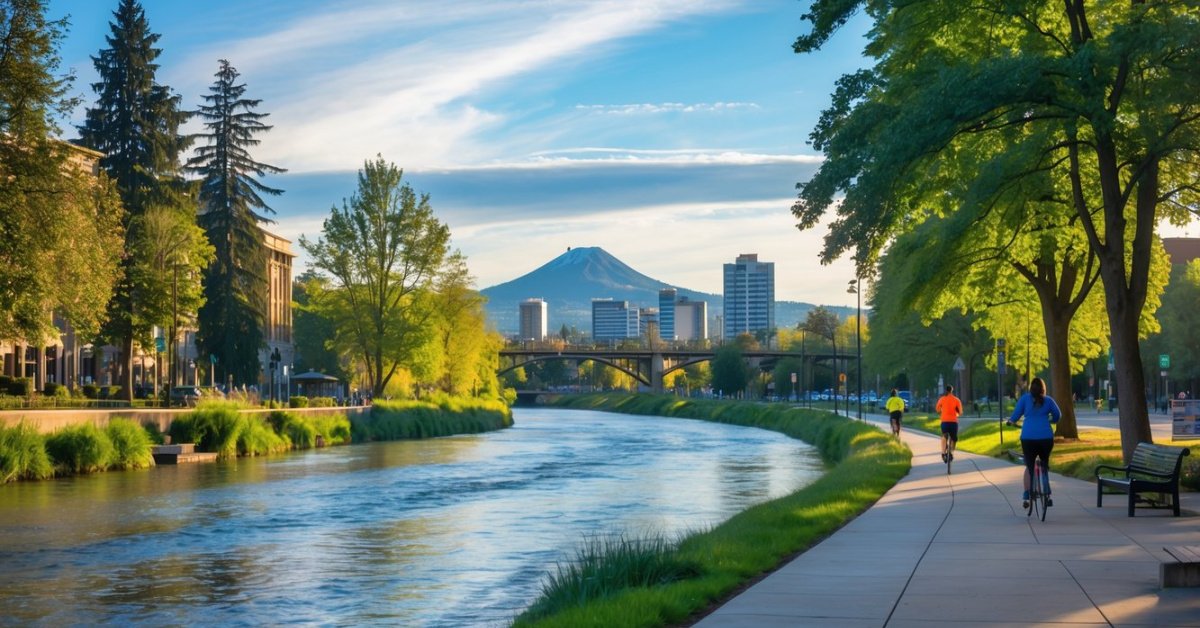
Whenever I need a breath of fresh air and a break from city noise, I find myself drawn to Klamath Falls. Nestled in southern Oregon, this charming town is a gateway to some of the most stunning lakes and vibrant wildlife I’ve ever seen. There’s something magical about watching pelicans glide across crystal-clear water or catching a glimpse of deer along peaceful trails.
The lakes here aren’t just beautiful—they’re alive with activity and natural wonder. Whether I’m exploring the shoreline or just soaking in the views, I always feel a sense of adventure. Klamath Falls makes it easy to reconnect with nature and discover something new every time I visit.
Exploring Klamath Falls: Wildlife and Scenic Lakes
Spotting bald eagles, river otters, and hundreds of American white pelicans shapes my earliest memories around Klamath Falls. Refuges like Upper Klamath National Wildlife Refuge and Lake Ewauna support one of Oregon’s richest bird-watching scenes each spring and fall, according to the U.S. Fish and Wildlife Service. Trails along Moore Park put visitors within view of mule deer, red-tailed hawks, and great blue herons year-round. I often recommend late April in Klamath Basin for seeing dozens of migrating waterfowl species in a single day.
Kayaking curving lake shores, I always head for Agency Lake and Upper Klamath Lake. Combined, these lakes cover around 96,000 acres, with Agency Lake’s clear water reflecting snow-topped Mount McLoughlin. Local outfitters offer guided water tours—ideal for spotting beaver dams or sandhill cranes, especially near Eagle Ridge or Pelican Bay.
Shore anglers cast for rainbow trout and kokanee salmon in spring, with Upper Klamath landing fish over 20 inches in length according to Oregon Department of Fish and Wildlife reports. On summer mornings, kids skip rocks by Rocky Point while boaters watch for otters threading through lily pads.
Photographers focus on sunset at Shoalwater Bay or hiking the Wood River Wetland trail when golden light hits the reeds. Each spot puts me near the heart of the Klamath Basin’s vibrant wetland wildlife, with scenic lake views stretching in every direction.
Top Scenic Lakes in Klamath Falls
Scenic lakes around Klamath Falls always impress me with clear water, diverse wildlife, and easy access. I often visit these spots for fishing, kayaking, and photography.
Upper Klamath Lake
Upper Klamath Lake stands as Oregon’s largest freshwater lake, covering about 91,000 acres. I often paddle out from Rocky Point, where pelicans and grebes nest along the marshy edge. Anglers target rainbow trout here every June and July, with local guides offering tips near Pelican Bay. Bird-watchers gather at Putnam Point in spring and fall when thousands of migratory birds fill the sky.
Lake of the Woods
Lake of the Woods, a mountain lake 40 minutes west of Klamath Falls, draws families for summer swimming, fishing, and paddleboarding. Crystal-clear water reflects Mount McLoughlin, giving every photo a postcard feel. I stay at the historic Lake of the Woods Resort or pack a picnic for Aspen Point, where I often spot bald eagles hunting cubs along the shoreline.
Crystal Clear Spring Lakes
Spring-fed lakes near Klamath Falls, including Fourmile Lake and Crescent Lake, remain favorites for their clarity. Fourmile Lake sits at 5,744 feet in the Sky Lakes Wilderness, where I launch my kayak and see brook trout through the transparent shallows. Crescent Lake, about 80 miles north, offers sandy beaches and is popular with both campers and paddlers. I find these spring lakes quieter than the big reservoirs, with trophy trout and endless starry nights.
Diverse Wildlife Around Klamath Falls
Klamath Falls draws wildlife lovers, photographers, and outdoor explorers with a huge range of species. I’ve spent years exploring the area’s habitats—wetlands, forests, and lakes—where diversity thrives in every season.
Birdwatching and the Klamath Basin
Birdwatching in the Klamath Basin sets it apart across Oregon. Over 350 bird species, including sandhill cranes, bald eagles, and American white pelicans, pass through or nest here year-round. In spring and fall, hundreds of thousands of ducks, geese, and swans gather at refuges like the Klamath Marsh National Wildlife Refuge and Tule Lake National Wildlife Refuge. I always find the best eagle viewing along Lake Ewauna’s banks in winter, where up to 500 bald eagles concentrate—the largest wintering population in the continental US according to the US Fish & Wildlife Service. Local hotspots such as Putnam Point and Miller Island offer easy trails for spotting herons, grebes, and marsh wrens, especially during sunrise or sunset.
Mammals and Other Native Species
Mammals around Klamath Falls appear everywhere, from urban parks to remote forests. Mule deer often cross Moore Park’s hiking routes, while river otters patrol the banks of Upper Klamath Lake early in the morning. Beavers build dens along the Link River Trail, visible with patience at dusk. Black-tailed jackrabbits and chipmunks scurry through sagebrush and pine stands around Shoalwater Bay. Coyotes and bobcats, though shy, sometimes reveal themselves in the Wood River Wetland if you stay quiet and alert. Amphibians like Pacific tree frogs and reptiles such as western fence lizards thrive in the region’s wetlands and rocky outcrops, especially during warmer months. I learn new patterns and behaviors every season by walking the same trails and lakeshores, always surprised by the variety of species right in my backyard.
Best Activities for Nature Lovers
My favorite Klamath Falls experiences almost always start outdoors, where the lakes and forests hold endless discoveries. Whether you’re after quiet waters or scenic forest paths, this area makes it easy to get close to Oregon’s wild side.
Kayaking and Boating
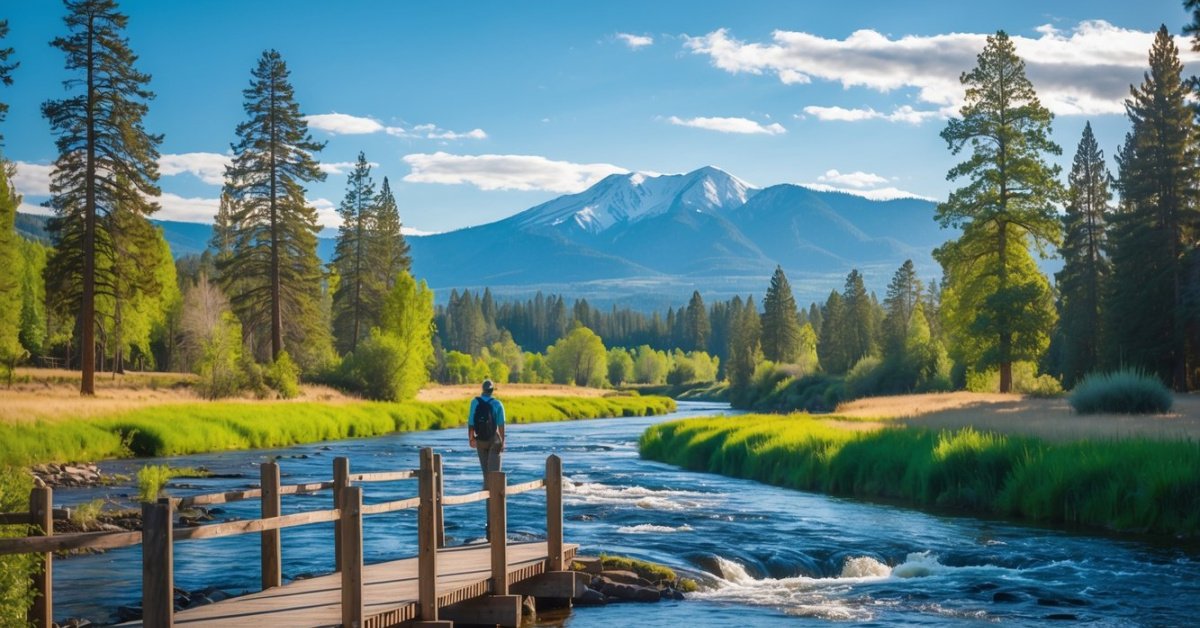
Kayaking and boating in Klamath Falls connect me with breathtaking waters and abundant wildlife. Upper Klamath Lake, Oregon’s largest freshwater lake, offers miles of shoreline where I spot American white pelicans, otters, and the occasional bald eagle. Agency Lake stays calmer, even on busy weekends, giving a peaceful paddle beneath snow-capped peaks. If you like guided adventures, local outfitters offer eco-tours where guides share history and help you find hidden backwaters teeming with herons and waterfowl. For fishing, both Upper Klamath and Agency Lake draw anglers after fat rainbow trout and aggressive kokanee salmon. Every launch gives a new reason to linger, whether it’s the mist in the morning or a fiery sunset over the glassy water.
Hiking and Wildlife Trails
Hiking and wildlife trails in Klamath Falls reveal the region’s best year-round. Moore Park, right on the lake’s edge, features well-maintained trails where I often cross paths with mule deer, Steller’s jays, and brush rabbits. For birdwatching, the Skillet Handle trail and Running Y Preserve each provide access to marshes and forest edges brimming with flickers and finches—especially lively during spring and fall migration. If I head out to the Wood River Wetland trail, interpretive signs help me spot western pond turtles and give background about the wetland’s diverse amphibians. Klamath Basin refuges, like Tule Lake and Lower Klamath, line up wide-open trails where winter brings clouds of snow geese and swans, while miles of levees let me see raptors scanning the reeds. Every season brings something new, and with each walk, I find another reason to call southern Oregon home.
Tips for Visiting Klamath Falls’ Natural Attractions
- Dress for shifting weather
Layers help keep up with Klamath Falls’ quick temperature swings; I usually bring a fleece and waterproof shell for mornings and afternoons by Upper Klamath Lake or Moore Park.
- Catch wildlife at the right time
Dawn and dusk give the best chances to spot pelicans, eagles, or mule deer around Shoalwater Bay or along the Wood River Wetland trail, especially during fall and spring migrations.
- Bring the right gear
Binoculars, camera with zoom lens, polarized sunglasses, and trail shoes help make birding, hiking, or lakeshore walks better on any day out here.
- Respect habitats and posted signs
Marked trails in refuges and parks protect nesting birds, wildflowers, and sensitive wetland areas—always stay on paths and never disturb wildlife.
- Plan ahead for activities
Agency Lake and Upper Klamath Lake can have limited kayak rentals and eco-tour spots during busy weekends or migration peaks; I recommend reserving gear in advance.
- Pack water and snacks
Trailheads like the Skillet Handle or Fourmile Lake access lack services, so I always take plenty of water, Oregon-made granola, and a reusable bottle.
- Support local guides and shops
Knowledgeable local guides offer unique tours of marshes or spring-fed lakes and give insight into the best photo spots—plus, buying from Klamath Falls’ shops keeps money in the community.
- Mind seasonal closures
Some trails, roads, and fishing areas close seasonally for wildlife protection or snow—check Klamath Basin National Wildlife Refuge or Oregon Department of Fish and Wildlife websites before planning trips.
Conclusion
Every time I visit Klamath Falls I find myself inspired by the peaceful lakes and the abundance of wildlife that call this place home. There’s a special kind of magic in watching the mist rise over the water or catching a glimpse of a bald eagle soaring overhead.
Whether I’m paddling quietly along the shoreline or wandering a sun-dappled trail I always leave feeling recharged and grateful for these wild spaces. If you’re looking for a destination that brings you closer to nature Klamath Falls is a place you won’t soon forget.