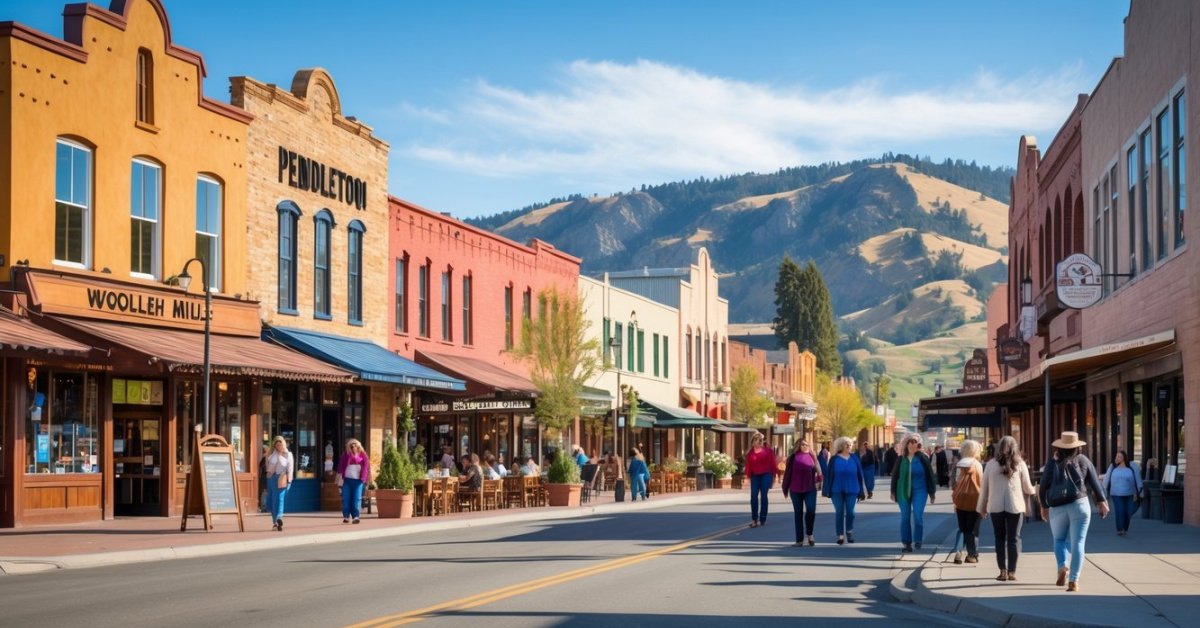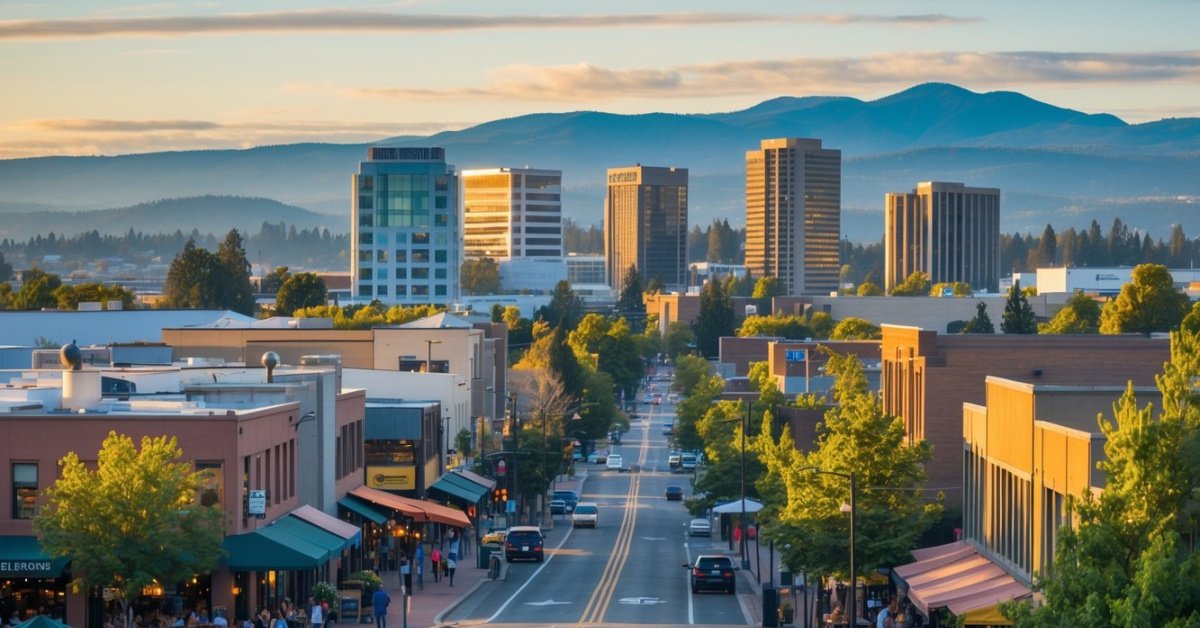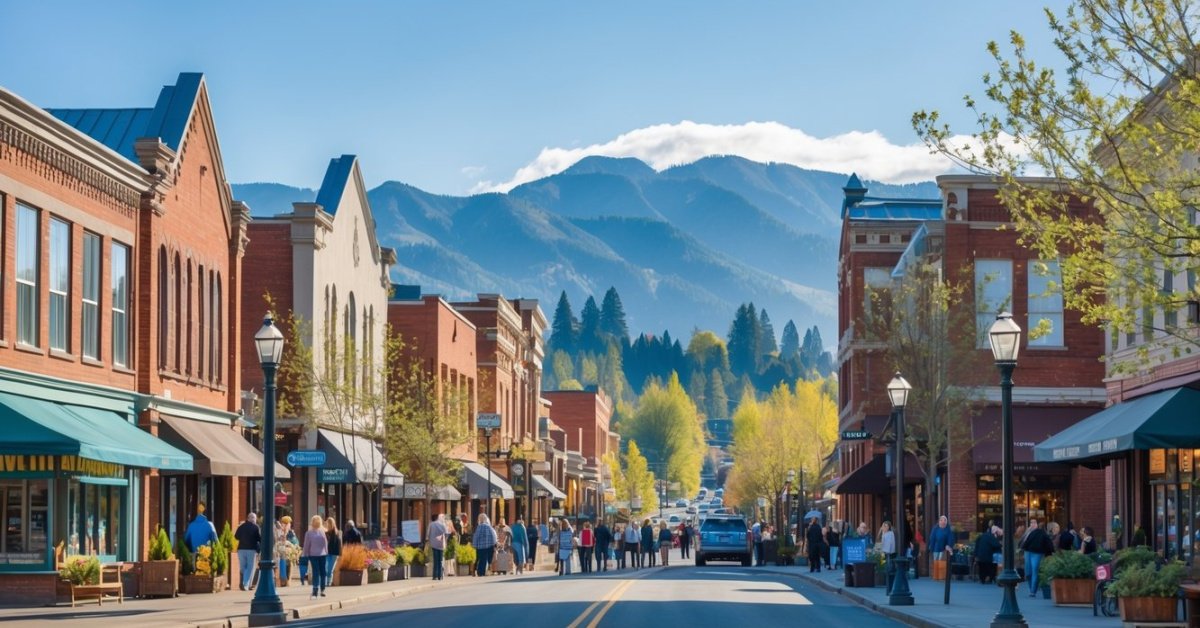
When I first wandered through Baker City’s charming streets I felt like I’d stepped right into the pages of a Wild West adventure. This small Oregon town still carries the spirit of the gold rush days when fortune seekers flocked here with dreams as big as the mountains around them. There’s a sense of excitement in the air as if you might stumble upon a hidden nugget just around the next corner.
The old brick buildings and historic landmarks tell stories of hope grit and the thrill of discovery. I can’t help but imagine what life was like when Baker City was booming with miners merchants and adventurers. If you’re as fascinated by gold rush history as I am you’ll find plenty to explore and enjoy in this unforgettable town.
The Birth of Baker City During the Gold Rush
Gold discoveries in Eastern Oregon set off the founding of Baker City in 1862. Prospectors poured into the Blue Mountains, with Powder River and its tributaries drawing thousands by 1863. Miners, many coming from California, searched for placer gold in these creeks, kickstarting a population boom.
Sawmills, supply stores, and saloons sprang up around the claims, with Main Street growing along a wagon route used by miners traveling east from Portland. Early families built homes and businesses that lasted beyond the initial rush. By 1874, almost 300 people lived in Baker City, with stagecoach lines linking the town to larger commercial networks.
Town leaders secured county seat status in 1868, bringing government investment and more settlers. Mining activity kept drawing new arrivals into the 1880s, with Baker City gaining steam as a trade and supply center for Eastern Oregon. Some gold-era buildings, like Geiser Grand Hotel and the courthouse, still stand as reminders of this growth. Locals, including me, often spot remnants of old mining camps along the hills east of town, showing how this rush shaped daily life and local identity.
Key Historical Events That Shaped Baker City
I’ve walked the streets of Baker City and seen how specific events left lasting marks on the community. Two transformative moments made this town a gold rush hub and a regional center.
Major Gold Discoveries
Gold discoveries in 1861 near Griffin Gulch and Powder River jumpstarted Baker City’s rapid growth. Prospectors poured in, forming mining camps like Auburn and Sumpter by 1863. Main Street businesses—from hardware suppliers to blacksmith shops—popped up as the population climbed past 2,000 by the early 1870s. Families arrived, schools were founded, and permanent neighborhoods replaced temporary miner shacks, all driven by the hunt for gold.
The Arrival of the Railroad
The Oregon Railway and Navigation Company extended tracks to Baker City in 1884. This direct rail connection turned it from an isolated outpost into the region’s trade capital almost overnight. Freight depots, new hotels, and brick warehouses sprung up within two years. Local farmers sent wheat to Portland markets and mining operations imported heavy machinery, fueling construction booms and luring new industries. Historic structures like Baker’s depot and flour mill still line the tracks, underscoring how the railroad pushed the gold rush legacy into a new era for the town.
Landmarks and Museums Showcasing Gold Rush Heritage
Landmarks and museums in Baker City chronicle the town’s gold rush legacy through interactive exhibits and well-preserved relics. I’ve spent hours exploring these sites, each offering details locals and regular tourists often miss.
Baker Heritage Museum
The Baker Heritage Museum displays thousands of artifacts tracing Baker City’s transformation during the gold rush. I always point out the life-size re-creations of a 19th-century mining camp, where you can see original tools, claim papers, and miner’s gear that locals found in nearby gulches. Exhibits about the Chinese community in Baker City provide real context to the era’s diverse population. Rotating collections cover the stories of everyday settlers, stagecoach robbers, and the saloon culture that flourished during the boom years. Guided tours and school workshops bring history enthusiasts closer to the details behind each object.
Sumpter Valley Dredge State Heritage Area
The Sumpter Valley Dredge sits just 30 miles west of town—Oregonians know it as the most intact gold-dredging machine in the American West. I’ve walked the decks and peered inside the massive steel buckets that carved out Powder River beds from 1935 to 1954. Interpretive trails around the dredge show twisty tailings piles, with panels explaining how prospectors harnessed steam and machinery to recover gold when surface panning no longer worked. The park’s outbuildings and blacksmith shop display original equipment, while living history events let you see restoration work and gold recovery demonstrations firsthand. This spot turns the abstract idea of large-scale mining into something you’ll understand intuitively after seeing the site in person.
The Influence of the Gold Rush on Baker City Today
Gold rush history shapes daily life in Baker City, drawing locals and visitors into a community shaped by the 1860s mining boom. Historic Main Street businesses use 19th-century facades to reflect the original gold-era architecture, with places like the Geiser Grand Hotel and Peterson’s Gallery keeping the past alive. Residents celebrate the legacy with annual events like Miner’s Jubilee, which brings gold panning contests, parades, and guided mine tours to the heart of town.
Tourism stands as one of Baker City’s largest industries, thanks to sites like the Sumpter Valley Dredge and the Baker Heritage Museum. I’ve met dozens of small business owners who cater specifically to gold rush history buffs, from antique stores stocked with relics to outfitters running guided trips to old mining claims. These enterprises help sustain Baker City’s historic character and boost the local economy.
Local schools weave gold rush stories into the curriculum, teaching students about the diverse cultures and innovations that shaped the region. Residents—including the descendants of early miners, merchants, and railroad workers—actively participate in heritage groups that host living history weekends and walking tours of historic neighborhoods.
Community pride thrives because of Baker City’s gold rush identity. Neighborhood projects protect aging brick buildings and restore gold rush-era signage, while volunteers maintain interpretive trails on former mining claims surrounding the city. Insight into Baker City’s past connects generations, fosters economic vitality, and inspires newcomers to explore the authentic heart of Eastern Oregon.
Visiting Baker City for a Gold Rush Experience
Walking Main Street in Baker City, I spot original brick storefronts and restored, cast-iron streetlights. Shops showcase vintage mining equipment alongside local art, blending gold rush heritage with Oregon’s creative spirit. I duck into the Geiser Grand Hotel—its stained glass, mahogany woodwork, and Victorian decor let me step right into the 1880s.
Exploring the Baker Heritage Museum, I find hands-on gold panning stations. Staff walk me through the process, and I see kids sifting through sand, hoping to find gold flakes like the early miners. Interpretive displays include old claim maps and diaries, connecting personal stories to the broader rush.
Driving 30 miles west, the Sumpter Valley Dredge State Heritage Area gives a closer look at industrial gold mining. Trails loop past giant machinery and recreated tailings piles. On weekends, costumed interpreters share insights about miners’ labor and community. I join a guided walk and learn how the Sumpter Valley Railroad once hauled equipment and gold through the Blue Mountains.
Guided mine tours take groups into former tunnels just outside town. Tour leaders—many with family ties going back to the gold rush—share first-hand tales and point out mineral veins still visible in the walls. At the annual Miner’s Jubilee, I join locals and visitors for live music and gold panning contests in the heart of downtown.
Baker City’s historic walking tours let me trace the steps of prospectors, merchants, and railroad workers. Historical markers and interpretive panels along the routes reveal which buildings survived fires or changed hands, and which hidden alleys saw the most saloon action.
Each experience blends local insight with gold rush legacy, making Baker City a prime stop for anyone chasing authentic Oregon history.
Conclusion
Baker City’s gold rush spirit is alive and well in every corner of town. I found myself swept up in the energy of its historic streets and welcoming community. There’s something special about walking where miners and pioneers once dreamed of striking it rich.
If you’re drawn to places where history still shapes daily life you’ll find Baker City endlessly rewarding. Every visit uncovers new stories and connections to a past that’s never far from the present.