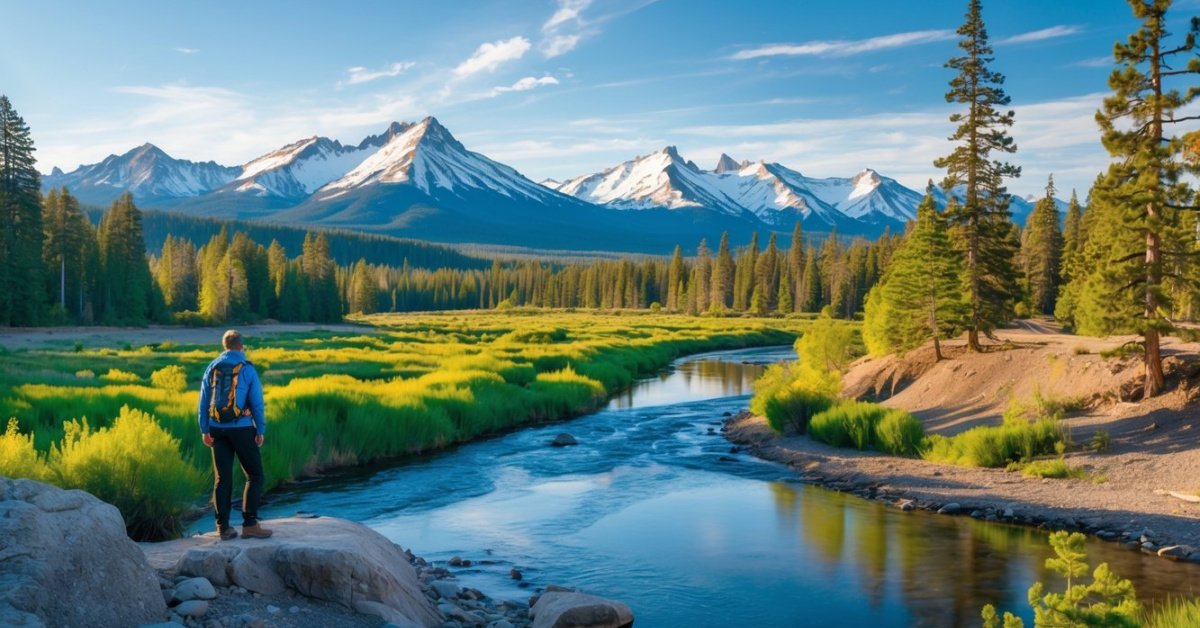
There’s nothing quite like the thrill of chasing steelhead in Oregon’s wild rivers. Every cast holds the promise of a fierce fight with one of the most prized fish in the Pacific Northwest. I still remember my first steelhead trip—standing in chilly water and feeling that electric tug on the line. It’s addictive and keeps me coming back year after year.
Oregon’s rivers are legendary for their steelhead runs. Whether you’re a seasoned angler or just starting out you’ll find plenty of places to test your skills and maybe land the fish of a lifetime. I love exploring new stretches of water and swapping stories with fellow anglers along the way. Let’s dive into some of the best rivers where you can experience the magic of steelhead fishing in Oregon.
Overview of Steelhead Fishing in Oregon
Steelhead fishing in Oregon pairs local knowledge with river diversity across the state. Winter and summer steelhead runs draw anglers from all 36 counties. Rivers cover every climate zone from the rainy North Coast to the sunny Eastern deserts. I catch wild steelhead on rivers like the Rogue, Umpqua, and John Day, where local catch-and-release rules protect native runs. Hatchery steelhead boost harvest opportunities on the Clackamas, Sandy, and Wilson.
Techniques shift by river and season. I swing flies through icy North Umpqua riffles in winter and drift pink worms under floats on the Siuslaw in summer. River flow, temperature, and water clarity matter most. Local river levels, tracked daily on the Oregon Water Resources Department site, predict steelhead migrations more than calendar dates.
I fish from shore, driftboat, and raft, depending on river size—bank access is excellent on the Siletz, Deschutes, and Grand Ronde. Guide services specialize by river and season, offering regional expertise. Fishing pressure peaks from December to March and in July on select rivers. Fish counts from Oregon Department of Fish and Wildlife record annual returns, with peak steelhead runs on the coastal and Willamette basins often exceeding 100,000 fish.
Oregon’s steelhead system connects communities statewide, blending conservation, tradition, and local knowledge into every cast.
Top Steelhead Rivers in Oregon
Steelhead fishing runs deep in Oregon’s rivers. I’ve fished each river in this list, so every detail comes first-hand from seasons on the water.
The Deschutes River
Deschutes River steelhead runs command respect statewide. The river’s summer steelhead typically start arriving by July, peaking from August through October. I’ve landed my largest Deschutes steelhead near Maupin, swinging flies through classic riffles. Bank access is plentiful between Warm Springs and Maupin; regulations require barbless hooks and the river prohibits bait, reinforcing the fly and lure culture here.
The Rogue River
Rogue River steelhead strike hard almost year-round, with the best action late summer through winter. Wild steelhead populations hold strong, especially in the upper river above Grants Pass. I’ve drifted from Shady Cove down to Gold Hill, where guides target broad runs and tailouts. The Rogue’s lower section near Agness sees coastal influence and higher winter flows, broadening tactics for both bank and boat anglers.
The Umpqua River
Umpqua River steelhead maintain a wild heritage, particularly in January and February when winter fish surge upriver. The North Umpqua is famous for catch-and-release fly fishing, and I’ve hiked the fly water stretch below Steamboat Creek many times to chase these aggressive fish. South Umpqua and mainstem Umpqua also offer good bank access and solid numbers during peak migration.
The Clackamas River
Clackamas River steelhead runs draw persistent local crowds every winter and spring. Hatchery and wild fish enter the river December through May, with spring numbers peaking by April. I’ve fished under Highway 224 bridges, and bank spots fill fast after rain raises flows. The river’s proximity to Portland delivers easy access plus local tackle shops well-stocked for every run.
The Sandy River
Sandy River steelhead fight hard in fast, glacier-fed water, and every January through March I find solid winter runs from Oxbow Park to Dodge Park. Bright steelhead show up early after big winter rains, with productive stretches near Troutdale and along short hikes upstream. Sand bars and riffled runs make for active presentations, especially on chilly mornings. For regulars and newcomers, the Sandy consistently rewards persistence.
| River Name | Run Timing | Wild Steelhead Presence | Best Access Points | Fishing Methods |
|---|---|---|---|---|
| Deschutes | Jul–Oct | Moderate | Maupin, Warm Springs | Swinging flies, lures |
| Rogue | Aug–Feb | Strong | Shady Cove, Gold Hill | Drift, bank, boat |
| Umpqua | Jan–Feb | Very Strong | Steamboat Creek, Mainstem | Fly, lure, bank |
| Clackamas | Dec–May | Both hatchery, wild | Hwy 224 bridges, bank near Estacada | Drift, bank |
| Sandy | Jan–Mar | Strong | Oxbow Park, Dodge Park | Spawn bags, lures |
Best Seasons and Techniques for Steelhead Fishing
Timing and strategy matter as much as the river when chasing steelhead in Oregon. After decades of covering riverbanks and listening to locals, I’ve picked up the best seasonal patterns and time-tested tactics.
Prime Fishing Times
Winter runs dominate from December through March, with rivers like the Umpqua, Rogue, and Sandy yielding the most wild steelhead during high, cold flows. Summer runs ramp up from late June to October on the Deschutes and John Day, with July, August, and September typically peaking for aggressive and surface-oriented fish. I often plan trips after moderate rain—rising water pulls steelhead upriver, making them more likely to strike. I’ve learned to track snowmelt, especially in early spring, since cooler temperatures keep fish active longer into May on higher elevation rivers.
Data Table: Steelhead Run Timing by River
| River | Winter Run Peak | Summer Run Peak | Notable Observation |
|---|---|---|---|
| Deschutes | N/A | July–October | Best on cool mornings |
| Rogue | Dec–Feb | Aug–Oct | Year-round opportunities |
| Umpqua | Jan–March | N/A | Best with slight stain water |
| Clackamas | Dec–Feb | May–June | Strong returns after storms |
| Sandy | Jan–March | N/A | Easiest access after rainfall |
Recommended Fishing Methods
Drift fishing proves most effective in winter when fish hug the bottom; I rig yarnies, beads, or fresh eggs with a pencil lead to tap along the rocky river floor. I switch to fly fishing—particularly swinging intruder or skater flies—when water clears or during summer runs, especially on the Deschutes and Rogue. Plunking with spin-n-glos and cured bait lets me cover migration lanes in rising or colored water, something locals do near Oxbow Park or the mouth of the Umpqua. Float fishing with jigs, beads, or soft plastics works in all seasons for pressured waters like the Sandy, producing even when crowds gather before dawn. When guiding newcomers, I recommend starting at deep tailouts and slow seams where steelhead rest after a push of fresh water.
Essential Gear and Licensing Tips
Selecting gear for Oregon steelhead fishing depends on the river, conditions, and technique. I always pack two rods: a 9’–10’ medium-action spinning rod for drift or float fishing, and an 8-weight, fast-action fly rod for swinging flies. I spool spinning reels with 10–12 lb monofilament for rocky rivers like the Umpqua and go up to 14 lb braid when tossing hardware on the Rogue. For fly setups, I bring floating and sink-tip lines to match seasonal flows.
Bringing a range of terminal tackle ensures I’m covered across rivers. I carry 1/8–3/8 oz drift weights, size 2–4 hooks, corkies or beads in natural reds and oranges, and ½–¾ oz spoons. I pack soft beads and yarnies when I target picky winter steelhead. Steelhead jigs in purple, pink, and black work well in clear water, especially on the Deschutes or Sandy. For summer runs, I keep smaller spinners and micro-jigs ready.
Packing proper wading gear keeps me safe, especially in icy winter flows. Neoprene waders with gravel guards and felt-soled boots help me grip slick basalt and river cobble. I add a wading belt and carry a collapsible wading staff for the steep banks on the John Day or Clackamas. Insulated gloves and waterproof jackets keep me dry from January to March.
Carrying the right licenses and tags keeps my steelhead trips legal. I always buy an Oregon angling license and pick up a Combined Angling Tag if I want to retain hatchery steelhead. I use the MyODFW mobile app to access e-tags or carry the paper version for rural areas with spotty cell service. If I plan to fish the Columbia or its tributaries, I add the Columbia River Basin Endorsement since it’s required for any steelhead retention.
Consulting the latest Oregon Sport Fishing Regulations ensures I know river-specific rules, wild vs. hatchery retention policies, bait restrictions, and seasonal closures. I check updates from ODFW weekly during prime run times because river quotas, bag limits, and open sections can change fast.
Conservation and Responsible Fishing Practices
Oregon’s steelhead fishing thrives because of strong conservation efforts and community respect for river ecosystems. I practice and encourage selective harvest by only keeping hatchery steelhead—identified by a clipped adipose fin—and releasing all wild steelhead, which play a critical role in healthy river systems. Statewide, regulations support wild fish protection, with mandatory release rules on the Deschutes, Umpqua, and Sandy rivers during most of the year.
I always handle steelhead with wet hands, keep them submerged when possible, and use single barbless hooks to minimize harm. When I wade Oregon’s streams, I avoid stepping on spawning redds (gravel beds) during the spring and winter months, since disrupting these areas can reduce future runs. Many local anglers, myself included, retrieve lost line and tackle to keep rivers free from debris. Organized cleanups on rivers like the Rogue and Clackamas have removed thousands of pounds of trash annually, directly benefiting fish habitats.
Local conservation groups such as Native Fish Society and The Conservation Angler drive habitat restoration, monitoring, and advocacy. I support their work through annual memberships and by spreading the word to fellow anglers. Cumulative, small actions—like voluntary gear decontamination to prevent invasive species—make a big difference in river health.
Knowledge sharing reinforces these practices. I always share the importance of river stewardship when introducing newcomers to our steelhead waters. Seasoned locals set the standard on rivers like the John Day, where catch-and-release ethics protect one of Oregon’s strongest wild runs. As an Oregonian, I’ve learned that sustaining the steelhead legacy depends on every angler respecting these rivers, their fish, and the communities that depend on them.
Conclusion
Steelhead fishing in Oregon never fails to surprise me with new challenges and unforgettable moments on the water. Every trip brings the chance to learn something new and connect with others who share the same passion.
Whether I’m chasing a wild fish on a remote stretch of river or swapping stories at the boat launch I’m reminded of how lucky we are to have these incredible fisheries. Respecting the rivers and the fish ensures that future generations can experience the same thrill.
If you’re thinking about your next fishing adventure Oregon’s steelhead rivers are always worth exploring. Tight lines and happy fishing!