When I think of Pendleton, I picture the thrill of rodeo riders and the deep-rooted traditions that make this town so unique. There’s something special about the way Pendleton blends the grit of cowboy culture with the vibrant spirit of Native heritage. Every year the town comes alive with energy you just can’t find anywhere else.
I love how the rodeos aren’t just about competition—they’re a celebration of history and community. The pride runs deep here, from the colorful parades to the echoes of drumming that fill the air. In Pendleton, every event feels like an invitation to step into a story that’s still unfolding.
The Legacy of Pendleton: Rodeos and Native Heritage
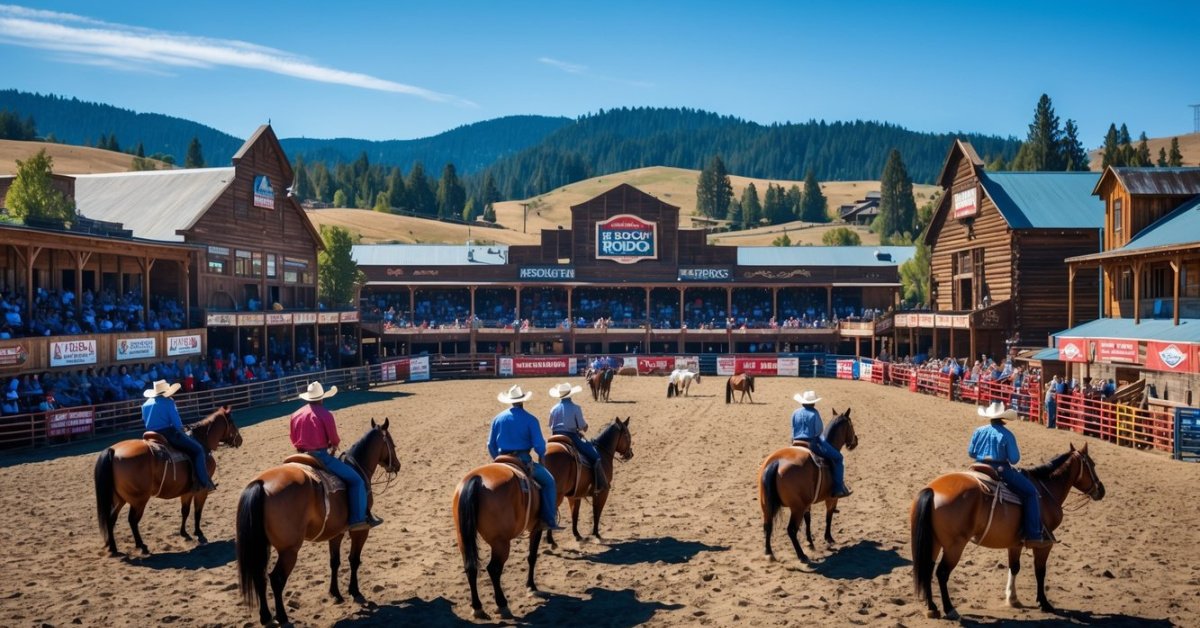
Pendleton’s rodeos carry a legacy that blends tradition, competition, and deep cultural respect. I see the Pendleton Round-Up draw over 50,000 people each September, transforming the town into a celebration of Oregon’s roots. Riders from all across the West compete in classic events like bull riding, saddle bronc, and steer roping. Locals respect the grass arena, a rarity among major rodeos and a nod to the original frontier spirit. Community groups build intricate parade floats, and everywhere you look boots and hats create a shared sense of purpose.
Native heritage defines my experience of Pendleton as much as the rodeo dust. I watch the Confederated Tribes of the Umatilla Indian Reservation host traditional drumming, dancing, and the Indian Village near the Round-Up grounds. Family tipis stand along the river for the week, some handed down for generations. Elders and youth alike showcase beadwork, regalia, and stories that span centuries. Tribal relay races—where bareback riders exchange horses at full speed—highlight skill, trust, and show a living heritage. On Main Street, Pendleton Woolen Mills carries authentic patterns designed by Native artists, connecting the event’s legacy to daily life.
Both rodeo and Native traditions shape how Pendleton honors its past while welcoming new friends. I see every September as a living history lesson, where cowboy and tribal communities share space, music, and pride.
History of Pendleton Rodeos
Pendleton rodeos stand as some of Oregon’s most iconic annual events. I’ve seen firsthand how tradition and spectacle keep these rodeos linked to history.
Origins and Growth of the Pendleton Round-Up
The Pendleton Round-Up began in 1910 as a local effort to celebrate western skills and neighborly spirit. I’ve walked through archives in the local museum, spotting how founders aimed to unite ranchers, townsfolk, and Native neighbors in one grand gathering. What started with 7,000 spectators soon became a yearly draw. By the 1920s, contestant numbers grew, professional cowboys and Native athletes traveled from across the West, and the arena expanded. The grass infield, unique to Pendleton, still remains. Those early years set a tone of pageantry, athleticism, and cultural respect.
Key Moments in Rodeo History
Several defining moments shaped the Pendleton rodeos. In 1911, Native relay races debuted, forming a tradition I still see celebrated in each modern Round-Up. The rodeo paused only for world wars in 1943 and 1944, echoing national sacrifice. The Happy Canyon pageant—launched in 1916—brought Umatilla and Cayuse legends to life with nightly performances. Announcer Clem McSpadden’s voice became a hallmark from the 1960s. In 2008, the Round-Up became a ProRodeo Hall of Fame inductee, reinforcing its standing nationally. My neighbors who’ve attended for generations remind me—these moments make Pendleton a rodeo capital, not just in Oregon, but across the US.
Celebrating Native Heritage at Pendleton
Native heritage shapes every September gathering in Pendleton, reaching far beyond the rodeo arena. I see how the Confederated Tribes of the Umatilla Indian Reservation create connections with every song, dance, and community event during the Round-Up.
The Role of Native American Tribes
Tribes in the Pendleton area, like the Umatilla, Cayuse, and Walla Walla, play core roles in the town’s identity. Every Pendleton Round-Up, tribal members set up the Indian Village—a community of more than 300 family tipis just north of the rodeo grounds. I visit the Indian Village each year and watch elders, youth, and artisans sharing their culture with visitors. Tribal drum groups lead the gathering with daily performances, hosting friendship dances, honor songs, and ceremonies that recognize both history and achievement. Tribal relay races use bareback horsemanship and vibrant regalia, drawing spectators and competitors from tribal nations across the Northwest. I notice connections grow between cowboy and tribal cultures, especially during shared meals, stories, and friendly competition.
Traditional Arts, Dance, and Regalia
Traditional arts thrive every September in Pendleton. I see intricate beadwork, buckskin dresses, and feathered bustles displayed along the Indian Village pathways. Artisans craft moccasins, horse gear, and tools using traditional methods passed down for generations. Dancers in full regalia line the grand entry, each design telling a tribal or family story with elk teeth, porcupine quills, and shells. Drumbeats echo across the grounds during powwows—I hear Northern and Southern drum styles blending as dancers perform men’s fancy dance, women’s jingle dress, and elders’ traditional step. Artists from Pendleton Woolen Mills often collaborate with tribal members, creating blankets and designs inspired by historic patterns seen only at the Round-Up.
Pendleton’s celebration of Native heritage feels authentic and lived-in, with every September event interwoven through both tribal honor and rodeo tradition.
Cultural Impact and Community Involvement
Pendleton’s traditions run deep, shaping the rhythms of my hometown every September. Locals, tribal members, and visitors find themselves woven into something bigger during the Round-Up and related events.
Bridging Western and Native Traditions
Common grounds emerge across the rodeo, parades, and Indian Village, keeping Pendleton’s identity anchored in both cowboy and tribal customs. I see Native relay teams and ranch kids sharing the same spotlight, as elders bless the event before bronc riders enter the arena. Tribal dancers lead Friendship Dances where anyone can join, and rodeo royalty appears alongside tribal princesses at community feasts. Powwow campfires sit just steps from bucking chutes, echoing Umatilla drumming with the same spirit as rodeo cheers. Distinct patterns from Pendleton Woolen Mills blankets and family beadwork appear everywhere, binding the two traditions into a visual narrative along Main Street.
Local Community and Visitor Experience
Local businesses line their front windows with rodeo memorabilia, while Native artists sell beadwork and baskets during the fair. Members of the Confederated Tribes of the Umatilla Indian Reservation host tipi tours, introducing visitors to family and tribal history. Downtown restaurants fill with a lively mix of ranchers, tourists, and dancers, swapping stories over coffee as the sun rises. Dozens of community volunteers help organize events, from arena set-up to festival parades. I watch grade-schoolers practicing stick games with tribal friends, learning traditions that stretch back generations. Out-of-towners often leave with more than souvenirs, picking up a true sense of Pendleton pride and respect for cultures living side by side.
Challenges and Preservation Efforts
Pendleton’s unique blend of rodeo and Native heritage faces real-world pressures and complex decisions. I see every year how community leaders and culture-bearers balance growth, respect, and lasting traditions in my corner of Eastern Oregon.
Honoring Authenticity and Cultural Sensitivity
Preserving Pendleton’s rodeo and Native identity means tackling misconceptions and outside influences. I watch visitors attend the Round-Up and Indian Village expecting entertainment, but the events carry deep significance for local families and the Confederated Tribes of the Umatilla Indian Reservation. Community elders, especially from the tribes, constantly teach at public forums and school programs, guiding event planners on respectful representation of sacred practices and regalia. Sometimes local organizers pause or modify performances if they realize a risk of misinterpretation, putting education ahead of spectacle. These choices—grounded in decades of dialogue—let both traditions and genuine respect stay at the heart of Pendleton’s major fall gatherings.
Modern Initiatives and Future Prospects
Preservation takes constant action in Pendleton. I see new generations stepping up, from youth planning Friendship Dances to Umatilla artists collaborating with Pendleton Woolen Mills on authentic blanket patterns. Local museums, like the Tamástslikt Cultural Institute, host year-round workshops teaching regional history and tribal crafts, drawing more than 20,000 annual visitors. The Pendleton Round-Up Association funds cultural scholarships and supports tribal language revitalization programs in partnership with local schools.
| Program/Initiative | Lead Group/Partners | Annual Reach |
|---|---|---|
| Tamástslikt Cultural Workshops | Confederated Tribes, museums | 20,000+ visitors |
| Tribal Youth Leadership (Indian Village) | Umatilla Tribes, community mentors | 150+ youth |
| Woolen Mills Collaboration (blankets) | Woolen Mills, tribal designers | Dozens per year |
| Cultural Scholarships/Language Programs | Round-Up Assoc., Umatilla Education Dept. | 50+ students |
I notice community forums and tourism boards constantly re-evaluating how to protect the Indian Village’s privacy and dignity while welcoming respectful visitors. These everyday efforts, built from the ground up here in Oregon, keep Pendleton’s traditions both visible and safeguarded for future generations.
Conclusion
Whenever I think about Pendleton I’m reminded of how rare it is to find a place where history and living culture walk side by side. There’s something special about seeing cowboy hats and feathered regalia sharing the same space—each honoring their own stories yet coming together in celebration.
If you ever get the chance to visit during the Round-Up you’ll feel the energy and pride that make Pendleton unforgettable. It’s a town that welcomes everyone to witness its traditions and join in a community that truly values its roots.