Every time I catch sight of Mount Hood’s snowy peak I feel a rush of excitement. There’s just something magical about this Oregon icon that calls to both adventure seekers and those who crave a peaceful escape. Whether I’m carving down powdery slopes or simply soaking in the sweeping views I never leave disappointed.
Mount Hood isn’t just a playground for skiers and snowboarders—it’s a place where every turn reveals a new perspective. I love how the mountain’s beauty changes with the light and the seasons making every visit feel brand new. If you’re searching for a spot that blends thrilling outdoor fun with breathtaking scenery you’ll find it here.
Overview of Mount Hood
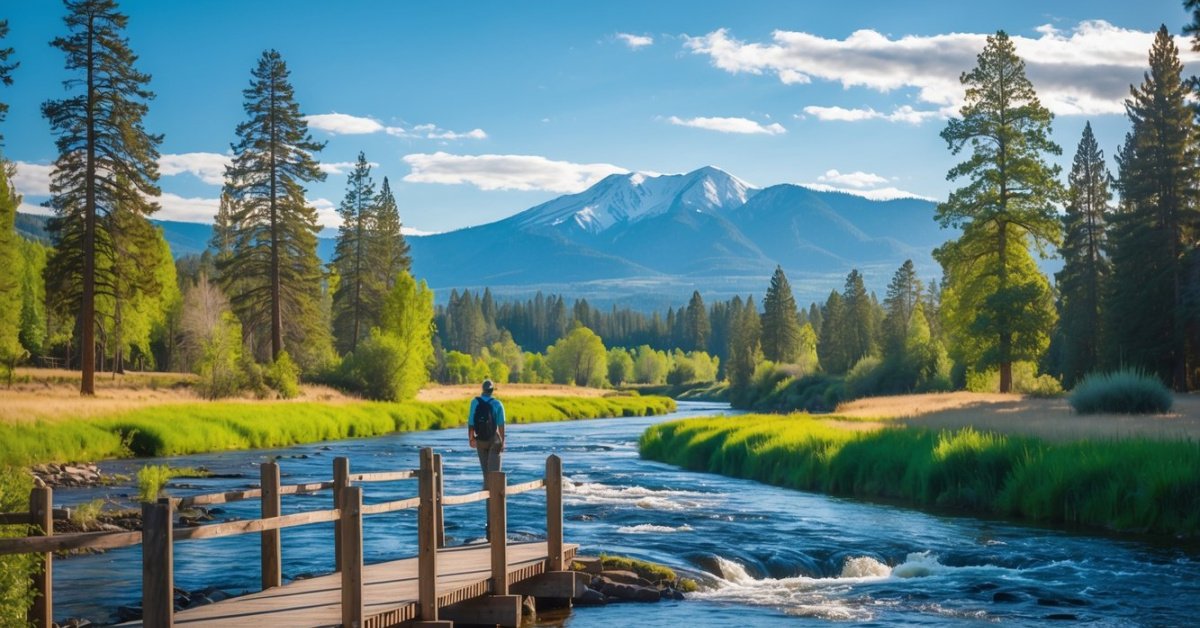
Mount Hood stands as Oregon’s tallest peak at 11,249 feet (3,429 meters), about 50 miles east of Portland. I find its snow-capped summit visible from several spots around the state, drawing photographers and outdoor lovers year-round. Glaciers cover much of its upper slopes—like Palmer, White River, and Eliot—making the mountain a rare spot in the Pacific Northwest for summer skiing and snowboarding.
Nestled inside the Mount Hood National Forest, the mountain anchors over one million acres of wilderness, old-growth forests, and alpine meadows. Dozens of lakes, such as Trillium and Mirror, add calm water views to the dramatic backdrop. Historic Timberline Lodge perches at 6,000 feet, offering a unique base for skiers, hikers, and sightseers alike.
Local communities—Government Camp, Rhododendron, and Hood River—sit on Mount Hood’s flanks. I often stop in these towns for regional food, gear shops, and up-to-date trail info, especially after storms or in early spring. Most access roads, like Highway 26 and Highway 35, stay clear all year, even after heavy snow. With its blend of accessibility, scenic views, and active recreation options, Mount Hood consistently ranks as a top natural destination for both Oregonians and travelers.
Skiing at Mount Hood
Mount Hood offers the longest ski season in North America with runs for all skill levels. Locals and visitors find both steep terrain and gentle slopes, making the mountain Oregon’s favorite winter and spring playground.
Popular Ski Resorts and Slopes
Timberline Lodge delivers year-round skiing with reliable snow and views of the Cascade Range. Mount Hood Meadows features 2,150 acres of terrain, including challenging bowls and beginner areas. Skibowl offers night skiing across 960 acres, with terrain parks and the state’s largest tubing hill. Summit Ski Area caters to families and beginners, sitting right in Government Camp, with gentle runs. Cooper Spur provides an intimate experience with tree-lined slopes on the mountain’s north side.
Tips for First-Time Skiers
Renting gear at local shops, including in Government Camp and Hood River, saves time waiting at the resort. Booking lesson packages at Meadows and Timberline introduces beginners to both mountain safety and basic skills. Checking weather and road conditions through TripCheck (Oregon.gov) ensures safer winter drives. Visiting midweek means shorter lift lines and quieter slopes. Packing layers and a backup pair of gloves helps you handle Oregon’s unpredictable weather on the mountain.
Exploring Scenic Views
Mount Hood offers some of Oregon’s most iconic scenery, with countless places where the mountain’s profile dominates the horizon. I always find new perspectives, whether I’m snapping photos at sunrise or taking in the mountain reflected on a still lake.
Best Viewpoints and Photo Spots
Mount Hood looks different from every angle, and certain spots capture its beauty best.
- Trillium Lake: I always recommend Trillium Lake for sunrise and sunset mountain shots, especially when the water’s calm and the summit reflects perfectly. Photographers often line up along the shore year-round.
- Timberline Lodge: I head to Timberline for panoramic views above the treeline in every season. On clear days, I see both the summit and the valleys stretching out below.
- Lost Lake: In late spring, I drive out to Lost Lake for its striking mountain reflection and fewer crowds, especially on weekdays.
- Tom Dick and Harry Mountain Trail: I hike the Tom Dick and Harry trail for elevated vistas and a sweeping look at both Mount Hood and the Cascade Range.
- Government Camp Overlooks: I visit several roadside pull-offs on Highway 26 around Government Camp that provide postcard-worthy perspectives without much hiking.
- Mirror Lake: I find Mirror Lake worth the 1.9-mile hike, as it gives that classic glassy reflection with wildflowers in summer and snow in winter.
Seasonal Changes in Scenery
Every season brings a different look to Mount Hood, so I always mention what to expect when planning a visit.
- Winter (December–March): Snow blankets everything, making the mountain brilliant white with deep drifts around the forests. Ski lifts run non-stop, and the air feels crisp and clear.
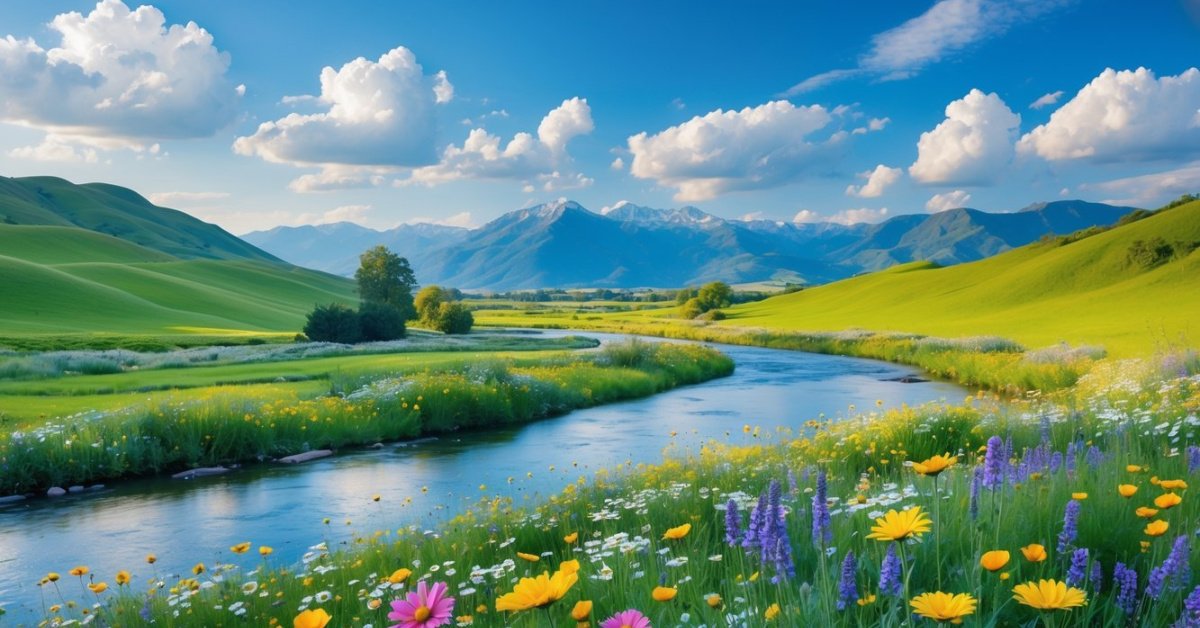
- Spring (April–June): Melting snow reveals wildflower meadows at lower elevations, while the summit stays snowcapped. I see more creeks and waterfalls running strong from the thaw.
- Summer (July–September): Alpine meadows burst with color, trails open up, and the snow line recedes to the glaciers. I notice the best skies for sunsets and meteor showers this time of year.
- Fall (October–November): I hike through golden larches and red huckleberries in the forests. Early snow sometimes dusts the summit while the lower slopes glow with fall color.
I find every season gives a unique view of Mount Hood, rewarding return visits and new explorations.
Outdoor Activities Beyond Skiing
Outdoor activities around Mount Hood offer year-round exploration far beyond the slopes. I’ve spent many seasons discovering that the mountain’s trails, lakes, and forests create endless opportunities for adventure.
Snowshoeing and Winter Hikes
Snowshoeing and winter hikes give access to quiet, snow-draped forests around Mount Hood. I’ve taken the Trillium Lake loop on snowshoes to catch sunrise views of the southern face, with the lake frozen and coated in powder. Mirror Lake Trail draws visitors for short but memorable treks, where the trail climbs gently to a perfect view of Hood reflecting in the icy water. Tamanawas Falls Trail remains popular even after snowfall—crampons and gaiters keep feet dry on the packed path to the frozen waterfall. These routes get groomed and marked when crowds increase on weekends, so I stick to early mornings or weekdays for a more tranquil experience.
Summer Adventures on Mount Hood
Summer adventures transform the landscape as wildflowers bloom and highland trails open. I recommend the Timberline Trail, a 40-mile loop that crosses alpine meadows, lava rock, and glacier meltwater streams. Day hikers often start from Timberline Lodge and follow the route east to Zigzag Canyon for mountain vistas and lupine fields. Mountain biking thrives on marked routes at Skibowl and Timberline Bike Park—my favorite, the West Leg Trail, cuts through dense, cool forest with challenging switchbacks. Paddleboarding and kayaking on Trillium Lake or Lost Lake create peaceful mornings with the mountain mirrored on glassy water. For those chasing waterfalls, Ramona Falls Trail showcases the lush green canyons unique to Mount Hood’s west side every summer.
Local Culture and Amenities
Mount Hood’s communities blend mountain hospitality with Oregon’s creative spirit. I notice that every season brings its own rhythm to local life, with hidden gems waiting just beyond the ski slopes and trailheads.
Dining and Lodging Options
Dining around Mount Hood ranges from hearty mountain fare to locally sourced cafés. Government Camp’s High Mountain Café serves fresh pastries and Stumptown Coffee. Mt. Hood Brewing Co. crafts small-batch beers and wood-fired pizzas. For something regional, I usually recommend Huckleberry Inn’s historic diner breakfast, especially during winter mornings when skiers line up for stacks of pancakes.
Lodging options span old lodges, cozy cabins, and modern hotels. Timberline Lodge stands out as a national landmark, with hand-hewn beams and roaring fireplaces. Collins Lake Resort in Government Camp provides condo-style comfort right by the slopes. Further down the highway, Zigzag Mountain Farm offers eco-friendly yurts and stunning forest views for travelers who want a quieter retreat. Most places fill up during peak snow season, so booking ahead increases your chance of a favorite room or view.
Nearby Attractions
Nearby attractions around Mount Hood introduce the region’s diverse character. In spring and summer, I tell visitors to stop by the Hood River Fruit Loop—a scenic driving route lined with orchards selling cherries, apples, and cider. Lost Lake, with its reflective waters and easy trails, sits less than 30 miles from Government Camp and stays uncrowded midweek. Wildwood Recreation Site in Welches features boardwalk trails through wetlands and interpretive displays about native wildlife.
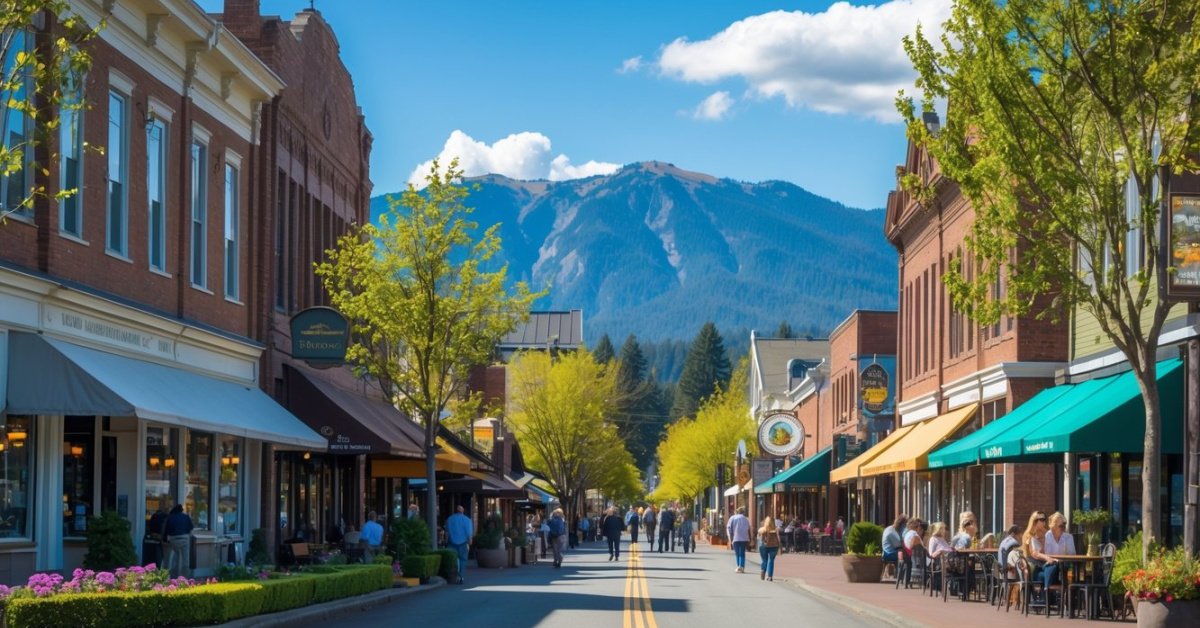
The Mount Hood Cultural Center and Museum in Government Camp delves into the area’s mountaineering legacy, with displays on early ski lifts and pioneer expeditions. Hood River’s historic downtown buzzes with independent shops, cafes, and windsurfing culture, especially during the summer festival season. These stops highlight the strong local pride and creative ingenuity that defines communities around Mount Hood.
Conclusion
Every visit to Mount Hood leaves me inspired by its wild beauty and welcoming spirit. Whether I’m carving down snowy slopes or soaking in mountain views from a quiet lakeshore I always find something new that draws me back.
If you’re looking for a place that blends adventure with relaxation and offers experiences you won’t soon forget Mount Hood is a destination that truly has it all. I can’t wait for my next trip—maybe I’ll see you on the trails or at a cozy café nearby.