Whenever I visit Bend I can’t resist a trip to the High Desert Museum. Tucked away just a few miles south of town this place always surprises me with its mix of wild creatures and fascinating stories. It’s not your typical museum—every corner feels alive with something new to discover.
I love how the museum brings together the region’s wildlife and rich cultural history. One moment I’m watching river otters play the next I’m learning about the people who shaped Oregon’s high desert. It’s the perfect spot for anyone curious about what makes this part of the world so unique.
Overview of the High Desert Museum in Bend: Wildlife and Culture
I find the High Desert Museum in Bend combines wildlife encounters and Central Oregon culture in one spot. Indoor and outdoor exhibits present more than 190 animal species, including raptors, porcupines, and river otters. Wildlife interpreters share details on animal behavior and habitats, giving first-hand context. History displays highlight Paiute traditions, 19th-century trapper stories, and the region’s early ranching life. Every curated artifact and reconstructed habitat spotlights the high desert’s role in Oregon’s broader story. Museum trails wind through sagebrush and pine, letting visitors spot birds, see grazing mule deer, and experience the high desert ecosystem as Oregonians know it.
Exploring the Wildlife Exhibits
I explore the High Desert Museum’s wildlife exhibits every chance I get, since they highlight native animals and their roles across Central Oregon’s ecosystems. I find these immersive displays especially meaningful for anyone interested in local nature.
Native Animal Habitats
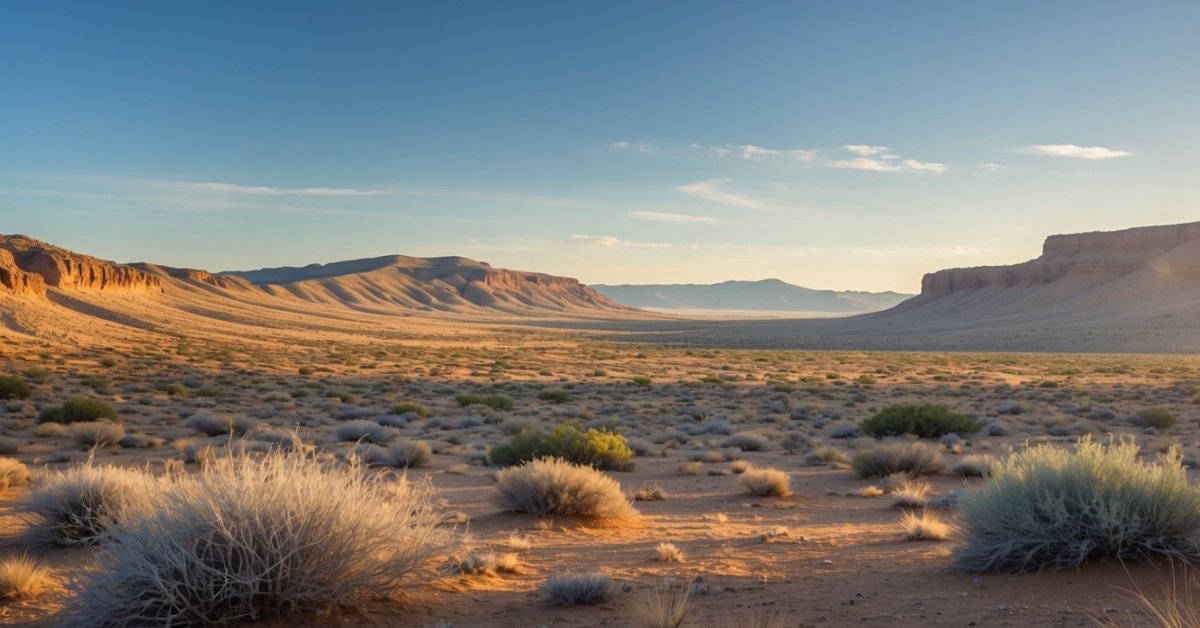
I see authentic native animal habitats recreated at the museum, from ponderosa pine forests to arid sagebrush plateaus. Animal residents such as the river otter, burrowing owl, and porcupine live in enclosures designed for their welfare and to mirror the exact terrain you’d find nearby. Interpretive signs and daily interpreter talks break down how each species adapts to desert conditions, showing visitors everything from how badgers hunt to how raptors nest in rocky cliffs. I often recommend timing a visit for feeding demonstrations, as these events give a close-up look at natural behaviors.
Conservation and Education Efforts
I value the museum’s commitment to wildlife conservation and public education, which is clear throughout the exhibits. The wildlife staff rehabilitate injured raptors like barn owls and golden eagles, offering them permanent sanctuary if they can’t survive in the wild anymore. My favorite programs involve hands-on activities where school groups and families learn about high desert conservation, invasive species, and ecosystem balance. The museum partners with agencies such as the Oregon Department of Fish and Wildlife and The Nature Conservancy to support research, habitat restoration, and public awareness, all rooted in authentic Oregon stewardship.
Immersing in High Desert Culture
I dive into the High Desert Museum’s culture galleries every visit, spotting details that connect this region’s landscape to its people. Exhibits span Native traditions, pioneer ingenuity, and ranching stories, all layered with authentic artifacts and hands-on experiences.
Indigenous Peoples and Regional History
I see the roots of Oregon’s high desert shaped by Northern Paiute communities and other Native peoples. Gallery exhibits display intricate beadwork, woven baskets, and petroglyph replicas that tell stories passed through generations. Large murals and immersive videos highlight tribal knowledge about sagebrush use, seasonal migrations, and the impact of European settlement. Museum educators from tribal backgrounds often share first-person perspectives during special talks. These moments give richer insight into Paiute resilience and adaptation on this arid land, connecting history to present-day culture.
Artifacts and Interactive Displays
I learn something new every time I study the museum’s authentic pioneer wagons, vintage mining gear, and ranching artifacts. Interactive zones invite me to try quillwork or handle tools used by 19th-century trappers and early settlers. Digital stations offer maps and firsthand audio accounts, recreating what life felt like in a remote homestead. Outside, a historic sawmill and original cabin let me walk through structures built with regional ponderosa pine, tying local materials to Bend’s building traditions. By blending artifact collections with hands-on displays, I see a constantly evolving story about how Oregonians shaped—and were shaped by—the high desert.
Family-Friendly Activities and Programs
Families find authentic Oregon experiences at the High Desert Museum, where every age discovers something engaging. Kids, parents, and grandparents explore ways to connect with wildlife and high desert history through hands-on activities and seasonal events.
Hands-On Learning Experiences
Interactive stations put real Oregon artifacts and animal encounters within reach. Kids wash laundry with antique washboards at the 1904 Miller Family Ranch, pan for “gold” at the placer mining setup, and try on period hats or bonnets in the Spirit of the West gallery. Volunteer interpreters share facts about porcupines, salamanders, and snakes during scheduled animal encounters where safe handling and up-close observation happen daily. My family always lingers by the Birds of Prey Center, where handlers show raptor training, feeding, and care—giving a window into local wildlife rehabilitation.
Seasonal Events and Special Programs
Rotating seasonal programs create new reasons to visit year-round. Spring and summer mean outdoor naturalist-led hikes on the museum’s trails, where wildflower and insect tours reveal high desert biodiversity. In fall, costumed harvest festivals and pumpkin science sessions fill the ranch. During winter, I join hands-on lantern-lit tours of historic buildings with live storytellers or participate in art workshops featuring Oregon-based artists. Limited-ticket events like Raptors of the Desert Sky give families a rare chance to see owls and hawks flying freely outdoors, while Family Adventure Days add scavenger hunts, crafts, and partner-led activities focused on Oregon plants and pollinators.
Visitor Experience and Practical Information
Visiting the High Desert Museum in Bend offers a unique blend of wildlife encounters and immersive cultural history. I want to make it as smooth and inspiring as possible for you, so I’ve included what’s most helpful to know before you go.
Hours, Admission, and Accessibility
Museum hours vary seasonally—typically 9 am to 5 pm, with extended hours in the summer months. Admissions as of 2024: adults pay $20, seniors (65+) $17, youth (3–12) $14, and children under 3 enter free. I recommend checking the museum’s website before your trip for holiday closures and current prices.
Parking is free in a well-paved, flat lot, and I’ve found the campus easy to navigate for wheelchairs and strollers. Main pathways are accessible, and exhibit halls provide seating areas. Service animals are welcome, though only trained animals are permitted inside exhibit buildings.
Tips for Making the Most of Your Visit
Arriving early, especially during summer or school breaks, helps beat the mid-morning crowds and catch keepers’ talks for river otters or raptors. I always allow 2–3 hours to fully explore indoor and outdoor exhibits, but families often spend half a day, especially if joining a guided walk or hands-on demo.
Bringing snacks is an option, but I suggest sampling the on-site café—it offers local sandwiches and Oregon-made treats. I dress in layers for outdoor trails through ponderosa pine or sagebrush habitats, with sunscreen and water handy year-round.
Guided tours and daily talks, posted on signs at the entrance, provide in-depth insights from local naturalists and tribal educators. For extra value, I time visits with special events, like Raptors of the Desert Sky flight demonstrations or seasonal festivals that transform the grounds.
Staff and volunteers know Central Oregon’s attractions well—don’t hesitate to ask for hiking or dining suggestions to round out your Bend adventure.
Conclusion
Every time I visit the High Desert Museum I come away with a deeper appreciation for the wild landscapes and rich cultures that define Central Oregon. There’s always something new to learn or experience whether it’s a close encounter with a raptor or a hands-on activity that brings history to life.
If you’re looking for a place that truly captures the spirit of the high desert this museum never disappoints. It’s a spot where curiosity is rewarded and every visit feels like a new adventure.