There’s something magical about the Columbia River Gorge that keeps calling me back. Maybe it’s the way the mist rises off the waterfalls or how every trail promises a new adventure. No matter how many times I visit I always find something that takes my breath away.
Whether I’m chasing the roar of cascading water or wandering through lush forests the Gorge never disappoints. Each hike feels like a journey into a secret world where nature puts on its best show. If you’re ready to lace up your boots and explore some of the most stunning scenery in the Pacific Northwest you’re in for a treat.
Overview of the Columbia River Gorge
I know the Columbia River Gorge as a 292,500-acre National Scenic Area that stretches for 80 miles along the Oregon-Washington border. The Gorge showcases cliffs rising 4,000 feet above the Columbia River, which creates a dramatic landscape found nowhere else in Oregon. I see the climate shift from temperate rainforest in the west—where ferns and moss cover everything—to dry grasslands in the east after just a short drive.
I notice dozens of named waterfalls drop from basalt cliffs within a 30-mile stretch. Famous spots like Multnomah Falls, Wahkeena Falls, and Bridal Veil Falls anchor the region, while hidden gems—such as Elowah Falls and Fairy Falls—reward those who seek quieter trails.
I appreciate easy access, since Interstate 84 and the Historic Columbia River Highway cut through the Gorge, letting me reach major trailheads in under an hour from Portland. Small towns, such as Cascade Locks, Hood River, and Troutdale, offer trail maps, local food, and river views that fill out any visit.
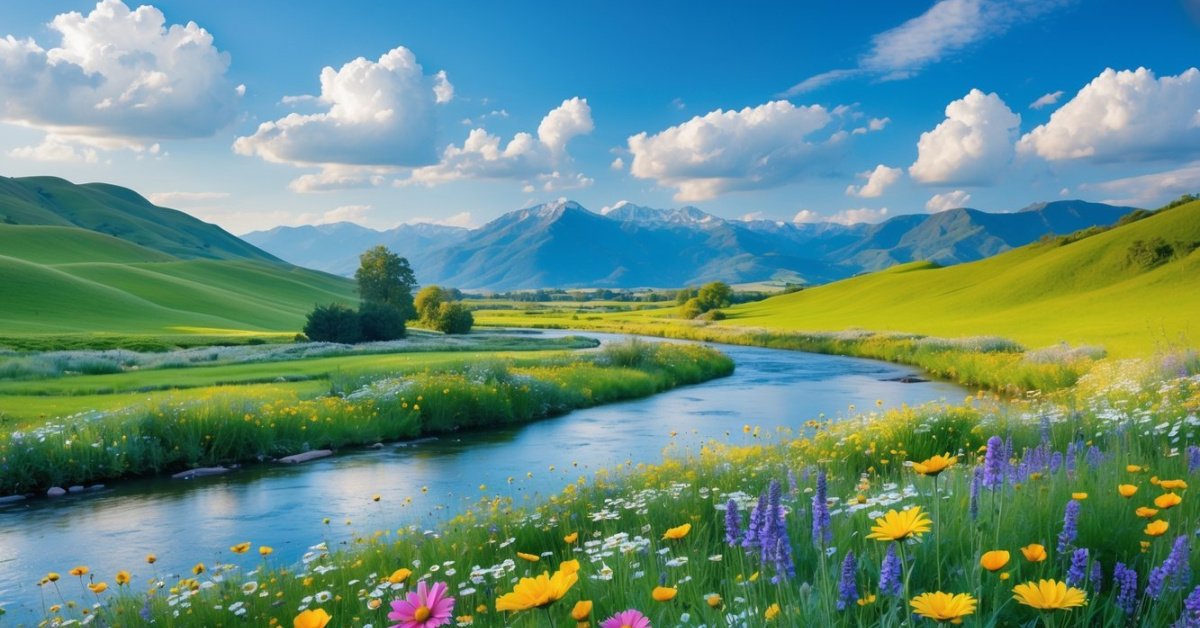
I experience high wind conditions most days, which bring world-class windsurfing and kiteboarding at spots like Hood River. Wildflowers—like lupine and balsamroot—cover hillsides every spring, and I often catch bald eagles and ospreys hunting along the water.
I use the Gorge as the gateway to both the lush forests of the Cascade Range and the wide-open spaces of eastern Oregon. This diversity draws naturalists, photographers, and hikers to see how Oregon’s landscapes change within a few miles.
Must-See Waterfalls in the Gorge
Waterfalls line the Columbia River Gorge, and I find each one uniquely worth the stop. Popular routes host several favorites, but a few tucked-away spots reward those who venture off the main trail.
Multnomah Falls
Multnomah Falls rises 620 feet, making it Oregon’s tallest waterfall. I visit in every season because the views change with light rain, winter ice, or summer sunlight. Paved trails lead directly to the iconic Benson Bridge, where mist fills the air. Crowds grow on weekends, especially in summer, but early mornings stay quiet. The Multnomah Falls Lodge offers restrooms and local food options. Parking fills early between May and September, with timed-use permits required for the Historic Highway on peak days.
Horsetail Falls
Horsetail Falls drops 176 feet right beside the Historic Columbia River Highway, so I often recommend it for first-time visitors. A short path lets you walk right up to the plunge pool. The Oneonta Trail climbs above Horsetail Falls and leads to Ponytail Falls, where water pours over a cave-like ledge. I love showing friends this spot since you walk behind the curtain of water. Area trailheads open year-round, but wet seasons make rocks slippery.
Wahclella Falls
Wahclella Falls, a two-tiered 350-foot waterfall tucked in Tanner Creek canyon, feels like a secret even when the parking lot’s full. I take the 2-mile round-trip trail often, passing mossy boulders and spawning salmon in fall. The trail’s last quarter mile climbs beside rushing water to give a head-on view of Wahclella’s dramatic upper and lower drops. Bridge crossings add interest, and the spray cools hikes from spring through autumn. U.S. Forest Service manages parking with a permit.
Bridal Veil Falls
Bridal Veil Falls cascades in two stages, dropping nearly 120 feet in total through a lush basalt canyon. I favor the short trail from the highway, where native wildflowers bloom in April and May. The hike splits—one spur descends to the base for photos, another climbs to a clifftop overlook with river views. Signs along the path interpret Gorge plant life, which I reference when guiding new visitors. Bridal Veil’s moderate crowds let you find quiet moments, especially on weekdays.
Top Hiking Trails for Waterfall Views
Locals know that the Columbia River Gorge isn’t just a scenic byway—it’s a hiking treasure trove. I’ve spent years tracing these paths and chasing every waterfall along the way. Here are my favorite trails for unforgettable waterfall vistas.
Eagle Creek Trail
Eagle Creek Trail stands out for its dramatic footbridges, lush canyons, and jaw-dropping waterfalls. The main stretch, about 4 miles each way, takes me past Punch Bowl Falls—a 35-foot cascade famous with photographers—and the towering 150-foot Tunnel Falls where the trail cuts right behind the water. In spring and early summer, wildflowers add color beneath the Douglas firs and maples. Frequent switchbacks and narrow cliffside walkways create a dynamic hiking experience that packs in views, especially after a rain. Parking can fill quickly on weekends, so I always aim for an early start.
Latourell Falls Loop
Latourell Falls Loop delivers big views with minimal effort. This 2.4-mile loop near the Historic Columbia River Highway lets me see both the 224-foot plunge of Upper Latourell Falls and the unique columnar basalt walls surrounding them. I recommend walking the full loop for mixed vistas of open meadows, mossy forest, and creekside footpaths. Trailside benches give nice rest spots above the lower falls. In winter, mist from the main falls often freezes on nearby trees, making for magical scenery right out of a postcard.
Oneonta Gorge Trail
Oneonta Gorge Trail offers a short but memorable adventure. The slot-canyon hike is different from standard forest routes, since much of the trail goes straight through water. I wade upstream past mossy rock walls and fallen logs, ending at the narrow amphitheater of Lower Oneonta Falls, which drops around 100 feet into a jade-green pool. Summer is best, since water levels run lower and the sun lights up the canyon walls. Each visit brings a new challenge as logs shift with winter floods, so no two hikes here feel the same. The setting is iconic Gorge territory—lush, rugged, and refreshingly wild.
Tips for Exploring Safely and Responsibly
- Pack Proper Gear for Gorge Weather
I bring layers for every hike since the Gorge’s climate can switch from misty rain at Multnomah Falls to sunshine at Rowena Crest within hours. I stick with sturdy waterproof boots on steep or muddy trails like Eagle Creek.
- Stay on Marked Trails
I follow posted signs and fences, especially near cliffs and waterfalls. Fragile plants and mosses, like those above Horsetail Falls, only survive when hikers use established paths.
- Respect Wildlife and Plants
I observe bald eagles, deer, and rare wildflowers from a distance to avoid disturbing them. Picking trillium or disturbing habitats along the trail near Wahclella Falls harms fragile ecosystems.
- Pack Out All Trash
I carry every snack wrapper, bottle, and dog bag out of the Gorge—even crumbs. Clean trails around Bridal Veil and Latourell Falls depend on hikers not relying on limited trash bins.
- Check for Trail Closures and Conditions
I check US Forest Service and Oregon State Parks websites for updated trail status each week. Slides and fires sometimes close trails, especially after heavy rain or summer wildfire season.
- Share the Space
I greet fellow hikers and yield the right-of-way on narrow paths such as Oneonta Gorge. Group hikes get more enjoyable when everyone cooperates at crowded lookouts and parking areas.
- Minimize Noise and Leave No Trace
I keep voices and music low to help everyone enjoy the sound of waterfalls and birds. Even small groups can disturb the serene beauty if they’re too loud or leave gear behind.
Best Times to Visit the Columbia River Gorge
Spring showcases wildflowers like lupine and balsamroot along Gorge trails by late April, especially on Dog Mountain and Tom McCall Preserve. Rainfall peaks in March and April, so waterfalls like Wahclella and Multnomah reach their fullest. Trails can get muddy or slippery, so waterproof boots matter most during this season.
Summer brings the sunniest and driest months—July and August—ideal for classic Gorge hikes and clear views across the river. Crowds pack popular sites by midday, but early morning trailheads offer solitude. Waterfall spray cools hikers, while towns like Hood River host summer festivals and the beaches below fill with windsurfers.
Fall stands out for luminous foliage in late September and October, with vine maples and bigleaf maples turning gold and red around Latourell Falls and Eagle Creek. Trails dry out as seasonal rains hold off, yet waterfall volumes don’t drop entirely. Early October allows maximum leaf color without heavy rainfall or summer crowds.
Winter delivers a quiet Gorge and dramatic scenery, with snow dusting high cliffs and occasional icy formations on falls like Horsetail and Bridal Veil. Roads and trails west of Cascade Locks see little snow, but higher-elevation routes—especially near Cascade Locks or Silver Star Mountain—may close for winter. Quiet weekdays offer a peaceful time for photographers braving colder weather.
Conclusion
Every time I set foot in the Columbia River Gorge I feel a renewed sense of wonder. There’s something truly magical about wandering these trails and discovering new vistas around every bend.
Whether you’re chasing waterfalls or simply soaking in the views you’ll find your own adventure waiting here. The Gorge always leaves me inspired and eager to return for another journey into its wild beauty.