Whenever I find myself driving along the rugged Oregon Coast I can’t resist stopping at Sea Lion Caves. There’s something magical about hearing the distant barks echoing from deep inside the cliffs and knowing I’m about to witness nature at its wildest. The salty air and dramatic ocean views set the perfect stage for an unforgettable adventure.
Sea Lion Caves isn’t just a quirky roadside attraction—it’s a thriving habitat for hundreds of wild sea lions and a haven for all kinds of coastal wildlife. Every visit feels like stepping into a secret world where I get to watch these playful creatures up close and marvel at the untamed beauty surrounding them. If you’re craving a real connection with nature this spot promises a front-row seat.
Overview of Sea Lion Caves: Wildlife on the Oregon Coast
Sea Lion Caves sits about 11 miles north of Florence, Oregon, near Highway 101. I’ve spent years exploring this stretch and know these sea cliffs hold one of the largest known sea caves in the US. Steller sea lions gather here every season, using the cave and rocky shores for resting and breeding.
Visitors spot hundreds of sea lions year-round—bulls, cows, and pups fill the cave from fall to spring, while summer brings sightings on the cliffs outside. I regularly see other wildlife too. Bald eagles, tufted puffins, and pigeon guillemots hunt in the area. Harbor seals and gray whales appear offshore, especially in March through May migratory months.
The viewing area perches 300 feet above sea level, providing a sweeping Pacific panorama. Staff keep the elevator, walkways, and interpretive displays in top condition for visitors. I often stop to read the details about the cave’s geology—formed over 25 million years ago—and the history of its discovery in 1880 by local seafarers.
This destination provides an authentic look at Oregon Coast wildlife. Authentic research, countless personal visits, and local knowledge let me see how vital the Sea Lion Caves remain for the region’s ecosystem and tourism.
Location and Accessibility
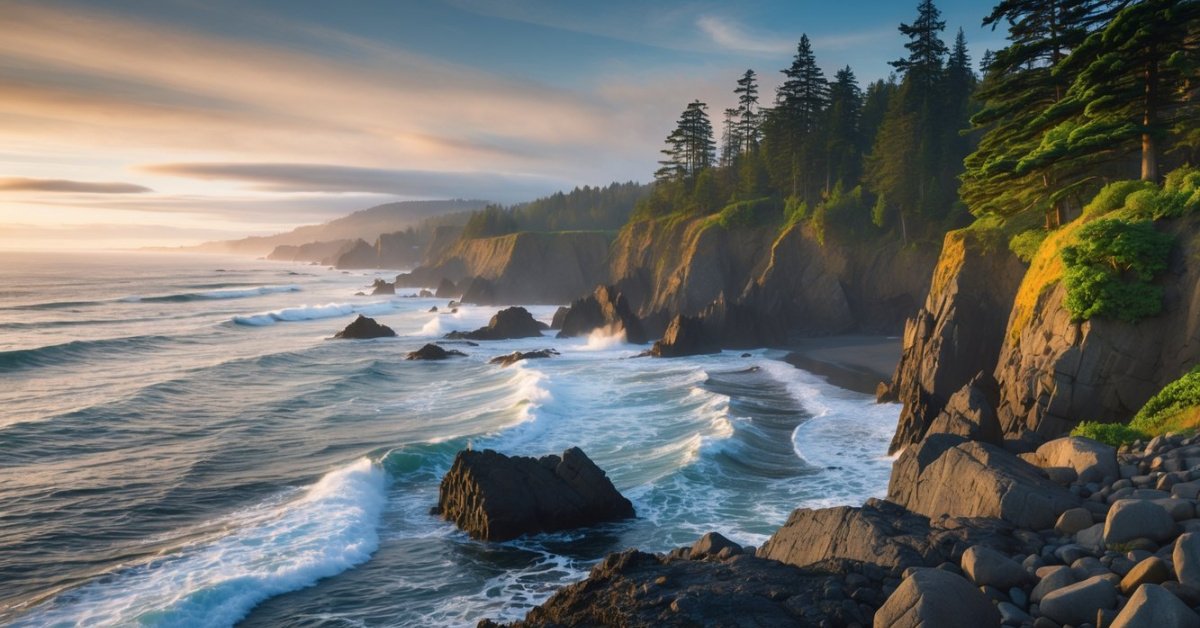
Sea Lion Caves sits off Highway 101, about 11 miles north of Florence, Oregon, across from Heceta Head. I always find the drive along this stretch packed with sweeping coastline views, winding roads, and forested headlands. The caves are perched on the rugged cliffs, with the Pacific Ocean directly below.
Parking fills up quickly on summer weekends, especially around late morning and early afternoon. The lot sits right next to the entrance, easy for families and anyone with mobility challenges. I’ve counted about 80 spaces, including accessible spots near the walkway.
Getting down to the main cave viewing area uses an elevator that drops roughly 208 feet, an Oregon coast engineering feat built to preserve the cliffs. If conditions allow, a trail section leads to an outdoor viewpoint above the cave, accessible for wheelchairs and strollers. Even during peak hours, staff guide visitors smoothly through the ticketing and entrance.
Public transit options are limited. Driving is the best way for most travelers, unless you’re joining a coast tour group—some local operators include Sea Lion Caves as a stop.
Cell service works near the lot and the gift shop but gets spotty along the lower viewpoints and elevator area. I always remind friends from out of state to download maps first, as the last mile of Highway 101 can lose signal, especially in bad weather.
Wildlife at Sea Lion Caves
Sea Lion Caves draws wildlife enthusiasts year-round. I always find something remarkable when I visit, whether I’m watching the main colony or catching glimpses of other coastal animals.
Steller Sea Lions
Steller sea lions dominate Sea Lion Caves. I often spot hundreds of them crowding the rocks inside the cavern or lounging on nearby ledges. These sea lions use the cave as a seasonal haul-out, pupping area, and shelter from storms. Adult males can weigh over 2,000 pounds—males stand out with their thick necks and lighter fur patches. In fall and winter, noise from playful juveniles and barking adults fills the air. Rangers say this Oregon colony is one of the largest on the Pacific Coast, with population peaks in late spring and early summer.
Other Marine Life and Birds
Other wildlife also thrives around Sea Lion Caves. Harbor seals frequently swim by the mouth of the cave, hunting in the kelp beds. Gray whales pass close to shore during spring and fall migrations, often breaching within sight of the upper viewing platform. Birds fill the cliffs above—I see bald eagles, common murres, and tufted puffins nesting here in active months. Peregrine falcons sometimes hunt unsuspecting prey along the bluffs. Tidepool creatures—starfish and urchins—cluster on rocks between waves, rewarding those who scan the waterline with binoculars or cameras.
Visitor Experience
Sea Lion Caves often draws folks looking for local secrets on the Oregon Coast. I’ve spent years visiting these cliffs and caves, so I’ve got practical tips that even many Oregonians might not know.
Guided Tours and Observation Points
Staff-led tours at Sea Lion Caves don’t run on a schedule, but friendly guides answer questions along the walkways and inside the cave viewing room. I like stopping by the interpretive displays on the way down; they break down cave geology, sea lion behavior, and coastal history. You’ll spot most of the action from two main areas—outside at the cliff-edge overlook and inside the main cave chamber reached by elevator. If it’s stormy, indoor views stay dry and dramatic, while on calm days, I prefer the outdoor decks for sweeping ocean and wildlife views. I often bring binoculars—bald eagles and pelagic cormorants sometimes perch nearby.
Best Times to Visit
Morning light and smaller crowds create the best visitor experience at Sea Lion Caves; I see more sea lions in action if I arrive before 10 a.m. Late April through early July marks peak pupping season, with hundreds of sea lions barking and swimming near the cave. Winter months (November–March) mean most sea lions haul out elsewhere, but winter storms turn the cave acoustics thunderous—a favorite for photographers. I avoid summer weekends since parking gets tight by midday. If you plan a weekday visit, you’ll usually find more breathing room and longer stretches to just listen to the sounds of the coast.
Conservation and Educational Efforts
Preserving the wildlife and natural environment around Sea Lion Caves drives most of the efforts here. Staff work closely with regional conservation groups—like the Oregon Department of Fish and Wildlife—to monitor Steller sea lion populations year-round. Research teams regularly document birth rates, migration patterns, and changes in the cave’s ecosystem. Interpretive displays share these scientific findings, connecting visitors with real data collected just steps away.
Educating guests about Oregon’s coastal ecology shapes every part of the experience. I see docents lead presentations on how Steller sea lions rely on this unique habitat for survival, using bones, pelts, and photos as teaching aids. Panels throughout the site detail the specific dangers marine mammals face, such as entanglement in debris and warming ocean temperatures. For school groups, staff arrange tailored educational programs, often including quizzes and interactive activities to make learning more memorable.
Supporting continued stewardship figures strongly here. Staff encourage each guest to minimize impact by staying on marked paths and keeping noise low around observation platforms. I’ve noticed recurring exhibits about the successes and challenges of protecting native plants along the cliffs, as invasive species threaten important wildlife food sources. By highlighting these local efforts, Sea Lion Caves inspires people to carry stewardship practices beyond just one visit, building a deeper respect for Oregon’s coast.
Tips for Planning Your Visit
Arrive early in the day for the best wildlife viewing and quieter cave experiences, since crowds grow steadily after 10 a.m. Summer mornings and weekdays offer the calmest conditions, while midday brings bigger groups—especially in July and August when I see parking lots fill by 11 a.m. Plan a weekday or off-season visit for fewer people on trails or observation decks.
Layer your clothing because coastal weather at Sea Lion Caves changes quickly, with brisk fog rolling in even on sunny days. Waterproof jackets and sturdy shoes help in March, April, and November when rain’s common. Bring a warm hat, especially outside on the bluff or while waiting for the elevator during winter.
Pack binoculars and a camera with a zoom lens to spot everything from Steller sea lions to tufted puffins and passing gray whales. Lighting inside the cave varies, so cameras need a setting for lower light. Tripods aren’t allowed on the main walkway, but I get steady shots using the railing.
Check the official Sea Lion Caves hours and ticket prices before you drive out, since winter hours shift and rates differ by age. I always review their website for unexpected closures, especially after coastal storms or maintenance days. Cash and cards work at the ticket office and gift shop.
Respect wildlife by keeping noise down, watching sea lions from marked areas, and following staff directions—staff routinely walk the decks in high season to answer questions and guide visitors. No pets are allowed inside, but service animals are welcome.
Download maps and entertainment ahead of time, because cell coverage drops sharply along Highway 101 and in the caves. Offline maps from Google or Apple Maps work best for navigation and trail access between Florence and Sea Lion Caves.
Stop at local markets or cafes in Florence or Yachats for snacks or lunch, since there aren’t food concessions at the caves. I usually bring a picnic for the beach or public viewpoint nearby, then grab coffee in Old Town Florence after the visit.
Conclusion
Every time I visit Sea Lion Caves I’m reminded of how special the Oregon Coast truly is. There’s something magical about watching wildlife thrive in such a dramatic setting and knowing that places like this are protected for future generations.
If you’re looking for a memorable adventure that connects you with nature and inspires a sense of wonder Sea Lion Caves is a spot I can’t recommend enough. It’s one of those rare destinations that leaves you feeling both awed and grateful long after you leave.