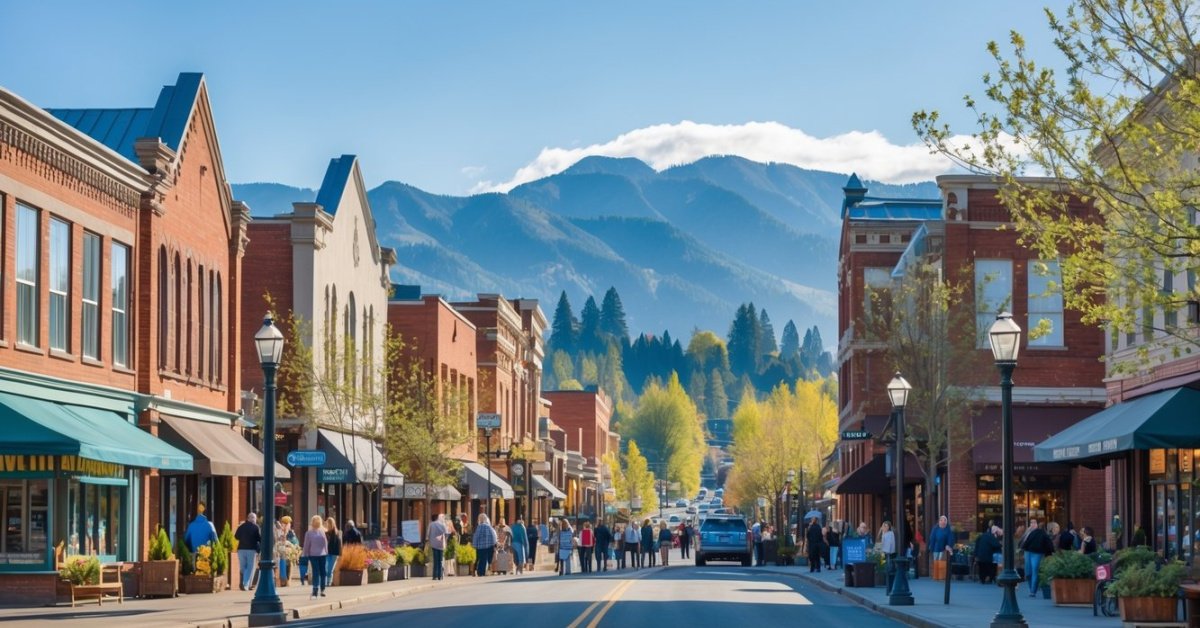
Whenever I visit Astoria I feel like I’m stepping into a living storybook. Perched at the mouth of the Columbia River this charming town blends rich history with stunning riverfront views that always leave me wanting more. There’s something magical about watching ships glide by while imagining the explorers and pioneers who first called this place home.
I love strolling along the waterfront where old cannery buildings stand as reminders of Astoria’s past. Every visit promises new discoveries whether I’m exploring local museums or just soaking in the salty breeze. Astoria’s unique mix of history and scenery keeps drawing me back and I can’t wait to share what makes it so special.
Exploring Astoria: A Historic Riverside Gem
Astoria stands out as Oregon’s oldest American settlement, dating back to 1811, when John Jacob Astor’s Pacific Fur Company built Fort Astoria. I’ve walked the blocks where the city’s Victorian homes, like the Flavel House Museum and Captain George Conrad Flavel House, showcase ornate Queen Anne details and river era grandeur. Each street unveils relics of Astoria’s fishing, logging, and shipping heritage.
Historic cannery buildings line the Astoria Riverwalk. I like to watch boats move past the old Bumble Bee Cannery, now repurposed as a market and museum. Each visit, I spot details that capture how fishing dominated local life for decades.
Local museums such as the Columbia River Maritime Museum feature shipwreck exhibits—over 2,000 documented in the “Graveyard of the Pacific”—and I always learn something new about early cargo shipping and lightship Columbia’s river navigation. Historic plaques along the water explain how the Lewis and Clark Expedition ended here, making Astoria a crossroads of discovery.
During annual events like the Astoria Regatta, residents celebrate this riverfront legacy, with decorated boats passing beneath the massive Astoria-Megler Bridge. I enjoy joining locals and visitors at pop-up markets and parades that highlight the city’s Scandinavian roots and diverse immigrant history.
Astoria’s history isn’t limited to indoor attractions. Stepping onto the Cathedral Tree Trail, I get sweeping views over downtown and the river, reminding me why Astoria’s riverside setting continues to inspire adventurers, artists, and storytellers.
The Rich History of Astoria
Astoria’s story layers trade, exploration, and transformation. When I walk the streets or the riverfront, I see firsthand how the city honors its complex past.
Early Settlement and Indigenous Roots
Clatsop and Chinook communities lived around Astoria’s riverbanks for thousands of years before European settlers arrived. I often find shell middens and plankhouse sites near Park Avenue and the Lewis and Clark River, showing daily life and seasonal migration patterns. In 1811, John Jacob Astor’s Pacific Fur Company founded the first permanent U.S. settlement west of the Rockies, and my visits to heritage markers along the waterfront remind me how cultures blended and sometimes clashed here. Captains and traders built Fort Astoria within view of these traditional fishing grounds.
Astoria’s Role in the Maritime and Fur Trade
Astoria quickly became a center for Pacific Northwest trade, driven by the demand for beaver pelts. Russian, British, and American interests crossed paths here, and I’ve traced the outlines of ship anchorage points along Pier 39. By the late 1800s, Scandinavian and Chinese immigrants powered Astoria’s booming salmon canneries and helped shape the city’s working-class neighborhoods. Maritime shipping, lighthouse stations, and fishing still anchor Astoria’s local economy, which I experience by talking to fishermen and longshore crews at the docks.
Landmarks That Tell the Story
Astoria’s preserved sites bring its history to life. The Astoria Column gives me sweeping views of the Columbia’s mouth and the forested hills that early explorers navigated. Flavel House Museum, a Queen-Anne Victorian mansion, lets me walk through rooms filled with period artifacts and old newspaper clippings. Fort Clatsop National Memorial offers a faithful recreation of the Lewis and Clark expedition’s winter camp, where I join living history programs each fall. Old cannery buildings along the Riverwalk, like the now-repurposed Bumble Bee Cannery, show how industry shaped every block of downtown. These landmarks reveal Astoria’s evolution at every turn.
Riverfront Views and Scenic Attractions
I always find Astoria’s riverfront views captivating, with broad vistas and a lively waterfront that invites exploration. Each spot along the edge of the Columbia River holds a different charm and story, shaped by Astoria’s history and natural setting.
Astoria Riverwalk Experience
I walk the Astoria Riverwalk whenever I want to feel the energy of the city and the river. The route stretches about 6.4 miles along the Columbia, from Pier 39 in the east to the Port of Astoria in the west. Historic trolley tracks run beside the path, and I catch glimpses of working ships, bald eagles, and fishing boats. Restaurants, shops, and public art cluster at key points, like the restored cannery buildings near 15th Street and the vibrant Astoria-Megler Bridge views at 6th Street. Locals and visitors chat on benches, ride bikes, or pause to watch the tide roll in.
Notable Waterfront Parks and Piers
I spend time at several waterfront parks that each highlight a different angle of Astoria’s riverfront. The shaded paths at Shively Park offer river views framed by tall evergreens. At Pier 11, I watch fishermen, crabbers, and paddleboarders move between working docks and open river. I often visit the East Mooring Basin, where sea lions lounge and the marina bustles with charter boats. People crowd into the viewing area at the Maritime Memorial Park to walk among memorial plaques and benches facing the water. Each location showcases a blend of natural beauty and community spirit you won’t find elsewhere.
Best Spots for Stunning Columbia River Views
I keep a shortlist of my favorite places for dramatic Columbia River panoramas. At the Astoria Column, 125 feet above the city, I climb the spiral staircase for a 360-degree sweep of the river, forest, and coast range. On the Cathedral Tree Trail, the canopy opens suddenly to reveal striking river bends. From the east end of the Riverwalk near Pier 39, I watch massive ships glide past the boundary of Oregon and Washington. The top deck at Bridgewater Bistro gives a sweeping view of the bridge, while 11th Street Pier at sunset delivers fiery colors reflected on the water. I always suggest visitors seek these spots for the best photo opportunities and a deeper appreciation of Astoria’s unique riverfront setting.
Cultural Experiences Along the Waterfront
Astoria’s waterfront pulses with local creativity and Oregon traditions that I’ve explored countless times. Riverfront events, museums, and eateries shape unique moments that connect history with daily life.
Museums and Art Installations
Permanent exhibitions and temporary art installations along the Columbia River let me experience Astoria’s heritage and artistic spirit up close. The Columbia River Maritime Museum displays everything from historic boats to stories about the bar pilots who navigate the treacherous river mouth, with authentic equipment and immersive exhibits. Sculpture installations and murals dot the Riverwalk, like the “Portal” sculpture near 17th Street and murals celebrating maritime labor, making each walk vibrant. The Astoria Visual Arts gallery supports local talent from around Clatsop County, showcasing rotating shows inside converted cannery spaces. Community-driven festivals, such as the FisherPoets Gathering, bring storytelling and river-inspired art to public spaces.
Local Dining with a View
Choice restaurants and cafes line the Astoria waterfront, blending local flavors with panoramic Columbia River scenes. I often recommend Bowpicker Fish & Chips, a repurposed boat serving fresh-caught albacore alongside the riverbank, for casual bites. Bridgewater Bistro, set in a renovated cannery, features river views from nearly every table and a menu built around Pacific Northwest seafood—Dungeness crab cakes and Chinook salmon always stand out. Buoy Beer Company’s dockside location extends over the water, letting diners glimpse sea lions below the floor’s glass panels. Riverwalk cafes and food carts near Pier 39 host local musicians on weekends, making outdoor spaces alive with Oregon sounds and aromas.
Planning Your Visit to Astoria
Astoria always invites exploration, but timing and preparation can make a big difference. I’ve learned through years of wandering this historic river town that a little local knowledge makes every trip smoother and more memorable.
When to Go and What to Bring
Visiting Astoria feels unique each season. Summer draws the most visitors, with sunlight stretching from June through September and high temperatures rarely above 75°F—perfect for long walks and outdoor events like the Astoria Regatta. Spring and fall offer quieter streets, wild columbine blooms, cool breezes, and fewer crowds in museums or restaurants. Winter suits those who like brisk air and stormy river views, especially when the holiday lights shimmer along the Riverwalk.
Packing for Astoria means expecting quick weather shifts. I always bring a rain jacket—even in July. Light layers work best: a fleece or sweater, comfortable shoes for uneven sidewalks and trails, and a hat for coastal wind. If you’re planning to take in the views from atop the Astoria Column or hike Cathedral Tree Trail, bring binoculars and a camera for the river and mountain vistas.
Tips for Exploring the Riverfront
Walking the Astoria Riverwalk links nearly every riverfront sight. The route covers 6.4 miles, running past old canneries, piers, murals, and tucked-away cafés. The historic Astoria Trolley operates from spring to early fall—ride it for $1, then hop off wherever looks most interesting. For shipwatching, I like the piers near Buoy Beer Company or the benches at Maritime Memorial Park.
Tide tables shape the look and feel of the riverfront. Low tide reveals sandy patches and old pilings, while high tide brings the water right up to the docks. Checking tide charts before visiting means avoiding muddy paths or planning better river photos.
Local markets sell maps and guides that highlight hidden viewpoints and lesser-known landmarks. I often recommend stopping by the Astoria Sunday Market, usually held May to October, for seasonal produce, crafts, and live music—it’s an easy way to soak up local color. For art lovers, public installations and temporary mural projects pop up along the walkways and under the bridge.
Staying in comfortable shoes and leaving time for spontaneous stops lets me enjoy Astoria at its own pace. Every turn along the riverfront, especially near the old Uniontown district or the foot of 14th Street Dock, reveals fresh details of Oregon’s oldest city.
Conclusion
Every time I visit Astoria I find myself drawn in by its timeless character and the ever-changing moods of the river. There’s always something new to discover whether I’m wandering quiet streets or soaking in the lively waterfront.
Astoria’s blend of history and scenic beauty never fails to inspire me. I always leave feeling refreshed and eager to return—ready to see what stories the river and city will share next.