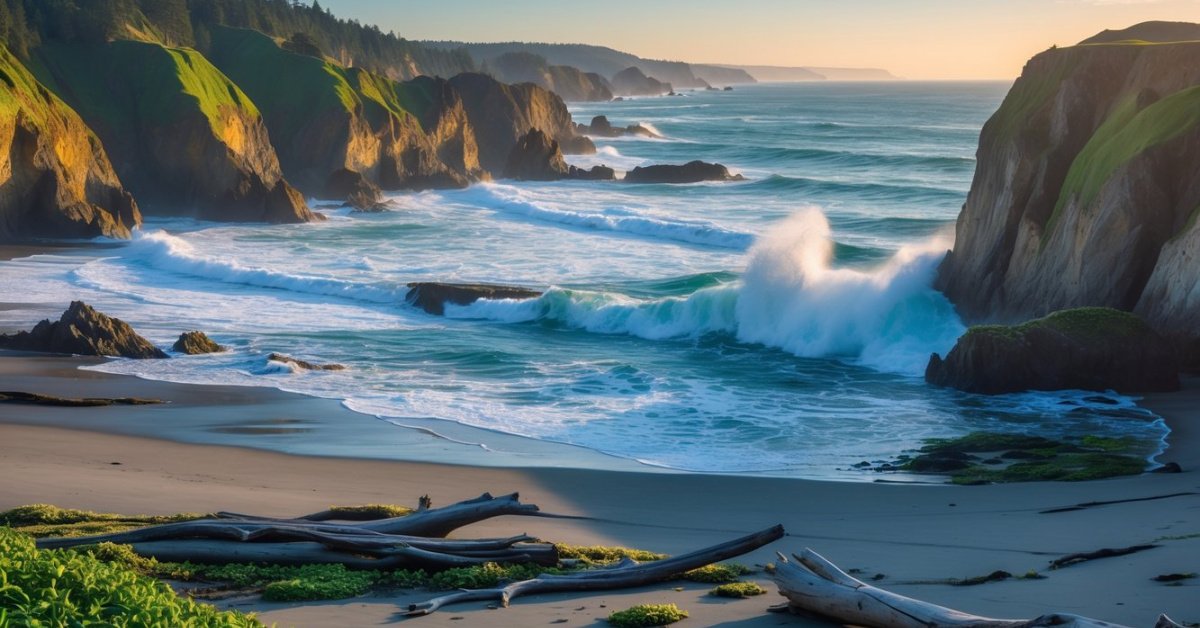
Whenever I need a break from the ordinary I head to the Oregon Dunes National Recreation Area. There’s something magical about these sweeping sand hills that stretch along the coast—giant waves of sand just waiting to be explored. The wind whispers through the grasses and the sun paints golden patterns across the dunes. It’s impossible not to feel a sense of adventure.
What really gets my heart racing here is sandboarding. Imagine surfing but on sand instead of water. It’s thrilling to glide down the slopes with nothing but the roar of the wind in my ears. But the dunes offer so much more than just sandboarding. Whether I’m hiking through hidden trails or watching the sunset over the Pacific I always find a new reason to fall in love with this wild slice of Oregon.
Overview of Oregon Dunes National Recreation Area
Oregon Dunes National Recreation Area covers about 31,500 acres of sand dunes stretching 40 miles along the central Oregon coast between Florence and Coos Bay. I find the dunes range in height, with the tallest reaching over 500 feet above sea level, making this area home to the largest expanse of coastal sand dunes in North America according to the US Forest Service.
Ecosystems here create a rare mix of shifting sand hills, forest edges, coastal lakes, and wetlands. Western snowy plover habitats, old-growth Sitka spruce forests, and unique freshwater bogs dot the landscape. I notice the wind and tides naturally shape these sand formations, creating new landscapes all year.
Locals appreciate easy access points—places like Jessie M. Honeyman Memorial State Park, Umpqua Dunes Area, and Spinreel. Seasonal weather means mild summers, cool winters, and foggy mornings, so I always check the daily forecasts before planning a full day outside.
Tourists and locals mingle here, drawn by activities like sandboarding, off-highway vehicle (OHV) riding, hiking, fishing, and birdwatching. I see the dunes support small coastal towns such as Reedsport and Winchester Bay, which offer outfitters, campgrounds, and places to fuel up before hitting the sand trails.
The Thrill of Sandboarding
Few experiences rival carving down wind-sculpted ridges in the Oregon Dunes National Recreation Area. Every visit I make gives me a new adrenaline rush, especially when I catch the perfect slope for my next ride.
Best Spots for Sandboarding
- Sand Master Park
Sand Master Park in Florence features dedicated sandboarding slopes, board rentals, and lessons. I always find consistent sand quality and varied terrain here for every skill level.
- Honeyman State Park Dunes
Honeyman State Park’s dunes, just south of Florence, offer open bowls and long runs. I often launch here for smoother rides and fewer crowds during early mornings.
- Spinreel to Umpqua Dunes
The stretch from Spinreel to Umpqua Dunes near Winchester Bay gives me access to towering dunes over 300 feet high. Adventurers bring their own boards, and these dunes are perfect for people seeking steep descents.
Tips for Beginners and Enthusiasts
- Gear Up Locally
Rentals and boards designed for sand work best, as local shops in Florence like Sand Master Park provide wax and tips for specific dunes.
- Start Slow
Beginners should practice on smaller slopes at designated areas. I recommend finding a gentle incline with soft sand for early attempts.
- Mind the Footing
Bare feet or old socks prevent loss of traction, since the sand heats up quickly on summer days.
- Respect the Wind
Ideal sandboarding happens on dry days with mild wind. I always check wind direction to avoid blowing sand or slower rides.
- Safety First
Helmets and eye protection safeguard against unexpected falls or flying grains. I never skip these, even as a local.
- Watch for Closures
Temporary restrictions sometimes close certain dunes for ecological restoration. I always check with the Forest Service or park rangers before setting out.
- Preserve the Dunes
Riding on marked trails helps protect fragile areas and ensures these slopes stay open for sandboarding every season.
Other Exciting Outdoor Activities
Oregon Dunes National Recreation Area offers more than sandboarding. I’ve explored every twist and turn here, finding new ways to experience the dunes with each visit. Here’s what else I love diving into when I’m not riding a sandboard.
Hiking Trails and Scenic Views
Hiking trails wind through forests, shoreline, and ever-changing sandscapes. I usually start with the John Dellenback Trail, which leads across open dunes to the Pacific—one of the best sunset vantage points I’ve found. For lush woodland scenery, I follow the Carter Dunes Trail near the Siltcoos River. Boardwalk lookouts deliver panoramic views of dunes, lakes, and ocean in a single sweep, especially from Tahkenitch Dunes Trail on clear mornings.
Off-Highway Vehicle (OHV) Adventures
OHV areas in the dunes attract riders from all over Oregon. My favorite access points start at Spinreel and Umpqua Beach, where marked corridors meet wide open sand bowls and steep hill climbs. Safety flags and helmets stay on my must-have list every trip. I’ve seen families riding ATVs together, while more advanced drivers challenge technical hill sections along the South Jetty area.
Camping and Picnicking
Campgrounds dot the dunes, with choices for every style. I book sites at Jessie M. Honeyman Memorial State Park for forest shelter and quick dune access. For sand-front campsites, Lagoon and Driftwood II campgrounds keep me closest to OHV trails. Day-use picnic spots appear all along the coastline. I pack local food and enjoy ocean breezes at the Taylor Dunes picnic area or next to Cleawox Lake after exploring on foot or board.
Planning Your Visit
Planning a trip to the Oregon Dunes National Recreation Area feels easy with the right details. I’ve explored this stretch countless times, so I’ll share the essentials every Oregonian—and visitor—wants to know.
Getting There and Accessibility
Getting to the Oregon Dunes involves a scenic coastal drive along US-101. I usually start from Florence, Dunes City, or Reedsport since these towns sit right along main access points. Regional airports in Eugene and North Bend put you within 1.5 hours of the dunes, or Amtrak stops in Eugene if you prefer the train. Main entry areas like Eel Creek, Spinreel, and South Jetty have parking lots and restrooms, though the busiest lots often fill by mid-morning on summer weekends. ADA accessible trails and viewing decks—like those at the Oregon Dunes Day Use area near Winchester Bay—support wheelchairs, strollers, and families. Local shuttle services operate in Florence and Reedsport for travelers without vehicles.
Essential Packing List and Safety Tips
Packing for the dunes calls for flexibility and knowing local conditions. I always bring:
- Sandboard, helmet, and elbow pads if sandboarding (rentals available at Sand Master Park)
- Sturdy shoes for hiking in soft sand
- Layered clothing for rapid coastal weather changes
- Sunglasses and high-SPF sunscreen (beach winds magnify sun exposure)
- Two liters of water per person, minimum, since dune hiking gets strenuous
- Bug spray (especially spring through early summer)
- Detailed trail map or a GPS-enabled phone for navigating remote areas
- Emergency whistle and first aid kit for safety
- Valid ORV permit for off-highway vehicle use
Safety dominates every trip. I scout the dunes for fast-changing ridges and watch for seasonal closures to protect snowy plover habitat between March and September. I avoid climbing steep dunes after rain since wet sand collapses. If camping, I lock up food since raccoons and crows thrive here. Local ranger stations post real-time hazard updates and trail advisories, so I always check in.
Conclusion
Every time I visit the Oregon Dunes National Recreation Area I find something new to love. Whether I’m chasing the thrill of sandboarding or soaking in the quiet beauty of a sunset over the dunes this place never fails to inspire a sense of wonder.
If you’re looking for a spot that combines adventure with natural beauty you’ll find it here. I can’t wait for my next trip back—and maybe I’ll see you out on the sand.