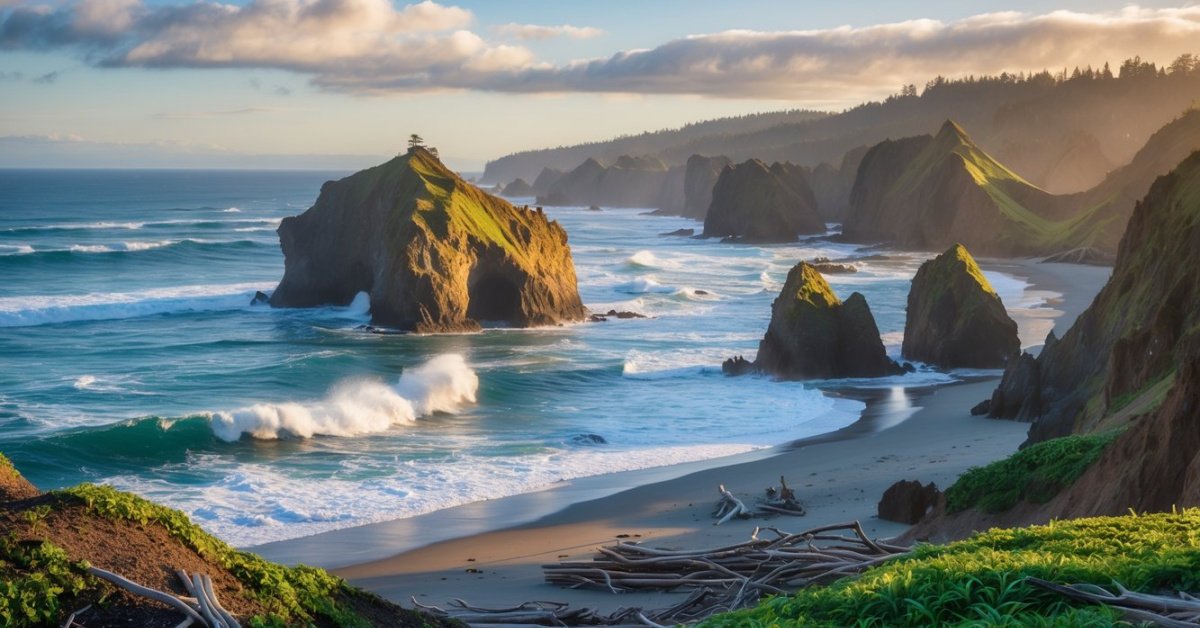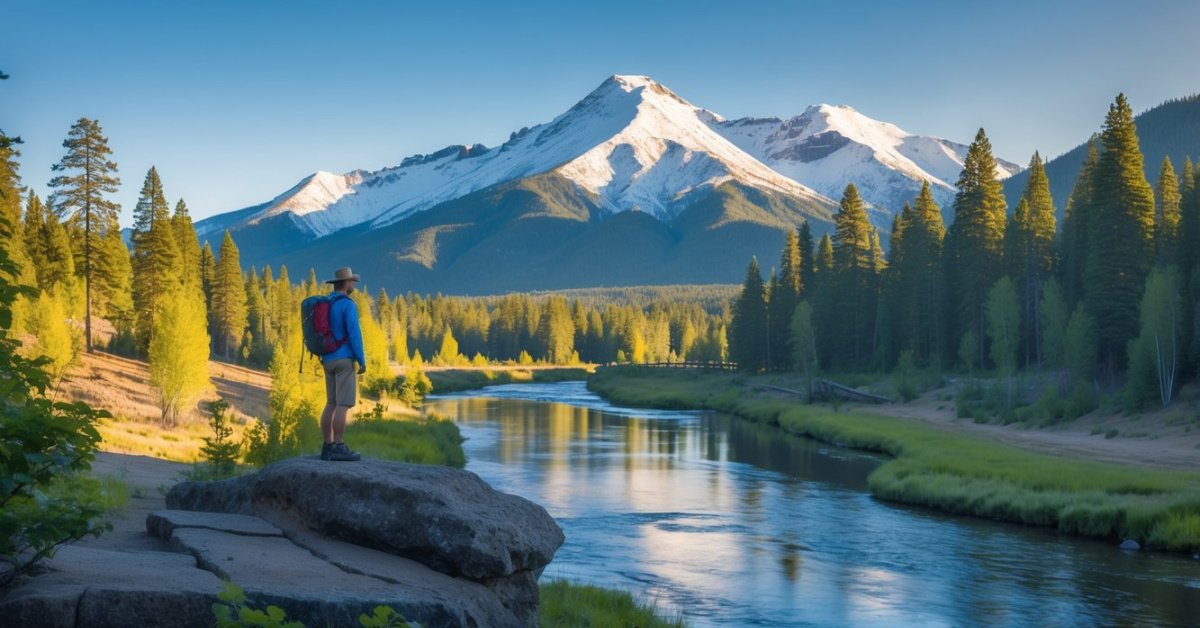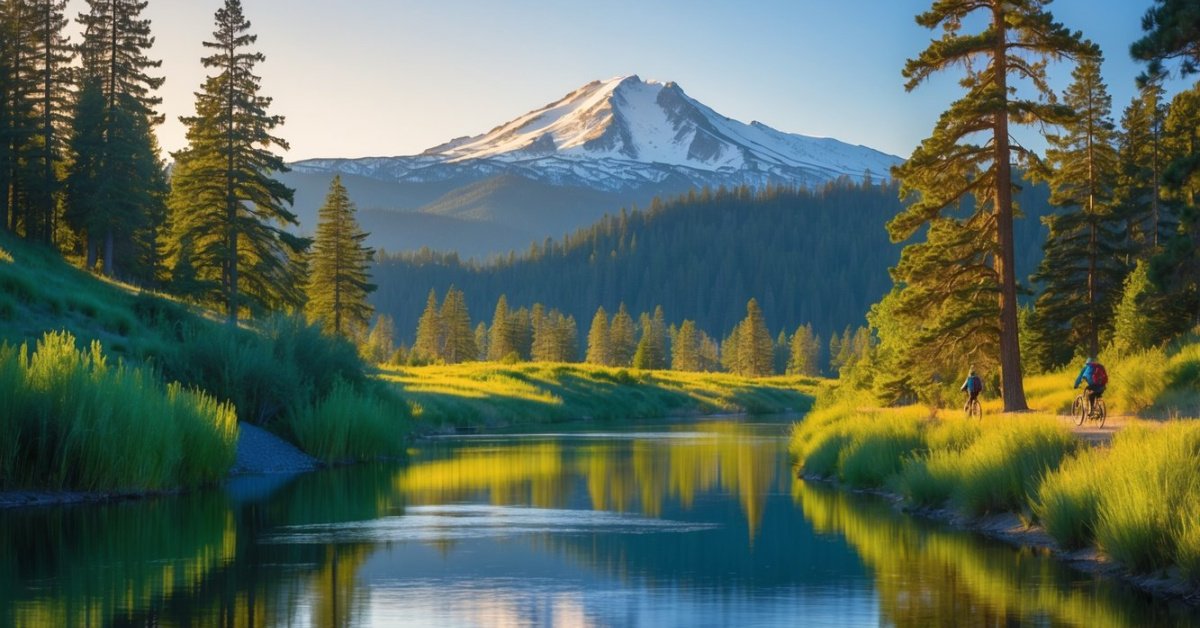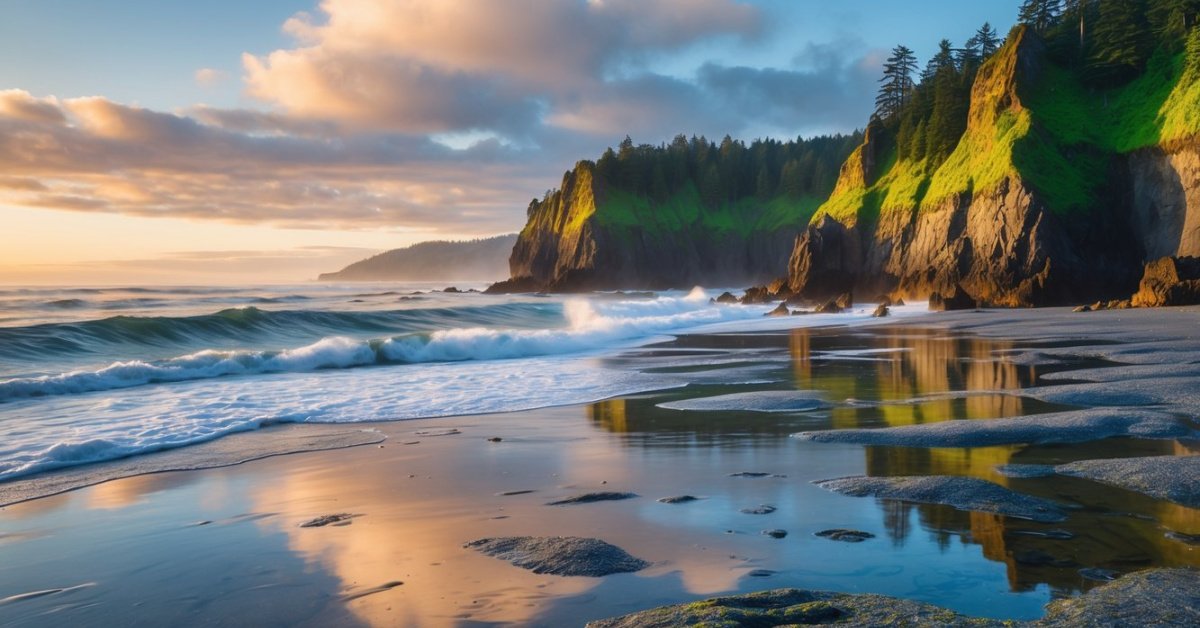
Every time I visit the Samuel H. Boardman Scenic Corridor I feel like I’ve stepped into a hidden paradise. Towering evergreens frame dramatic cliffs and secret coves while the Pacific’s endless blue stretches as far as I can see. It’s the kind of place that makes me want to slow down and soak in every breathtaking view.
I never get tired of exploring the winding trails or discovering new viewpoints along this rugged stretch of the Oregon coast. Whether I’m chasing the perfect sunset or just enjoying the salty breeze there’s always something magical waiting around the next bend. This corridor isn’t just a scenic drive—it’s a true escape into nature’s wild beauty.
Discovering the Samuel HBoardman Scenic Corridor
Exploring the Samuel HBoardman Scenic Corridor, I find 12 miles of coastal forest and rugged shoreline stretching between Brookings and Gold Beach. Nestled alongside Highway 101, this corridor showcases 14 named viewpoints—Arch Rock, Natural Bridges, and Indian Sands serve as examples—each offering panoramic views of sea stacks, secluded beaches, and moss-draped woods.
Hiking reveals several short trails, most under 2 miles, providing access to hidden coves and dramatic cliffs. Longtime favorites include the path to Secret Beach and the loop at Thunder Rock Cove. Erosion and shifting terrain mean some trails—like the route to Natural Bridges—require sturdy shoes and attention to posted advisories.
Photography spots line the route, especially around House Rock and Whaleshead Beach, where morning fog rolls over Sitka spruce. Fog, strong winds, and rapidly changing weather define this part of the southern Oregon Coast, so layers and windbreakers are standard tips from locals like me.
Driving between pullouts, I regularly spot Roosevelt elk and hear crashing waves below the cliffs. Picnic areas, such as those at Lone Ranch and Whaleshead, offer tables and restrooms but few services beyond vault toilets and interpretive signs.
Parking fills fast at most trailheads in summer and on weekends, with the busiest hours between 10:00 a.m. and 2:00 p.m. Winter brings quieter scenes and vibrant green hillsides after rainstorms.
Local insight points to sunrise visits for solitude, tide pool discoveries at low tide, and whale watching from November to April when gray whales migrate past the corridor’s rocky points.
Highlights of the Coastal Beauty
Samuel H. Boardman Scenic Corridor offers views and landscapes I rarely find elsewhere along Oregon’s coast. Below, I’ll break down what stands out most from years of exploring these wild, photogenic stretches.
Iconic Viewpoints and Photo Stops
Arch Rock, Natural Bridges, and House Rock deliver some of Oregon’s best coastal panoramas. I find early light at Natural Bridges reveals layered arches over turquoise water, while late afternoons at House Rock catch spray off rough surf and distant silhouettes of offshore stacks. Arch Rock’s roadside access makes it a favorite for quick stops. Sunrise often means you’ll have these spots nearly to yourself outside of peak travel months.
Stunning Beaches and Natural Bridges
Whaleshead Beach tops my list for dramatic sea stacks and sweeping sand visible from several short trails. Secret Beach, although unsigned, rewards careful explorers with tide pools, caves, and fewer crowds, especially at low tide. I often see morning fog lifting at Indian Sands, adding texture to wide, exposed bluffs and arching rock formations. Natural Bridges hides a series of three arches carved into the cliffs, which change with the tides—locals often time their visits for winter storms or big swells.
Lush Forest Trails and Hidden Gems
Coastal forest here stays green year-round, thanks to constant mist—trails like the one to China Beach cut under old Sitka spruces and past wildflower meadows every spring. Few places feel more secluded than Thunder Rock Cove and Miner Creek, where ferns and moss sometimes block out the sky. Many of these routes, usually under 2 miles, offer quick access to cliff-lined viewpoints. If you catch a break in the fog, the views stretch for miles along basalt and churning water, making each hike a real discovery.
Outdoor Activities for Every Adventurer
Adventure fills every mile of Samuel H. Boardman Scenic Corridor. I find new ways to explore this stretch every season, with trails, coves, and wildlife around nearly every bend.
Hiking and Nature Walks
Trails wind through dense coastal forest, past sheer cliffs, and down to hidden beaches. I walk the Cape Ferrelo Trail for sweeping ocean views, and Secret Beach Trail when I want tide pools and caves at low tide. Many paths—like Indian Sands and Thunder Rock Cove—offer short hikes under 2 miles that show off spring wildflowers and secluded overlooks. I often spot Sitka spruce and salal lining every route, and the wind off the Pacific keeps these forest hiking experiences refreshingly cool all year. Locals know that low tide or early morning are the quietest times on the trails and best for photography.
Picnicking and Wildlife Watching
Picnic tables rest at House Rock, Whaleshead Beach, and Lone Ranch, giving quick access to cliffside views or sandy stretches. I bring layered clothing since coastal weather can shift quickly, especially during afternoon picnics. Early mornings reward me with Roosevelt elk grazing in nearby meadows or black oystercatchers on rocky outcrops. Winter and spring mark gray whale migration, and clear days at Arch Rock or Indian Sands almost guarantee a sighting. Red-tailed hawks circle overhead, and in late spring, I find wild iris and lupine coloring the bluffs. I always pack binoculars and enjoy spotting seals hauled out on quiet beaches below.
Tips for Planning Your Visit
I visit the Samuel H. Boardman Scenic Corridor year-round, and every season delivers something special. I often meet travelers who ask for local tips, so I’m sharing what works best for me and others who’ve grown up exploring Oregon’s wild coast.
Best Times to Explore
Crowds thin out from November through February, and that’s when I find the corridor most peaceful. Early mornings consistently offer open trails and soft light for photos, especially at viewpoints like Arch Rock and House Rock. Sunsets over Natural Bridges in spring and fall catch an extra splash of color, though fog rolls in fast even in July or August. Whale sightings increase during the gray whale migration in March or December. I always pack rain gear no matter the season—unexpected storms roll off the Pacific without much warning.
Accessibility and Travel Information
I enter the corridor by car, following US Highway 101 between Brookings and Gold Beach. Parking lots fill quickly at popular trailheads like Secret Beach and Whaleshead Beach, especially on weekends or in summer—arriving before 9 AM helps me find a spot. Most trails are short but often steep or muddy, so I wear sturdy hiking boots. Cell service drops out near the coast, so I download trail maps ahead of time (I like the Oregon State Parks app). Fewer amenities exist along the corridor—no gas stations, snack shops, or public restrooms between park entrances—so I bring water and snacks for the day. Accessible picnic areas (like Lone Ranch) feature ramp access and paved paths, but several viewpoints include stairs or uneven ground, so planning which stops match mobility needs helps a lot.
Preserving the Corridor’s Natural Wonders
I’ve watched Samuel H. Boardman Scenic Corridor thrive because of a shared respect for its wild beauty. Locals and folks like me who call Oregon home play a huge role in keeping the corridor healthy. Volunteer groups organize regular trail cleanups, removing litter and fallen branches along trails like those at Arch Rock and Secret Beach. Conservation groups restore native plants to control erosion near the cliffs, especially around Natural Bridges, where heavy foot traffic can damage fragile ground cover.
State and local agencies, including Oregon Parks and Recreation, manage trails and access points to protect wildlife like Roosevelt elk and delicate shoreline ecosystems. Trail closures sometimes happen after storms to keep visitors safe and let the land recover. Signage posted at trailheads explains how to stay on marked paths and avoid disturbing wildflower meadows or seal haul-outs. I always remind visitors to pack out trash and leave everything as they found it, respecting the pack-in, pack-out principle.
Educational outreach connects people with the corridor’s history and ecology. School groups visit places like House Rock Viewpoint to learn about coastal geology and native species. Interpretive signs describe nearby habitats, and rangers hold talks on whale migration and tide pool etiquette, especially during peak gray whale season.
Responsible recreation ensures scenic spots remain pristine. I encourage early morning visits to reduce crowding, and sticking to official trails to minimize footprints on delicate areas like Indian Sands. Restricting off-trail exploration in wildflower meadows and tide pools helps rare plants and sea life flourish. Locals often help monitor sensitive sites, sharing real-time updates on conditions with Oregon Parks and Recreation or local stewardship groups.
Here’s a quick view of core preservation efforts along the corridor:
| Preservation Focus | Example Area | Key Action |
|---|---|---|
| Trail maintenance | Arch Rock, Secret Beach | Volunteer cleanups, erosion control |
| Habitat restoration | Natural Bridges, Lone Ranch | Native plant replanting, limiting erosion |
| Wildlife protection | Indian Sands, Thunder Rock Cove | Informational signage, access restrictions |
| Outreach & education | House Rock, Whaleshead Beach | School programs, ranger talks |
Preserving Samuel H. Boardman Scenic Corridor comes down to community respect. My years wandering these trails prove that everyone—locals, visitors, rangers—holds a piece of responsibility for the next magical moment.
Conclusion
Every time I visit the Samuel H. Boardman Scenic Corridor I find something new that takes my breath away. The ever-changing light the sound of the waves and the sense of discovery make each trip unforgettable.
It’s a place that invites you to slow down and soak in the moment whether you’re wandering a quiet trail or watching the ocean crash against the rocks. I always leave feeling grateful for the chance to experience such wild beauty and inspired to help protect it for others to enjoy.