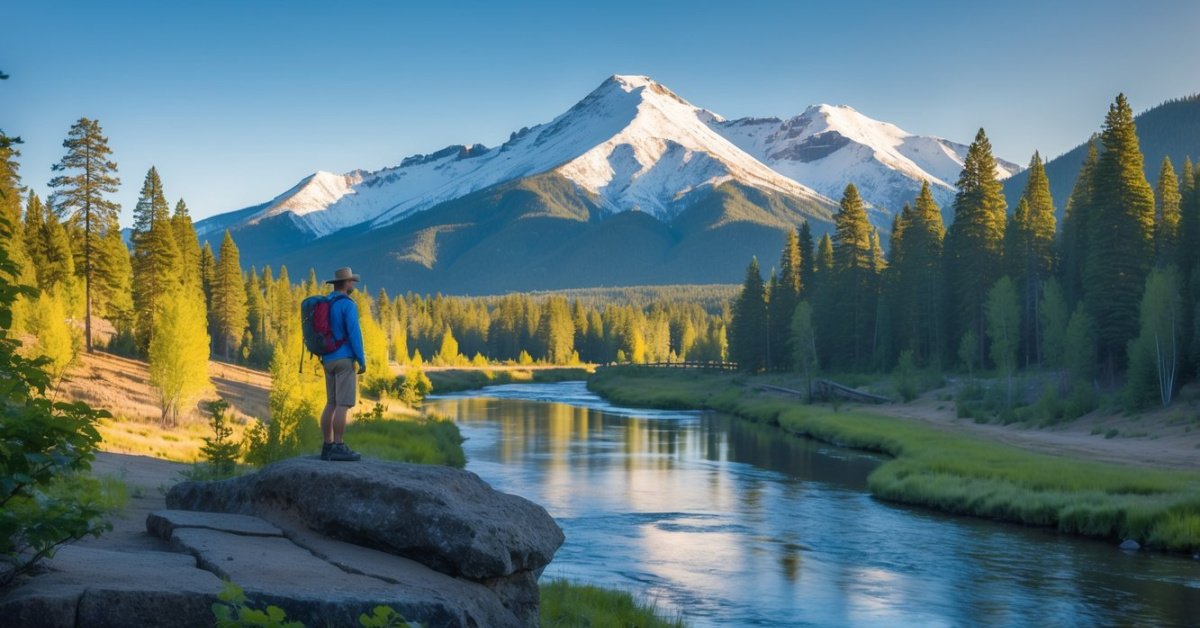
Whenever I visit the Umatilla Reservation I’m struck by the strong sense of community that fills the air. It’s more than just a place—it’s a living story shaped by generations who’ve called this land home. The warmth of neighbors the laughter of children and the respect for elders all blend together to create a unique tapestry of daily life.
Traditions here aren’t just remembered—they’re celebrated. From seasonal gatherings to timeless crafts the people of Umatilla find countless ways to honor their roots. I can’t help but feel inspired by how these traditions continue to shape and strengthen the community today.
Overview of the Umatilla Reservation
Located in northeastern Oregon, the Umatilla Reservation covers over 270,000 acres and spans parts of Umatilla and Union counties. I find that rivers like the Umatilla and the Columbia shape the region’s landscape, with rolling hills, grasslands, and forested areas defining the terrain. The reservation serves as the homeland for the Confederated Tribes of the Umatilla Indian Reservation (CTUIR), including the Cayuse, Umatilla, and Walla Walla peoples.
Governance centers at the Nixyáawii Governance Center near Mission, Oregon. I’ve noticed that tribal members vote for a Board of Trustees, which handles economic, cultural, and governmental issues. Community facilities include the Tamástslikt Cultural Institute, which preserves and shares Tribal history, and the Wildhorse Resort & Casino, a hub for entertainment and tourism.
Economic drivers on the Umatilla Reservation include agriculture, timber, tribal enterprises, and hospitality. I see wheat fields, cattle ranches, and native food harvesting efforts supporting both traditional and contemporary lifestyles here. Education plays a key role, with the Nixyáawii Community School and partnerships with public schools nearby.
Public lands and natural resources hold cultural and economic value for the Umatilla community. Elk, deer, native plants, and fishing rights on local waterways connect tribal members to their heritage while providing subsistence. Annual powwows, community events, and youth programs consistently strengthen cohesion and reinforce shared values.
Historical Background of the Umatilla People
The Umatilla people belong to the Confederated Tribes of the Umatilla Indian Reservation (CTUIR), a union also including the Cayuse and Walla Walla peoples. These tribes have lived across the Columbia Plateau for thousands of years, some accounts dating habitation back at least 10,000 years, according to the Tamástslikt Cultural Institute. Before non-Indigenous settlement, communities like the Umatilla maintained seasonal villages along the Umatilla and Columbia Rivers, relying on fishing, hunting, and gathering.
After the 1855 Treaty with the United States, the federal government established the Umatilla Reservation, merging the Cayuse, Umatilla, and Walla Walla into one area of 250,000 acres, later confirmed at 271,000 acres by CTUIR records. The Treaty recognized these tribes’ rights to fish, hunt, and gather at traditional locations throughout Oregon and Washington—rights that still form the backbone of the CTUIR’s advocacy and governance.
Throughout the late 19th and 20th centuries, policies like forced allotment and boarding schools disrupted Umatilla communities and knowledge systems. While federal actions reduced land holdings by nearly 90% by 1900, tribal leaders preserved cultural teachings, language use, and traditional foods like roots and salmon through oral history and ceremonies. Today, revitalization programs on the reservation support Sahaptin (Umatilla), Cayuse, and Nez Perce languages, as well as the renewal of seasonal First Foods celebrations.
I’ve learned firsthand that this dedication to heritage links every family to vast fishing sites, root gathering grounds, and berry patches, from the Blue Mountains through the Columbia River basin. Every powwow, treaty rights discussion, or youth language class I’ve visited connects back to centuries-old relationships with Oregon’s rivers, plateaus, and wild foods. These roots form the backbone of Umatilla identity and community resilience even now.
Community Life on the Reservation
Community life on the Umatilla Reservation centers around close relationships, shared responsibilities, and traditions that anchor daily living. Family ties, cultural teachings, and civic engagement shape how people interact and support one another here.
Social Structure and Governance
Leadership on the Umatilla Reservation stands out for its community-driven focus. The Confederated Tribes of the Umatilla Indian Reservation (CTUIR) organize governance through an elected Board of Trustees. Board members, all tribal citizens, make decisions by balancing cultural values with legal and economic realities. Community meetings at the Nixyáawii Governance Center give tribal members a voice on everything from land use to health programs.
Elders hold respected roles, guiding younger members through storytelling and ceremony. In practice, each age group participates—for example, youth volunteer during events and adults mentor apprentices in heritage skills like traditional foods or beading. At large gatherings, I often see neighbors helping set up, elders leading prayers, and everyone sharing meals and music that reflect Cayuse, Umatilla, and Walla Walla customs.
Education and Youth Engagement
Education on the Umatilla Reservation blends standard curriculum with tribal history and language. The Nixyáawii Community School integrates instruction in Umatilla language, tribal governance, and environmental stewardship. Students gain practical experience in fisheries projects or participate in horse riding, both core to cultural heritage.
Youth programs extend beyond school with summer camps, after-school activities, and internships at places like Tamástslikt Cultural Institute. Young tribal members learn drumming, dancing, and art, with local artists and elders teaching hands-on workshops. CTUIR leadership invests in scholarships for college-bound students and pathways for workforce training in fields like natural resources management or hospitality at Wildhorse Resort & Casino.
Local families attend sporting events, student art shows, and annual celebrations—examples include the Nixyáawii Powwow and youth stickgame tournaments—which encourage pride and community spirit. From my own visits, I’ve seen how engaged the young people are, eager to learn not just textbook knowledge but also the deeper lessons passed down through generations on this land.
Preserving Cultural Traditions
Cultural continuity shapes daily life on the Umatilla Reservation. I see firsthand how traditions connect families, places, and history throughout northeastern Oregon.
Language Revitalization Efforts
Language programs thrive across the Umatilla Reservation. The Confederated Tribes of the Umatilla Indian Reservation (CTUIR) actively support Cayuse, Umatilla, and Walla Walla language classes at the Nixyáawii Community School and the Tamástslikt Cultural Institute. Tribal elders lead weekly conversation circles, while youth immersion camps in summer boost fluency for kids ages 8-15. Recorded oral histories, often gathered from fluent speakers, supplement classroom lessons. In recent years, tribal staff launched mobile apps featuring word banks and pronunciation guides, making it easier for younger generations to practice at home. Local signage displays words in both English and tribal languages at government offices, parks, and landmarks, reinforcing language visibility throughout the community.
Traditional Arts and Ceremonies
Traditional arts maintain a strong presence in Umatilla life. Artists create beaded regalia, moccasins, and intricate basketry using techniques passed down for generations. Examples of local craftsmanship often appear at events and in displays at the Tamástslikt Cultural Institute. Quilting circles and craft nights, often hosted at community centers, foster knowledge-sharing between elders and students. Ceremonies mark seasonal changes, such as the First Foods Feast in spring and fall Root Digs. Annual powwows feature songs and dances, including the Round Dance and Horse Parade, and draw neighboring tribes for intertribal celebrations. These events honor ancestors, support spiritual connection, and strengthen the sense of belonging that I recognize whenever I visit.
Economic Development and Modern Challenges
Economic growth on the Umatilla Reservation blends tradition with new opportunities. Locals adapt to changes while facing real barriers unique to northeastern Oregon.
Key Industries and Employment
Agriculture ranks as a primary source of income, with wheat, corn, and hay leading crop production across reservation lands. The Wildhorse Resort & Casino employs hundreds of locals, providing stable hospitality and gaming jobs. Tribal government, education, health services, and public safety make up a significant part of the workforce through entities like the Nixyáawii Community School and Yellowhawk Tribal Health Center. Timber and natural resource management, including the Umatilla Basin Habitat Project, offer forestry and conservation positions that support local families. Several entrepreneurs operate small businesses—like food vendors, arts retailers, and local contractors—helping diversify the economy.
Addressing Social and Environmental Issues
Community leaders constantly address challenges impacting daily life and long-term sustainability. Housing shortages strain families, with over 200 households on waiting lists for tribal housing as of 2023 (source: CTUIR Housing Department). Water rights and dam operations affect salmon runs, which are culturally and economically essential. The Environmental Health and Safety Program oversees cleanup and land stewardship efforts after previous industrial contamination, notably near Superfund-listed sites like the nearby Hanford Reach. Tribal health teams focus on diabetes, substance use, and mental health, tailoring programs with cultural roots. Educational programs work to close graduation gaps between CTUIR students and state averages, targeting dropout prevention and college readiness. In all these efforts, reservation residents rely on strong community ties and adaptive leadership to keep moving forward, no matter the obstacles.
The Reservation’s Relationship With Surrounding Areas
Interaction between the Umatilla Reservation and neighboring communities shapes daily life in northeastern Oregon. Residents from nearby Pendleton, Mission, and Athena visit tribal enterprises like the Wildhorse Resort & Casino, shop at the Tamástslikt Cultural Institute gift shop, and attend large-scale events, including the annual powwow and Tamkaliks Celebration. These activities often bridge cultural understanding and foster economic partnerships.
Collaboration strengthens regional resources. For example, the CTUIR works with Oregon state agencies and the U.S. Forest Service on salmon restoration in the Umatilla River Basin, which benefits both tribal and non-tribal fisheries. My experience shows that surrounding farmers and ranchers partner with tribal leaders on land stewardship and wildfire management, recognizing that success for one community often supports the others.
Education builds lasting ties. Tribal youth attend schools both on and off the reservation, including Pendleton High School and Blue Mountain Community College. Educators from across Umatilla County coordinate cultural programs and host shared sporting events, strengthening friendships between families in and outside the reservation.
Economic exchange features prominently in day-to-day routines. Tribal agriculture operations supply hay, wheat, and corn to regional markets in Oregon and Washington. Local construction businesses from Hermiston and Milton-Freewater frequently collaborate on infrastructure projects, from roadwork to new housing initiatives on both tribal and non-tribal land.
Mutual respect maintains positive connections. During public hearings on water use and hunting access, I often see tribal representatives and non-tribal citizens engaging in open dialogue. While not every discussion ends in total agreement, these meetings demonstrate a willingness both to honor treaty rights and to find middle ground.
Throughout these interactions, my experience reveals that Umatilla Reservation residents and their neighbors keep working toward a balance between honoring tradition and pursuing regional prosperity. Community events, natural resource projects, and education consistently connect people on both sides of the reservation boundary.
Conclusion
Visiting the Umatilla Reservation left a lasting impression on me. The sense of belonging and pride runs deep and it’s clear that every tradition and gathering helps keep that spirit alive.
I found myself inspired by the way everyone—elders and youth alike—works together to honor their past while building a brighter future. The blend of resilience and warmth I experienced there will always stay with me.