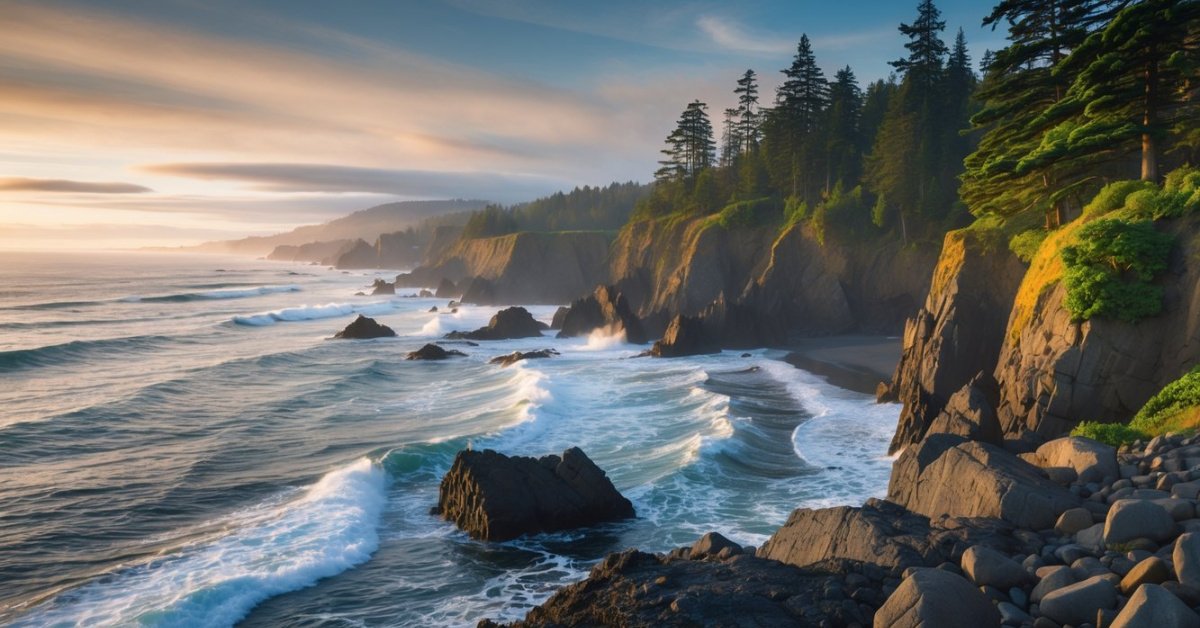
When I think about Oregon’s past, I’m always struck by how deeply people here have cared for the land. From the earliest days, folks in this region have found creative ways to live in harmony with forests, rivers, and mountains. It’s not just about survival—it’s about respect and balance.
I’ve noticed that sustainable practices aren’t a new trend in Oregon. They’re woven into the state’s history, shaping communities and traditions over generations. Whether it’s farming, fishing, or building homes, Oregonians have long looked for ways to protect what makes this place special.
Early Indigenous Sustainable Practices
Oregon’s first residents shaped the land long before modern settlements appeared. I’ve seen firsthand how Indigenous knowledge still guides sustainable living across the region.
Traditional Ecological Knowledge
Indigenous people in Oregon developed deep ecological knowledge systems that connect local plants, animals, and ecosystems. Tribes like the Chinook, Klamath, and Wasco relied on detailed seasonal calendars to time their harvests and hunts at peak abundance. They recognized cycles in salmon runs, camas flower blooms, and acorn drops, passing these patterns down for generations. Careful observation let them predict weather shifts or wildfire risks, shaping decisions about when to gather or move. This knowledge, rooted in place and refined over thousands of years, continues to inform stewardship traditions throughout Oregon.
Resource Management and Conservation
Tribes practiced active resource management strategies to promote regeneration and preserve abundance. Burning prairies and oak savannas, for instance, increased berry production and limited invasive species. Selective harvesting—like taking only mature salmon from rivers or stripping cedar bark in narrow strips—maintained population health for salmon, deer, camas, and other traditional foods. These conservation principles encouraged balance and ensured food sources endured. Today, co-management agreements between tribes and agencies reflect the ongoing role of Indigenous stewardship in Oregon’s forests, rivers, and grasslands.
Pioneer and Settler Approaches to Sustainability
Settlers arriving in Oregon during the 1800s brought resourcefulness and an instinct for conservation, adapting their habits to fit Oregon’s climate and rugged geography. I’ve seen remnants of their practical choices across rural valleys and forests, where their influence still shapes land management.
Agricultural Innovations
Pioneer families in Oregon developed crop rotation systems and diversified gardens for resilience against unpredictable weather. For example, wheat, oats, and corn rotated in small fields helped maintain soil fertility. Settlers constructed irrigation ditches in Willamette Valley using hand tools and local materials, relying on creeks and rainwater to improve dry seasons. Many families preserved excess harvests through root cellars and dried goods, limiting waste. Community barn raisings and shared work parties let neighbors pool resources for efficiency, a tradition visible today in some farming communities.
Forestry and Land Use Practices
Homesteaders and loggers in early Oregon adopted selective cutting along forest edges to reduce fire risk and erosion, especially near rivers like the Umpqua and Rogue. When clearing land, pioneers often left strips of standing timber as windbreaks and wildlife corridors. In coastal ranges, I’ve noticed that old split-rail fences mark original property boundaries where oak and fir lines were left intentionally. Rotational grazing and mixed livestock helped settlers keep pastures healthy, with herds moved seasonally to prevent overgrazing and allow native grasses to recover. Settler land use laws and claims also introduced early forms of resource mapping, which evolved into the zoning and stewardship plans I research across the state.
Environmental Movements in the 20th Century
Environmental activism in Oregon reached new levels during the 1900s. I’ve seen how these movements shaped my state’s laws, culture, and natural landscapes.
The Oregon Bottle Bill
The Oregon Bottle Bill, passed in 1971, became the first bottle return law in the United States. I watched how this law transformed local communities by introducing a deposit-refund system for glass, metal, and plastic beverage containers. This simple program led to a statewide drop in roadside litter by almost 80% in the first decade, according to the Oregon Department of Environmental Quality. Stores, recycling centers, and neighborhood groups all plugged into this system, turning empty bottles into clean parks and streets. This law inspired similar legislation in states like Michigan and California.
Salmon Restoration Efforts
Salmon restoration efforts here started ramping up in the 1980s as fish populations in the Columbia and Willamette rivers dropped sharply. I’ve walked countless streams where agencies like the Oregon Department of Fish and Wildlife work with tribes and local volunteers to restore spawning habitat, remove blockages, and modernize hatchery practices. For example, in the 1990s, the state launched the Oregon Plan for Salmon and Watersheds, focusing on monitoring water quality, replanting riparian zones, and improving culvert design. These projects supported not only salmon but also the healthy rivers and forest ecosystems I cherish all across Oregon.
Modern Sustainable Initiatives
Modern sustainable initiatives shape how I see Oregon changing daily, blending fresh strategies with long-held values. Living in Oregon, I notice shifts toward green technology and community-centered planning in almost every corner of the state.
Green Energy Adoption
Oregon’s commitment to green energy appears strongest in its push for renewables and energy efficiency. Wind farms near the Columbia Gorge, solar projects in the Willamette Valley, and hydropower across major rivers help generate about 70% of Oregon’s electricity from renewable sources, according to the Oregon Department of Energy. Community-driven programs like Blue Sky from Portland General Electric let residents directly support clean energy development. I’ve watched rural towns like Lakeview install utility-scale solar arrays and cities such as Ashland introduce widespread home energy audits. These changes reduce carbon emissions and create jobs in areas with long ties to traditional resource industries.
Urban Planning and Sustainable Cities
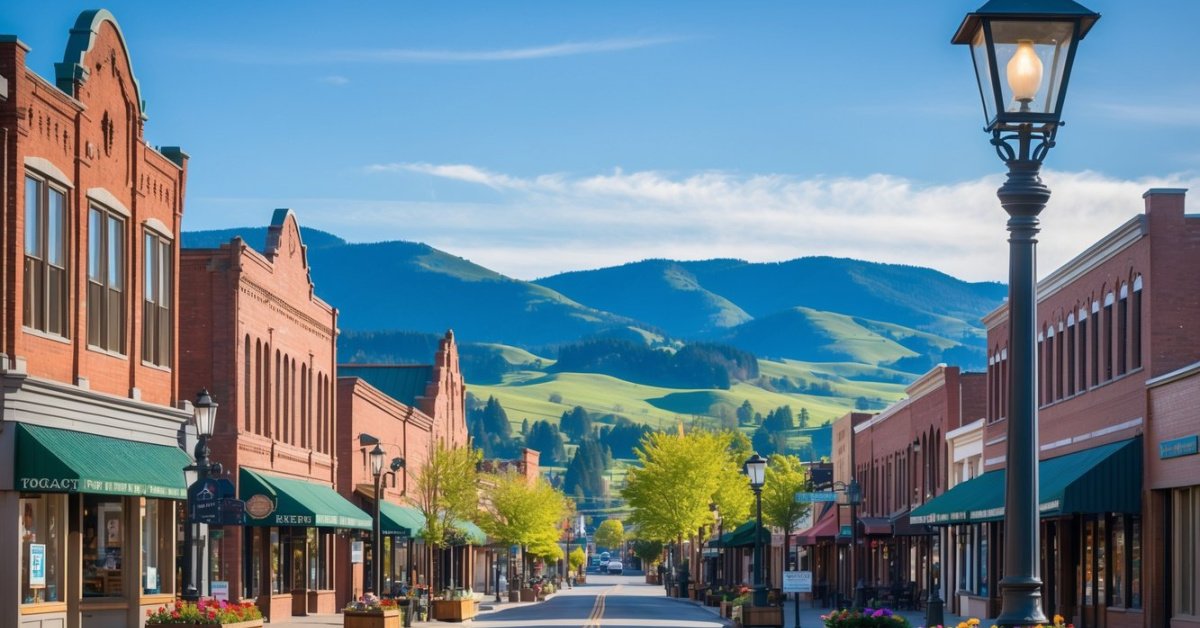
Portland’s urban growth boundary defines how Oregon approaches city planning and sustainability. This boundary, established in the 1970s, curbs sprawl and promotes higher-density, walkable neighborhoods. I see its effects everywhere—from eco-districts like Portland’s Pearl District that prioritize green roofs, to Eugene’s EmX bus rapid transit lines and Salem’s bike-friendly streets. Development codes require new construction to meet energy standards and protect green space. Cities such as Bend and Corvallis use community input for long-term sustainable transportation and housing plans. Many towns invest in sustainable stormwater systems like bioswales and rain gardens, prioritizing river and creek health. These urban policies echo Oregon’s legacy of balancing natural beauty and livability, and I find direct benefit every day when biking, walking, or taking transit around town.
Lasting Impact and Lessons Learned
Sustainable practices in Oregon’s history keep influencing how I and other Oregonians live, work, and care for our communities. Tribal stewardship models, like the seasonal management systems used by the Chinook and Klamath tribes, continue shaping land management policies. Agencies and tribes now co-manage fisheries and forests, resulting in healthier salmon runs and more resilient woodlands.
Centuries of crop rotation, selective harvesting, and careful water use inspired my neighbors and me to support local farmers who stick with these proven methods. At weekly growers’ markets in Eugene, Portland, and Pendleton, I spot many sustainable products—heirloom grains, dry-farmed berries, and hand-cut timber—grown or gathered using these old techniques.
The Bottle Bill of 1971 still stands as a model for waste reduction. Whenever I return cans with my friends, I notice cleaner roadsides, thanks to the deposit-refund system that local folks fought to maintain.
City planners in Portland and Bend look to the past when creating walkable neighborhoods and preserving green belts. I see the success of the urban growth boundary every time I bike through Forest Park, where city meets wilderness and wildlife journeys right alongside people.
From what I’ve learned exploring Oregon, collaborative projects—like salmon habitat restoration or renewable energy planning—succeed most when they include everyone’s viewpoint. That approach started with the region’s first residents, and it keeps our communities adaptive and close-knit.
Each generation in Oregon carries forward a commitment to both preservation and innovation. The lessons remain simple: listen to the land, adapt strong traditions, and welcome new ideas, and Oregon stays beautiful and livable for everyone I meet.
Conclusion
Looking back at Oregon’s story I’m inspired by how each generation has found its own way to care for the land. The mix of wisdom from Indigenous communities early settlers and today’s innovators gives me hope that we can keep moving forward with purpose.
I believe that by honoring the lessons of the past and staying open to new ideas we can protect Oregon’s natural treasures for years to come. Let’s keep working together to make sustainability a lasting part of our everyday lives.