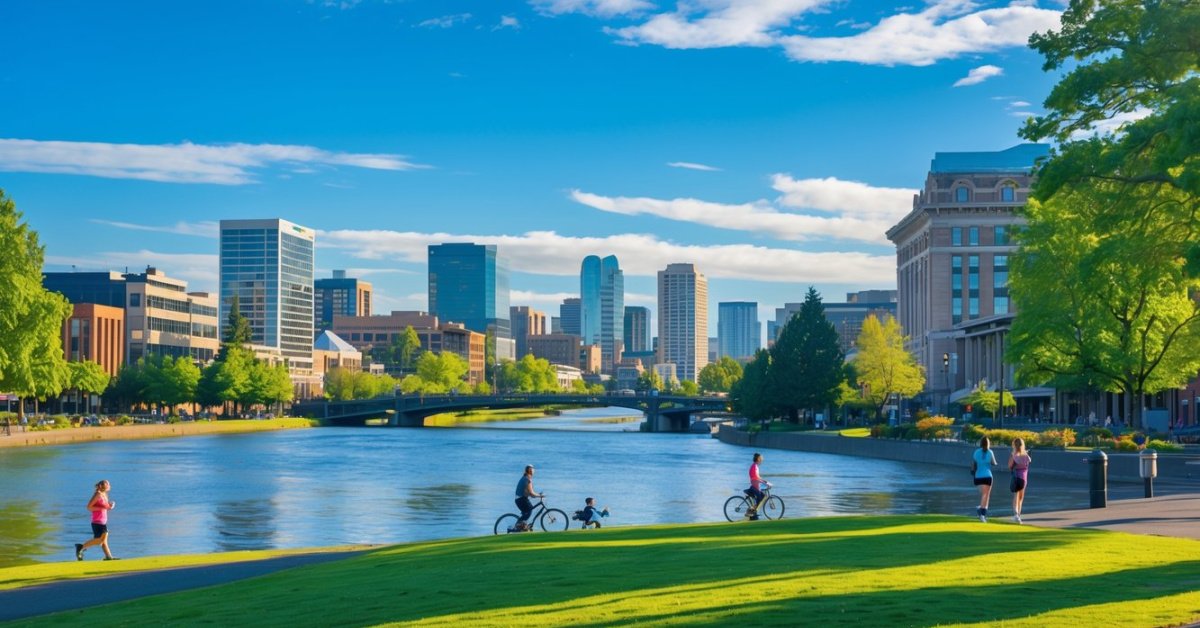
Whenever I think of Salem I picture a place where history and charm blend seamlessly. Nestled in the heart of Oregon this state capital isn’t just about politics—it’s a city bursting with stories waiting to be explored. From grand government buildings to leafy parks and quirky museums Salem offers a little something for everyone.
I love wandering through its tree-lined streets and discovering how the past shapes the city’s vibrant present. Whether I’m drawn by its rich heritage or the relaxed pace Salem always feels inviting. If you’re ready for a trip that mixes culture with a touch of adventure this guide will help you uncover the best of Salem’s history and heart.
Discovering Salem: State Capitol and Historical Charm
Salem’s Oregon State Capitol stands out with its iconic gold pioneer statue. I see visitors pause on the front steps or in Willson Park to snap photos, especially when cherry blossoms bloom from late March through early April. Public art lines the Capitol Mall, with sculptures and heritage trees telling stories of Oregon’s journey since statehood in 1859.
Downtown’s historic district shows what shaped Salem’s character. I’ve walked past the Elsinore Theatre’s Gothic-style facade and visited galleries inside old brick buildings along State Street. Each block blends Salem’s late-1800s architecture with coffee shops and boutiques.
Deep roots run at Mission Mill Museum, where preserved 19th-century buildings show early pioneer industry. I like tracing Salem’s settlement back to the Methodist Mission, which helped found the city. Inside, interactive exhibits make Oregon’s pioneer era vivid for visitors.
Neighborhoods reveal layers of local history. Bush’s Pasture Park, a 90-acre estate, includes a Victorian mansion and rose gardens locals have enjoyed for generations. I’ve spent afternoons exploring tree-shaded trails before finding heritage roses in bloom by the old Bush House.
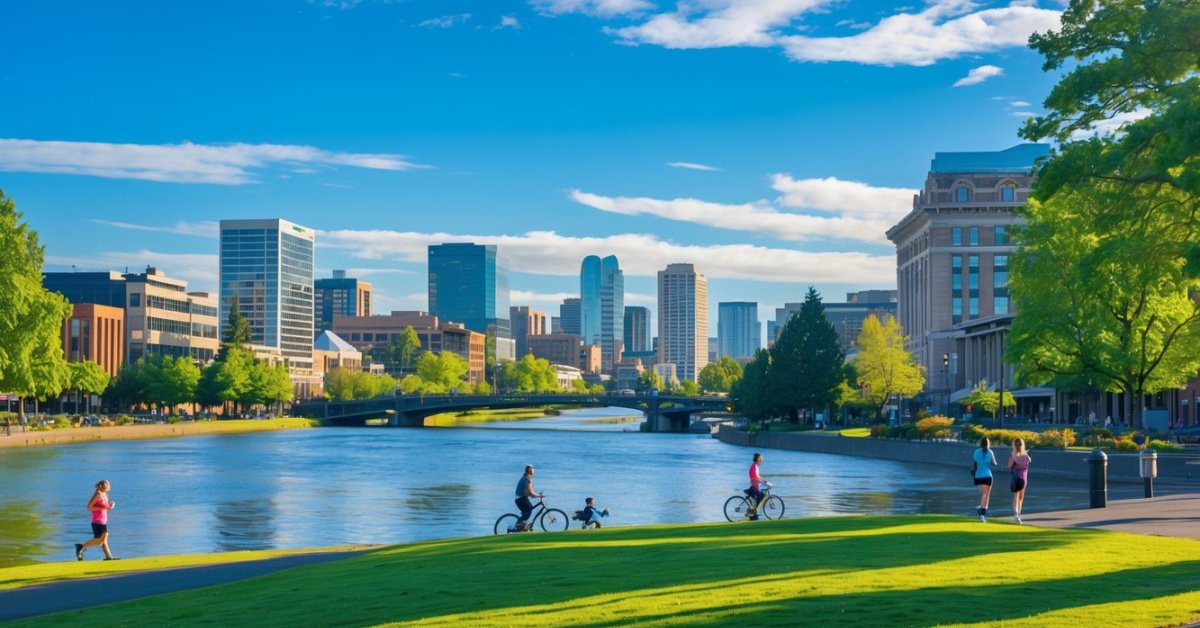
Riverfront Park and the carousel nearby bring families through one of Salem’s most scenic greenspaces. In summer, I hear music from outdoor events and see kids riding hand-carved carousel horses backed by views of the Willamette River, connecting present-day Salem to its longtime role as a gathering place.
Top Attractions in Downtown Salem
Downtown Salem’s heart beats with stories, architecture, and local discoveries. I find these core attractions offer visitors accessible routes into the city’s layered history and heritage.
Oregon State Capitol Building Tour
Guided tours of the Oregon State Capitol give direct access to the Rotunda, murals, and legislative chambers. I always point out the golden Oregon Pioneer atop the dome, visible for miles. The Capitol Mall outside displays bronze and marble statues illustrating Oregon’s milestones from 1859 through WWII—my personal favorites are the John McLoughlin and Jason Lee statues. Free tours operate weekdays, and during summer, the cupola observation deck opens for panoramic Willamette Valley views.
Willamette Heritage Center
Located where downtown meets Mill Creek, the Willamette Heritage Center preserves five original 19th-century structures, such as the Thomas Kay Woolen Mill and Jason Lee House. I learned about Salem’s early textile industry here, walking through working looms and exhibits on pioneer life. Local artisans often demonstrate spinning and weaving. Seasonal events like sheep shearing festivals and history talks give visitors hands-on context for Salem’s growth.
Bush House Museum
Tucked inside 90-acre Bush’s Pasture Park, Bush House Museum showcases 1878 Victorian Italianate architecture and period furnishings. I recommend the guided home tours—these tours explain Asahel Bush’s role as a newspaper publisher and early Salem civic figure. Manicured rose gardens and art galleries surround the home. I catch rotating local art shows in the Bush Barn Art Center nearby, which offers more insight into Salem’s creative scene.
Exploring Salem’s Rich History
Exploring Salem’s rich history always reveals new stories and layers. I find every corner has a story, with neighborhoods and monuments that embody Oregon’s past.
Notable Historic Districts
Salem’s historic districts preserve architecture and culture from different eras.
- Downtown Historic District: Gothic structures like Elsinore Theatre, brick storefronts from the 1880s, and arts venues highlight city development after statehood.
- Court-Chemeketa Residential Historic District: Heritage homes, such as Queen Anne and Craftsman examples, line tree-canopied streets dating to the early 20th century.
- Gaiety Hill-Bush’s Pasture Park District: Bush House, built in 1878, anchors this area, surrounded by rose gardens and mature oaks, showing Salem’s Victorian influence.
I always see Salem’s patterns of immigration, commerce, and civic life mirrored in these neighborhoods.
Landmarks and Monuments
Key landmarks and monuments showcase Salem’s civic pride and historic milestones.
- Oregon State Capitol: The marble building, topped by the Pioneer statue, represents Oregon’s government since 1938, with murals depicting major events since 1859.
- Willamette Heritage Center: Five surviving mill buildings offer demonstrations of pioneer-era life and industry on the original Thomas Kay Woolen Mill site.
- Jason Lee Statue: The bronze monument near Willamette University honors the Methodist missionary who founded the first American settlement in the Willamette Valley in the 1840s.
- Eco-Earth Globe: This mosaic sphere at Riverfront Park illustrates Oregon’s global connections and environmental focus, a newer symbol linking past stewardship with today’s values.
Walking among these markers, I always see reminders of the people and ideas that built Salem history.
Best Neighborhoods and Local Experiences
Salem’s neighborhoods each give off their own style, shaped by stories, art, and the people who live there. When I explore these pockets of Salem, I always find history mixing with today’s energy in ways only locals truly notice.
Cultural Festivals and Events
Annual events in Salem show off the city’s personality. I always mark my calendar for the Salem Art Fair & Festival in July at Bush’s Pasture Park—more than 200 artists, live music, and great food gather across 3 days. The World Beat Festival brings global traditions, dancing, and craft stalls to Riverfront Park every June, reflecting Salem’s diversity. In winter, I never skip the Holiday Market at the Oregon State Fairgrounds—local makers fill three buildings with crafts. October brings the Salem Harvest Festival downtown, where food trucks, farm stands, and pop-up performances celebrate the valley’s agricultural bounty. These gatherings connect residents and visitors through culture, crafts, and food rooted in Oregon’s communities.
Local Dining and Shopping
Independent restaurants and shops in Salem’s neighborhoods highlight Oregon’s flavors and creativity. In the Grant neighborhood, Archive Coffee & Bar mixes single-origin brews with a curated bookshop vibe. Just blocks away, Wild Pear Café uses Willamette Valley ingredients—try the Marionberry chicken salad sandwich, my favorite. Reed Opera House in downtown collects boutiques with vintage finds, hand-poured candles, and Oregon-made gifts. Court Street runs through the Historic District and features Salem Summit Company’s outdoor gear, then Isaac’s Downtown for local pastries baked daily. My food tours always include El Patron, a South Salem spot with tamales that locals line up for, and Venti’s Café, known for Oregon microbrews and seasonal bowls. Every storefront and café I visit reflects Salem’s blend of tradition and innovation.
Tips for Planning Your Visit to Salem
- Choosing the Best Time to Visit
Spring brings blooming cherry trees along the Capitol Mall and clear views at Riverfront Park. Summer guarantees festival season and outdoor concerts. Early fall means mild weather and fewer crowds around historic landmarks.
- Navigating the City
Walking covers most downtown historic sites, including the Capitol and Willamette Heritage Center, within a mile radius. Cherriots buses run regular routes to parks like Bush’s Pasture and further into local neighborhoods. Street parking around the Capitol usually has 2-hour limits on weekdays.
- Booking Tours and Museums
Reserving Capitol tours ensures access to observation decks, particularly during peak travel months or legislative sessions. For Willamette Heritage Center and Bush House Museum, I always check hours and book tickets online for quicker entry. Group tours need advance arrangements.
- Packing Essentials
Layering is vital, even in summer, as Willamette Valley weather is unpredictable. I bring rain jackets year-round when walking Salem’s historic streets or exploring parks. Comfortable shoes make all the difference downtown and in garden sites.
- Eating and Shopping Local
Downtown’s independent cafés like Archive Coffee & Bar, and eateries on State Street, are busiest midday. Farmers’ markets with local produce set up on Saturdays at Marion Street; I use reusable totes for the best finds. Handmade goods and galleries around Court Street sell unique Oregon-made pieces.
- Connecting With Events and Locals
Checking the Salem Art Fair & Festival or outdoor concerts at Riverfront Park introduces diverse locals and artists. I follow city event calendars to plan visits around the World Beat Festival or seasonal markets.
- Exploring Beyond Downtown
Short drives reach Silver Falls State Park for iconic Oregon hikes, or Willamette Valley vineyards for wine tastings just west of Salem. Maps and event listings at the visitor center simplify day trips and seasonal routes.
Conclusion
Every time I visit Salem I find something new to fall in love with. The city’s blend of old and new creates an atmosphere that feels both welcoming and full of discovery. Whether you’re wandering through historic neighborhoods or enjoying a meal downtown you’ll sense the stories that shape Salem.
I hope this guide inspires you to explore beyond the usual stops and truly experience the heart of Oregon’s capital. There’s always another hidden gem waiting just around the corner.