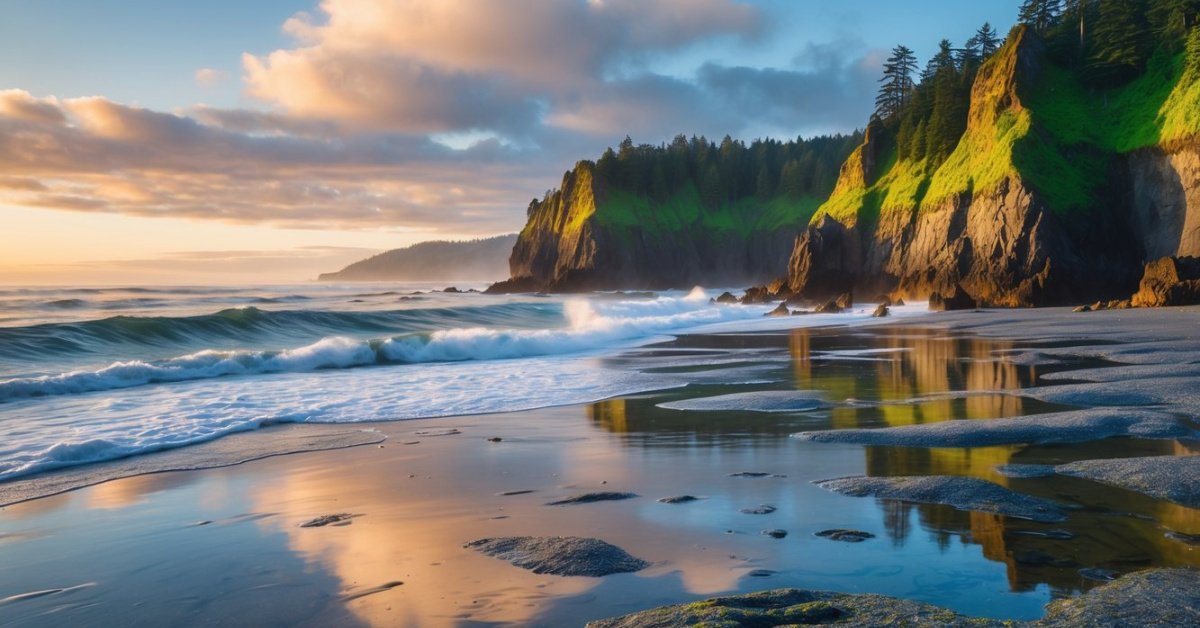
Every time I visit the Oregon coast I can’t resist the pull of Haystack Rock rising from the shore like a sentinel. There’s something magical about seeing its rugged silhouette framed by crashing waves and endless sky. It’s more than just a landmark—it’s a gateway to a world teeming with life and color.
Wandering around its base at low tide I find tide pools brimming with tiny wonders. Sea stars cling to rocks while anemones sway gently in the water. Each visit feels like a new adventure and I never know what I’ll discover next. Haystack Rock isn’t just a sight to see—it’s an experience that invites curiosity and awe every time.
Discovering Haystack Rock: Tide Pools and Coastal Wonders
Every time I walk Haystack Rock’s shore, I catch new patterns shining through the tidal rhythm. Tide pools cluster at the base of the monolith, each one capturing fleeting moments of marine life that only Oregonians like me get to see often. Anemones grip the stones, opening and closing as the water ebbs. Starfish cling to the rocks in hues of orange and purple—usually five or six together in a single pool. Small crabs scuttle beneath kelp strands, hiding if I move too close.
Haystack Rock’s protected status as part of the Oregon Islands National Wildlife Refuge keeps its ecosystem rich. Low tide in spring and summer, especially between April and August, draws locals and guests. Oregon’s interpretive volunteers often station nearby, answering questions and pointing out the lesser-seen nudibranchs and chitons.
I notice that every tide cycle reshapes this spot. Wind patterns, shifting sands, and storm surges change which creatures appear where. Mussel beds can stretch across boulders after winter storms, but by midsummer, barnacles and limpets replace them on the exposed rocks closest to Cannon Beach.
Sunsets add to the coastal wonder. Residents and visitors gather as the last light paints the rock’s silhouette, often spotting puffins nesting on top during nesting season from April to July. I recommend looking for their unmistakable beaks with binoculars.
Haystack Rock means constant change. Tide pools and the unique coastal habitat never let me leave without something new to learn about my home coastline.
Exploring the Tide Pools
When I kneel down beside the tide pools at Haystack Rock, I spot creatures found nowhere else in Oregon. Exploring these shallow pockets gives me a firsthand look at the living heart of the coast every time the tide pulls back.
Unique Marine Life to Spot
Anemones cluster around rocks, their tentacles waving in emerald water. I see bright orange and purple sea stars clinging to barnacle-covered ledges. Hermit crabs scuttle through eelgrass, ducking under snail shells. Tiny sculpin dart between pools, their camouflage only broken by sudden movement. Each visit brings new surprises—sand dollars buried in soft patches, or a rare glimpse of a red octopus curling within a shadowed crevice. Haystack Rock’s tide pools reveal this range of species because the area stays protected as part of the Oregon Islands National Wildlife Refuge.
Tips for Responsible Tide Pooling
I let others know the best way to see the tide pools is by stepping only on bare sand or solid rock, not on living creatures or plants. I use just one finger to gently touch anything, leaving delicate marine life undisturbed. I watch for incoming tides and slippery rocks, since coastal conditions change fast. For a safe and educational experience, I join the Haystack Rock Awareness Program volunteers during low tide hours. They share insights and help visitors understand the importance of not collecting shells, animals, or plants, keeping the ecosystem healthy for future generations.
Coastal Attractions Around Haystack Rock
Coastal attractions near Haystack Rock create year-round excitement, with much more to explore beyond tide pools. As someone who’s called Oregon home my whole life, I’ve visited these wonders in every season.
Birdwatching and Wildlife Viewing
Seabird nesting colonies turn Haystack Rock into a haven for birdwatchers each spring and summer. Tufted puffins draw crowds when they nest from April through July, and I always find myself setting up my binoculars to spot their colorful faces. Beyond puffins, I regularly see cormorants, gulls, and black oystercatchers using the surrounding rocks for roosting and feeding. Harbor seals and gray whales often grace the nearby shoreline, especially during migration periods in March and December. Beach glasses help me spot purple sea urchins and scurrying shore crabs in nearby intertidal zones.
Scenic Walks and Photography Opportunities
Walking Cannon Beach gives me endless chances to catch shifting ocean colors, dramatic cloudscapes, and expansive sand flats at low tide. Sunset transforms Haystack Rock into a silhouette against pink and gold skies, making it a famous spot for both local and visiting photographers. Early mornings often deliver calm winds and glassy reflections along the tide line—a favorite setup for my landscape shots. Ecola State Park’s clifftop trails, just north of the rock, let me photograph panoramic coastal vistas and dense Sitka spruce groves. Each visit offers new light angles and wildlife surprises, making every walk or photo session distinct.
Best Times to Visit and Visitor Tips
Early mornings during negative low tides reveal the best tide pools at Haystack Rock. I find April through September gives the most vibrant tide pool viewing and birdwatching, with peak puffin nesting from late April to early July. Summer weekends often bring crowds, so I usually go on weekday mornings for a quieter visit.
Low tide charts help maximize tide pool discoveries. My favorite tide charts come from the Hatfield Marine Science Center (seagrant.oregonstate.edu/tide-tables), which lists the daily tides for Cannon Beach. I check the NOAA weather site (weather.gov) for wind and surf advisory updates before each trip.
Dry months—July, August, and September—offer the warmest, sunniest weather and stunning sunset photography. Winter storms from December to February create dramatic scenery but can close parts of the beach for safety, so I always watch for posted warnings near the beach access points.
I wear sturdy, waterproof shoes for slick basalt and packed sand, and I dress in layers since Oregon’s coastal weather shifts fast. For tide pooling, I pack a small magnifier and bring extra bags for trash removal, since Oregon has a carry-in, carry-out policy.
The area around Haystack Rock gets busiest at the main Tolovana Beach State Recreation Site. If I want more solitude, I park at the less-crowded northern beach accesses on Gower Street or near Ecola Creek.
Haystack Rock Awareness Program volunteers set up during low tides on most spring and summer days. I always stop to talk with them, since they share recent wildlife sightings and answer questions about marine life and conservation.
Cell service varies along Cannon Beach, so I usually download maps ahead of time and bring a paper tide schedule, just in case. Dogs visit Haystack Rock year-round, but I keep mine leashed and steer clear of marked bird nesting areas.
Below is a quick reference table I use for trip planning:
| Best Visit Aspect | Peak Period/Tip | Insider Insight |
|---|---|---|
| Tide pool exploration | April–September, low tide | Arrive early; wear waterproof shoes |
| Puffin/nesting bird viewing | Late April–July mornings | Bring binoculars; respect fencing |
| Sunset photography | July–September, clear evenings | Best from northern beach access points |
| Avoiding crowds | Weekday mornings, mid-week | Use north or south beach parking |
| Volunteer programs | Spring & summer, low tides | Check Haystack Rock Awareness Program schedule |
Haystack Rock’s weather and tides shift daily, so even after decades exploring Oregon’s coast, I always double-check conditions to make every coastal trip safe and memorable.
Conservation and Preservation Efforts
Local Programs
I see the Haystack Rock Awareness Program play a central role in conservation here. Volunteers from the community—including myself—share facts, answer questions, and guide respectful exploration. The team uses educational signs and roped pathways to keep foot traffic off sensitive tide pool areas. I’ve watched this approach limit damage to habitats each year.
Wildlife Protections
Strict protections shape how all of us interact with Haystack Rock. This site belongs to the Oregon Islands National Wildlife Refuge, so I follow and encourage rules: no collecting creatures or shells, no climbing on nesting zones, and no dogs on the rock from February through September to protect nesting birds like the tufted puffin. Local and federal authorities enforce these regulations with clear signage and regular patrols.
Community Involvement
I often join Cannon Beach residents for beach cleanups after busy weekends or storms. Every piece of trash removed helps keep the intertidal zones safe for anemones and sea stars. Schools partner with conservation groups for field trips, letting students meet scientists and volunteers while learning hands-on stewardship practices.
Sustainable Tourism
I see Cannon Beach businesses promote sustainable tourism, providing visitors with tide pool guides, reusable gear, and up-to-date regulations. Hotels and shops participate in funding local conservation by donating portions of profits to habitat restoration projects. The coordination between small business owners and preservation advocates keeps the area thriving without losing accessibility for everyone.
Ongoing Research
Marine biologists and volunteers track species health and trends in the tide pools using surveys and tagging. I frequently spot teams at low tide collecting data on ochre sea stars, which faced declines from wasting disease. This research supports quick responses to changes in the ecosystem, benefiting both science and those of us who explore the coast.
Conclusion
Every time I walk along Cannon Beach and catch sight of Haystack Rock I feel a renewed sense of awe. There’s always something new to notice whether it’s a flash of color in a tide pool or the silhouette of a puffin against the sky.
I love how this place brings together people who care about nature and want to protect its wonders. If you’re planning a visit I hope you find as much magic and inspiration here as I do each time I return.