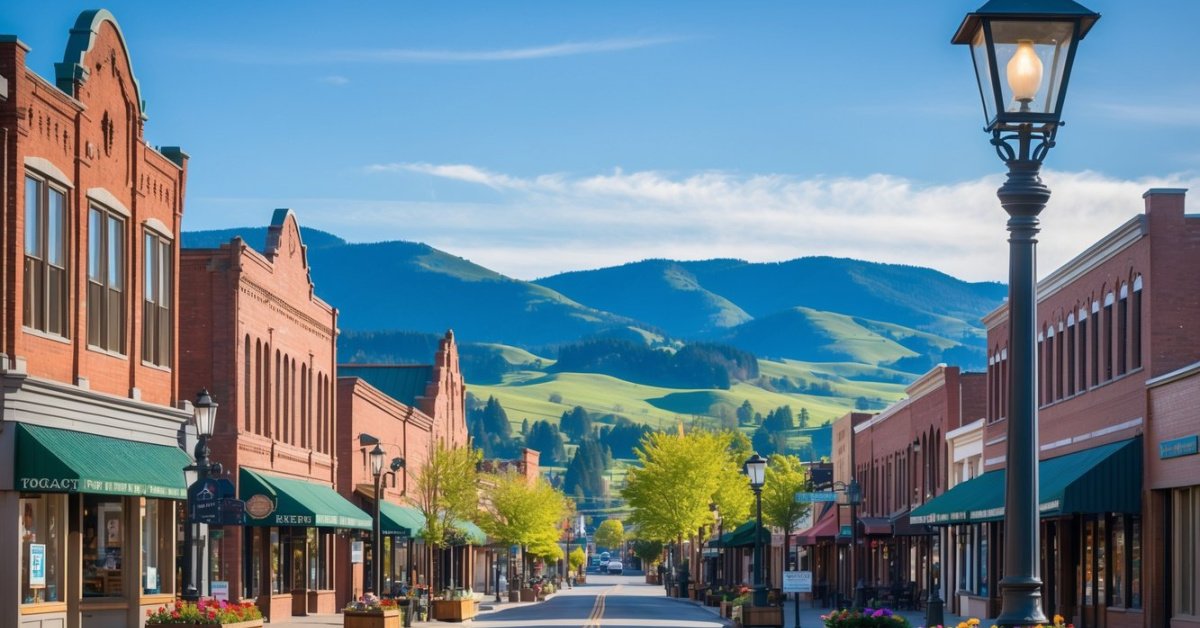
Whenever I wander through the quiet streets of John Day, Oregon, I can’t help but imagine what life was like over a century ago. Tucked away in this small town stands Kam Wah Chung, a building that once buzzed with stories and hope for Chinese immigrants seeking a new beginning. The faded brick and wooden doors hold secrets from a time when dreams and hardships collided in the American West.
As I step inside, I feel connected to the people who built their lives here. Their resilience and traditions shaped not just this town but the entire region. Kam Wah Chung isn’t just a museum—it’s a window into the lives of those who faced challenges and built a vibrant community far from home.
Historical Background of Chinese Immigration in Oregon
Chinese immigration shaped Oregon’s communities and economy, especially during the late 1800s. I’ve found the legacy of these pioneers everywhere in eastern Oregon, and Kam Wah Chung stands as a powerful reminder of their journey.
Early Waves of Migration
Mining jobs drove the earliest waves of Chinese immigration to Oregon in the 1850s and 1860s. Gold discoveries in places like Canyon City and Baker County attracted Chinese workers from Guangdong province. Between 1870 and 1880, Chinese people made up about one-quarter of Oregon’s mining workforce (Oregon Historical Society). I’ve seen records showing that by the 1880s, more than 10,000 Chinese immigrants were living in Oregon, concentrated in towns along mining routes or serving railroad, logging, and local business needs. Chinatowns grew in cities like Portland, Jacksonville, and John Day, creating new cultural connections and local commerce.
Challenges Faced by Chinese Immigrants
Chinese immigrants in Oregon faced discrimination, legal barriers, and violent attacks. My research in local archives reveals laws like the 1882 Chinese Exclusion Act and state-level restrictions blocked property ownership and citizenship for Chinese residents. Mob violence, such as the 1887 Hells Canyon Massacre in Wallowa County where at least 34 Chinese miners died, marked Oregon’s darkest chapters (OPB, “Chinese Massacre at Deep Creek,” 2018). Work segregation limited opportunities to menial labor or service roles in laundries and kitchens. Despite restrictions, Chinese communities formed mutual aid groups and established lasting places like Kam Wah Chung to support each other and keep traditions alive.
The Legacy of Kam Wah Chung
I see Kam Wah Chung as more than a relic—it’s an active witness to Oregon’s past. Every visit connects me to stories of survival, belonging, and cultural fusion in John Day.
Founders and Their Stories
I explore the stories of Ing “Doc” Hay and Lung On, the founders who transformed Kam Wah Chung into a lifeline for locals and newcomers. Doc Hay practiced herbal medicine, treating illnesses in both Chinese and non-Chinese communities. Lung On ran the mercantile, helped immigrants manage paperwork, found work, and connected them to distant families. Entry records in the building show clients from all over Grant County, confirming that their impact stretched far beyond John Day itself.
Role as a Community Hub
I see Kam Wah Chung as the center of social and economic life for Chinese immigrants in eastern Oregon. The site offered herbal remedies, imported goods, accommodation, and a safe space for social gatherings. Visitors found community updates posted in Chinese on the walls, shared meals prepared in the compact kitchen, and emergency hospitality during exclusion-era threats. My research confirms Kam Wah Chung became a rare, continuous community touchstone from the 1880s into the 1940s, helping preserve language, traditions, and personal dignity for thousands who passed through its doors.
Cultural and Social Impact
Kam Wah Chung stands as a rare example of how Chinese immigrants shaped eastern Oregon’s social landscape. In my years exploring the state, I’ve seen few sites preserving so much daily life and community connection in one place.
Preservation of Traditions
Kam Wah Chung preserved language, herbal medicine, and festivals for Oregon’s Chinese community. Herbal remedies lined the shelves, brought from China or adapted from local plants, maintaining trusted health practices when hospitals turned immigrants away. Community events, like lunar new year celebrations in the shop’s back rooms, kept Cantonese opera, food rituals, and the Chinese calendar alive. Mandarin and Cantonese remained spoken languages in John Day decades longer than the census hints, thanks to meeting places like this. Mutual aid societies offered vital support, organizing help for funerals, illness, and emergencies.
Contributions to Oregon’s Development
Chinese immigrants contributed skilled labor and business leadership to Oregon’s growth. Railroad workers, cooks, and miners from communities like the one gathered at Kam Wah Chung powered local economies. By the 1880s, Chinese immigrants made up 14% of eastern Oregon’s Grant County population (U.S. Census, 1880). Lung On’s mercantile supported ranchers and merchants far beyond the Chinese quarter, supplying dry goods, medicines, and mail service. Doc Hay’s herbal clinic cared for both Chinese and non-Chinese neighbors when few doctors practiced in frontier towns. These efforts unified eastern Oregon’s towns, laid economic foundations, and fostered cross-cultural exchange across generations.
Kam Wah Chung Today
Kam Wah Chung stands as one of Oregon’s most authentic pieces of living history. When I walk through its doors in John Day, I see not just museum artifacts but a rare, intact time capsule of Chinese American life in the Pacific Northwest.
Restoration and Museum Efforts
Restoration efforts at Kam Wah Chung have turned the site into a meticulously preserved museum. The City of John Day took ownership in 1955, and with help from the Oregon Parks and Recreation Department, every layer of the building’s collection—over 5,000 original artifacts—remains almost exactly where Doc Hay and Lung On left them. Restorers cleaned, stabilized, and cataloged rare herbal medicine jars, handwritten ledgers, immigration papers, imported goods, and festival banners. Oregon State Parks guides lead public tours from May through October each year. Original furnishings, faded wall scrolls, and apothecary containers fill every room, letting you step inside the daily life of Eastern Oregon’s early Chinese community. Kam Wah Chung became a National Historic Landmark in 2005 after local advocates recognized its exceptional state of preservation and unmatched historical value.
Educational Significance
Kam Wah Chung provides a firsthand resource for learning about Oregon’s multicultural past. School groups from Grant County and around the state visit to see exhibits on herbal medicine, traditional foodways, immigration history, and business records. Scholars continue to study Doc Hay’s herbal prescriptions, which trace early trans-Pacific exchanges and lost recipes. Volunteers and historians maintain an active archive with oral histories from descendants and former John Day residents. Every May, the site hosts special programs for Asian American and Pacific Islander Heritage Month, connecting Oregon’s younger generation to stories that textbooks rarely include. Tour scripts, interactive displays, and hands-on artifact handling give visitors a sense of what daily life meant for miners, laborers, and merchants in historic Eastern Oregon. Through partnerships with local universities and museums, Kam Wah Chung deepens statewide appreciation for the perseverance and contributions of Oregon’s Chinese American community.
Conclusion
Visiting Kam Wah Chung left me with a deep sense of gratitude for the courage and resourcefulness of those who built lives here against the odds. This remarkable place reminds me that history isn’t just stories in books—it’s lived experiences that continue to shape our communities.
When I walk through those preserved rooms I can almost feel the echoes of laughter resilience and hope. Kam Wah Chung stands as a powerful invitation to honor the journeys of all who came before us and to keep their stories alive for future generations.