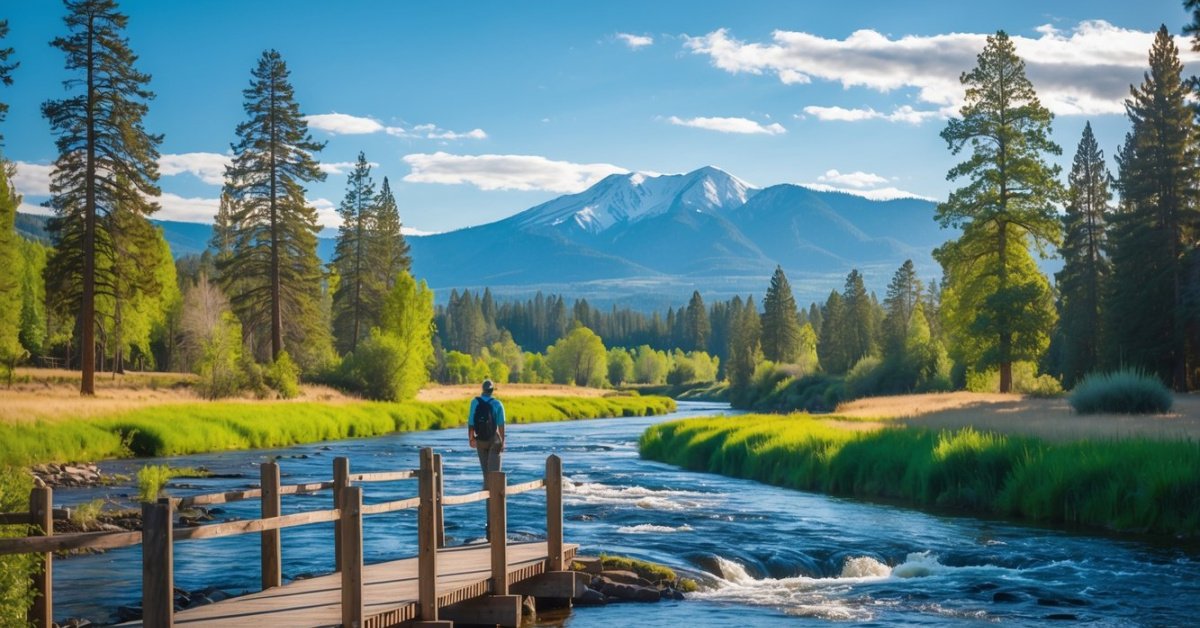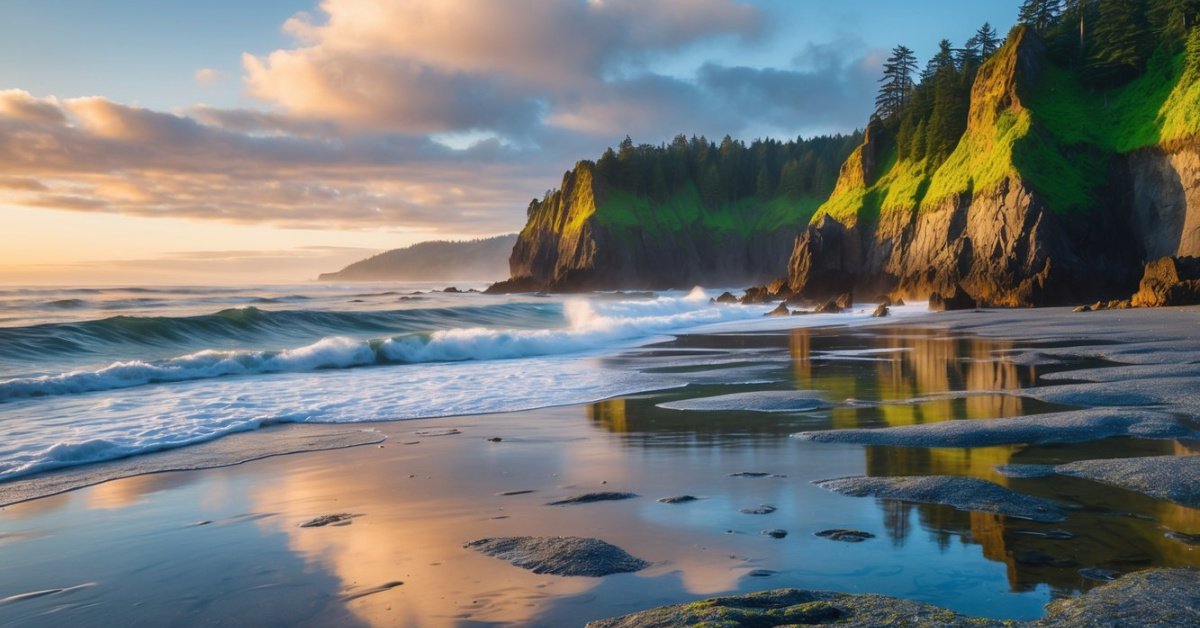
Whenever I need a breath of fresh air and a dose of adventure, I find myself drawn to Cape Perpetua. Tucked along the Oregon coast, this spot serves up some of the most stunning views and winding trails I’ve ever explored. The salty breeze and the sound of crashing waves make every visit feel like a new discovery.
Whether I’m wandering through lush forests or standing at the edge of dramatic cliffs, Cape Perpetua never fails to impress. There’s something magical about watching the ocean stretch out forever while the sun dips below the horizon. It’s a place where I can slow down, soak in the beauty, and let the wild landscape work its magic on me.
Overview of Cape Perpetua: Coastal Trails and Views
Cape Perpetua sits about 2 miles south of Yachats along US-101, marking one of the highest accessible viewpoints on the entire Oregon coast. Tall spruce forests, old-growth Sitka, and coastal wildflowers cover the landscape every spring and summer. As an Oregonian, I always notice the sharp sea cliffs and exposed volcanic rock, which give the area a rugged, untamed feel that’s rare even along this dramatic coastline.
Trails run through over 26 miles of the Cape Perpetua Scenic Area. Examples include the Captain Cook Trail, which leads straight to tidepools and the legendary Spouting Horn, and the Giant Spruce Trail, which ends at a 500-year-old Sitka spruce measuring over 40 feet in circumference. Hikers frequently share these paths with local wildlife—Roosevelt elk, black-tailed deer, and seasonal gray whales.
Views extend 37 miles north on clear days, reaching as far as Heceta Head Lighthouse and the Siuslaw National Forest ridge lines. From the stone overlook at the Visitor Center, I can spot storm waves hitting the rocky shore and catch breathtaking sunsets all year. Cape Perpetua’s trails, landscape, and ocean vistas always stand out as classic hallmarks of the Oregon coast.
Trails to Explore at Cape Perpetua
Cape Perpetua’s trail network connects old-growth forests, dramatic shoreline, and marine marvels. I always discover something new on each visit, so here’s what to expect on my personal favorite paths.
Captain Cook Trail
Captain Cook Trail guides me through coastal spruce and down to tidepools teeming with anemones, starfish, and mussels. At less than 1 mile round trip, this paved loop runs from the Visitor Center to spectacular viewpoints of Thor’s Well and Spouting Horn. Interpretive signs explain the geology and ecosystems I see. Low tide reveals secret inlets along the basalt shore.
Giant Spruce Trail
Giant Spruce Trail leads me beneath dense forest canopy for 2 miles round trip. I pass creeks shaded by sword ferns and emerge at the Giant Spruce—an Oregon Heritage Tree over 500 years old and 185 feet tall. Native plants like salmonberry and trillium line the trail in spring. I often spot woodpeckers or hear a Pacific wren near the tree’s roots.
Trail of Restless Waters
Trail of Restless Waters immerses me in the roar of Cape Creek as it tumbles through rocky narrows just above the highway. This 0.4-mile loop begins near the campground bridge, taking me into lush coastal woods lined with mossy maples and lichen. I cross a footbridge spanning the rushing creek, then pause at overlooks capturing the power of the water once used by local loggers.
Breathtaking Coastal Views and Scenic Spots
Sweeping ocean vistas and dramatic viewpoints define Cape Perpetua’s coastline. I always find new angles and perspectives on each visit, thanks to shifting light and seasonal changes.
Thor’s Well and Spouting Horn
Thor’s Well and Spouting Horn give the cape its wild reputation. Thor’s Well, a collapsed sea cave, pulls in the Pacific with each incoming wave, sending water shooting up through its circular fissure. I’ve watched countless visitors gather here, especially around high tide (verified by Oregon State Parks), when waves explode upward and create a display that’s visible from the nearby viewing platform. Spouting Horn sits just north, where water jets through a volcanic rock crevice with every surge. Misty rainbows often appear on sunny days, and the air’s filled with the roar of seawater and the scent of salt and pine. These natural features remain two of my favorite places for captivating photos and quick reminders of nature’s unpredictability.
Cape Perpetua Overlook
Cape Perpetua Overlook offers the highest accessible viewpoint on Oregon’s coast at 800 feet above the ocean. I often take the winding forest road up to the stone shelter, styled by Civilian Conservation Corps builders in 1934. On clear days, I see as far as Cape Foulweather—37 miles to the north—while storm-watchers come in winter to view crashing waves far below. Benches and stone ledges make it easy to pause and take in the expanses of sea, rock, and winding highway. The overlook feels quieter midweek or early morning, when local deer cross the parking lot and the horizon lights up in pink and gold. Watching the coast from this spot always reminds me why I call Oregon home.
Tips for Visiting Cape Perpetua
Locals know Cape Perpetua’s charm changes with the weather and the crowd. I’ve learned when to go, what to pack, and how to get the best out of these coastal trails and viewpoints.
Best Times to Visit
Spring brings blooming wildflowers—purple camas and yellow balsamroot color the trails from late April through June. Summer days, especially early mornings, offer the clearest views from the Overlook, but crowds grow by midday. Fall showcases changing foliage in the Sitka forests and thins out the crowds, while winter reveals Cape Perpetua’s wildest side. I find storm-watching from the Visitor Center overlook in December and January’s king tides absolutely unforgettable. Thor’s Well and Spouting Horn put on their most dramatic displays right after a storm or at high tide, so I always check tide tables before planning a visit.
Safety and Accessibility
Trails at Cape Perpetua range from steep forest climbs to level, paved coastal paths. Most viewpoints near the Visitor Center, like the stone lookout and Captain Cook Trail, suit families and visitors with limited mobility. The Giant Spruce Trail is well-marked but gets muddy after heavy rain, so water-resistant shoes make a big difference. High surf and unpredictable waves near Thor’s Well demand real caution—at least 70 rescues have happened along this part of the coast in the past decade (Oregon Parks and Recreation Department). Staying on marked trails and keeping a safe distance from cliff edges keeps you out of trouble. Cell service is spotty in some forested areas, so I always download trail maps before I go. Restrooms and potable water facilities sit by the Visitor Center and campground year-round.
Wildlife and Nature Highlights
Birds and Raptors
I often spot bald eagles and ospreys soaring above Cape Perpetua’s cliffs. On spring mornings, varied thrushes and Pacific wrens fill the forests with calls. Winter brings migrating shorebirds like sandpipers and black oystercatchers near tidepools.
Marine Life
Tidepools at low tide reveal resident purple sea stars, giant green anemones, and hermit crabs. Gray whales migrate offshore twice yearly, usually from December to January and again from March to May. Harbor seals rest on rocky outcrops during quiet afternoons.
Mammals of the Forest
I frequently encounter black-tailed deer grazing near the Giant Spruce Trail. In the early evening, Roosevelt elk sometimes appear at the forest edges. River otters sometimes play where Cape Creek meets the sea.
Native Plants and Wildflowers
Dense stands of Sitka spruce, western hemlock, and sword ferns create deep shade along most trails. In late spring, red columbine and Pacific rhododendron bloom beside the paths. Summer hikes offer views of blooming foxglove and monkeyflower in open meadows.
Unique Ecosystems
Salt spray shapes wind-stunted tree groves near exposed bluffs. Lichen drapes ancient trunks along shaded canyons. Each visit, I find new fungi varieties, especially after autumn rains. Every step in Cape Perpetua’s forests and tidepools unlocks another piece of Oregon’s natural story.
Conclusion
Every time I wander Cape Perpetua’s trails or pause at its overlooks I’m reminded just how special this stretch of coastline is. There’s always something new to discover whether it’s a hidden wildflower or the dramatic spray from Thor’s Well.
If you’re craving a place where adventure and tranquility go hand in hand Cape Perpetua truly delivers. I always leave feeling refreshed and inspired already dreaming about my next visit.