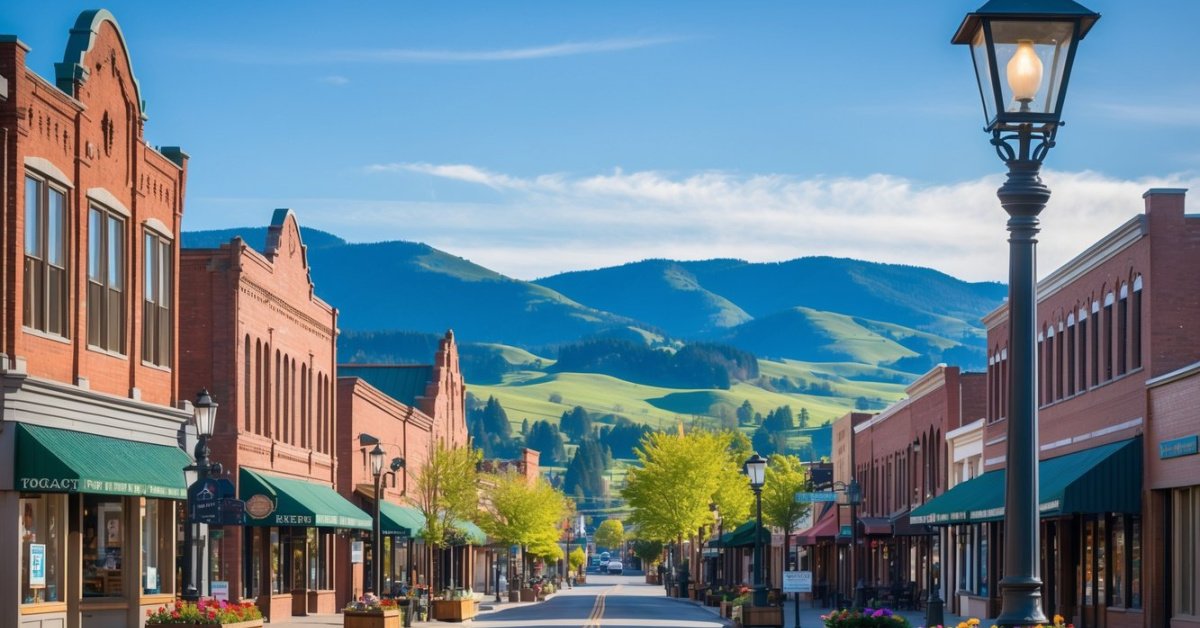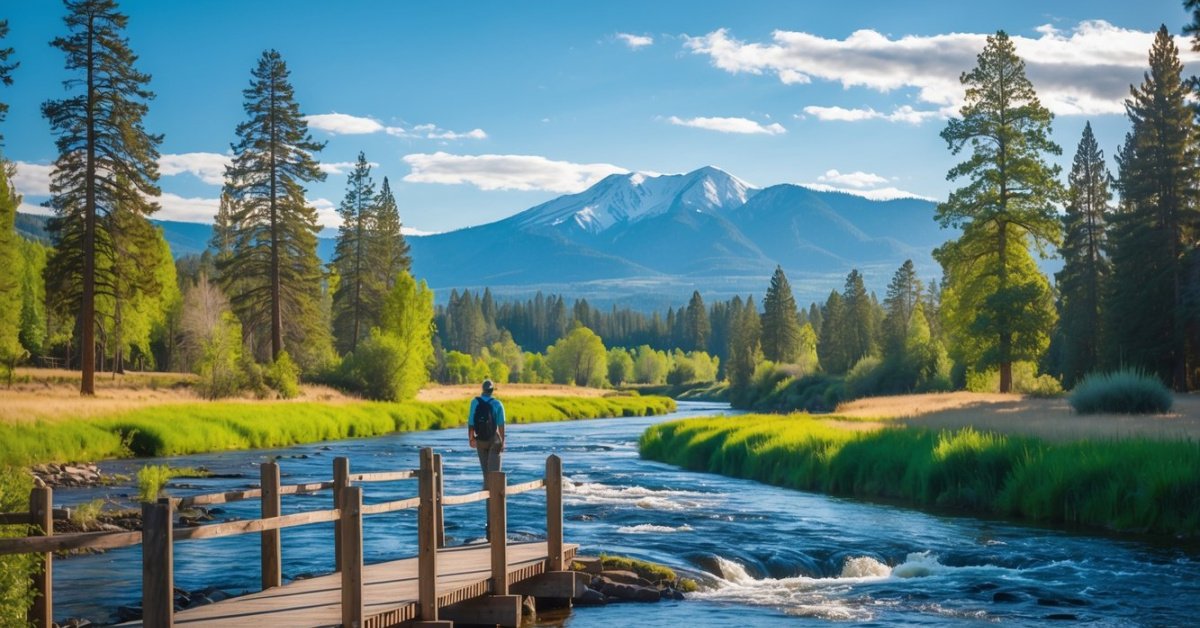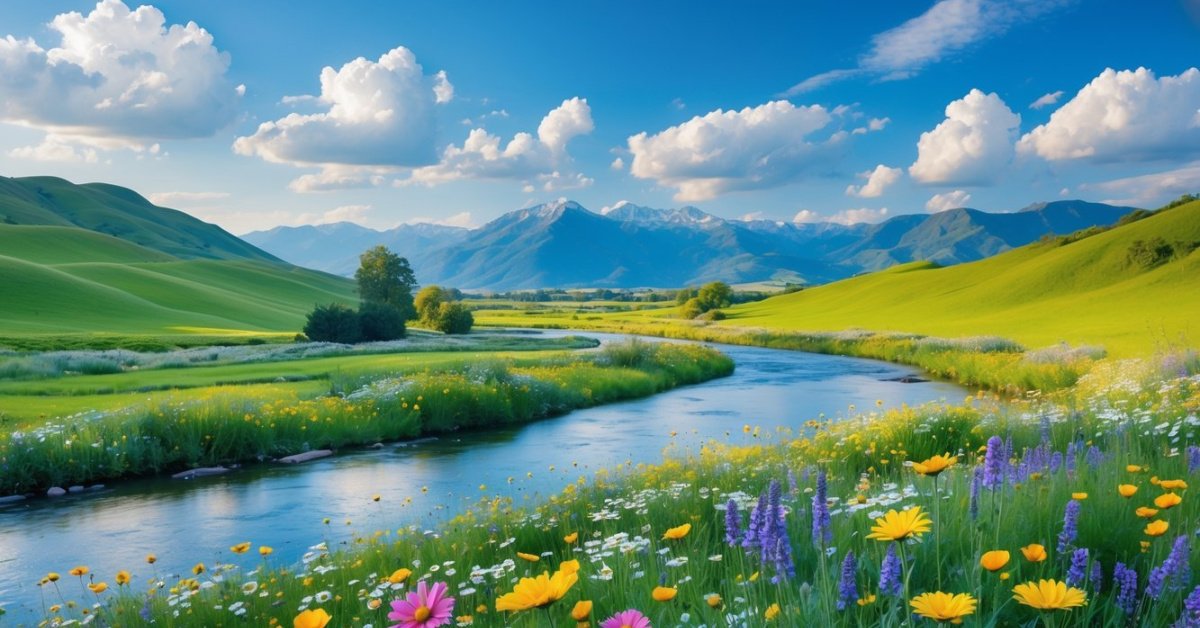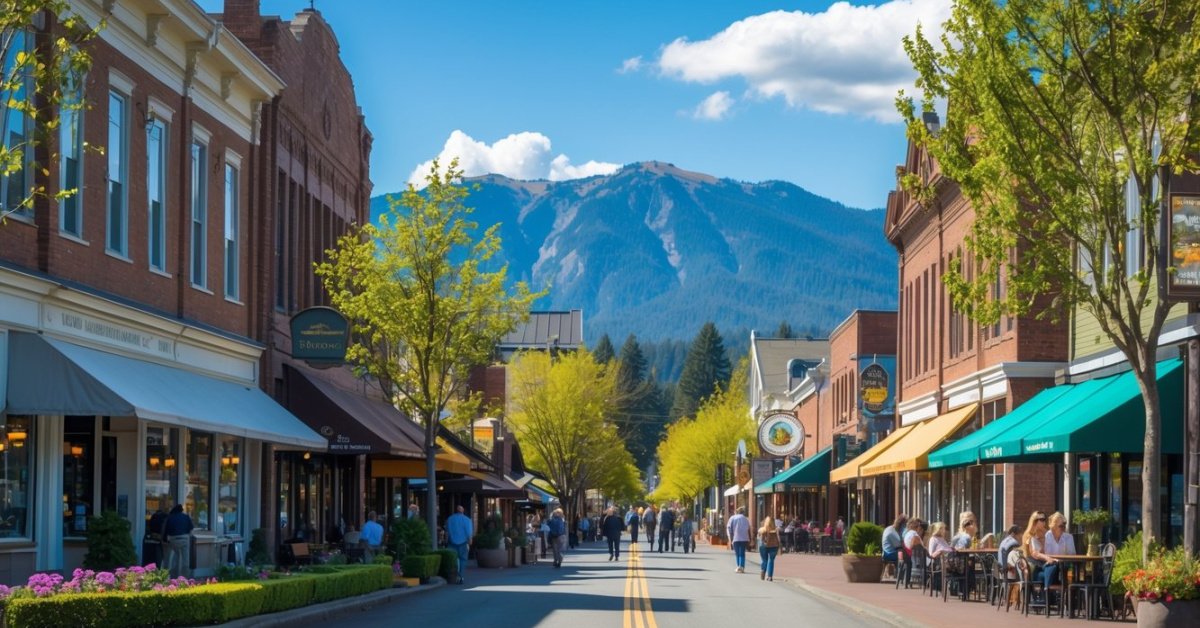
When I think about Oregon, I picture rolling fields, lush valleys, and a patchwork of farms that stretch as far as I can see. There’s something special about the way this state blends its natural beauty with a thriving agricultural scene. From the misty Willamette Valley to the sun-soaked high desert, Oregon’s landscape seems made for growing.
I’m always amazed by the variety of crops and the dedication of the farmers who work this land. Whether it’s berries, hazelnuts, or wine grapes, Oregon’s farms bring fresh flavors to tables across the country. Exploring agriculture here feels like discovering a hidden treasure in every field and orchard.
Overview of Agriculture in Oregon
Oregon agriculture shapes the state’s identity and economy. I see over 37,000 farms and ranches here, based on Oregon Department of Agriculture data, producing more than 220 different crops, livestock, and nursery products. Diverse climates—like the rainy western valleys and the dry eastern high desert—support everything from grass seed near Salem to potatoes in Klamath Basin.
I find specialty crops thrive thanks to Oregon’s microclimates. Hazelnuts from the Willamette Valley, blueberries from Marion County, and wine grapes in the Umpqua Valley lead national rankings. Nursery products, cattle, wheat, and pears keep Oregon in the top 10 national producers for each category.
I often see sustainable agriculture practices here. Many farms use drip irrigation on row crops near Hermiston and organic methods in Hood River orchards. Advanced soil and water management techniques protect watersheds and keep farms productive year after year.
Agriculture directly employs about 68,000 Oregonians (source: Oregon State University Extension Service) across farming, ranching, and food processing. Seasonal harvest jobs boost local economies, especially in counties like Yamhill and Malheur, where agriculture remains the backbone.
Major Types of Farms in Oregon
Oregon farms reflect the state’s character—diverse, local, and forward-thinking. I see tight-knit family operations and large-scale commercial enterprises thrive side by side.
Family-Owned vs. Commercial Farms
Family-owned farms shape Oregon agriculture more than anywhere I’ve traveled. Owners plant, harvest, or tend livestock alongside relatives; for example, nearly 96% of Oregon’s 37,200 farms are family-owned according to the USDA 2017 Census. These farms often pass through generations in places like the Willamette Valley, with crops like hazelnuts or grass seed.
Commercial farms in Oregon manage hundreds or thousands of acres, especially east of the Cascades. Operators run advanced equipment for wheat, potatoes, and seed crops across regions like Umatilla County. Many supply national or global markets. Both farm types contribute to Oregon’s agricultural identity, merging tradition and innovation throughout the state.
Organic and Sustainable Farming Practices
Organic and sustainable farming practices anchor Oregon’s agricultural approach. I visit organic-certified berry, vegetable, and nut farms from Hood River to Eugene. The Oregon Department of Agriculture reports over 900 certified organic farms statewide in 2021, producing top-value crops like blueberries and wine grapes.
Sustainable methods such as drip irrigation, crop rotation, and integrated pest management show up in both small and commercial operations. Examples include vineyards near Dundee using cover crops for soil health or Eastern Oregon ranchers implementing rotational grazing. Farmers embrace these techniques to preserve the land’s productivity and Oregon’s natural beauty for future generations.
Key Crops Grown in Oregon
Oregon’s farms grow a diverse mix of crops, shaped by the state’s climate zones and rich soils. I see fields and orchards change every season, revealing the depth behind the numbers.
Field Crops and Grains
Wheat, grass seed, and alfalfa represent major field crops in Oregon. Eastern Oregon fields often produce soft white wheat, with the majority—over 85%—exported to Asia according to the Oregon Wheat Commission. Ryegrass, bentgrass, and tall fescue seed fields fill the Willamette Valley; this region claims the nation’s top spot for grass seed production. Alfalfa and other hay varieties serve the region’s livestock operations, especially in eastern and southern counties.
Fruits and Vegetables
Berries, tree fruit, and cool-season vegetables dominate Oregon’s fruit and vegetable sector. Willamette Valley farms grow most of Oregon’s blueberries—over 160 million pounds in 2022 per the Oregon Blueberry Commission. Marionberries, blackberries, and raspberries also thrive in local soils. Hood River orchards yield high volumes of pears and apples, making pears one of the state’s leading fruit exports. Fields near Salem and Eastern Oregon supply sweet corn, onions, and potatoes. Root vegetables, like carrots and beets, appear seasonally across farmers’ markets and processing operations.
Specialty Crops
Specialty crops anchor Oregon’s reputation among food enthusiasts. Hazelnuts cover over 100,000 acres statewide, as Oregon grows 99% of US hazelnuts (Oregon Hazelnut Industry Office). Wine grapes cluster in more than 1,000 vineyards from Yamhill to Umpqua valleys and now cover 41,000 acres—pinot noir stands out in tasting rooms and competitions. Nursery plants—azaleas, rhododendrons, conifers—hold top value among Oregon crops, leading national rankings and filling garden centers coast to coast. Lavender, hops, peppermint, and Christmas trees add even more diversity to the state’s fields, especially in pockets I’ve explored west of the Cascades and up into the higher valleys.
Regional Differences in Farming Across Oregon
Regional climate, soil, and water shape distinct farming traditions in Oregon. I see unique crops and techniques thrive as I travel from the lush valleys to the high desert.
Willamette Valley
Willamette Valley farmers grow specialty crops on fertile soils with reliable rainfall. Berries, like blueberries and marionberries, fill fields from late spring through summer. Hazelnut orchards line backroads—over 100,000 acres statewide, most here in the valley. Vineyards for pinot noir and other cool-climate grapes stretch for miles; this region produces more than 70% of Oregon’s wine grapes. Grass seed farms dominate wide stretches near small towns, making Oregon the top US grass seed producer. Small family farms, many run by my neighbors, often experiment with organic vegetables, flowers, and specialty herbs. Consistent rainfall gives valley growers advantages, but also challenges with disease pressure and weed competition.
Eastern and Southern Oregon
Eastern and Southern Oregon farms operate under dry, high-elevation conditions. Wheat dominates in the Columbia Plateau’s rolling hills; this region grows soft white wheat mostly on large commercial farms for export. Alfalfa fields support cattle and dairy in the Klamath Basin, made possible by snowmelt irrigation from the Cascades. Ranchers raise beef cattle on open rangeland—likely the most common sight across Harney and Malheur counties. Fruit orchards, like pears and cherries, cluster near Medford in the Rogue Valley, where warm days and cool nights improve sweetness. Lavenders and potatoes find a niche in Southern Oregon’s volcanic soils. Because of limited rainfall, many farmers rely on advanced irrigation and drought-tolerant crop varieties. Intensive water management drives nearly every farming decision in these parts.
Challenges and Opportunities for Oregon Farmers
Weather extremes affect Oregon farms, with spring floods and late frosts threatening crops like berries and grapes in the Willamette Valley. Drought conditions in Eastern and Southern Oregon strain irrigation, particularly for wheat and alfalfa growers. Wildfire smoke sometimes damages orchard produce and wine grape harvests, especially along the Columbia Gorge.
Water access limits farm operations across much of Oregon. Surface and groundwater rights set by state law restrict irrigation during dry summers, creating tough conditions for family farms east of the Cascades. My neighbors in the Klamath Basin often share concerns about water cutbacks, especially as snowpacks shrink. Efficient technologies, such as drip irrigation in my region’s fruit orchards or precision pivots on high desert hay fields, help conserve scarce resources.
Labor shortages continue throughout the harvest season, with farm owners—friends of mine in Marion County—competing for experienced pickers each summer. Higher wages and stricter immigration rules affect hand-picked crops including blueberries, hazelnuts, and nursery plants. Many farmers, like those I know in Hood River, invest in mechanical harvesters or offer incentives to attract skilled local crews.
Organic certification and sustainability requirements open new markets, but also raise costs for Oregon growers. My research confirms that demand from Portland restaurants and nationwide grocers supports my state’s organic operations. Transitioning land to organic production, as I’ve seen on farm tours in Yamhill County, means following strict rules, investing in soil improvements, and keeping meticulous records.
Export markets create big opportunities. About 85% of Oregon wheat travels overseas, mostly to Asia. High-value products—wine, hazelnuts, and fresh blueberries—reach buyers in Canada, Europe, and beyond. Shipping delays or international trade disputes, however, slow cashflow for my farming neighbors in Umatilla and Washington counties.
Agritourism and direct sales boost local incomes. Farms near urban centers run farm stands, host u-pick days, and partner with chefs to showcase Oregon crops. My favorite experiences include summer berry picking in the Willamette Valley and wine tasting tours in Dundee Hills, where farmers connect directly with shoppers and visitors.
Research and extension programs at Oregon State University drive practical innovation. Extension agents based in Corvallis and across rural Oregon provide expert advice on pest management, soil health, and new crop varieties. My attendance at field days and workshops lets me see firsthand how these resources give local farmers an edge, especially when facing new challenges or shifting market demands.
Future Trends in Oregon Agriculture
Digital tools keep transforming Oregon farms, especially with precision agriculture. Sensors and mapping software let farmers in regions like the Willamette Valley track soil moisture, target irrigation, and save both water and energy. Drones already help monitor hazelnut groves and vineyards, offering real-time crop health updates.
Climate shifts push many Oregon farmers to experiment with drought-resistant wheat and alternative berries. Wine grape growers near Dundee and Hood River have begun planting new varieties that handle earlier harvests and hotter summers.
Sustainable methods keep gaining ground. More growers add cover crops and organic pest control to protect pollinators and soil. By 2024, organic acreage in Oregon topped 185,000 according to Oregon Tilth, and several local apple producers switched to regenerative certification.
Market expansion remains a core priority. Blueberry packers in Marion County work with global buyers, while direct-to-consumer sales—like farmers markets from Portland to Bend—grow each season. Agritourism ventures, such as U-pick lavender farms and vineyard tasting rooms, bring new visitors and income to rural communities.
Water issues push investment in efficient irrigation, with micro-drip systems replacing outdated flood methods on Central Oregon hay ranches. Ongoing research at Oregon State University keeps locals prepared for challenges—OSU’s Extension field days attract hundreds of farmers each summer for the latest crop management updates.
Conclusion
Oregon’s farms never fail to amaze me with their resilience and creativity. Every season brings new flavors and opportunities as farmers adapt to changing conditions and embrace new technologies.
I love seeing how tradition and innovation work side by side here. Whether I’m wandering through a berry field or tasting a local wine I’m reminded that Oregon’s agricultural spirit is truly something special.